Guide
Roof Coating vs Full Re-Roof: Which Is Right, and When
Every few winters, a facilities manager stands under a dripping industrial roof and asks the same thing: do we coat it, or strip it off and start again? Roof coating vs reroof is rarely a question with one right answer for every building. What decides it is the condition survey, not a preference or a headline figure.
What a coating and a re-roof each do
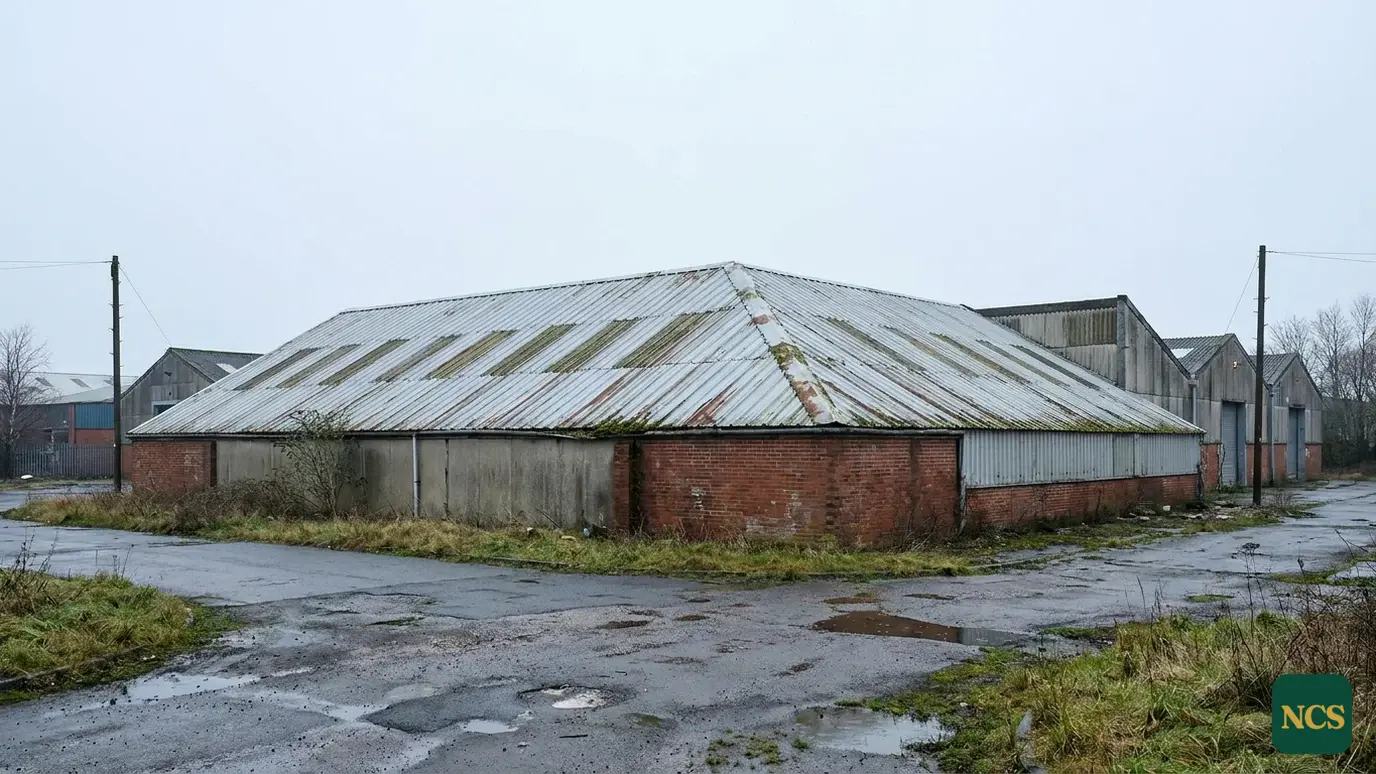
A roof coating is a liquid-applied system sprayed or rolled over the existing covering once it has been cleaned, repaired and primed. On asbestos cement sheets it works as an encapsulation, sealing the surface and the fibres rather than removing them. On metal it addresses surface corrosion, tired laps and cut-edge rust before they turn into holes. The building keeps its existing structure and stays weathertight throughout.
A full re-roof is a strip and replace. The old sheets come off, the purlins and structure are inspected and made good, and a new covering goes on. It is the more involved job, and on an occupied site it carries more weight in planning, cost and time. Neither is inherently better. They solve different conditions.
When roof coating is the responsible route
Coating earns its place when the roof is fundamentally sound but ageing on the surface. If the sheets hold their shape, the fixings are largely intact and the failures are corrosion, porosity or worn laps rather than structural loss, a survey will often point to coating as the sensible route. It is frequently the more responsible choice for asbestos roofs too, because encapsulation avoids the disturbance and removal of a material that is safer left sealed and monitored.
- The sheet profile is intact and not perforated across large areas
- Corrosion is confined to the surface, laps and cut edges
- The building must stay open and operational during works
- The roof is asbestos cement and better encapsulated than removed
- The structure and purlins passed inspection without significant defects
When a full re-roof is the honest answer
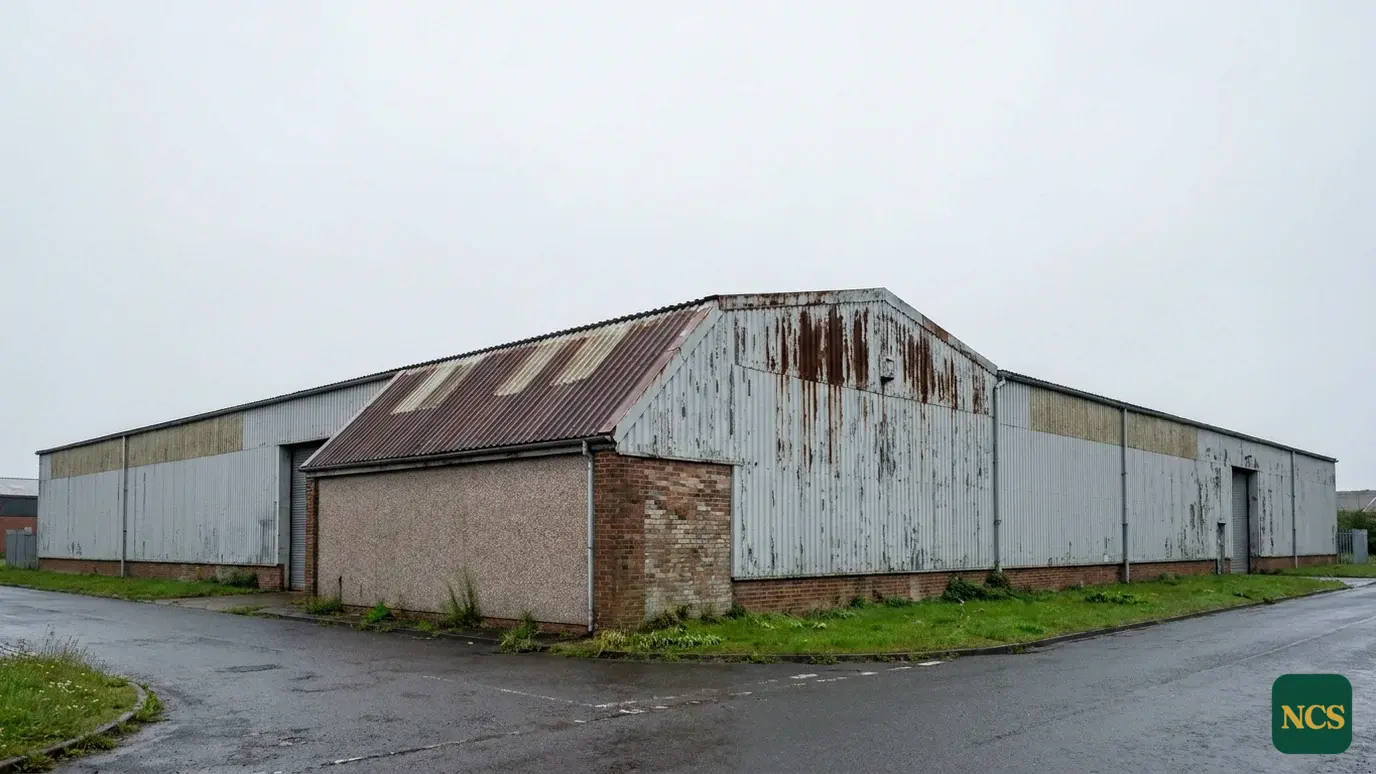
Sometimes coating is the wrong recommendation, and saying so is part of the job. If sheets are perforated through, if there is widespread water ingress into the structure, or if the purlins and fixings have corroded to the point of doubt, a coating only papers over a failing deck. Once the substrate itself is going, there is nothing sound to bond to and no coating will restore what has been lost. A re-roof is also the route when the roof needs a change in performance the existing covering cannot give, such as added insulation to meet how the building is now used.
Disruption on a working site
For most commercial, industrial and agricultural buildings, disruption is the deciding factor alongside condition. A coating is applied from above with the roof staying in place, so production lines, livestock and stored goods below can usually carry on. A re-roof opens the building to the weather in sections as the old covering comes off, which means more planning around production, more temporary protection, and a longer presence on site. Where continuity of operation matters, that difference is not a small one.
Lifespan and what really drives it
A well applied coating on a sound roof adds a meaningful stretch of protected service life, and it can be inspected and refreshed rather than replaced wholesale. A re-roof resets the clock entirely with a new covering. The honest point is that a coating does not turn a failing roof into a new one. Its lifespan depends on the condition of what sits underneath and on the preparation done before a drop of product is applied. Skip the survey and the cleaning, and no system performs as it should.
Roof coating vs reroof: comparing the routes
| Factor | Roof coating | Full re-roof |
|---|---|---|
| Suitable when | Structure sound, surface failing | Substrate perforated or failing |
| Disruption to operations | Low, building stays in use | Higher, roof opened in sections |
| Relative cost | Lower | Higher |
| Asbestos cement roofs | Encapsulate in place | Removal and disposal required |
| Extends life | Yes, on a sound deck | Yes, resets the covering |
| Changes insulation | No | Possible |
- Roof coating vs reroof is decided by the survey, not by preference
- Coating suits sound roofs with surface corrosion or ageing laps
- A re-roof is the honest route once the substrate is perforated or structurally doubtful
- Coating keeps the building operational; a re-roof carries more disruption and cost
Common questions
Can any roof be coated instead of replaced? No. Coating needs a sound surface to bond to. A perforated or structurally failing roof has to be replaced, and a survey will say so plainly.
Is coating an asbestos roof safe? Encapsulation seals the sheets and fibres in place, which is often preferable to disturbing and removing a material that is safer left sealed and monitored.
Will a coating last as long as a new roof? A re-roof resets the covering entirely. A coating adds protected service life to a sound roof and can be refreshed, but it will not outlast a failing deck.
If you are weighing coating against replacement, our roof coatings service starts with a condition survey, and you can book one through our free quote page.
Published by National Coating Specialists • survey-led commercial, industrial & agricultural coatings across the UK.
Accredited, insured & nationwide



Where we work
Sectors and buildings we coat
Survey-led coating, spraying and exterior refurbishment across commercial, industrial and agricultural property in the UK.
Get a free site survey, no obligation
One of our surveyors walks the building, photographs the condition and quotes only what it actually needs. Send us the details and we'll come back with a clear, practical route, not a hard sell.
Book your free site surveyWhat does your building need?
Pick the surface, then the problem. We will point you to the right service.