Guide
When NOT to Coat a Roof: An Honest Contractor’s View
Not every roof should be coated. Some sheets are too far gone to hold a coating, some buildings are quietly moving under the covering, and some materials are not ours to touch without a licence. An honest survey sometimes ends with us telling you to spend your money on something else.
Knowing when not to coat a roof
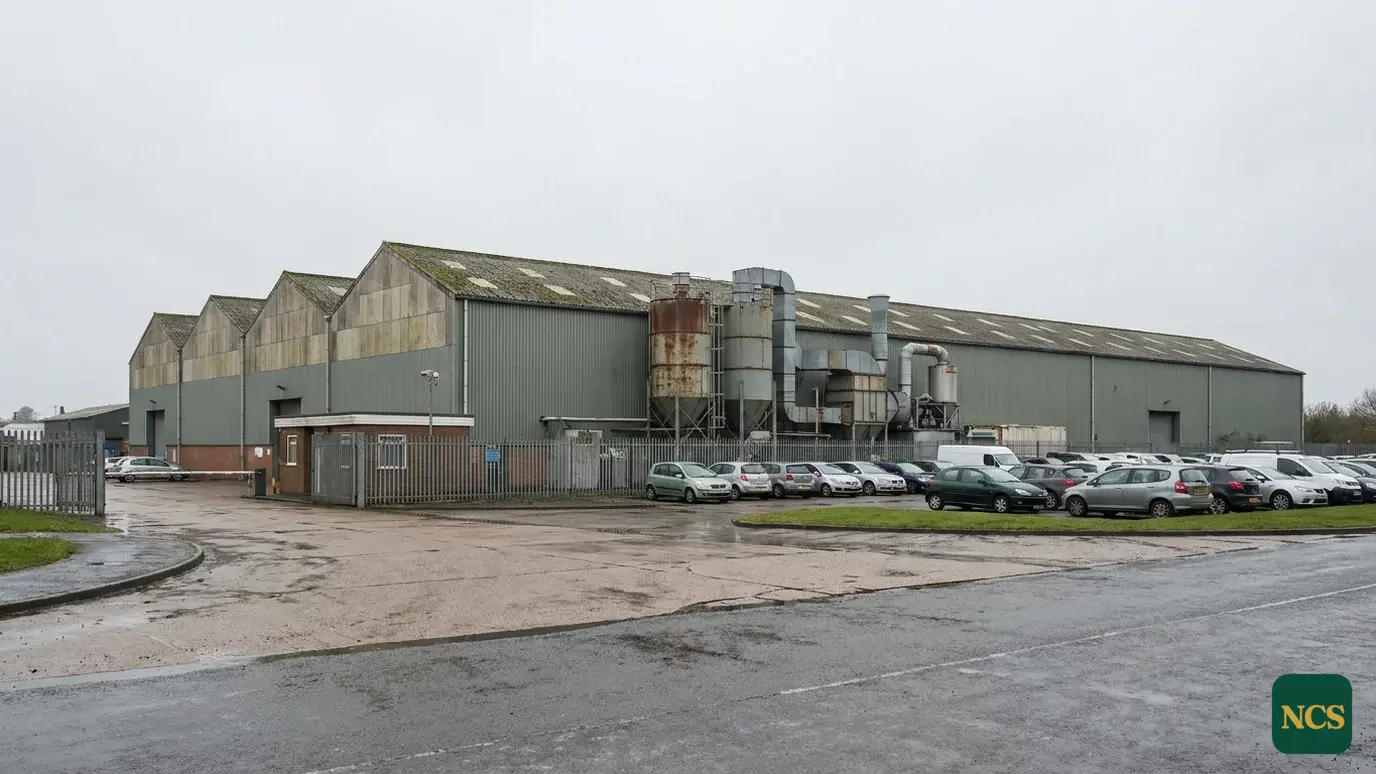
Knowing when not to coat a roof is as much a part of our job as the spraying itself. A coating is a maintenance treatment for a roof that is still sound. It refreshes the weathered surface, seals fine porosity and buys years of extra service life. What it cannot do is rebuild a sheet that has lost its strength, stop a building that is flexing, or make a licensable material safe to disturb. If a surveyor promises any of those things, be careful.
Friable or holed sheets
The first thing we test on any old roof is whether the sheets can still carry a load and hold a fixing. Fibre cement and older asbestos cement sheets grow brittle with age. The cement matrix washes out, the surface goes soft and fibrous, and you are left with sheets that crack when walked on. That condition is called friable, and it changes everything. A coating adds weight and needs access across the roof to apply. Spraying a friable roof means putting operatives on a surface that may not hold them, and sealing a film over sheets that are already failing simply hides the problem for a season or two.
Holes, missing corners and daylight through the laps tell the same story. A liquid coating bridges hairline cracks, not open gaps. If water is already getting in, the fix is repair or replacement of the affected sheets, not a coating over the top.
Structural movement
Coatings are flexible, but they are not structural. If purlins are corroded, fixings have pulled through, or the frame is shifting, a coating will crack along the line of movement within months. We look for the signs during the survey: sheared fixings, elongated fixing holes, sheets that ride up at the laps, and cracking that follows the structure rather than the weathering. Where we find them, the honest answer is that the building needs a structural look before anyone talks about coatings.
Licensable materials
Asbestos cement work is non-licensed in many cases, but the moment the job involves disturbing certain materials or working in higher-risk conditions, it becomes licensable and must be carried out by a licensed contractor under the correct controls. Encapsulation of an asbestos roof can be a legitimate option when the sheets are sound, because it seals the surface and reduces fibre release without removal. It is not a way to dodge the rules. If the sheets are broken or friable, or the work would release fibres, coating is not the shortcut, and we will say so.
- Sheets crack or flex underfoot during the survey
- Daylight or open holes visible through the roof
- Sheared or pulled-through fixings and elongated holes
- Cracking that follows the frame rather than the surface
- Standing water or blocked, failing gutters below
- Any material where disturbance would need a licensed contractor
When the roof has simply reached its end
Sometimes the sheets are intact but the roof has reached the end of its working life. Widespread delamination, heavy corrosion across a metal deck, or laps that have opened up along most runs all point the same way. Coating a roof in that state is spending good money to delay a decision you will still have to make. We would rather cost you a replacement now than take payment for a treatment that will not last.
| Roof condition | Coating suitable? | Honest recommendation |
|---|---|---|
| Sound sheets, surface weathering only | Yes | Clean, treat and coat |
| Sound asbestos cement, no damage | Sometimes | Encapsulation under correct controls |
| Friable or brittle sheets | No | Repair or replace affected areas |
| Open holes or missing sections | No | Sheet repair or overroof |
| Structural movement or failed fixings | No | Structural survey first |
| End-of-life corrosion throughout | No | Full replacement or overroof |
- Coating extends the life of a sound roof; it does not rebuild a failing one.
- Friable sheets, open holes and structural movement all rule coating out.
- Licensable materials must be handled by a licensed contractor under the right controls.
- A good survey will sometimes recommend repair or replacement instead.
Frequently asked questions
Can you coat an asbestos roof? Where the sheets are sound, encapsulation can be a valid option carried out under the correct controls. Where they are broken or friable, it is not, and removal or repair by the right contractor is the honest route.
Will a coating stop a leak? A coating seals fine surface porosity and hairline cracks. It will not close open holes, failed laps or gaps caused by movement, so a leaking roof needs the cause found and repaired first.
How do you decide if a roof is worth coating? We survey the sheet condition, the fixings, the structure and the gutters before we quote. If the roof is sound, we coat it. If it is not, we tell you.
If you want a straight answer on whether your roof is a candidate, our roof coatings team will survey it first, and you can book a no-obligation visit through our free quote page.
Published by National Coating Specialists • survey-led commercial, industrial & agricultural coatings across the UK.
Accredited, insured & nationwide



Where we work
Sectors and buildings we coat
Survey-led coating, spraying and exterior refurbishment across commercial, industrial and agricultural property in the UK.
Get a free site survey, no obligation
One of our surveyors walks the building, photographs the condition and quotes only what it actually needs. Send us the details and we'll come back with a clear, practical route, not a hard sell.
Book your free site surveyWhat does your building need?
Pick the surface, then the problem. We will point you to the right service.