



Retail park roof coating relies on a survey first
Retail park roof coating decisions start with a proper survey of the actual roof, not a guess from ground level. We check the membrane, the fixings and the rooflights before anyone talks numbers.
Why retail park roofs reach the coat-or-replace decision
Retail park buildings endure more weather exposure than most commercial properties. Their large, flat roof areas collect standing water while tall fascias and cladding bear the brunt of wind-driven rain. Over time, this constant assault degrades the roof membranes, leading to leaks, insulation damage and eventual structural concerns. The tipping point comes when repairs become frequent enough that a full solution makes financial sense.
Unlike offices or warehouses, retail units cannot easily close for major works. Landlords and tenants face the difficult balance of maintaining the building while minimising disruption to trade. This makes the timing of any intervention critical, with coatings often chosen as the least disruptive option for roofs that still have years of service left in their structure.
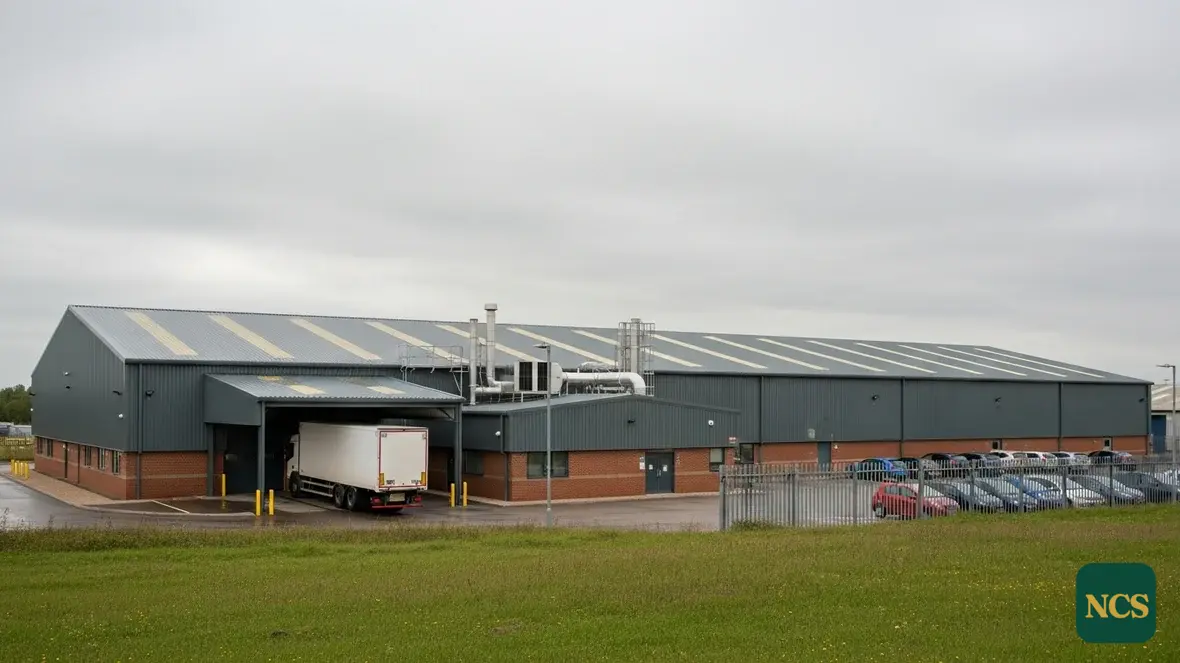
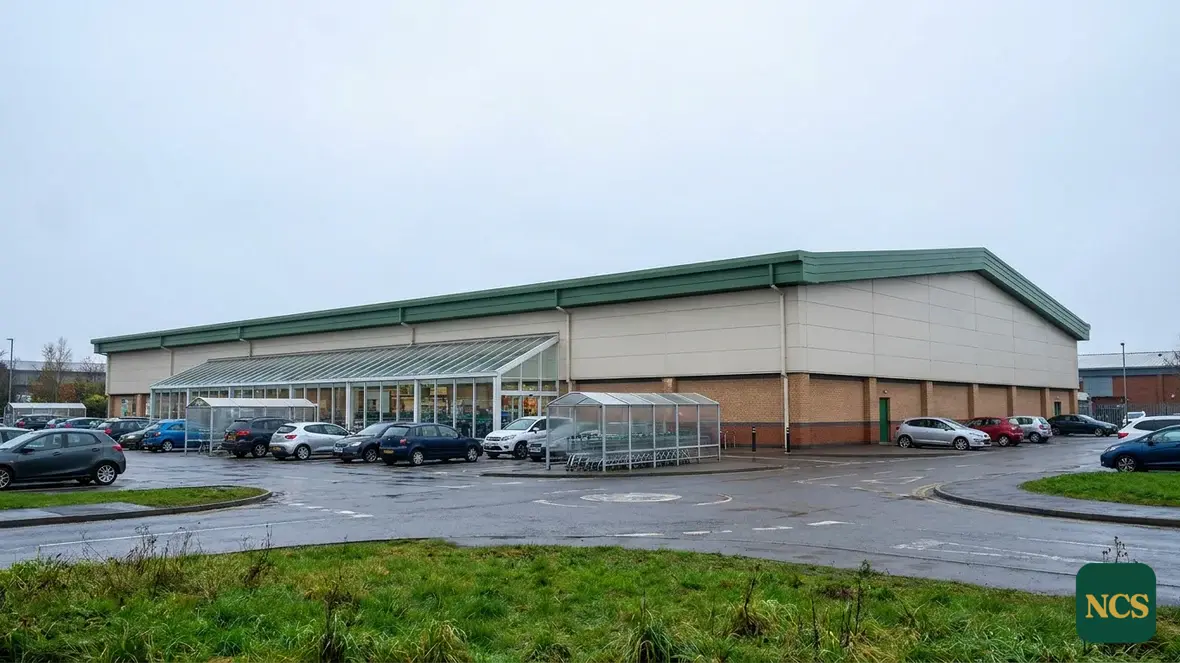
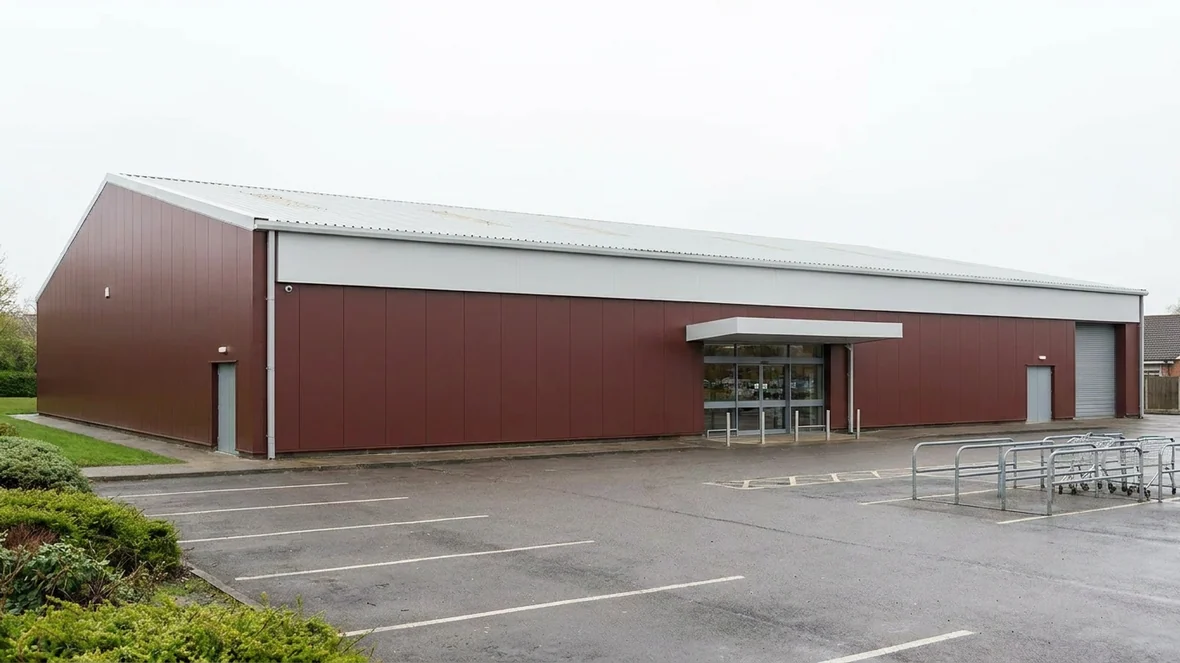
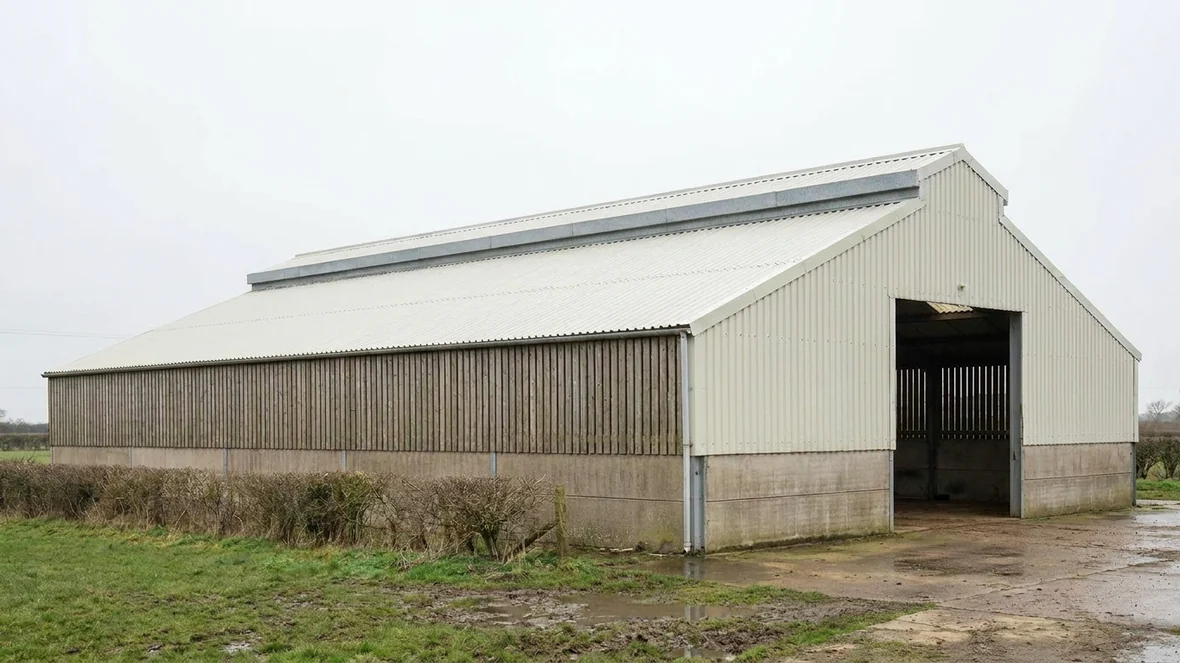
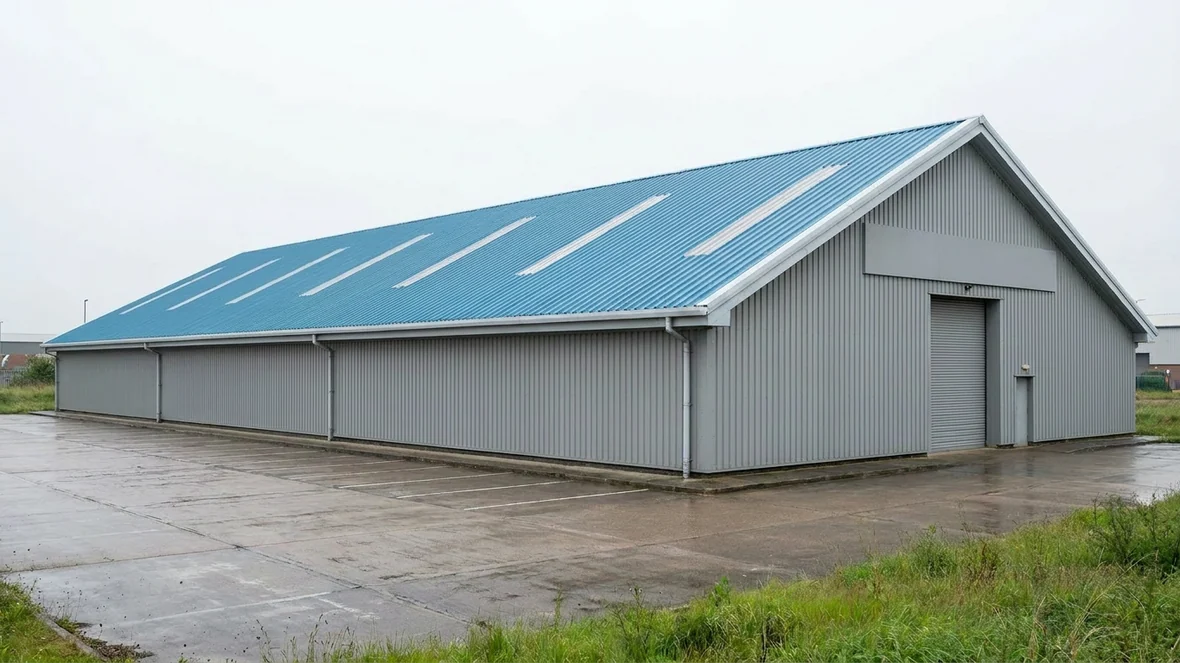
Where retail parks and trade units carry sound sheets under a weathered finish, a proper repaint adds real service life without a re-roof, the same route shown in our retail park case study.
The retail park roof stock and how it fails
Most retail park roofs built since the nineties use single-ply membranes like PVC or TPO, or modified bitumen systems on larger units. Older sites may still have asphalt or built-up felt roofs. The failure modes differ by material but share common triggers. Single-ply membranes suffer from seam failures, punctures from foot traffic during maintenance, and UV degradation at the edges. Bitumen roofs crack as the substrate moves with temperature changes.
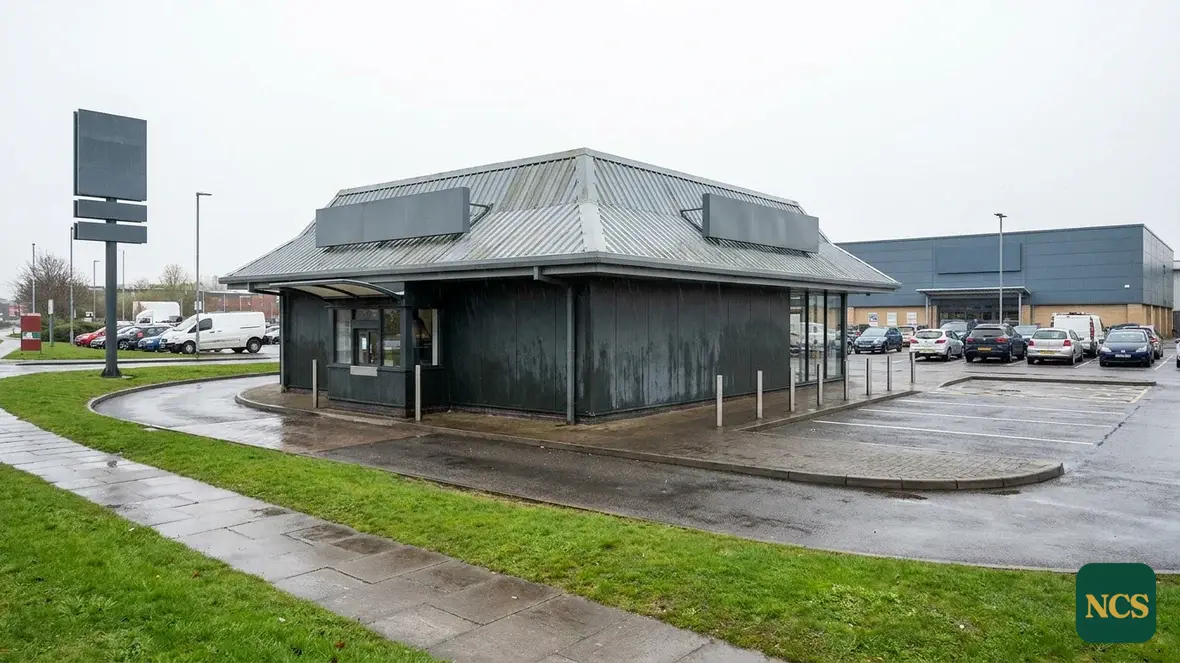
Supermarket extensions and drive-thru canopies often use metal deck roofing, which corrodes at fixings and seams. All types face problems at penetrations like vents and pipework, where sealants fail over time. The sheer scale of retail roofs means small issues can escalate quickly if left unaddressed, with leaks risking stock damage and trading interruptions.
Where roof coating works and where it doesn’t
A professionally applied coating system adds real service life to a retail roof when the underlying structure remains sound. The right formulation bridges small cracks, seals vulnerable seams and provides a waterproof barrier without the weight or disruption of full replacement. Coatings work particularly well on single-ply membranes and metal decks where the substrate is intact but the surface protection has worn thin.
Coating is not the answer when the roof deck shows signs of structural movement, widespread ponding or multiple layers of previous treatments. In these cases, the only lasting solution is full replacement. A free survey assesses which approach suits your building’s specific condition and usage patterns.
Leaks, fixings, rooflights and gutters
Retail park roofs develop leaks at predictable weak points: around rooflight upstands, through failed perimeter flashings, and at penetrations for services. The flat or shallow-pitched roofs common in this sector rely on watertight detailing at edges and upstands, where movement over time breaks seals. Fixings work loose as substrates expand and contract, leaving screw heads exposed to weather. Rooflights themselves degrade, with polycarbonate sheets becoming brittle and seals failing. Gutters clog with debris from surrounding trees or building works, then overflow onto fascia boards.
Before any coating is considered, these defects must be repaired. Loose fixings are replaced with longer screws into fresh substrate. Failed flashings are stripped back and rebuilt with compatible membranes. Rooflights are assessed for frame integrity and seal condition. Gutters are cleared, realigned and tested for falls. Only when the roof is structurally sound and watertight does coating become an option.
- Perimeter flashings inspected for separation or cracking
- All penetrations checked for seal integrity
- Rooflight frames tested for stability
- Gutter falls verified with a water test
- Loose fixings replaced with corrosion-resistant alternatives
Planning around operational constraints
Retail parks cannot tolerate downtime. Work must proceed without disrupting trading hours, customer access or car parking. This demands precise scheduling, often in short overnight windows or sectional closures agreed months in advance. Scaffolding is erected after close, with all materials pre-positioned to minimise on-site time. Noise is controlled to avoid disturbing neighbouring units.
Brand presentation standards dictate how works are screened from public view. Temporary fencing, branded hoardings or discrete access routes maintain the retail environment. Landlord approvals are secured for common areas, with tenant notifications issued where required. Weather contingencies are built into the programme, as retail parks cannot accept delays to critical path works.
Why the survey comes first
Every retail park roof has unique conditions shaped by its age, construction and maintenance history. A detailed survey maps these variables before any specification is drafted. Substrate type determines preparation methods. Existing coatings influence product compatibility. Drainage layouts dictate application sequences. Without this baseline, no coating system can be responsibly proposed.
The survey also identifies hidden risks: fragile roof zones, asbestos containing materials, or structural inadequacies. These findings shape both the technical solution and the safe working method. Only after the survey can a realistic programme be outlined, accounting for all access constraints and operational requirements.
The next step
You can read more about the wider roof coating service, or see how we approach retail & trade units as a whole. When you are ready, request a free survey and we will look at the building itself before recommending anything.
Retail park roof coating: recent work we can show you
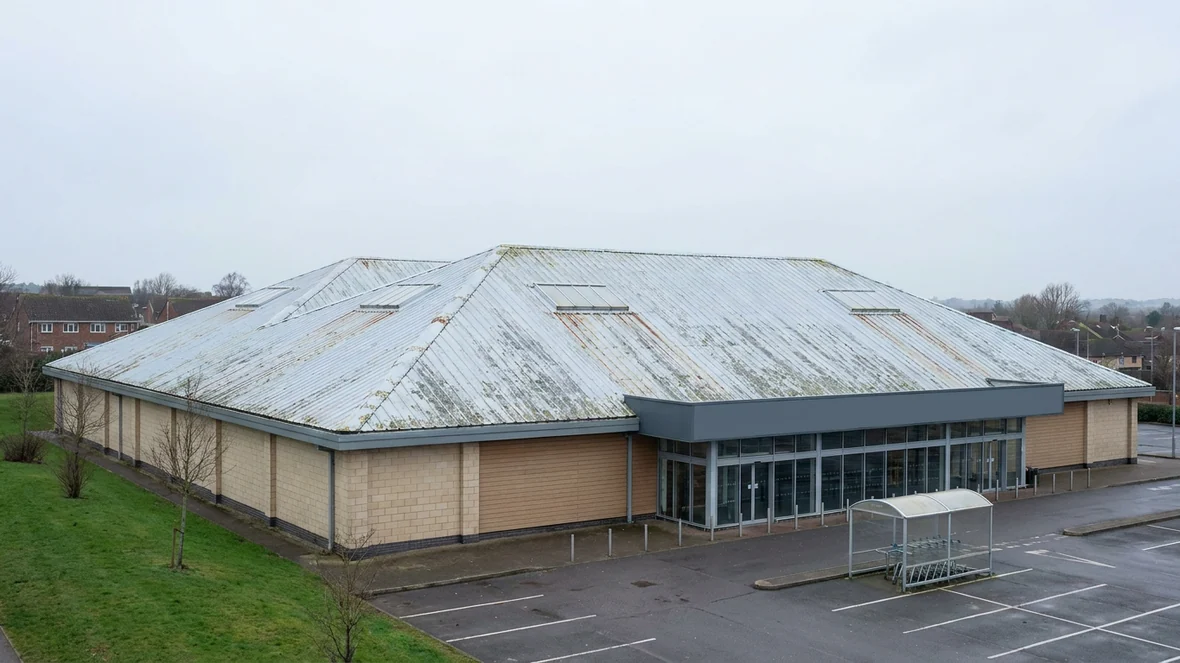
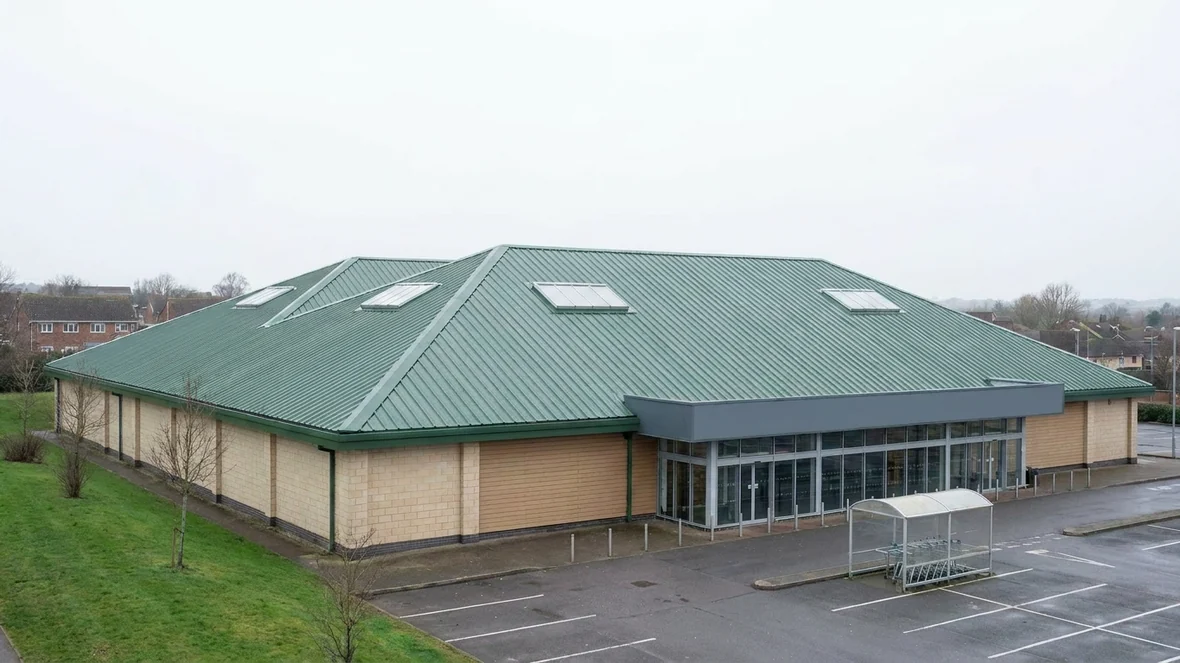
These are our own photographs from jobs of the same type. They are not stock images, and none of them is dressed up as something it is not. The caption tells you where each one was taken.
Standards behind our retail park roof coating work
Coating a retail park roof means time at height above a trading car park, so access and screening are planned from the survey stage onwards. Our teams plan every job around the HSE’s work at height guidance, and we hold CHAS accreditation so the health and safety paperwork a managing agent or estates team asks for is ready before the first van arrives.
Common questions about retail park roof coating
When does a retail park roof need coating?
A roof may be suitable for coating when the existing finish is weathered, local corrosion is developing or cut edges and fixings are beginning to deteriorate. We survey the roof before recommending treatment, as coating cannot compensate for unsound sheets, persistent water ingress or defective roof details.
Can a retail park roof be coated without closing the units below?
In many cases, work can be planned while units remain occupied. We consider access, delivery routes, public areas, air intakes and the operating requirements of each tenant. The programme may need to be phased to keep disruption, overspray risk and noise under control.
Can you coat a roof that is already rusty?
Light or localised corrosion can often be prepared and treated as part of a retail park roof coating specification. Loose rust, failed paint and contamination must first be removed. Heavily corroded or perforated sheets may require repair or replacement rather than coating alone.
Will roof coating stop leaks?
A coating system can protect prepared roof sheets, but it should not be treated as a general cure for water ingress. Leaks may originate at laps, fixings, gutters, rooflights, penetrations or damaged sheets. We identify these defects during the survey and separate necessary repairs from the coating work.
How long does retail park roof coating take?
The programme depends on roof area, condition, access, preparation requirements and the number of repairs required. Weather also affects external coating work. We set out a practical sequence following the survey and allow for tenant access, deliveries and other activity around the site.
Preparing laps, fixings and cut edges before coating
The broad roof sheets are usually the straightforward part of the work. The more demanding areas are the joints, edges and penetrations where moisture can remain trapped and corrosion tends to start. We inspect these details closely rather than relying on a uniform application across the roof.
-
Sheet laps: We check side and end laps for movement, open joints, trapped debris and failed sealant. Defective details are addressed before the main coating is applied.
-
Fixings: Loose, damaged or corroded fasteners are identified during preparation. Fixing heads and washers require careful treatment so that adhesion is not compromised by rust or degraded materials.
-
Cut edges: Exposed sheet edges are particularly vulnerable because the original protective finish may be thin or absent. We remove unstable corrosion and apply the specified treatment before coating the surrounding sheet.
-
Rooflights and penetrations: Upstands, vents, ducts and rooflight kerbs create changes in level and additional joints. We prepare these areas by hand where mechanical access is restricted.
-
Gutter margins: Dirt and standing moisture often affect the lower edge of roof sheets. Gutters and outlets must be cleared sufficiently for the adjoining surfaces to be inspected, prepared and coated correctly.
Preparation methods are selected according to the existing substrate and coating condition. We remove loose material and contamination while avoiding unnecessary damage to sound finishes. Surfaces are then checked for cleanliness and dryness before subsequent treatments are applied.
This detail work is central to a durable retail park roof coating specification. Applying material over poorly prepared corrosion, loose paint or wet joints may improve appearance briefly, but it does not provide a sound basis for continued protection.