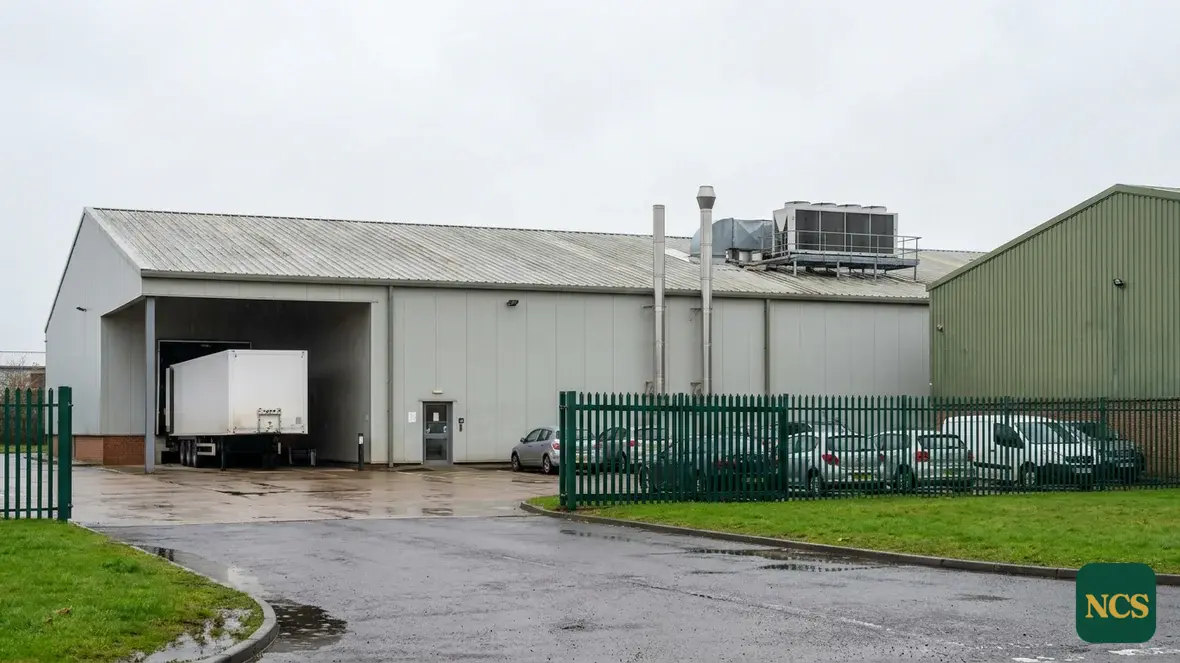
Why commercial roofs across Kent reach the coat or replace decision
Kent’s commercial roofs take a beating. You’ve got the salt off the Thames and the Channel, plus all that traffic muck from the M20 and M2. We see it on the roofs: those old profiled metal sheets from the seventies and eighties are knackered around the fixings. Thermal movement has worked thousands of screws loose. Then there are the flat roofs on the retail units and packhouses. They’re ponding after years, especially where the original falls were a bit iffy.
The roof stock of Kent – where ageing metal and flat roofs cluster
Walk around Kent and you see different roofs everywhere. The Medway towns, for example. Miles of trapezoidal metal roofing from the old dockyard days, all patched up around rooflights. Down by Dartford and Gravesend, it’s older factories with fragile asbestos cement roofs. Ashford’s logistics parks have those big composite panels, but the sealant joints are shot. Out in rural Kent, the cold stores and farm buildings show real corrosion at the eaves. All that moist air drawn in over decades.
What roof coating achieves and when replacement is unavoidable
A good, thick coating system sticks to the roof, seals up the small cracks, and gives you a watertight skin. You don’t have to rip off the old stuff. It works when the roof’s still solid underneath. No major bending, no loose fixings, no big holes from corrosion. But it won’t fix bad falls, stop condensation, or make up for rubbish insulation. In Kent’s coastal spots, we often find the corrosion underneath is too far gone. Coating’s a waste of time then. You need to replace it.
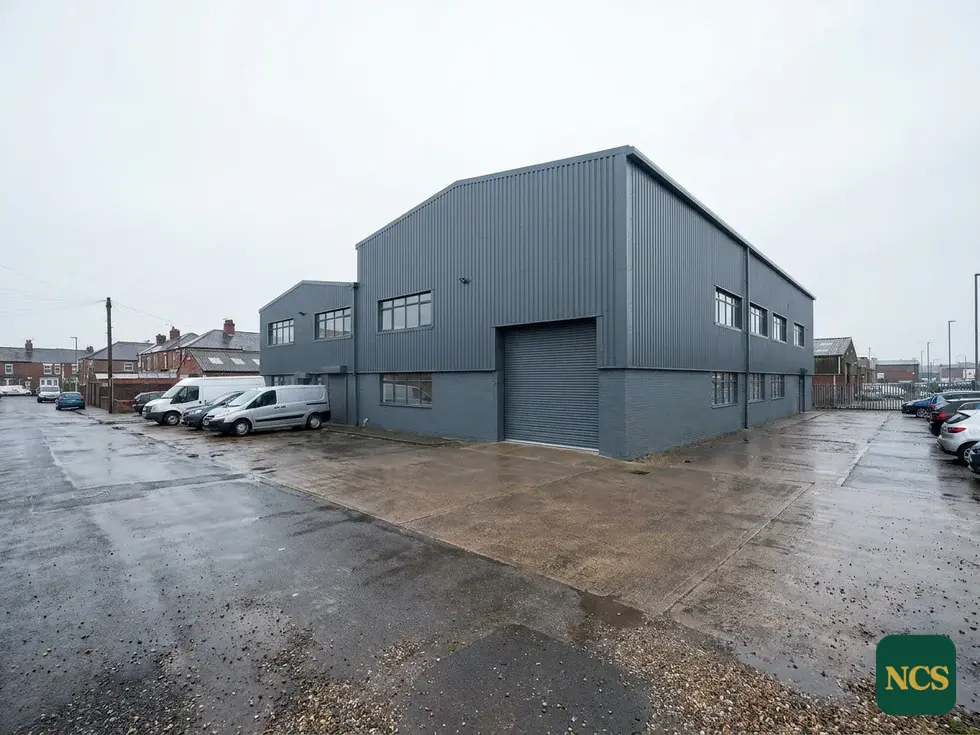
Addressing leaks, fixings and ancillary elements first
You can’t just slap a coating on. It won’t work unless you sort out the problems first. We go over the whole roof, checking every screw. If it’s loose or rusty, we replace it. We pay close attention to the edges. Rooflight upstands get fresh sealant, but we clean out all the old, crumbly stuff first. Gutters and outlets are cleared and tested. Blocked drainage will wreck even the best membrane. In Kent’s older industrial areas, we often find years of dodgy repairs. A right mess of incompatible materials that needs stripping back before we even think about coating.
Our survey-led approach to Kent’s commercial roofs
We always start with a full survey. We don’t just look at the surface; we check the structure underneath. We measure how much the roof has moved, inspect the purlin connections, and make sure the drainage works. This groundwork stops any nasty surprises when we’re on site. It means the coating we spec is the right one for your building. For Kent’s older roofs, we often do test patches. Just to make sure it sticks properly before we commit to the whole job.
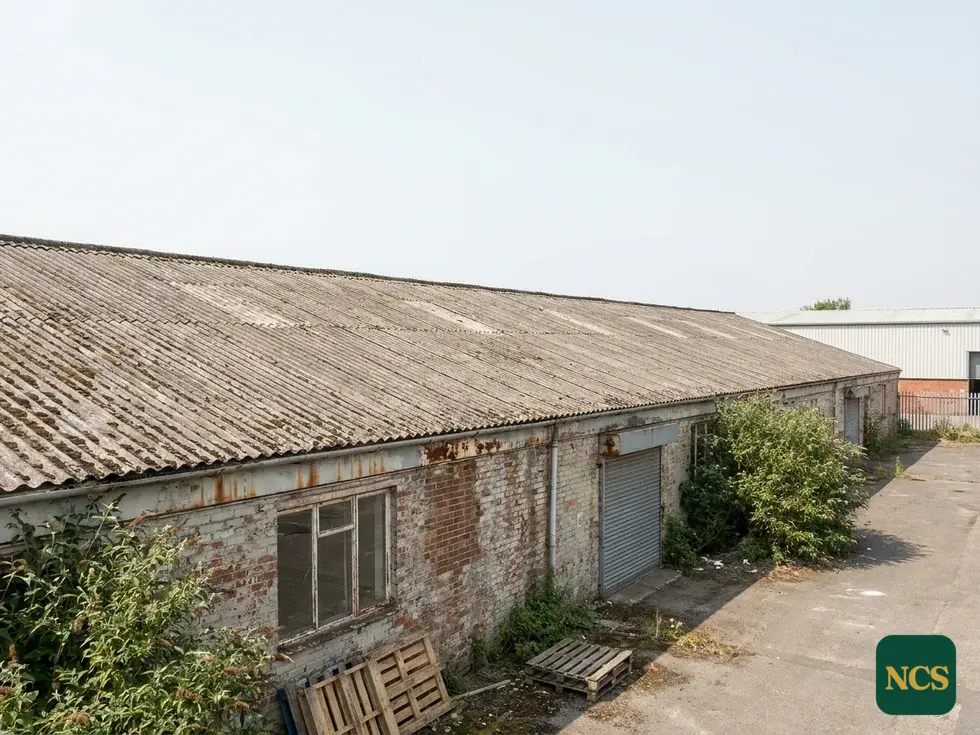
Why specification follows survey, not the other way round
Kent’s commercial roofs are all different. What works on a sheltered retail unit will fail in months on an exposed farm cold store. Our surveys pick up on the specific risks: is it a salt spray area? Does it get extreme heat and cold? Those factors tell us what system to use. We only choose the primer, reinforcement, and topcoat once we know the roof’s condition, how exposed it is, and what it’s used for.
- Full structural assessment before any coating specification
- Fixings checked and replaced across the entire roof area
- Drainage tested and cleared prior to application
- Test patches on marginal substrates
- System selection based on local exposure conditions
Learn more about commercial roof coating or request a free survey.
Recently — July 2026
We do not price a roof we have not stood on, so every job here starts with a proper look at the building.
Long daylight and warm, dry days are when a coating cures and bonds best, so summer is a sensible time to get the work booked in.