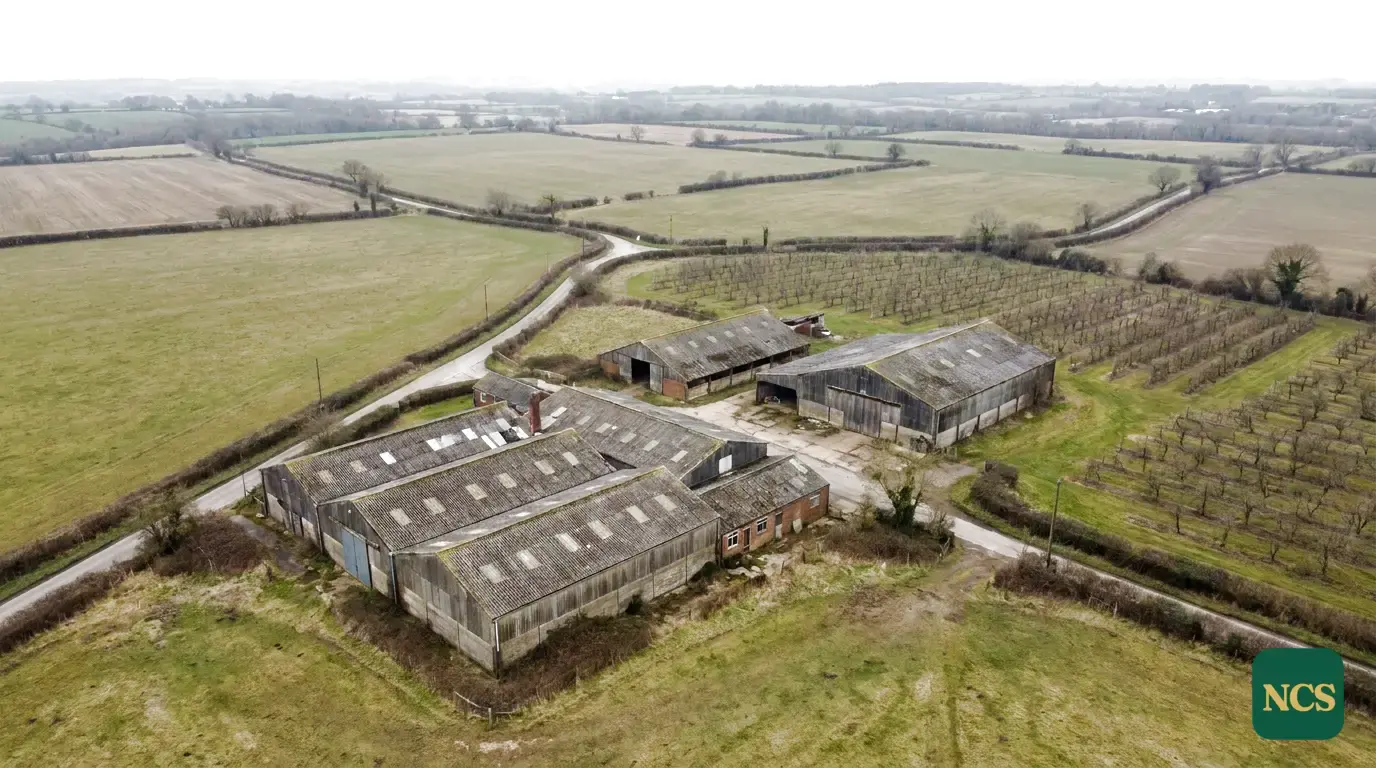
Kent stretches from the Dartford river crossings down to the Channel at Dover and Folkestone. That’s a lot of ground, and the buildings we see reflect it: distribution centres, paper mills, cement works, port buildings, and thousands of agricultural packhouses and barns across the Garden of England. Every single one of them sits under a roof that faces real weather off the Channel and the Thames estuary.
We survey every building in person before we recommend anything. We coat, spray and refurbish roofs, cladding and elevations across Kent, but we’re straight about it: if a coating won’t cut it, we’ll tell you. Replacement or repair is the honest route. On buildings this exposed, that honesty saves you from paying for a finish that won’t last a Kentish winter.
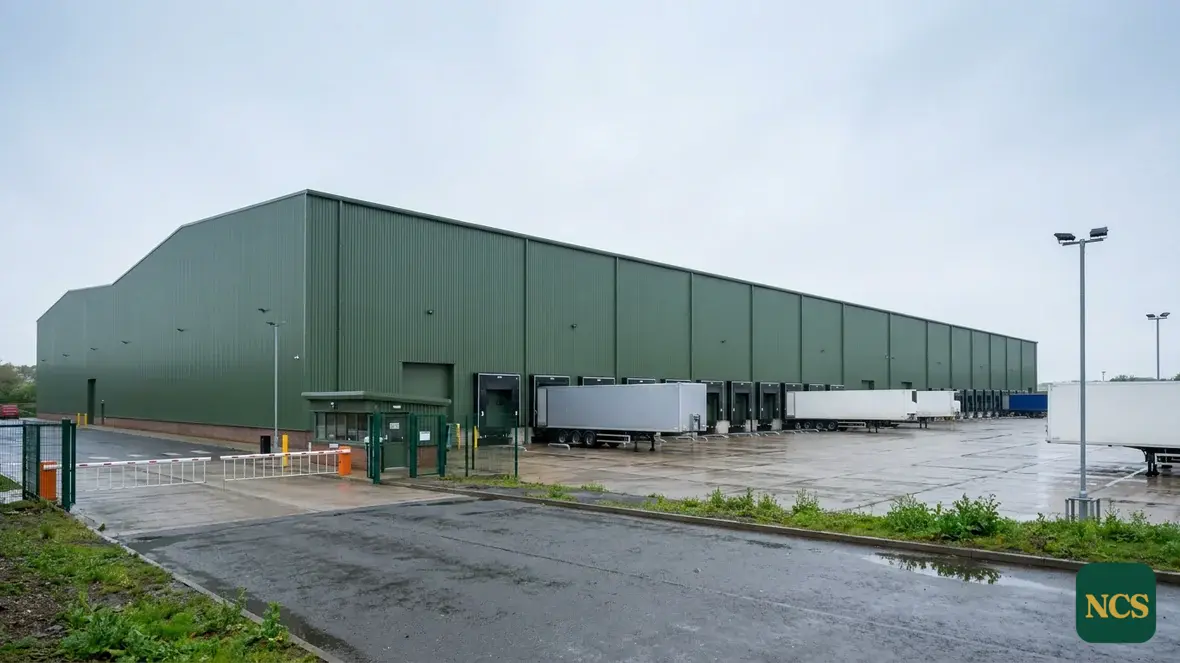
Kent’s industrial and agricultural building stock
The Medway towns, Rochester, Chatham and Gillingham, share the Medway City Estate. That’s one of the largest industrial estates in the south east, full of big steel-framed sheds and long cladding runs. Sittingbourne has the Kemsley paper and packaging site and the Eurolink estate. Aylesford and Maidstone add Parkwood and the paper heritage of the Medway valley. Dartford and Gravesend carry Crossways Business Park and the cement and aggregates works around Northfleet.
Ashford has grown around Sevington and Waterbrook as a Channel logistics hub, and the coast at Dover and Folkestone brings port and ferry buildings. Away from the towns, the Garden of England fills in with orchards, hop gardens, oast houses and, above all, modern steel-frame packhouses and cold stores. These need durable, food-safe-minded envelopes. It is a county with more variety of building type than almost any other in the south.
Coastal and estuary exposure
Kent buildings weather harder than most inland counties. Salt-laden air off the Channel and the Thames estuary drives corrosion on metal roofs and cladding, especially at cut edges, fixings and gutters. On the exposed north Kent marshes and the coastal strip, wind-driven rain finds every failed lap and seal. A roof that would sit happily for years inland can deteriorate far faster here.
Agricultural buildings add their own load: ammonia and washdown moisture from livestock and produce handling attack coatings from the inside, as well as the weather from the outside. That mix is exactly why a coating has to be specified to the building and its exposure, not picked from a list. The survey checks the substrate, the corrosion pattern and the detailing on the roof before anything is recommended.
The work we do across the county
On the big distribution and industrial roofs of Medway, Dartford and Ashford, coating with cut edge corrosion treatment holds back rust and lifts reflectivity. The building keeps running. On tired cladding across the trading estates, spraying restores the elevation without the cost and disruption of re-cladding. On the packhouses, cold stores and barns of rural Kent, roof coatings and asbestos encapsulation keep working buildings weathertight and safely managed.
Where a roof or wall has gone past coating, we tell you. A perforated sheet, a wet deck or a failing structure needs repair or replacement. Pretending otherwise helps nobody. The point of the survey is to sort the roofs that a coating will genuinely help from the ones that need something more, before any money is committed.
Coat, repair or replace, set out clearly
The survey ends in a written report that separates the three routes. Coating suits a sound roof with edge and fixing corrosion. Repair suits localised failures that can be put right before a coating goes on. Replacement is the honest answer when the substrate itself has gone. Seeing the three options side by side, with photographs, makes the decision straightforward for an owner or facilities team.
We don’t guess prices from the ground. The figure follows the survey, so there are no surprises once the work starts. The specification is written to the coating manufacturer’s requirements so the system performs as it should on a Kentish roof.
Working with Kent owners and facilities teams
Our Kent work spans facilities managers on the Medway and Dartford estates, port and logistics operators around Ashford and the coast, and growers and farmers across the Weald and the fruit belt. Each survey is photographed and written up so it can go straight into a maintenance plan, a budget request or a landlord’s schedule of works.
Because the same team covers the whole county, a portfolio that runs from a Dartford warehouse to a Faversham packhouse can be surveyed and programmed together. We plan the work around production seasons and live operations so the building keeps earning while it is protected.
Coverage across Kent
We survey buildings across the whole county: Maidstone, Canterbury, Ashford, Dartford, Gravesend, Sittingbourne, the Medway towns of Rochester, Chatham and Gillingham, Tunbridge Wells, Sevenoaks, Tonbridge, Faversham, Whitstable, Folkestone, Dover, Margate and Ramsgate, along with the farms and villages of the Weald and the Garden of England.
The team travels to the site, so a port building at Dover and a packhouse near Faversham get the same in-person survey. East Sussex, Essex across the estuary and south-east London are all within reach for portfolios that cross the boundary.
Our coating services across Kent
Every job starts with a free survey. Pick the service closest to your building, or ask us to look at the whole envelope, roof, walls and cladding, in one visit:
Towns and areas we cover in Kent
Priority towns across Kent with survey coverage from our team:
We also survey buildings in Ashford, Dartford, Gravesend, Sittingbourne, Rochester, Chatham, Gillingham, Tunbridge Wells, Sevenoaks, Tonbridge, Faversham, Whitstable, Folkestone, Dover, Margate and Ramsgate, along with the villages, farms and business parks in between. If your site sits anywhere in the county, we will come to it.