The state of commercial walls across Lancashire
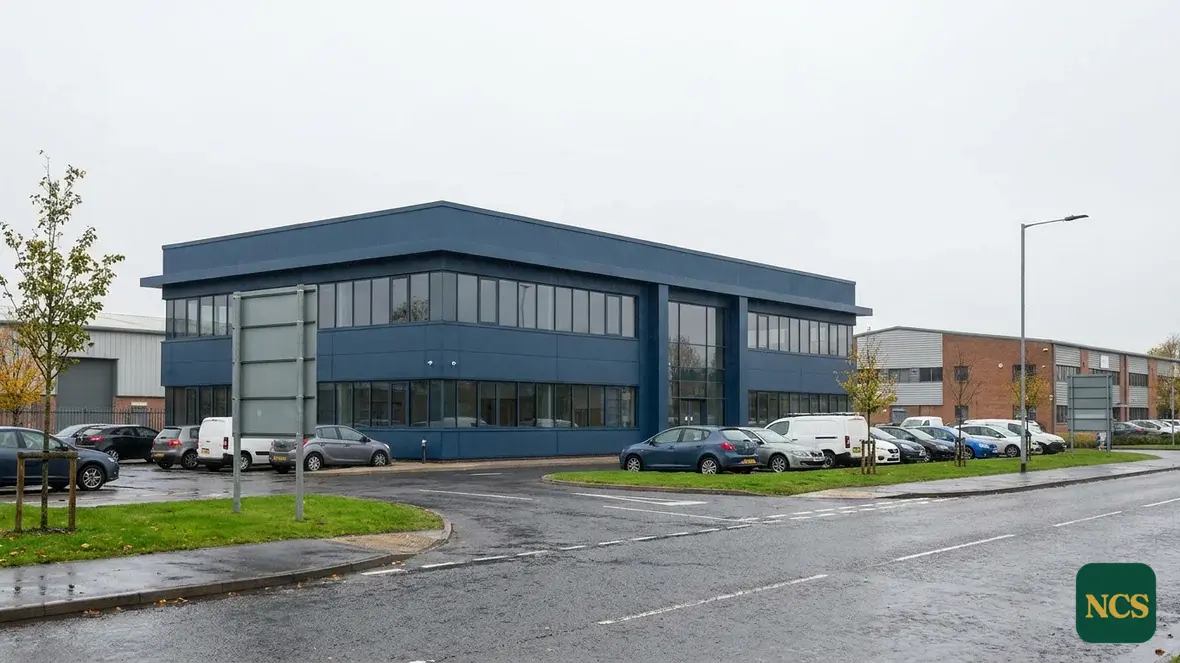
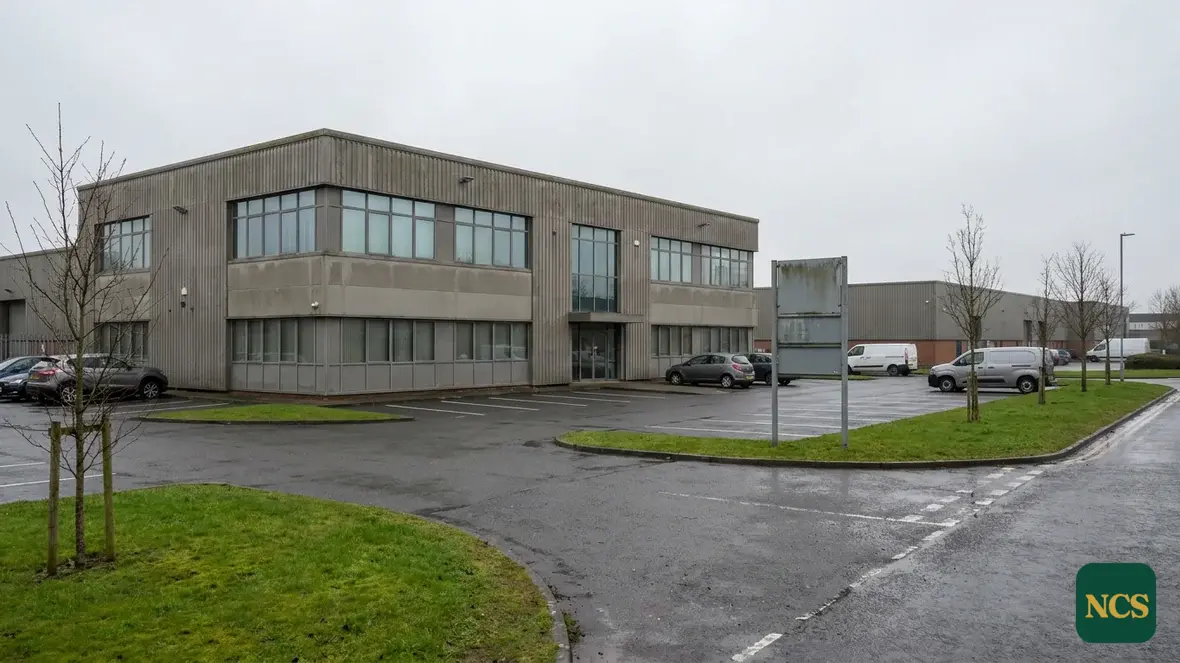
Walk any Lancashire trading estate or industrial park and you’ll see the same story – tired render cracking at the edges, pebbledash losing its grip, and painted surfaces fading under years of northern weather. From Preston’s busy dockside warehouses to the former mill buildings along the M65 corridor, commercial properties face a constant battle against the elements. The county’s mix of coastal salt air, inland rainfall and industrial heritage creates unique challenges for building exteriors.
Lancashire’s commercial building stock
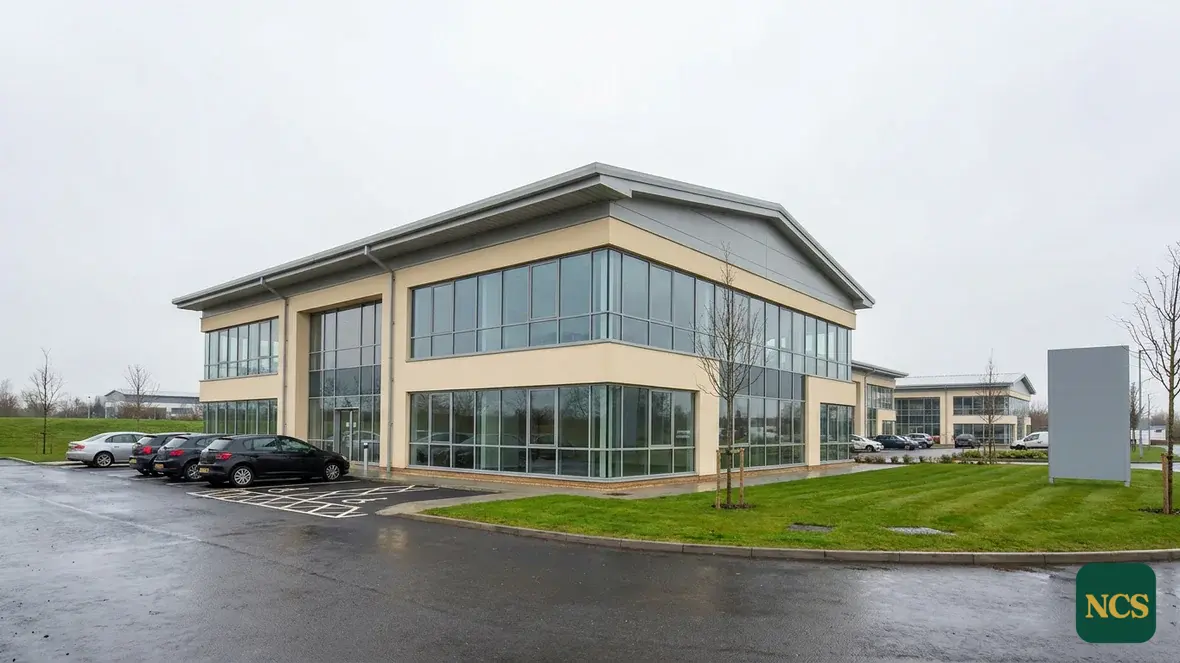
The county’s working buildings fall into clear patterns. Along the M6 and M61 corridors, distribution centres and logistics parks dominate with large expanses of rendered walls. In Blackburn, Accrington and Burnley, converted Victorian mills now house small manufacturers and workshops, their original brickwork often coated in failing render. Agricultural buildings across the Fylde and Ribble Valley show the effects of decades exposed to wind and rain. Even modern retail parks around Chorley and Leyland aren’t immune – their smooth finishes quickly show staining and wear.
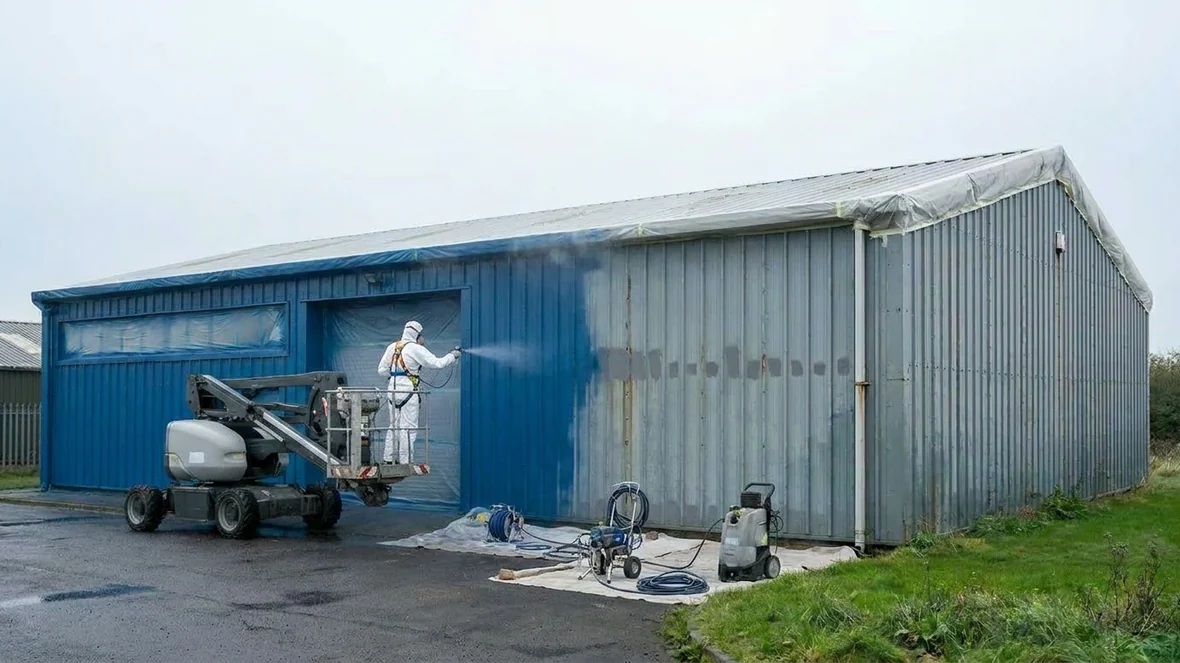
Call it wall coating or exterior commercial painting, the Lancashire jobs that last are the ones where the preparation was honest.
What survey-led wall coating involves
We don’t just slosh paint on. Proper exterior protection starts with understanding what we’re working with. Our surveyors get up close, examining every square metre to identify areas needing repair before we even think about coating. We check for hollow-sounding render, cracked detailing around windows, and any signs of water getting in. Only once we’re sure the underlying structure is sound will we recommend the right coating system.
Repairs that come before coating
Most commercial properties need some remedial work before we apply new coatings. We often see blown patches where render has detached from the wall, cracked corners around doorways, and areas where damp has penetrated behind existing finishes. We have to fix these problems first. No coating will last if we’re just painting over a failing substrate.
Our step-by-step survey process
- We visit the site, look over the whole exterior and pinpoint any problem areas.
- Then we do a detailed inspection of the wall’s condition, using moisture meters and tap testing.
- We give you a report outlining exactly what repairs are needed and what coating options make sense.
- We’ll explain everything clearly, and there’s no obligation to go ahead with us.
Why survey comes before specification
Every building tells a different story. A 1970s concrete panel warehouse in Preston needs a different approach to a converted mill in Burnley. Without a thorough examination, any coating recommendation is just guesswork. Our process ensures our solutions are based on what’s actually there, not just assumptions.
- We offer a free survey of your commercial property, no obligation.
- You’ll get a detailed report on the condition of your walls.
- We’ll give you a clear explanation of any necessary repairs.
- And honest advice on the right coating systems for your building.
Learn more about commercial wall coating or book your free survey.
Recently — July 2026
The starting point is always a proper survey of the sheets, laps, fixings and gutters, written up so you can see the condition for yourself.
A summer survey gives us time to specify and programme the work before the wetter months make access and curing harder.