Guide
Factory Roof Coating: Protecting the Roof Without Stopping Production
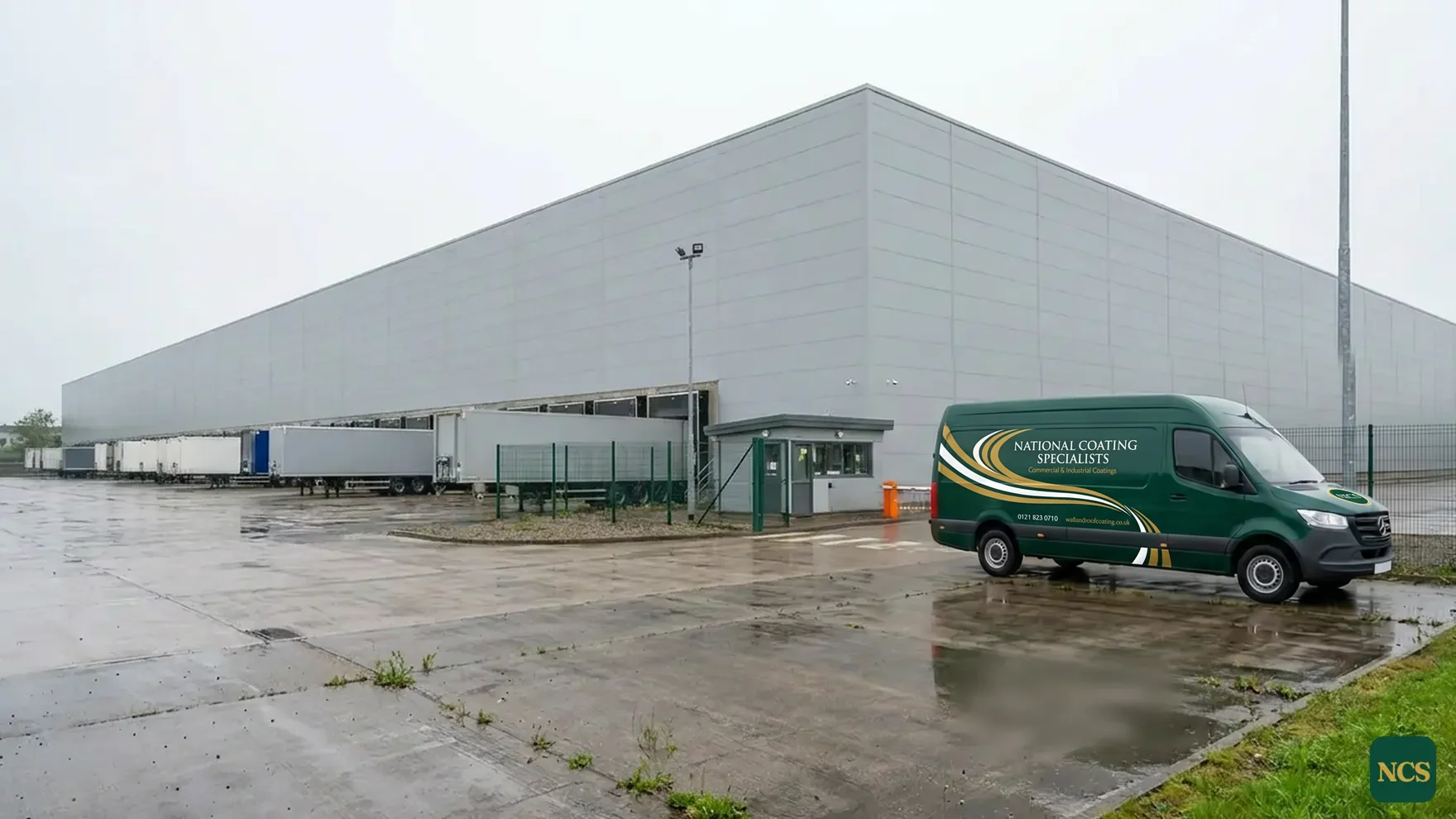
On most factory roofs, stopping production is the expensive part, not the coating itself. Managers often assume a roof refurbishment means shutting the line down for a week, but a factory roof coating can usually be planned so the work moves with your shifts rather than against them. The roof gets protected overhead while the floor below carries on.
What a factory roof coating actually involves
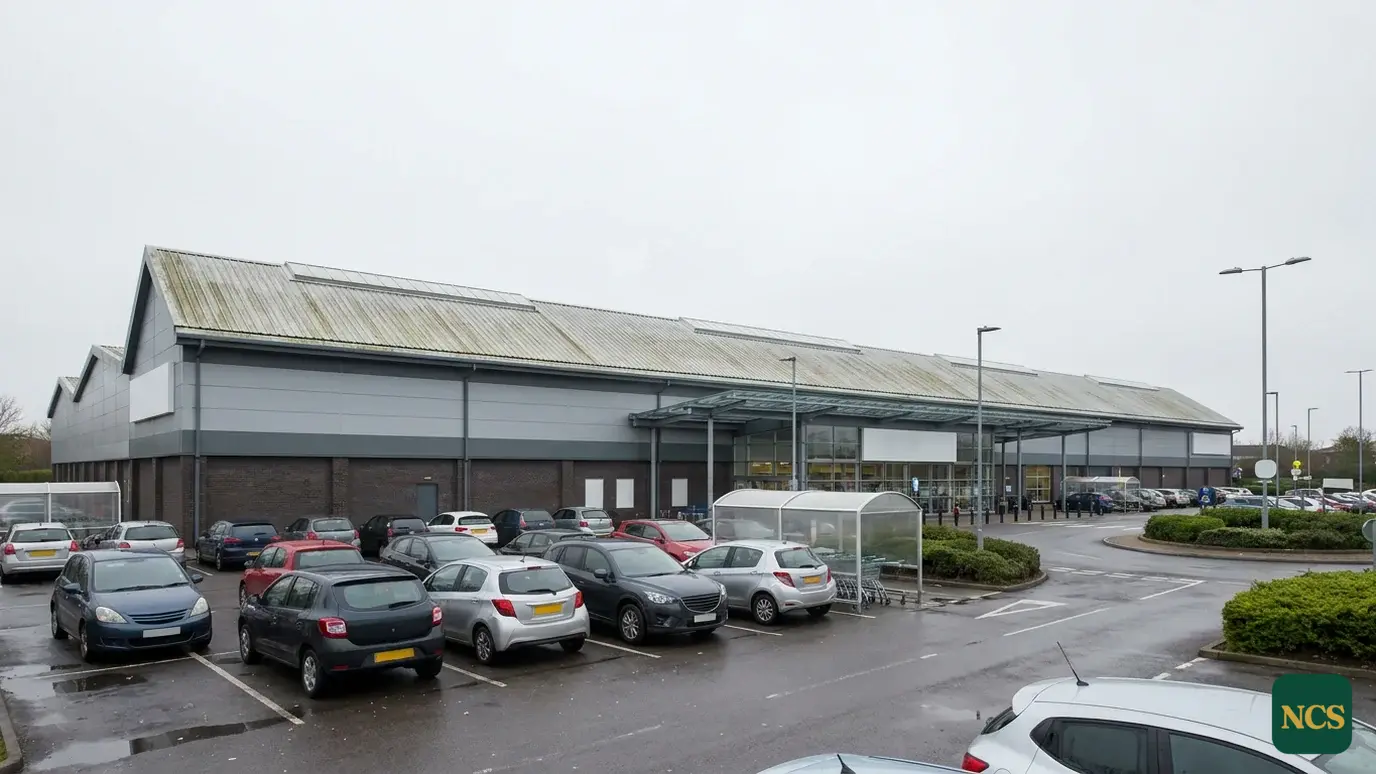
A coating system is not a coat of paint over dirt. On a live site the work runs in a set order: clean down the sheets, treat any cut-edge corrosion and rust bloom, reseal open laps and failing fixings, deal with tired rooflights, then apply the coating itself. Each of those stages can be broken into sections, and that is what makes it possible to keep production running. You are never coating the whole roof in one go, so you are never sitting over the whole building at once.
Surveying a live industrial site
The survey is where a sensible programme is either built or missed. On a working roof the surveyor is checking condition, but also what sits directly below every bay and how people and forklifts move underneath. Fragile sheets, asbestos cement, weak rooflights and buried services all change how the job is sequenced. A good survey tells you which areas can be worked over safely during production and which need the floor cleared or a quiet period.
- Roof sheet type, and whether any of it contains asbestos cement
- Lap condition, fixings and signs of cut-edge corrosion
- Fragility and where safe access and anchor points exist
- Rooflight condition and whether they need overlaying or replacing
- Gutters, outlets and where water currently ponds or leaks
- What operates directly below each bay, and when it is quiet
Phasing the work around production
Phasing means splitting the roof into workable zones and matching each zone to what happens beneath it. Warehousing and storage bays are usually easier to work over than a packing line or a clean area. We tend to start over the lower-risk zones while the survey information is used to schedule the sensitive areas for weekends or planned quiet windows. This keeps a steady programme going without ever forcing the whole site to stop.
Weekend and shutdown working
Some areas cannot be worked over at all while machinery runs, or the risk of any drift reaching product is too high to accept. That is where weekend and shutdown working earns its place. A weekend gives clear access to a critical zone with nobody underneath, and an annual close or a planned maintenance shutdown gives the fastest run at the whole roof. The aim is to reserve those windows for the parts of the roof that genuinely need them, not to default the entire job to overtime.
Controlling dust, odour and overspray
Spraying over a live building only works if nothing lands where it should not. On the roof that means screening and sheeting around the work area, watching wind before any spray starts, and stopping when conditions change. Water-based coatings keep odour low, which matters when air intakes and roof vents feed the floor below. Rooflights and vents get masked so nothing drifts inside, and cleaning debris is contained rather than washed into the gutters. Honest control here is mostly about method and discipline, not a magic product.
Comparing your working options
| Approach | Production impact | Best suited to | Watch-outs |
|---|---|---|---|
| Phased weekday working | Low, work stays over quieter bays | Large sites with flexible floor areas | Longer overall programme |
| Weekend working | None during the working week | Continuous weekday production | Weather dependent, higher labour cost |
| Planned shutdown | Full access, fastest on site | Sites with an annual or maintenance close | Must fit the shutdown calendar |
| Overnight working | Minimal daytime disruption | Sites with genuinely quiet nights | Lighting, noise limits and access |
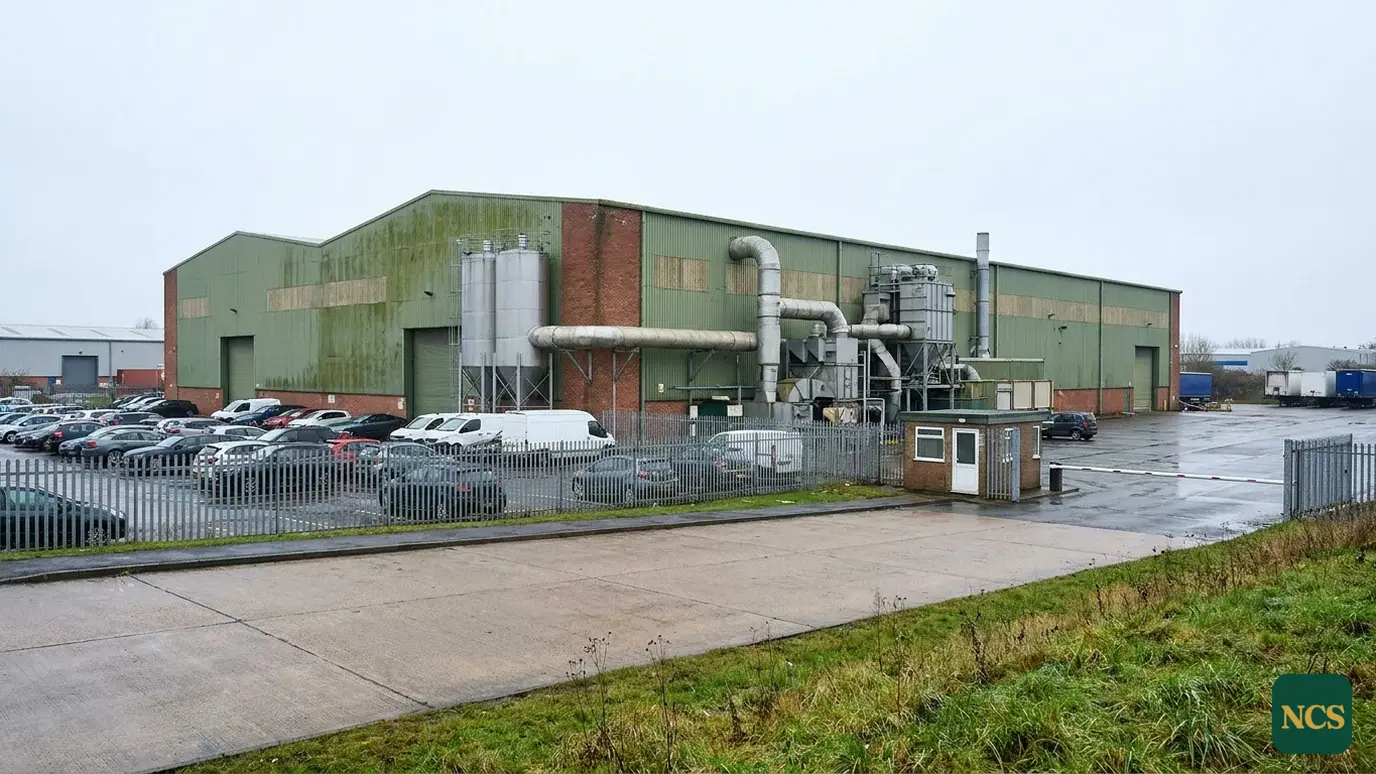
- A factory roof coating can usually be done in sections without a full shutdown.
- The survey decides which zones are worked over during production and which need clearing.
- Weekends and shutdowns are best reserved for the most sensitive areas.
- Dust and odour control on a live site is about method, sheeting and wind checks.
Common questions
Can you coat the roof while we keep working? In most cases yes, by phasing the work over lower-risk areas and moving sensitive zones to quiet periods. The survey confirms what is realistic for your building.
Will the smell reach the production floor? Water-based coatings keep odour low, and vents and intakes near the work are masked, but the survey should flag where air is drawn in so those areas are planned carefully.
What happens if it rains part way through? Work stops and resumes when conditions allow, which is one reason a live-site programme is planned in sections rather than promised as a single fixed date.
If you want the roof protected without the line going quiet, see our roof coatings service and request a free quote so we can survey the site first.
Published by National Coating Specialists • survey-led commercial, industrial & agricultural coatings across the UK.
Accredited, insured & nationwide



Where we work
Sectors and buildings we coat
Survey-led coating, spraying and exterior refurbishment across commercial, industrial and agricultural property in the UK.
Get a free site survey, no obligation
One of our surveyors walks the building, photographs the condition and quotes only what it actually needs. Send us the details and we'll come back with a clear, practical route, not a hard sell.
Book your free site surveyWhat does your building need?
Pick the surface, then the problem. We will point you to the right service.