What cut edge corrosion is and why it shows up on profiled metal roofs around Reading
Cut edge corrosion starts where a profiled steel roofing sheet was trimmed during installation. That exposed metal edge gets battered by the weather. Around Reading, with the rain we get, the bit of industrial air pollution and those temperature swings, that damage really starts to bite. It’s a common problem on buildings put up from the 70s to the early 90s, when plastisol-coated steel was the go-to for commercial and industrial roofs all over the Thames Valley.
The roof stock of Reading – where cut edge corrosion appears
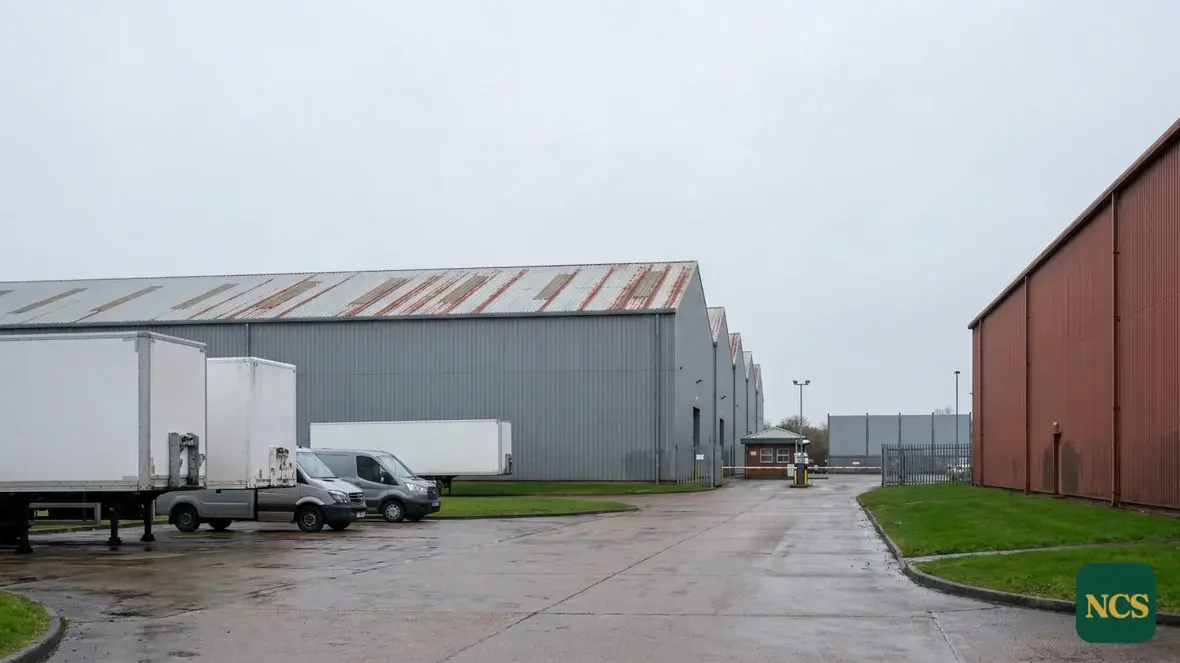
Walk around Reading’s trading estates and business parks and you’ll see thousands of square metres of profiled steel roofs that are getting on a bit. Think the industrial units along Basingstoke Road, the distribution centres out by the M4 junctions, and plenty of the town’s older office blocks. These roofs are usually single-skin trapezoidal steel, originally finished with plastisol or something similar from the factory. After decades of doing their job, those cut edges, around fixings, flashings and perimeter trims, are the first places to show signs of breaking down.
How untreated cut edges turn into leaks and sheet failure
Once that protective coating goes at the cut edge, rust doesn’t just sit there. It creeps underneath the remaining paint, undermining the whole sheet. That’s when the water starts getting in. In Reading’s commercial buildings, you’ll often spot rust streaks down the fascias or a drip inside during a proper downpour. If you leave it, that corrosion will eat through the whole roof sheet. Then you’re looking at tearing off and replacing sheets, which is a much bigger job than sorting the edges.
What proper edge treatment involves
Treating cut edges properly means getting the prep right first. We clean off all the loose rust and knackered coating, then hit it with a corrosion-inhibiting primer. After that, a high-build sealing coat goes on. We usually use a flexible polyurethane or a hybrid polymer. It bridges the vulnerable edge and laps onto the sound coating next to it. What we specify depends entirely on the roof’s condition, how exposed it is, and how long you need it to last. That’s why we survey first, every time.
Our survey-led process
Every single project we do starts with a proper roof survey. We check how bad the corrosion is, test how well the existing coating is stuck on, look for hidden problems like condensation or movement in the building, and sort out access and safety. This groundwork makes sure the treatment we recommend is exactly what your building needs. No over-engineering, no false economies. The survey also flags up any other bits and bobs that need doing to make sure the job lasts.
- Thorough inspection of all roof edges, fixings and flashings
- Coating adhesion tests across representative areas
- Assessment of roof drainage and ventilation
- Identification of any ancillary repairs needed
- Clear photographic record with annotated condition report

Why the survey comes before any specification
Roof condition varies massively. You can have two buildings of the same age, right next door in the same industrial estate, and their roofs will be completely different. That’s down to things like microclimate, what they’re used for, or even just how well they were installed in the first place. If we just spec a treatment without seeing it, we risk either doing work you don’t need, or worse, giving you something that won’t hold up. Our way means Reading businesses get a solution that’s spot on for their actual roof, not just a guess.
For more on cut edge corrosion treatment across the Thames Valley, see our regional overview. To arrange a survey of your Reading property, request a free assessment.
Recently — July 2026
The starting point is always a proper survey of the sheets, laps, fixings and gutters, written up so you can see the condition for yourself.
Dry summer spells are the window for tackling cut-edge corrosion and tired finishes before the autumn rain sets back in.