Why buildings around Reading need cladding restoration
The Thames Valley weather is tough on building exteriors. We’ve seen summer sun bake plastisol coatings until they chalk, while winter rain washes those deposits down over steel panels. It’s that cycle that fades colours and leaves streaks across Reading’s trading estates. You’ll usually spot it worst on the south-facing walls, where the UV really gets to work.
Reading’s coated building stock
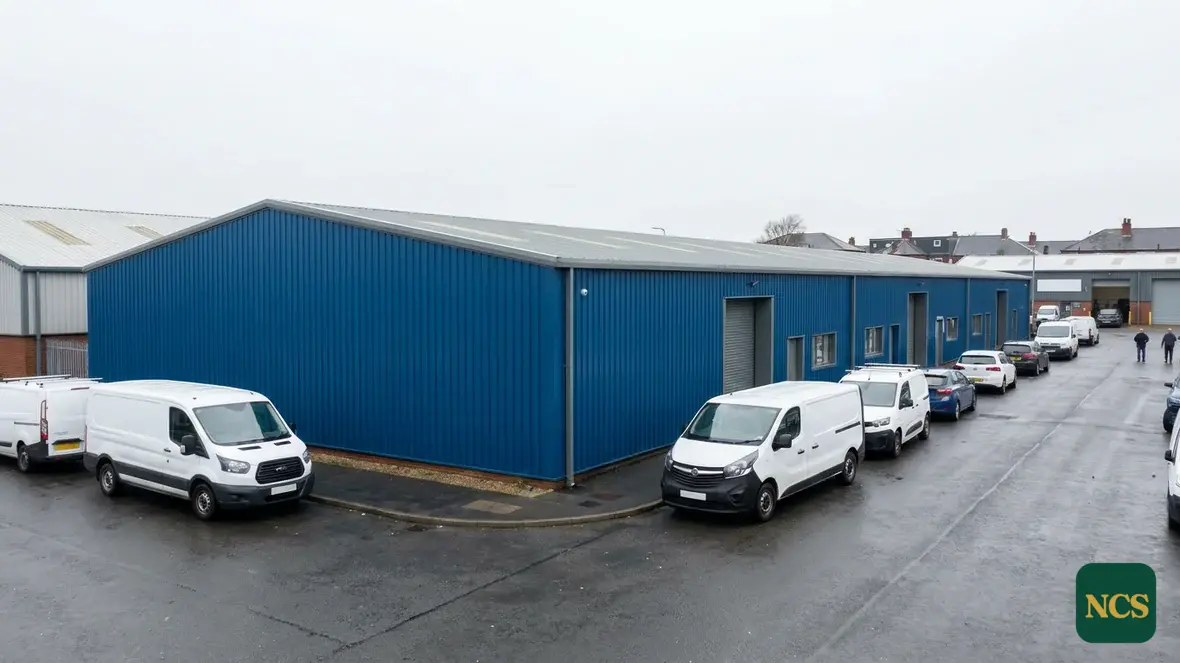
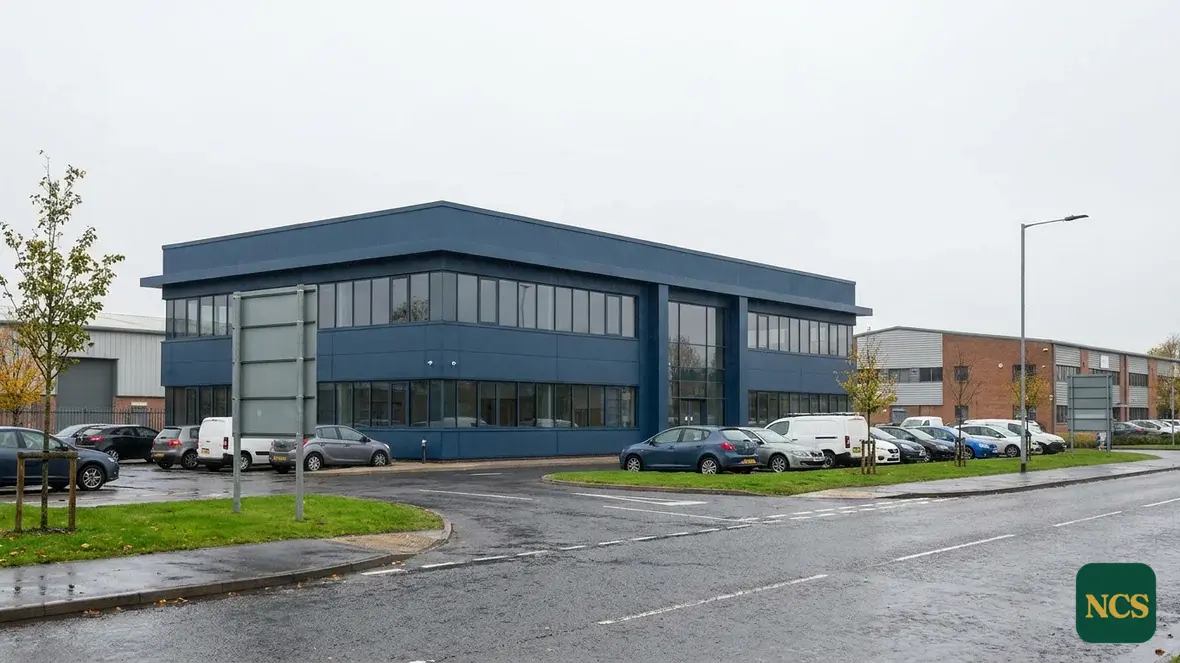
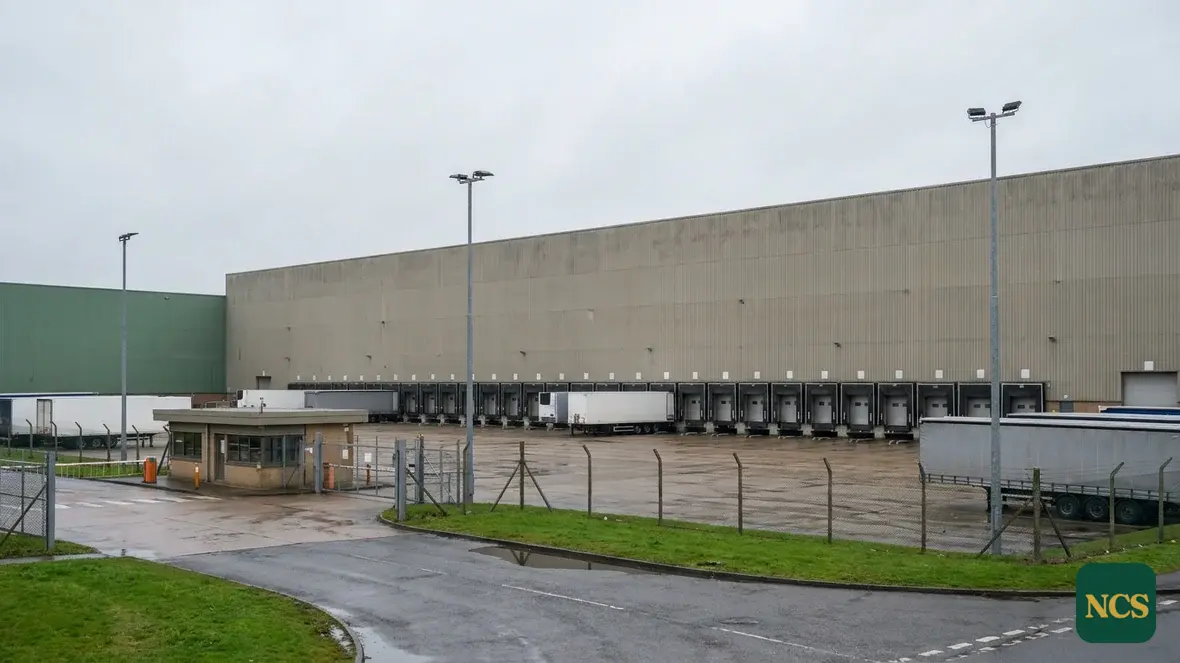
Walk around Reading’s commercial areas and you’ll see plenty of buildings from the seventies and eighties. That’s when profiled steel cladding became standard for warehouses. The long runs of corrugated sheeting on the estates around Basingstoke Road and the M4 junctions are definitely showing their age now. Newer distribution centres near Junction 11 still carry their original factory finishes, but on the older units in Whitley Wood, we often find multiple layers of touch-up paint over failing coatings.
How on-site cladding spraying works
We spray the whole surface in one continuous film, bonding it directly to the existing substrate. First, we clean off any loose material. Then we mask up everything that doesn’t need coating. Our airless spray equipment applies the coating at high pressure, getting right into the troughs of profiled sheets. You get a finish that matches the original factory look, no brush marks or roller stipple.
Addressing edge degradation and panel damage
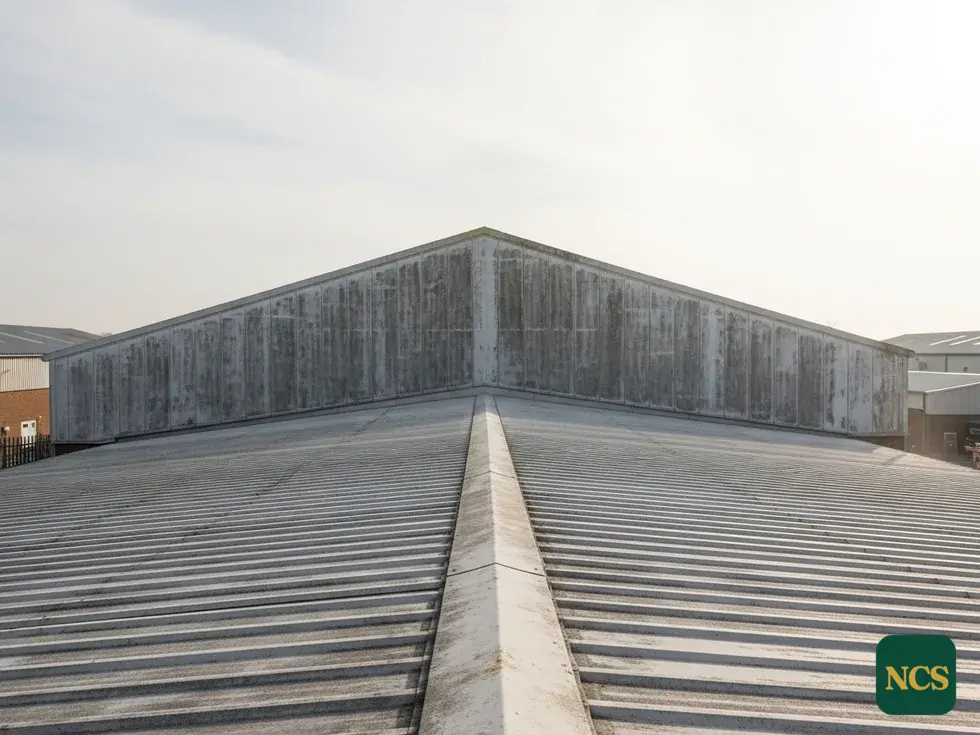
Before we even think about spraying, our survey picks out all the areas that need a mechanical repair. Cut edges, where sheets meet flashings, are common spots for corrosion. We’ll treat those right back to sound metal. Any individual panels with impact damage or oil-canning get marked for replacement. Loose fixings are either tightened up or swapped for oversized fasteners to get the structural integrity back. Only when that’s all sorted do we start recoating.
Our survey-led approach
Every job starts with us getting on site and looking at your building. We walk the perimeter, mapping out the problem areas, testing the coating adhesion on different walls, and checking for any hidden structural issues. That groundwork tells us exactly what prep each section needs before we can spray. It also helps us work out if recoating just one bit would leave an obvious colour mismatch. Sometimes, a full respray is the only way to get it right.
- We’ll assess your building’s cladding condition, no obligation
- We explain exactly what repairs are needed before we recoat
- We’ll tell you straight whether spot treatment or a full respray makes sense
- You get a detailed specification showing what work we propose
Why specification follows survey
Reading’s commercial buildings are all different. A unit on the Richfield Avenue trading estate might need completely different preparation to one near Green Park. We only know what abrasive to use for surface profiling, what coating thickness works best for your panel, or if you need a fungicidal wash, once we’ve seen the building. That survey-first approach stops you paying for work you don’t need, and it means we won’t miss anything critical.
Learn more about our cladding spraying service or book your free site survey.
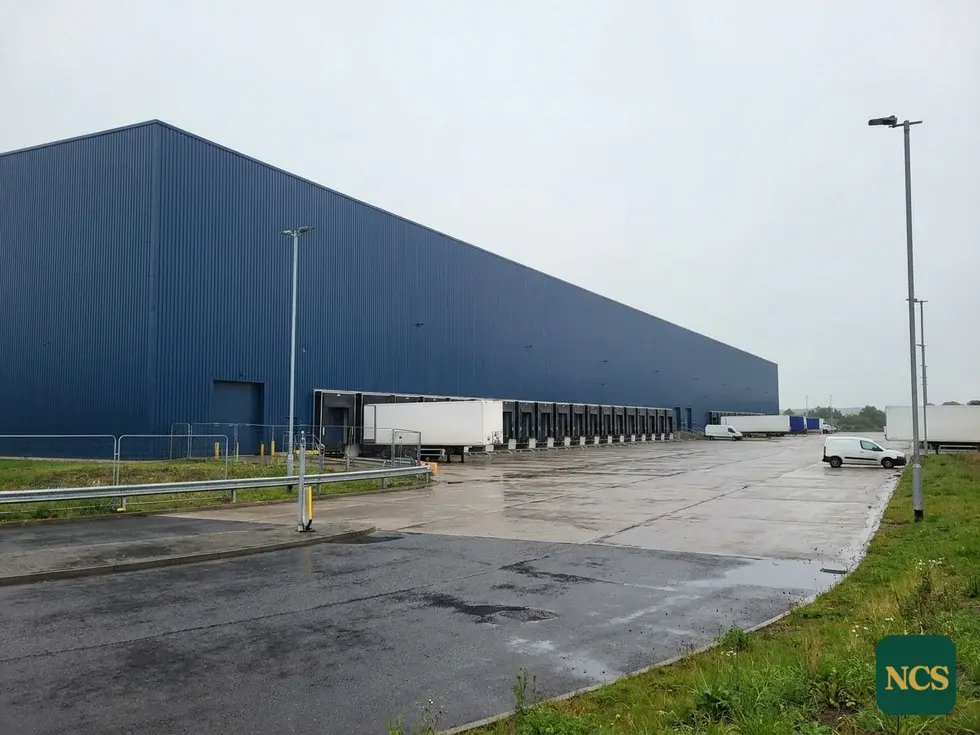
Recent project near Reading
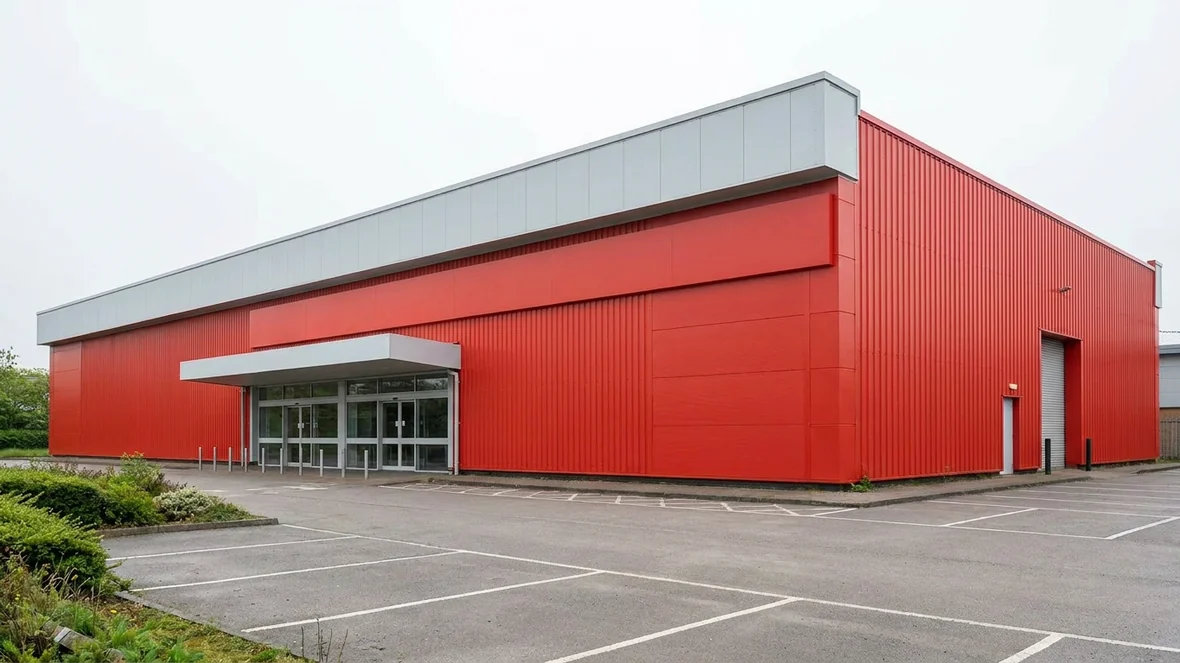
A tired cream retail park unit near Reading washed, repaired and spray coated in poppy red for an incoming tenant, with the park open throughout. Read the full case study.
Recently — July 2026
Recent enquiries here have been a mix of metal industrial roofs, profiled cladding and ageing asbestos-cement sheets, all assessed on a free site survey before anything is specified.
Dry summer spells are the window for tackling cut-edge corrosion and tired finishes before the autumn rain sets back in.