Why clad buildings around Spalding fade, chalk and stain
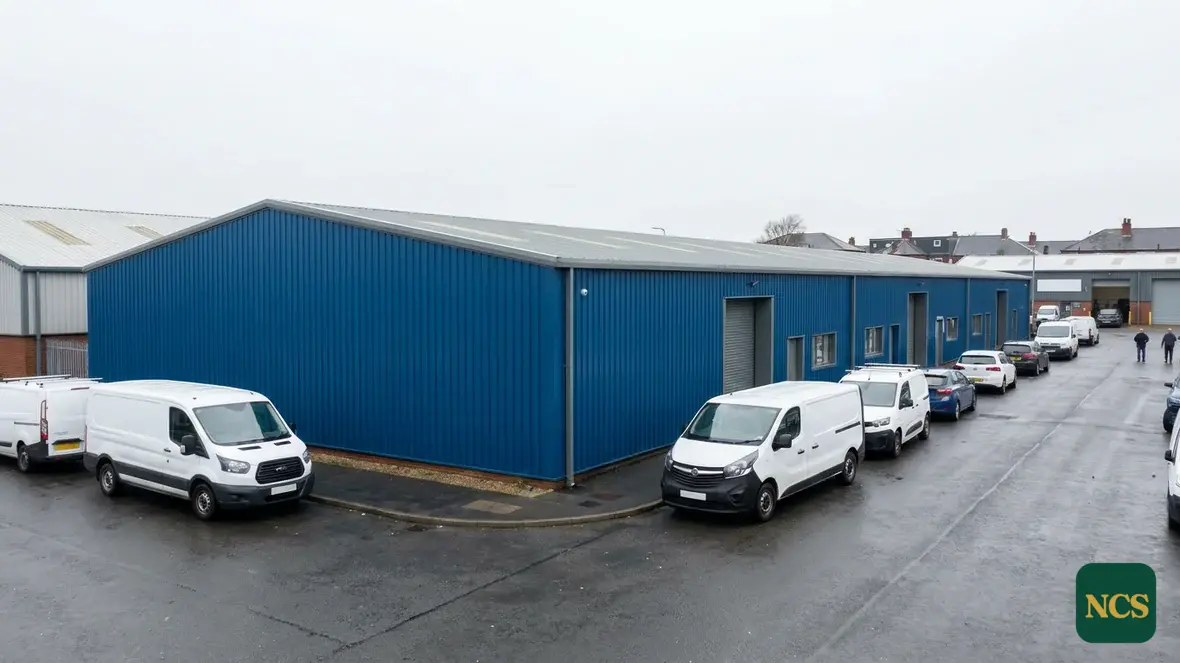
That flat fenland around Spalding leaves industrial and agricultural buildings totally exposed. Plastisol and coated steel cladding on packhouses, cold stores and farm buildings here takes a real beating from driving rain, those thick morning mists off the fields, and the summer sun bouncing off concrete yards. Over time, the protective coating just gives up. You get chalking, which leaves a white residue on dark cladding. Staining streaks down from fixings and seams where water just sits. Fading always hits the south and west faces first, leaving patchy colour.
On-site cladding respraying keeps a Spalding building working while the elevation is brought back, panel by panel.
The clad building stock of Spalding
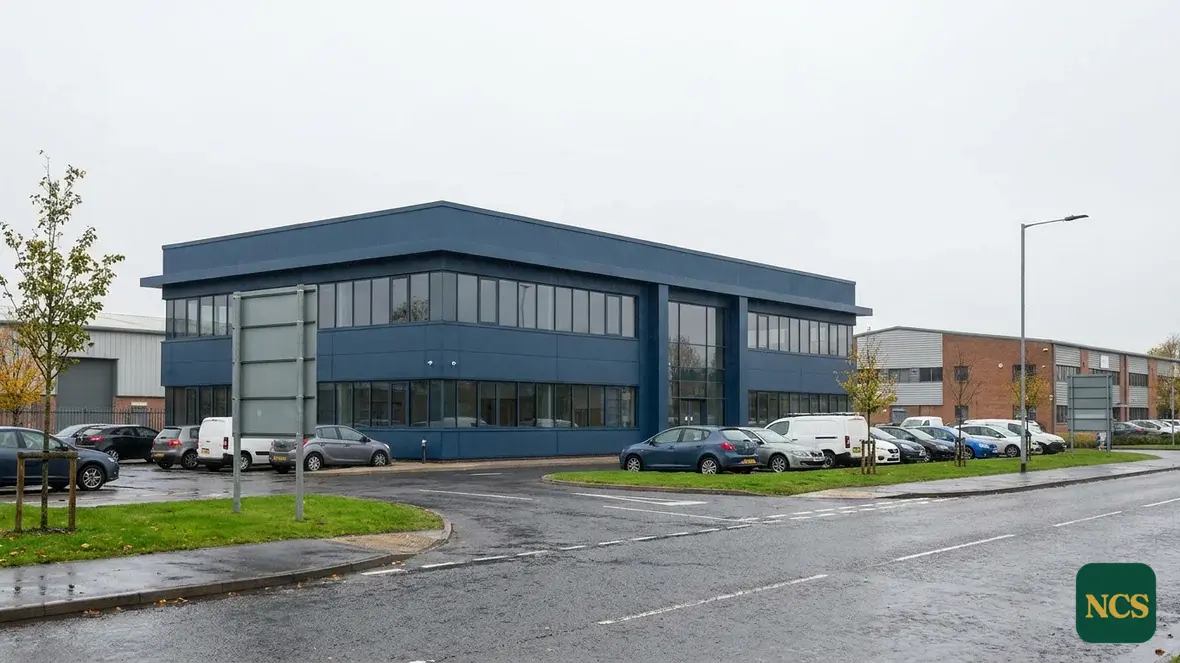
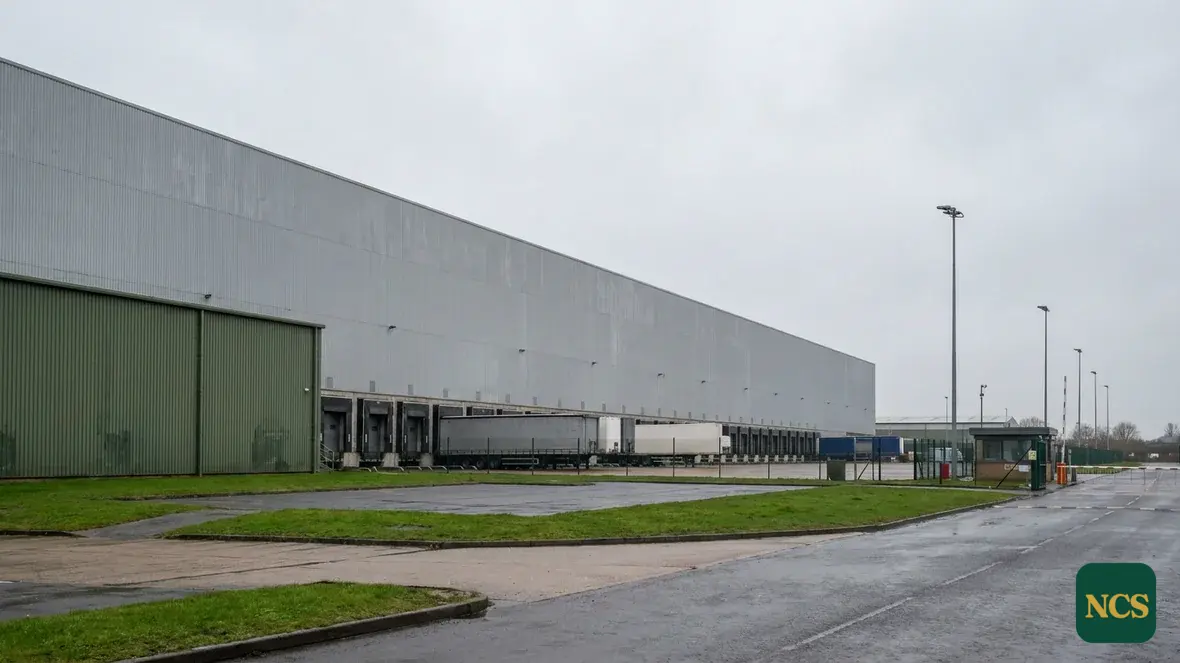
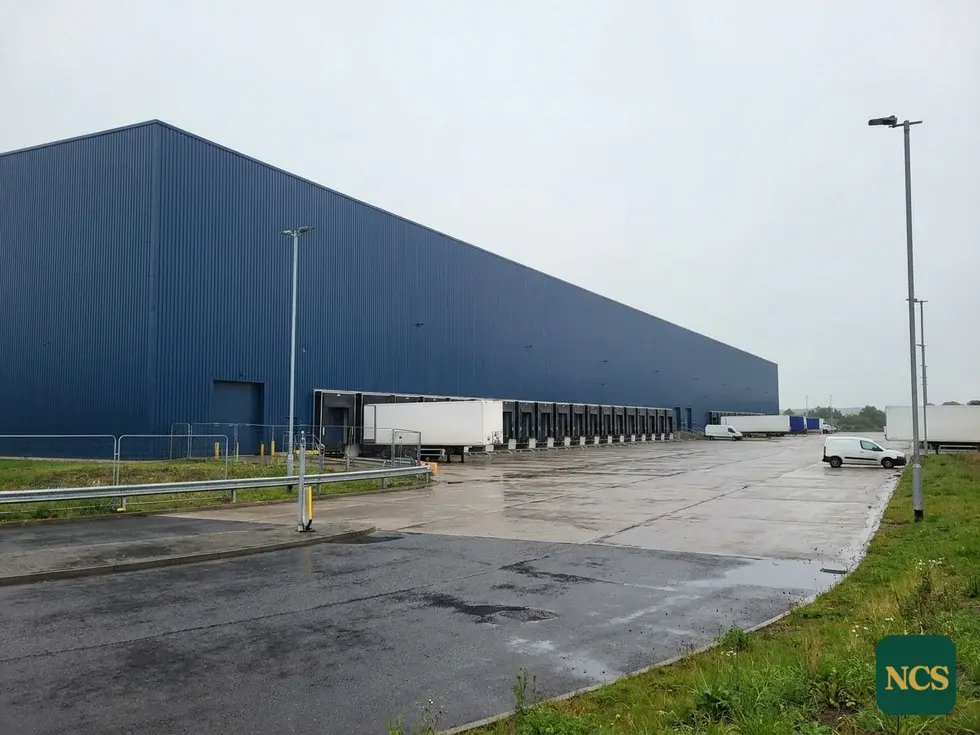
Spalding’s food processing and fresh produce trade means a lot of large, insulated clad units. Trading estates off the A16, places like Wardentree Lane and Pinchbeck Road, are full of distribution warehouses with ribbed steel cladding. Farm buildings across the fens often use cheaper plastisol panels, which you see fading unevenly. A lot of these went up in the last twenty years with cladding that looked smart at the time but really shows its age now. And that salt air from the Wash can absolutely speed up coating breakdown on units closer to the river.
What on-site cladding spraying involves
Spraying over existing cladding seals and recolours the whole building in one hit. Our spray system bonds right to the original coating without us having to strip it back to bare metal. The finish we get matches factory-applied coatings for durability, but you avoid the cost and massive disruption of full recladding. We mask off all your windows, doors and vents before we even start spraying. The result is a uniform colour that hides all the old stains and fading, with no patchiness between the original parts and where we’ve resprayed.
Cut edges, fixings and panel repairs that come first
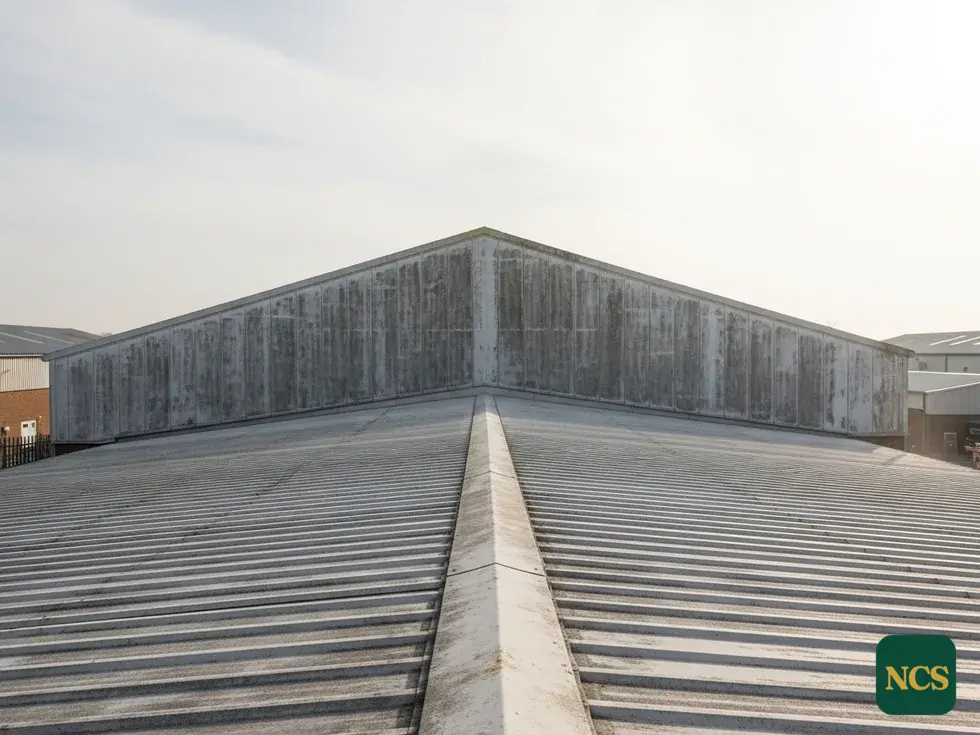
Look, spraying won’t fix underlying problems. Loose or corroded fixings need tightening or replacing first. If panels are properly damaged, you might need partial replacement if the substrate’s actually compromised. Cut edges, where sheets were trimmed on site, are always the first to rust, we treat and seal these before any spraying starts. We check the whole building during the survey and we’ll tell you about any repairs needed to give the respray a sound base to stick to.
Our survey-led process
Every single job starts with a full survey. We walk the building, inside and out, to properly note the panel condition, your fixings, the insulation integrity and the overall soundness of the substrate. This tells us straight whether spraying is actually suitable or if you need repairs first. The survey also lets us check access for our spraying equipment and identifies any areas that need special attention. Only after all that do we specify the work required.
- The survey checks panel condition and pinpoints repairs needed
- We do test patches to confirm coating adhesion
- Preparation involves masking and thorough surface cleaning
- Spray application builds an even, durable finish
- Final inspection makes sure coverage is consistent
Why the survey comes before any specification
Cladding condition varies too much for us to just quote blind. A building that looks perfectly sound from the ground might have hidden issues up at the ridge or eaves level. That survey lets us see the true state of your cladding and recommend the right solution for it. It also helps us plan access and logistics for the spraying work. Until we’ve surveyed, we won’t specify what needs doing. Simple as that.
For more on the cladding spraying process, see our cladding spraying overview. To arrange a survey, request a free quote.
Recently — July 2026
Summer is the steadiest season for exterior coating: longer dry spells mean preparation, application and curing can be programmed with fewer weather delays.
Recent enquiries here have been a mix of metal industrial roofs, profiled cladding and ageing asbestos-cement sheets, all assessed on a free site survey before anything is specified.