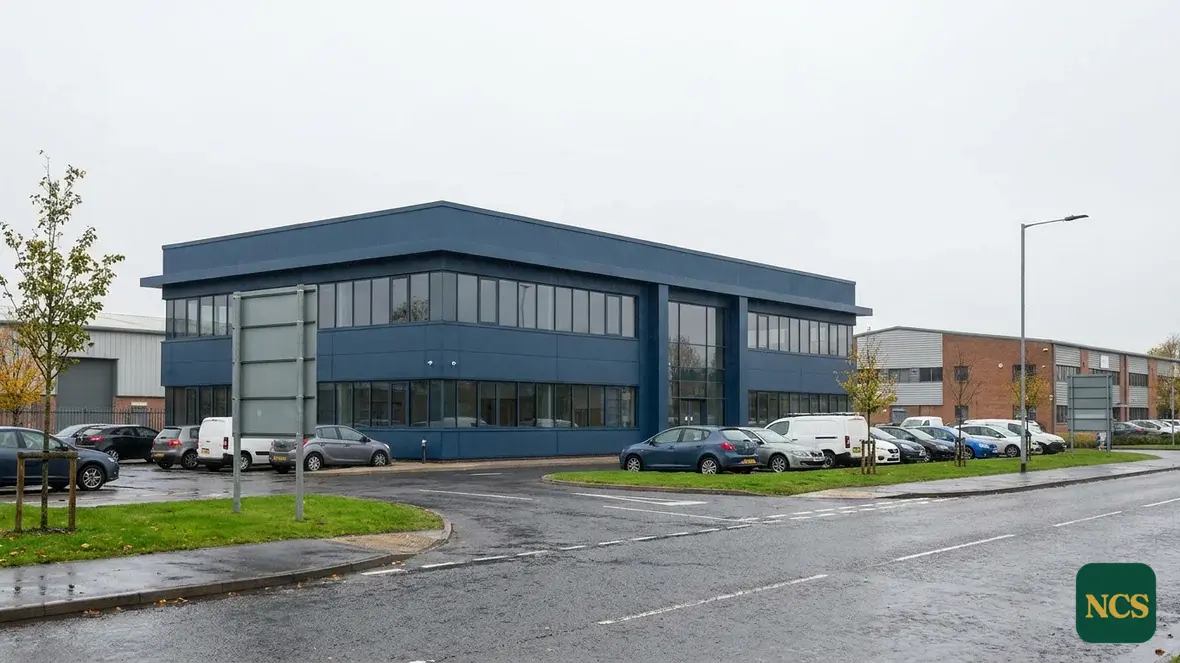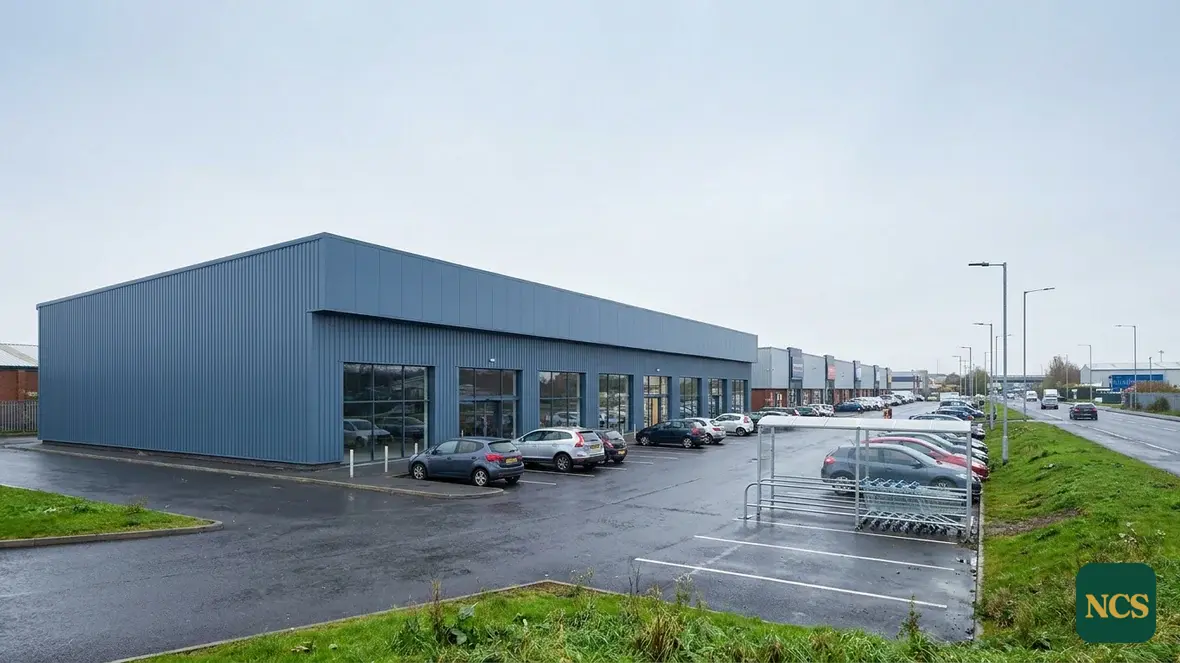
St Albans sits just inside the M25 on the edge of the Hertfordshire commercial belt, with light-industrial estates, trade counters, offices and older commercial premises spread around the city and out towards London Colney and the A1(M). Its roofs and elevations weather, corrode and tire like any others, and National Coating Specialists surveys each one in person before recommending a system.
We cover the whole exterior envelope, and the sections below set out each of our services for St Albans buildings specifically, so the full picture sits in one place. Everything begins with a free site survey and a written, photographed report.
St Albans buildings and how they weather
St Albans is more mixed than the big distribution towns to its north. The commercial stock ranges from flat-roofed offices and rendered frontages around the historic core to profiled-metal trade and industrial units on the estates towards London Colney and Hatfield Road, with retail, storage and distribution buildings serving the M25 and M1 corridors. That variety means no two surveys here look the same.
Sitting inland and inside the M25, the buildings are worked on by frost, wind-driven rain, moss and tree debris rather than sea salt. On the metal roofs it is the cut edges and fixings that fail first; on the many rendered and masonry frontages it is cracking and damp ingress. Two units on the same estate can be in totally different condition even when they are the same age, so we carry no standard specification into St Albans. The system, the preparation and the programme are decided after the survey, matched to the individual roof or elevation and to how the building is used day to day.
Commercial roof coating in St Albans
Commercial roofs across the city range from felt and single-ply on offices and shops to profiled metal on the trade estates, and you still see plenty of fibre cement on older premises. Where the structure is sound, a commercial roof coating puts the weather protection back without scaffolding, skips and weeks of closure, at a fraction of the cost of replacement.
The survey decides it. We get on the roof and check the surface, laps, fixings, flashings, rooflights and drainage, with moisture checks on flat sections because trapped water ruins a coating from below. You get a clear written verdict: coat it, repair it then coat it, or do not coat it at all.
Commercial wall coating in St Albans
Commercial premises here are usually client-facing: offices, clinics, showrooms and professional frontages where the state of the building gets read, fairly or not, as the state of the business. A commercial wall coating protects the elevation from Hertfordshire weather and keeps that frontage working for the firm inside.
The stock runs from older brick and rendered frontages around the historic core through inter-war parades to modern business-park units, and every generation of building fails in its own way. Older brick needs to breathe, render cracks and lets water in behind it, and modern masonry suffers at movement joints and under old quick-fix coatings that are now letting go. The only genuinely cheap version of this job is the one you do not have to repeat, and that is decided at the survey stage, not once the scaffold is up.
A good share of St Albans enquiries start with a search for commercial painters in St Albans, and for exterior painting on business premises that is exactly the work we do: render and masonry made good first, then a sprayed system that outlasts a brush applied repaint.
Cladding spraying in St Albans
Along the M1 and M25 corridors the typical candidates are business-park offices with powder-coated framing and rainscreen details, trade and retail units in profiled steel, and warehouses in composite panel. Hertfordshire’s clad stock is younger than the industrial north’s, so the usual complaint is appearance rather than crisis: uneven fading between elevations, chalking, staining under gutter lines and early cut-edge corrosion that has not yet done structural harm. That is the ideal window for cladding spraying.
Colour change is as common a reason to call as weathering. New occupiers and rebrands can move a building to a completely different scheme during the same visit, with glazing, signage, paving and parked vehicles fully masked and elevations phased around trading hours.
Whether you call it cladding painting or cladding spraying, the St Albans jobs that last are the ones where the panels were washed back and the cut edges treated first.
Industrial roof coating in St Albans
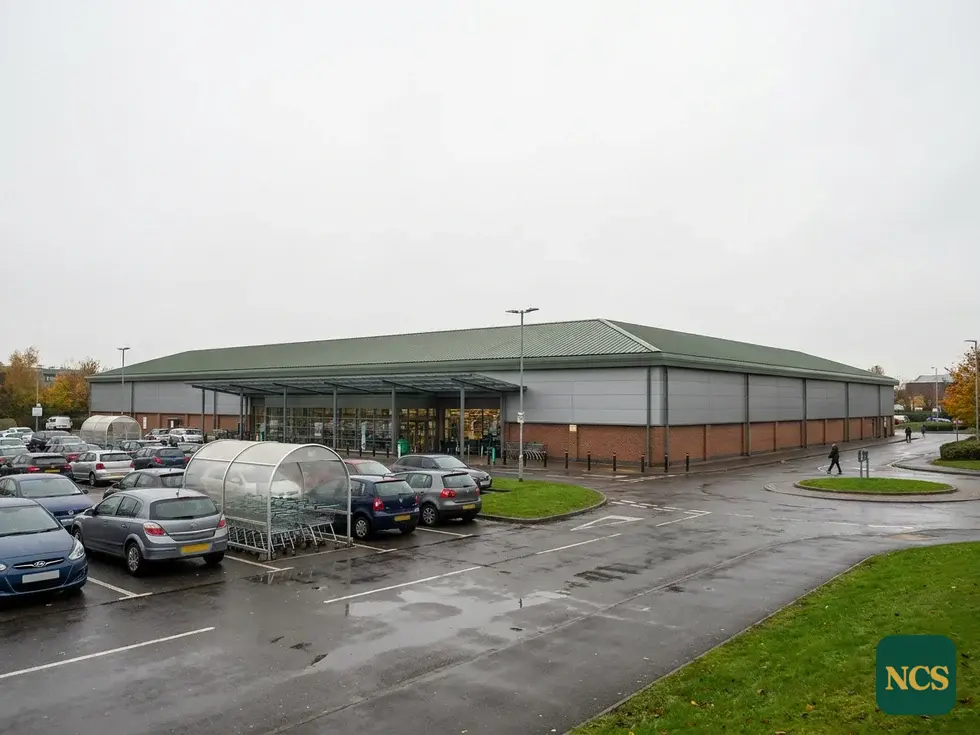
St Albans sits in one of the busiest logistics belts in the country, ringed by the M25, M1 and A1(M), and its trading estates hold distribution units, workshops and light-industrial space serving London and the Home Counties. Many of those roofs are profiled metal laid decades ago, now showing late-life faults at the surface while the structure underneath remains perfectly serviceable. An industrial roof coating is applied externally to the prepared existing roof, so the occupier trades underneath throughout.
For managed and let buildings there is a second driver: roof condition feeds into lease events, dilapidations discussions and asset valuations. A documented, professionally coated roof is a far easier conversation than a patched one with a leak history.
Much of this roof work reaches us as enquiries for industrial painting contractors, and the approach is the same either way: the survey decides the system before anyone quotes.
Cut edge corrosion treatment in St Albans
On the metal roofs around the city, the cut edges and fastener seals corrode first, letting rust track back under the laps. It is not usually the huge sheds at risk here but the everyday commercial buildings: light-industrial units, trade counters, depots and business-park offices, many of them let, managed at a distance and rarely inspected. That is exactly how a treatable edge defect quietly grows into a re-roofing bill, and it tends to surface at the worst moments, flagged by a tenant’s surveyor during dilapidations, a buyer’s inspection during a sale, or an insurer asking questions after a leak.
Cut edge corrosion treatment prepares the corroded edges back to sound steel, primes them and seals the lap zones with a flexible waterproof system. It is often the most valuable single job on an otherwise sound St Albans roof, and it is commonly carried out alongside a full roof coating in one visit so the access is paid for once.
Asbestos roof encapsulation in St Albans
Out on the trading estates, tucked behind the High Street and on the farms around the city, corrugated asbestos cement roofs are still common. Regulation 4 of the Control of Asbestos Regulations 2012 puts the duty to manage on whoever controls a non-domestic building, and the roof is often the biggest asbestos item on the whole site. The regulation does not say the roof must come off; it says the material must be kept safe and managed.
Where the sheets are structurally sound, asbestos roof encapsulation is a recognised way to meet that duty: controlled wet cleaning, repairs to flashings and fixings, then a flexible coating that binds the fibres and makes the roof weathertight again. Where sheets are brittle, delaminating or extensively cracked, that is removal work, and we say so in writing rather than coating over a problem.
Agricultural building coating around St Albans
The land around St Albans is classic commuter-belt arable: cereal fields dotted with modern grain stores, machinery sheds and the odd older brick-and-steel barn. Most of the roofs we survey out here are profiled steel or fibre cement, and the failure pattern is familiar: coatings chalk away, laps open up, and rust creeps out from the fixings. An agricultural building coating buys real service life on a sound roof, but the harvest calendar sets the schedule. A grain store full of wheat in August cannot be washed down and recoated, so the sensible window is the quieter spring stretch, when the store is empty, swept and dry.
Coat, repair or replace across St Albans
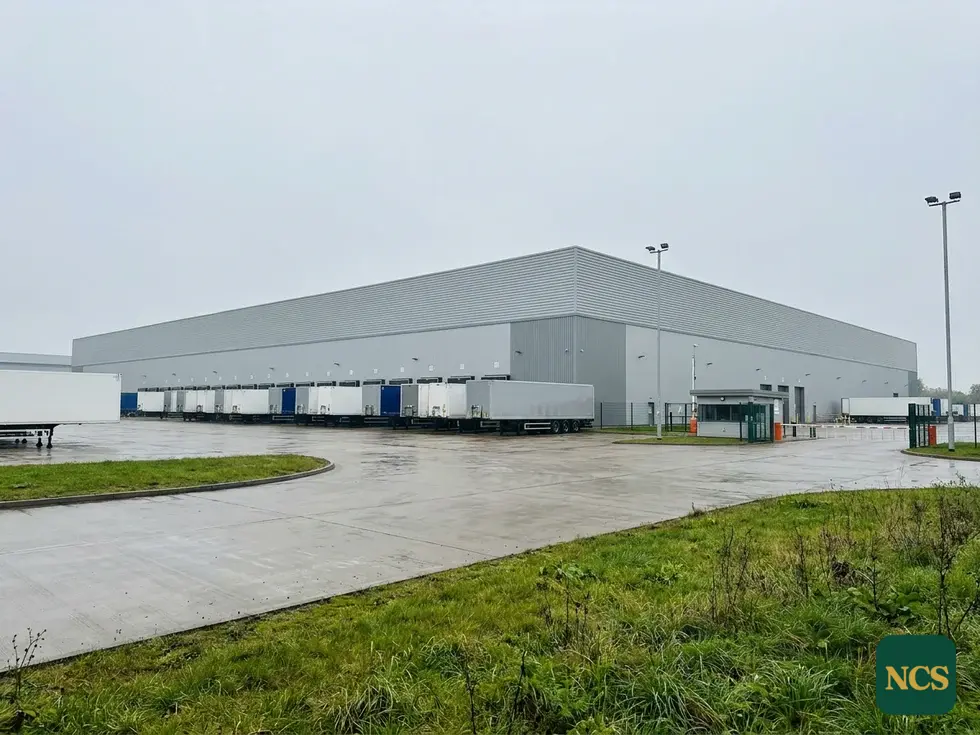
St Albans has a broad mix of buildings, so the coat, repair or replace call is made building by building rather than by rule of thumb. On a sound office or trade-unit roof with edge and fixing corrosion, a survey-led coating is often the right, low-disruption route; on a rendered frontage, wall coatings restore and protect the surface in place. Where a roof or wall has genuinely failed, we say so and set out repair or replacement rather than hiding the problem under a finish. The written, photographed report lays the routes out clearly so an owner or managing agent can decide with the full picture in front of them.
Recent projects from the same team
Our case studies show how this work runs on real buildings, photographed from survey to handover. On the commercial side, the cladding respray at a retail park in Reading covers the same kind of trade and retail stock as the St Albans estates. For the industrial units, the roof coating on a distribution warehouse in Huddersfield shows a live-site programme phased around the operation below.
Booking a coating survey in St Albans
To arrange a survey, tell us the building type, its location around the city or the London Colney and Hatfield Road estates, the surface and the visible issue. Photographs help us judge the next step before a surveyor visits, gets on the roof and writes up what the building needs. The survey is free and carries no obligation.
St Albans is part of our wider Hertfordshire coverage, so the same team also reaches Watford, Hemel Hempstead, Hatfield, Luton and Welwyn Garden City. See the Hertfordshire coating hub for the county picture, or pick the service closest to your building:
Recently — July 2026
Summer is the steadiest season for exterior coating: longer dry spells mean preparation, application and curing can be programmed with fewer weather delays.
A survey gives you a written read on the actual condition of the roof or walls and the route we would take, with no obligation to go ahead.