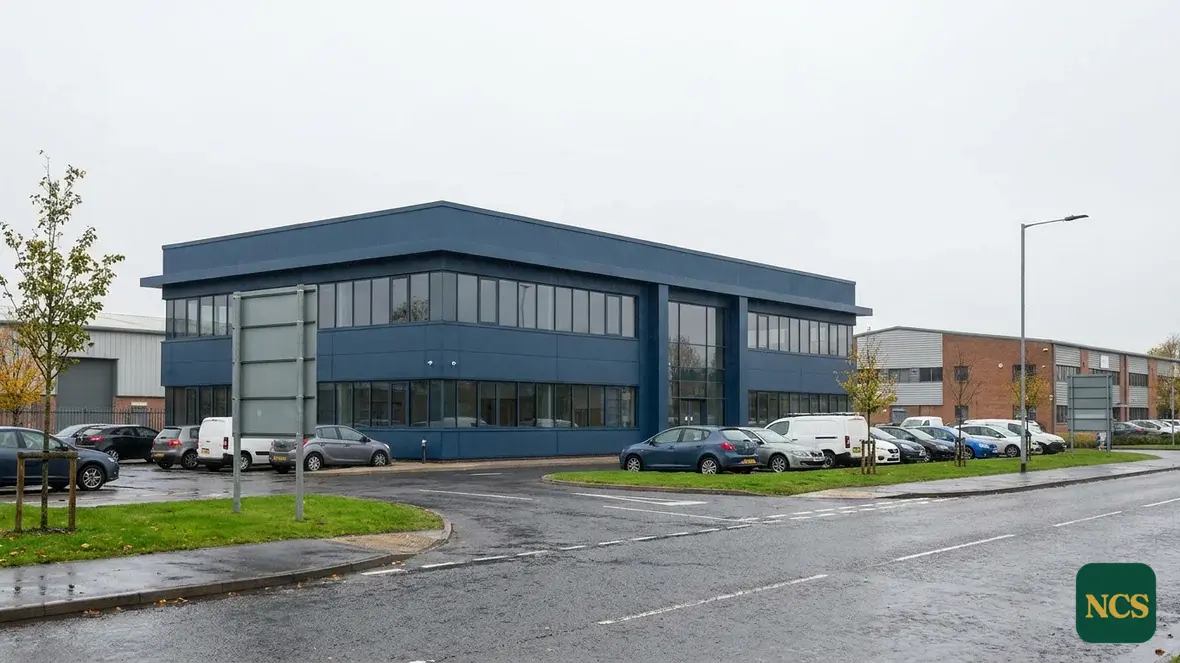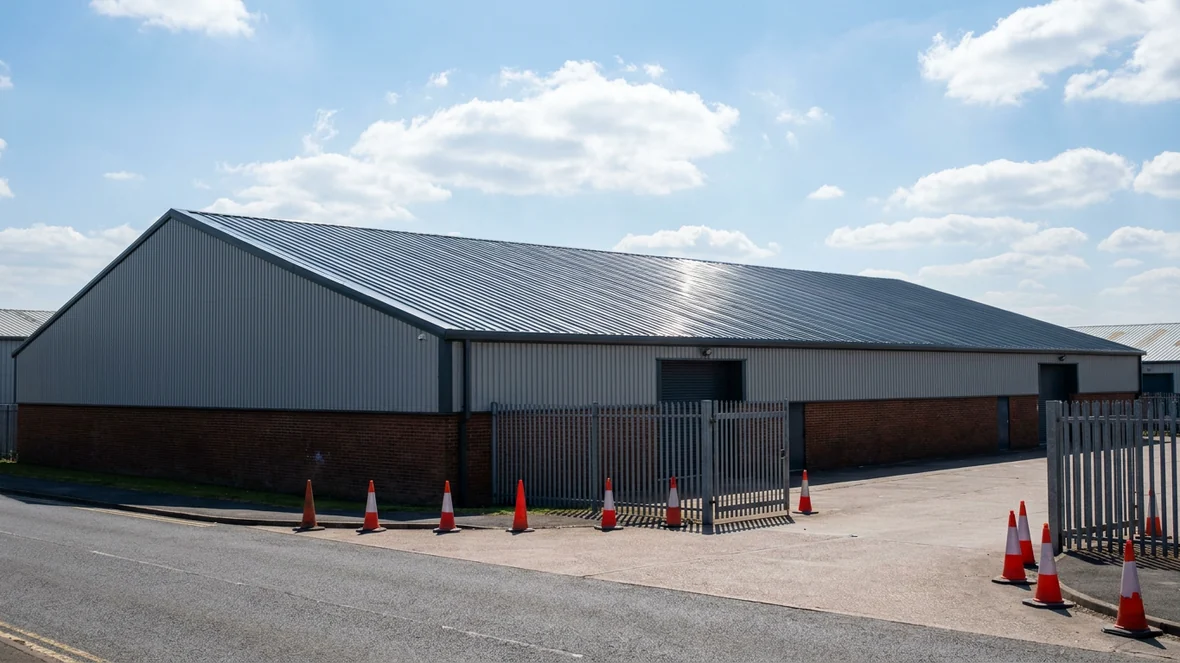
Salt sets the agenda for buildings along this stretch of the Essex coast. The Thames Estuary gives Southend-on-Sea a coating climate closer to the open coast than to London: salt-carrying air, driving rain off the water and long damp spells reach the seafront hotels, the town-centre parades and the trading estates along the A127 alike, and they push corrosion and weathering along faster than an identical building inland would suffer.
National Coating Specialists surveys each building in person before recommending anything. The sections below set out each of our services for Southend-on-Sea buildings specifically, so the whole exterior envelope sits in one place, and everything starts with a free site survey and a written, photographed report.
Southend-on-Sea buildings and how the estuary weathers them
The commercial mix here is varied: retail, leisure and hospitality premises towards the seafront with painted render that takes the full force of the weather, post-war parades with flats above rendered or pebbledashed shops, trading estates and workshop units further inland, and business areas around the airport. In broad terms the roofs above them fall into familiar categories: profiled steel on the industrial units, older asbestos cement on some of the workshops and garage blocks, and felt, asphalt or single-ply flat roofs over retail and office space.
Salt in the air attacks bare steel wherever the factory finish is broken, keeps metal damp at lower humidity and speeds the corrosion reaction itself, so cut edges, fixings and lap joints show trouble noticeably earlier in their life here. Coastal exposure punishes shortcuts, which is why the specification has to come from an inspection rather than a rate card.
Commercial roof coating in Southend-on-Sea
A commercial roof coating here is most often a response to what salt-laden estuary air does to profiled metal over time: cut-edge corrosion creeping in from the laps, factory finishes chalking and peeling, rust staining around fixings. A properly specified liquid system stops that decay and extends the working life of a roof that is still sound underneath, and that qualifier matters: coating is a refurbishment method, not a cure-all.
We do not price a roof from a postcode and a satellite image. A surveyor accesses the roof safely and records the substrate, the cut edges and laps, ponding and seam failure on flat sections, evidence of moisture below the surface, and any repairs needed before a coating could be applied.
Commercial wall coating in Southend-on-Sea
A commercial wall coating on the coast is a different job from the same work inland. Salt, wind-driven rain and long stretches of summer sun attack painted and rendered elevations faster here, and a system specified without accounting for that chalks, cracks or peels well before it should. Most enquiries come down to one of three things: an elevation hurting first impressions with customers or tenants, render cracking and starting to let water through, or a repainting cycle the owner wants to stretch.
Sometimes the honest answer is that a coating is not the fix. Blown render needs re-rendering, a wall saturated by a leaking gutter or bridged damp-proof course needs the source dealt with first, and live movement reopens filled cracks. We take moisture readings across each elevation, check adhesion and map the cracking before recommending anything.
Round here the search is usually for commercial painters in Southend-on-Sea, and the seafront weather is exactly why exterior painting on its own falls short: the wall needs repairing and priming before any finish will hold.
Cladding spraying in Southend-on-Sea
Cladding here fades long before it fails. Cladding spraying brings the colour back to profiled steel, composite panels and curtain walling on site, without stripping a sheet, at a fraction of the disruption of recladding. Estuary air speeds up the two problems we see most, chalking of the original factory finish and cut-edge corrosion creeping under the laps, and both are treatable when caught early.
It is not just wall panels either. Flashings, gutters, fascias, roller shutters and roof sheets all take the same weathering, and bringing them into the same scope means the building finishes as one rather than a fresh wall framed by tired trims.
Cladding painting by the estuary is unforgiving of shortcuts, so the panels are washed back and the cut edges treated before any Southend-on-Sea respray is priced.
Industrial roof coating in Southend-on-Sea
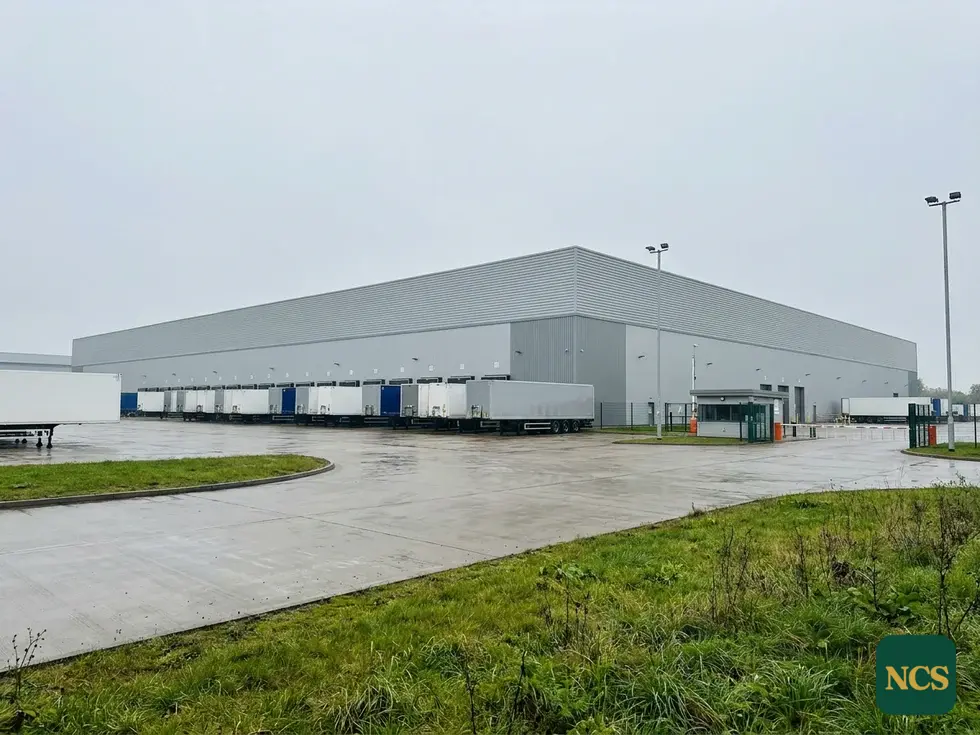
The industrial buildings here are mostly mid-sized: trading estates, workshops, storage and light manufacturing strung along the A127 corridor, with a few bigger sheds dotted about. Their structural steel usually has plenty of life left; it is the surface that gives up early, and the surface is what an industrial roof coating renews. The work happens from outside, so units stay occupied and trading throughout.
Surveys on roofs of this age and location keep turning up the same shortlist: cut-edge corrosion at laps, eaves and ridges, rusting fixings and perished washers, brittle rooflights, failed lap sealant, and blocked or back-falling gutters causing leaks that get blamed on the roof itself. Every one of these is put right before any coating goes on, because preparation and repair are most of the job.
Enquiries for industrial painting contractors land with the same crews, and the survey still comes first: system choice follows the condition of the sheets, not the other way round.
Cut edge corrosion treatment in Southend-on-Sea
Every coated steel sheet ends in a cut, and at the eaves and in the overlaps those exposed ends sit in held moisture for weeks at a time. Rust forms on the bare edge, burrows back beneath the factory coating, breaks its adhesion and exposes more steel, which is why the failure always spreads and why estuary buildings show it early. If your gutters carry rust stains, the trouble is up at the cut edges, and dealing with it early decides whether you keep this roof or replace it.
While the corrosion is confined to the edge zone, cut edge corrosion treatment stops it: preparation back to clean steel, a rust-inhibiting primer, then a flexible seal bridging the lap and the sheet end. Owners who act at the rust-stain stage keep their existing roof; owners who wait generally end up buying parts of a new one.
Asbestos roof encapsulation in Southend-on-Sea
Drive around the industrial estates and older commercial areas and you still see plenty of grey corrugated asbestos cement: on units near the estuary, storage buildings, workshops and garage blocks behind older premises. Damp, salt-tinged air speeds up the surface erosion that makes ageing cement dangerous, and asbestos roof encapsulation halts it: controlled wet cleaning, repairs to fixings and flashings, then a flexible coating that locks the fibres in and makes the roof watertight again.
The duty to manage under the Control of Asbestos Regulations 2012 asks you to keep the material safe and have a plan, not necessarily to remove it, and encapsulating a sound roof is a recognised way to comply at far less cost and disruption than a strip-and-replace. Brittle, delaminating or badly cracked sheets get a removal recommendation in writing instead, and higher-risk materials such as insulation board are licensed-contractor territory.
Agricultural building coating around Southend-on-Sea
Head inland and you are into prime Essex arable land: big fields, big grain stores, machinery sheds and general-purpose barns, with livestock on some mixed holdings. Their roofs are mostly profiled steel or fibre cement, and the estuary position means salt-laden, wind-driven weather that hammers older sheeting at the laps, ridges and fixings. An agricultural building coating slows surface corrosion on fundamentally sound metal and seals light weathering; perforated sheets, failed fixings and cracked, brittle fibre cement are repair or replacement jobs, and we will not paint over them just to get the work.
The grain store dictates everything on these farms: it needs to be clean, dry and ready before harvest, which makes late spring the ideal window for roof, gutter and coating work while the building is empty. We plan around that calendar and around drilling, so the work helps the farm rather than getting in its way.
Coat, repair or replace across Southend-on-Sea
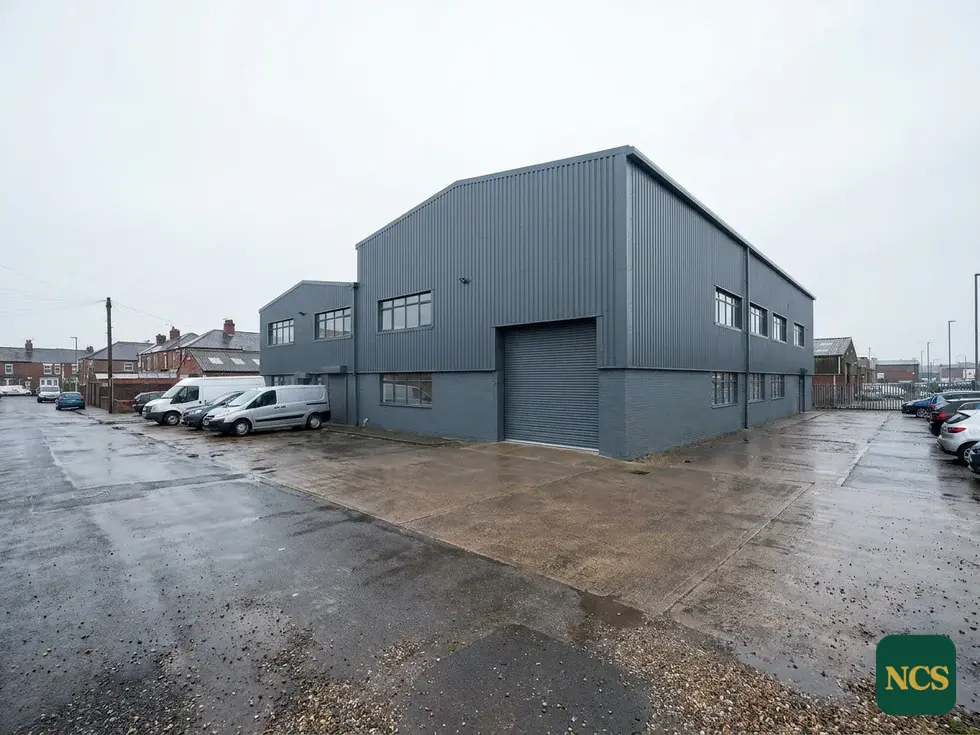
Coastal-belt roofs fail the coating test more often than most, so the honest verdict matters more here, not less. Where the steel or render is sound and the trouble is at the surface and the details, a survey-led coating is the sensible, low-disruption route. Where sheets are perforated, composite cores are wet or fibre cement has gone fragile, our report sets out the realistic alternatives, from partial sheet replacement to a full re-roof, so you can plan and budget on facts. An honest no at survey stage costs you nothing; a convenient yes costs you the same job twice.
Recent projects from the same team
Our case studies document this work end to end. For the seafront and leisure stock, the leisure centre wall coating in Blackpool is the same salt-exposed render problem this coast produces. For the arable holdings inland, the grain store asbestos encapsulation in Taunton shows how a sound cement roof is sealed around the farming calendar.
Booking a coating survey in Southend-on-Sea
Tell us the building type, where it sits around the town, the seafront or the estates, the surface and the visible issue. Photographs help us judge the next step before a surveyor visits, gets on the roof and writes up what the building needs. The survey is free and carries no obligation.
We cover Southend-on-Sea itself along with Rochford, Rayleigh, Basildon and Chelmsford, so most of south Essex, including premises on the A127 and A13 corridors, is straightforward for us to reach. See the Essex coating hub for the county picture, or pick the service closest to your building:
Recently — July 2026
Summer is the steadiest season for exterior coating: longer dry spells mean preparation, application and curing can be programmed with fewer weather delays.
Every recommendation we make comes from getting up on the roof and looking, not from a photograph or a phone call.