



Commercial coating Bristol buildings need most follows the same order every time: inspect, specify, plan, never the reverse. National Coating Specialists works on commercial, industrial and agricultural buildings across Bristol, a city in the west of the country whose fortunes were built on its port and, later, its aerospace industry. That heritage still shows in the building stock: dockside warehousing out at Avonmouth, the industrial and aerospace-era estates around Filton, and the trading parks that ring the city along the M4 and M5. We coat the roofs, walls and cladding on all of it, and we do it in a fixed order. Inspect first, specify second.
Every commercial coating Bristol project starts with a survey because guessing costs building owners money. The weather here does not help a tired roof. Air coming up the Severn estuary carries salt around Avonmouth and the docks, and the wider South West takes more than its share of wind-driven rain. Both find the weak points in a coated building faster than an inland site would. Before we name a system or set out the work, a surveyor stands on the roof or in front of the wall and writes down what is there.
Bristol’s building stock and how the local weather ages it
Bristol holds one of the largest and most varied stocks of commercial roofing in the South West. Victorian brick and render cluster around the docks and inner suburbs, big industrial sheds sit out towards Avonmouth and Severnside, and modern offices fill the business parks. Much of the profiled metal is older, and a fair amount of the older stock still carries asbestos cement sheet. No single system suits all of it, which is the whole argument for looking before specifying.
The estuary climate is rarely violent but it is persistent. Salt-laden air and driven rain chalk and thin the finish on coated steel, open up cut edges and fixing lines, and let rust travel back under the coating from every lap. On flat roofs it shows as tired seams, ponding and failing outlets. On older asbestos cement it shows as a porous, mossy surface that starts to leak and shed fibre. None of it happens quickly, which is the trap: a roof can look acceptable from the yard for years while the protection quietly runs out.
Commercial roof coating in Bristol
Where a commercial roof is structurally sound, coating protects the stock economically. A properly prepared and specified system stops corrosion, seals the laps and seams, and defers replacement without shutting the building beneath it. That last point matters most to the facilities managers and landlords we deal with across the city, because the work is external and the offices, retail units and warehouses underneath keep trading throughout. If you have been searching for commercial painters in Bristol, an airless-sprayed coating system on a sound roof usually holds far longer than a brush repaint and reaches the details a decorator would not touch.
Our commercial coating Bristol survey covers sheet and membrane condition, laps, fixings, flashings, rooflights, gutters and falls, plus any internal sign of moisture. The findings are written into a specification covering preparation, repairs, corrosion treatment and the coating build-up, so the scope reflects the roof you own rather than a guess. Two warehouses on one estate can need entirely different preparation depending on orientation, drainage and the state of their cut edges. See our commercial roof coating service for how that runs from survey to documented handover.
Commercial wall coating in Bristol
In commercial coating Bristol projects, walls range from painted render gone chalky and cracked to brick and blockwork drawing in water, and old coated elevations flaking back to the substrate. Buildings closer to the Severn estuary take more wind and salt, which changes how the surface has to be prepared. Exterior painting on a commercial elevation is a maintenance decision with a long outlook, not a quick refresh, and the difference between a system that lasts and one that fails almost always comes down to diagnosis and preparation.
We survey the substrate, check how well existing finishes are stuck on, read the crack patterns, find where damp is getting in, and look at parapets and rainwater goods. Then you get a written specification, the repairs and prep are done, and the system is applied around your trading or production hours. Where a wall is telling us not to coat it, we say so: active leaks are fixed first, soaked masonry is given time to dry, and blown render is re-rendered rather than hidden. Our commercial wall coating work always begins with that inspection.
Cladding spraying in Bristol
For commercial coating Bristol sites, enquiries reach us as cladding painting, respraying or refurbishment, and they usually point at the same faded, streaking elevation. Spray coatings refurbish cladding that is still sound: profiled steel, composite panels and architectural metalwork are cleaned, treated and resprayed on site, bringing back colour and weather protection with far less disruption than recladding. We work one elevation at a time so the building keeps trading, and we plan the access during the survey, whether that is powered platforms on an open yard or scaffold where boundaries are tight.
Coating cannot save failed cladding, and we will not pretend otherwise. Perforated steel, a wet or delaminating composite core, fixings that have let go, or panels already earmarked for replacement on thermal or fire-safety grounds all send you elsewhere, and that finding goes in the report with photographs. Where the panels are sound, refurbishment beats a strip-out and re-sheet on downtime. Our cladding spraying service handles the full range, from dockside sheds at Avonmouth to the business parks around Filton.
Industrial roof coating in Bristol
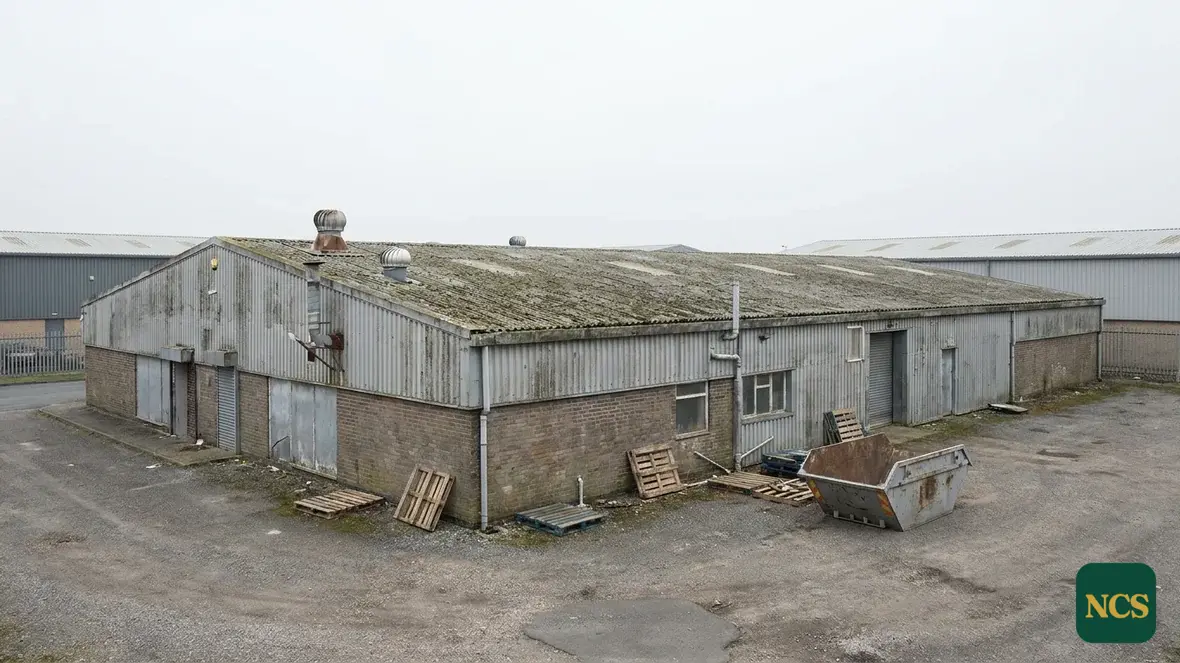
Our commercial coating Bristol work on industrial sites runs from the older trading estates inside the city out to the huge distribution sheds at Avonmouth and Severnside, where some of the region’s largest roofs sit straight in the path of estuary weather. Most are profiled metal on steel portal frames, sound underneath but failing at the surface: faded finish, rusting sheet edges, laps that have started to weep. Coating restores the weatherproof skin without a full replacement, which on a building this size is the difference between a maintenance job and a capital project that needs board approval and a season of disruption.
The weak point is almost always the same. Cut-edge corrosion starts where sheets were cut to length at manufacture, leaving bare steel at every overlap, eaves line and verge, and fixings age alongside as washers harden and leak paths open. All of it is treatable while the sheet itself is intact, and that is the window a coating programme uses. Owners comparing industrial painting contractors should know the work here is entirely external and phased around the yard, so distribution and production carry on beneath us. Our industrial roof coating service is built around keeping working sites open.
Cut edge corrosion treatment in Bristol
Coated steel rusts from the edges in. The protective finish is applied to the coil before cutting, so the moment a sheet is cut to length its ends and lap edges are bare. Rainwater is drawn into the overlaps by capillary action and held against that bare metal, and rust starts at the edge then travels beneath the coating, separating it from the steel as staining becomes peeling, then delamination, then perforation. Painting over the visible symptoms without treating the edge only hides the clock.
Caught early, the edges are cleaned back to sound material, the rust stabilised, the laps sealed and the sheet ends coated with a flexible, purpose-made system. Caught late, it means replacing sheets and repairing whatever the water has reached. The survey exists to tell you which side of that line your roof is on, and where treatment will hold. Because edge corrosion is usually the loudest symptom of a finish ageing everywhere, treating the edges and then coating the whole roof in one visit uses access you have already arranged. Our cut edge corrosion treatment is written to match the roof exactly, area by area.
Asbestos roof encapsulation in Bristol
Plenty of Bristol’s older industrial estates still carry profiled asbestos cement sheet, and farms in the surrounding country used the same material on barns and stores. Sound asbestos cement does not readily shed fibre; the trouble comes with age, as rain and frost eat the cement surface, moss takes hold and the roof begins to leak and release fibre as it weathers. The duty to manage under the Control of Asbestos Regulations 2012 falls on whoever looks after the building, and that duty does not demand removal where the material is sound and undisturbed.
Encapsulation seals a sound roof in place. We clean it with controlled, gentle methods, treat any growth, sort minor defects and loose fixings, then apply an encapsulant system across the sheets that bonds to the cement, locks down fibre and gets the water shedding again. All of it is done from outside, so the business below usually keeps trading. Where sheets are badly cracked, holed, delaminating or friable, coating is the wrong call and the report says so plainly, pointing you to a licensed removal contractor instead. Our asbestos roof encapsulation is only ever done to specification, with the findings in writing.
Agricultural building coating in Bristol
The country around Bristol has plenty of hard-working farm buildings: livestock and dairy holdings down towards the Chew Valley and the Mendip fringe, mixed and arable units to the north and east of the city. Most are steel portal frame sheds of varying ages, with asbestos cement roofs surviving on the older spans. The estuary climate is rarely harsh but persistently damp, and persistent damp is what ages a coated sheet, so finishes chalk and thin, cut edges and fixings corrode, and gutters silt up and overflow down the cladding.
Livestock buildings also corrode from underneath, where warm, ammonia-laden air and condensation attack the underside of the roof all winter, which is why our surveys always include the inside. We sequence the work around milking and housing, protecting feed areas and parlour surroundings before anything is sprayed, and if a building cannot be cleared this season we programme it for the next window rather than working over stock. Our agricultural building coating service assesses wall cladding, gutters and flashings alongside the roof, because a coated roof draining into a failed gutter solves half the problem at best.
Coat, repair or replace across Bristol
We put every surveyed building into one of three clear categories. Localised damage over a healthy surface points to repair, not a full coating you do not need. Widespread surface breakdown over sound sheets and frame is where coating genuinely earns its keep, often the difference between a roof lasting and a roof failing. Holed, soft or structurally compromised roofs need replacement, and coating them would waste your money and our reputation.
That verdict is allowed to be a flat no. Saturated insulation, structural deck corrosion, sheets delaminating along the fixings, membranes at genuine end of life, or asbestos cement too far gone for safe encapsulation all get the same treatment: we hand over the findings, explain why, and point you towards overcladding or replacement. A firm no costs us a job now and then. It is still the right answer, and it is why owners across the South West treat our survey as evidence they can hold us to.
Recent projects from the same team
Our teams work across the wider region and beyond. A working dairy unit near Carmarthen was washed, repaired and spray painted around the milking routine, and you can read the full case study to see how a survey-led programme runs on a building that cannot simply stop.
Booking a coating survey in Bristol
A commercial coating Bristol survey is the simplest decision you will make about a fading building. It carries no obligation. Tell us roughly what the roof or walls cover and their rough age, and we arrange access for a surveyor. You get a written, photographed report, a clear verdict of coat, repair first or replace, and a specification you can compare and question before any work begins. If the right answer is do nothing yet, that is what the report will say.
We are a survey-led coating contractor working across the region, and Bristol sits comfortably at the centre of our patch. Alongside the city itself we regularly survey and coat buildings in Bath, Filton, Avonmouth and Weston-super-Mare, so operators with several sites along the M4 and M5 can run one programme under one specification and one point of contact.
Commercial coating Bristol: recent work we can show you
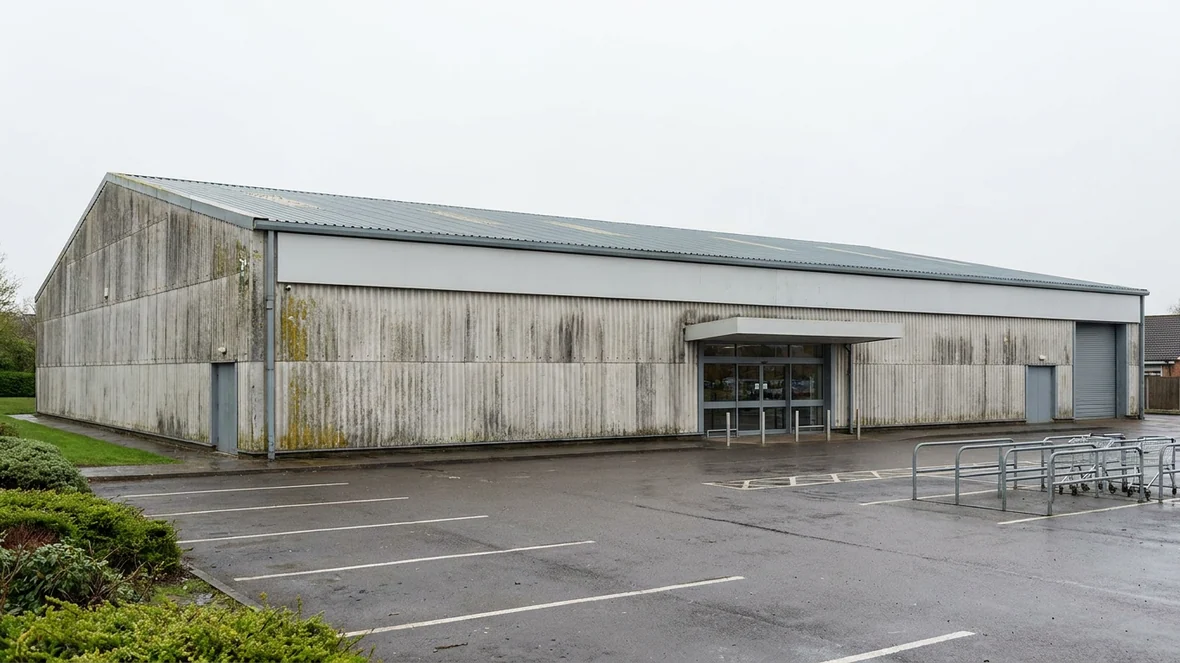
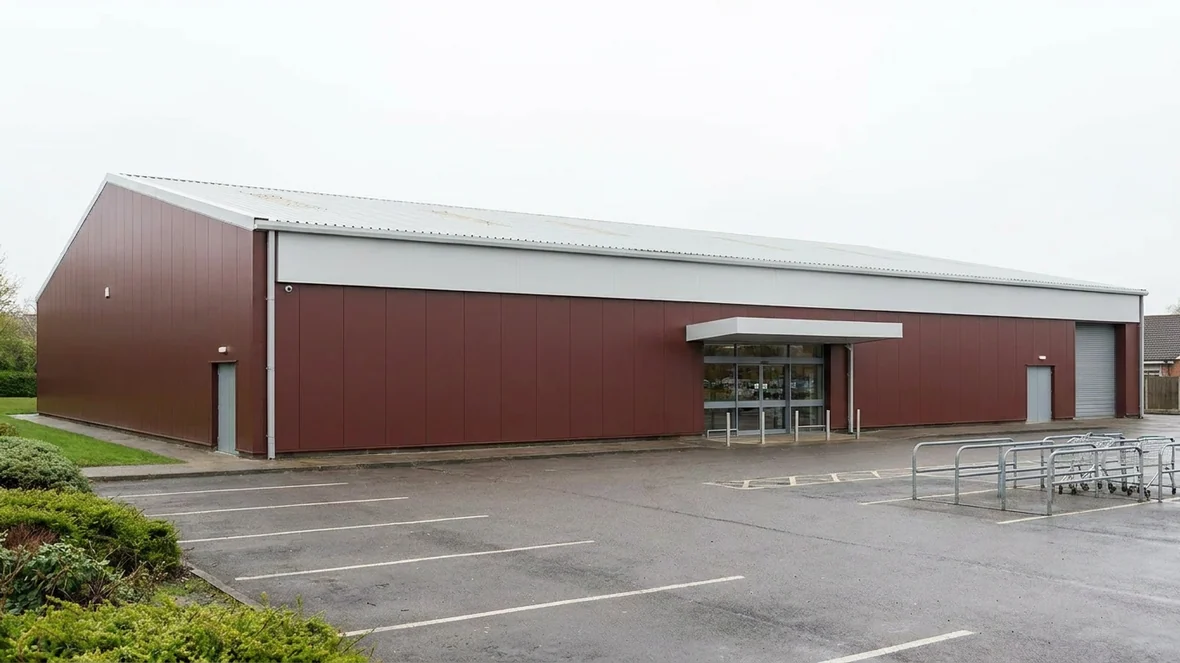
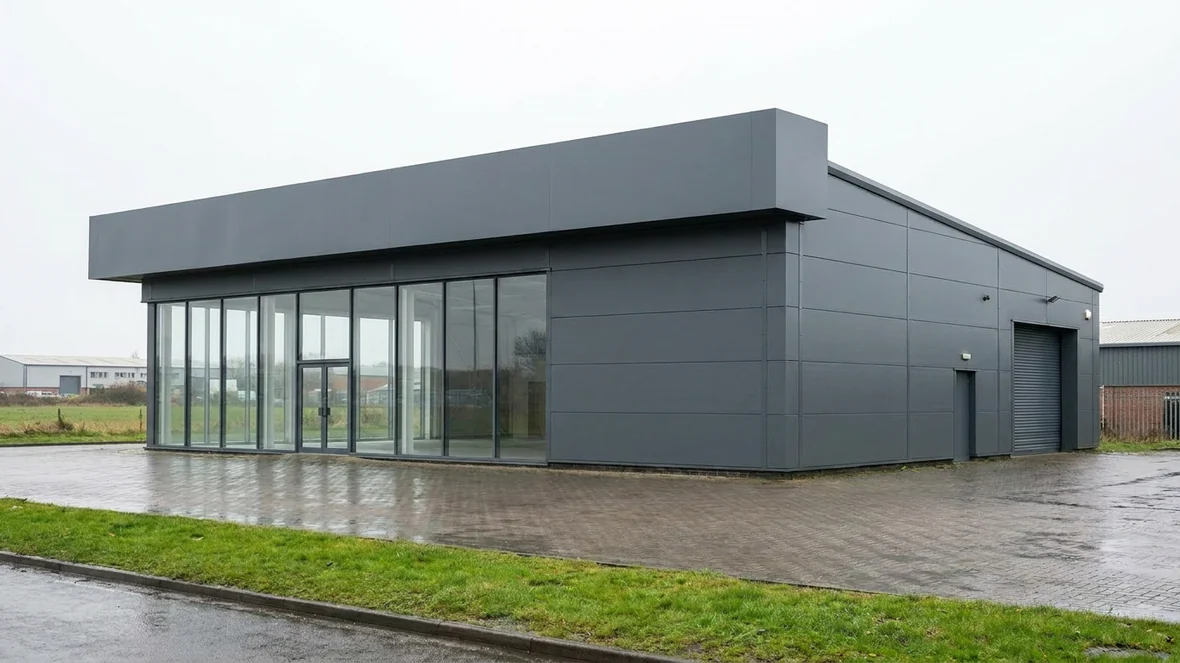
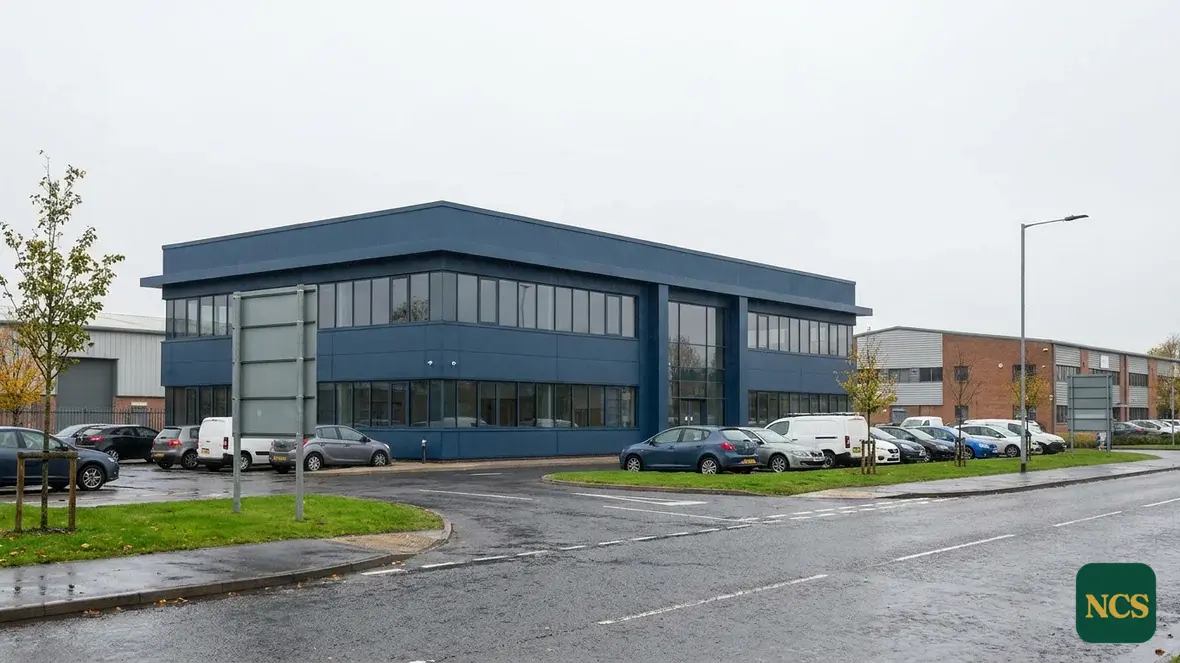
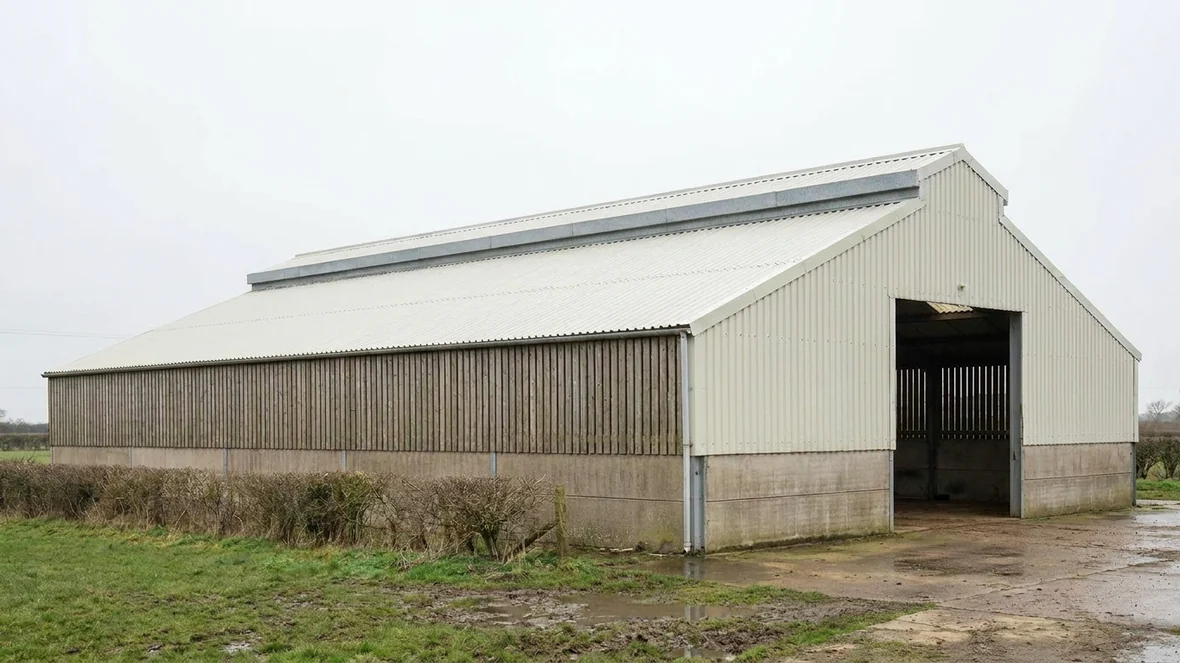
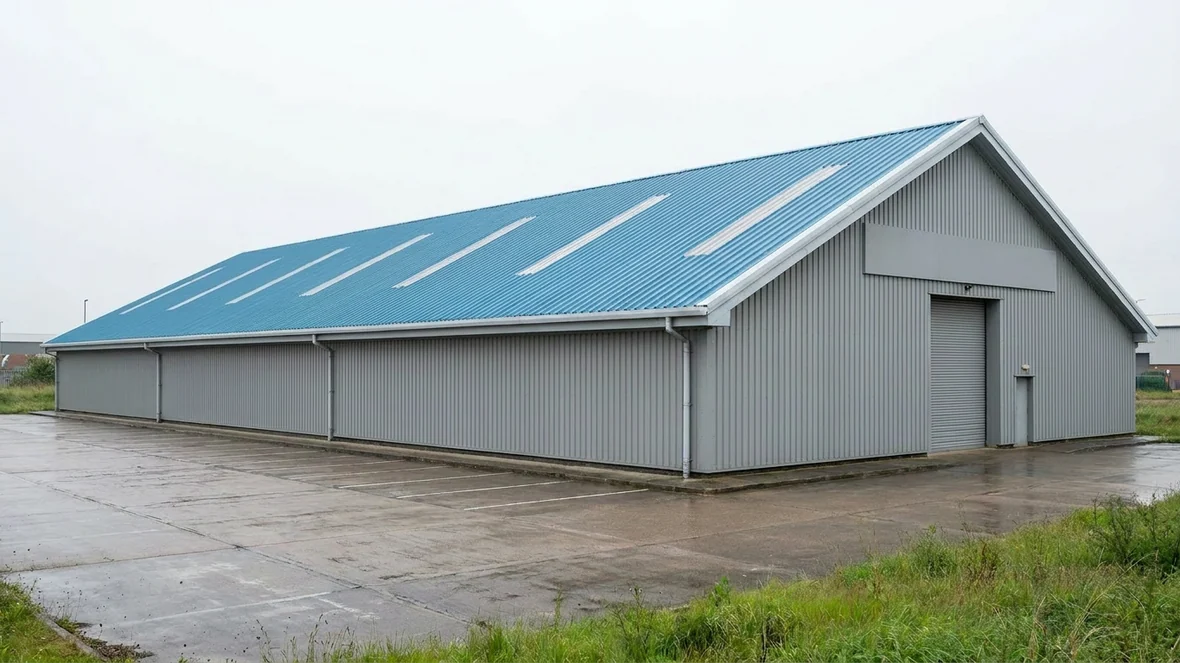
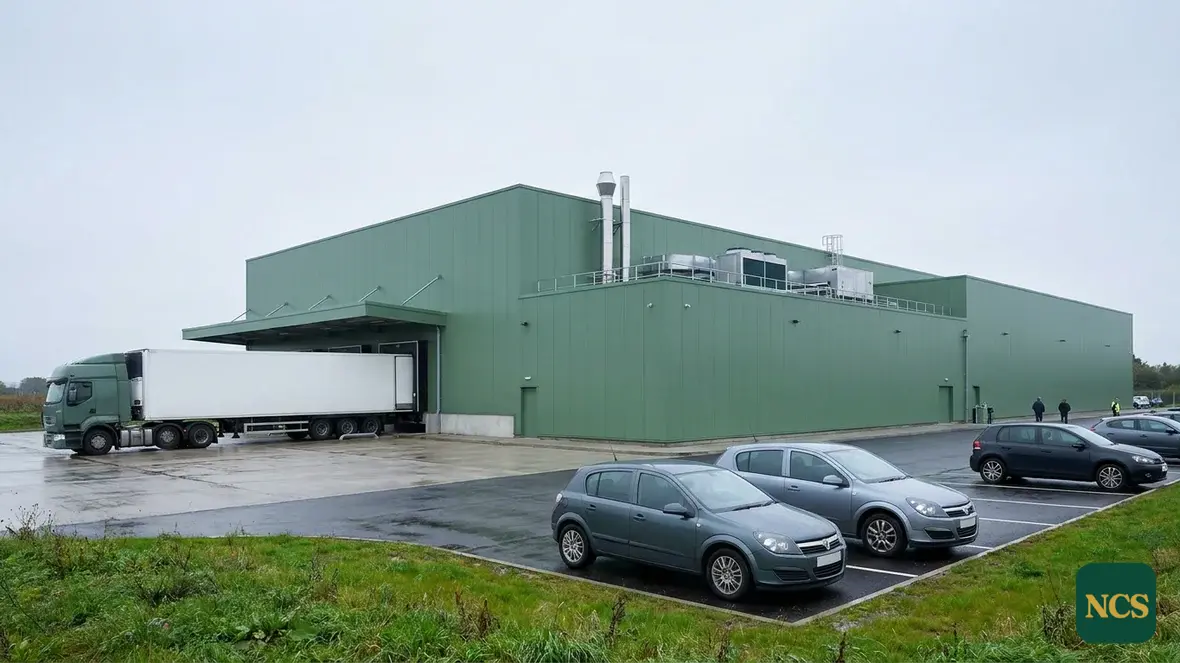
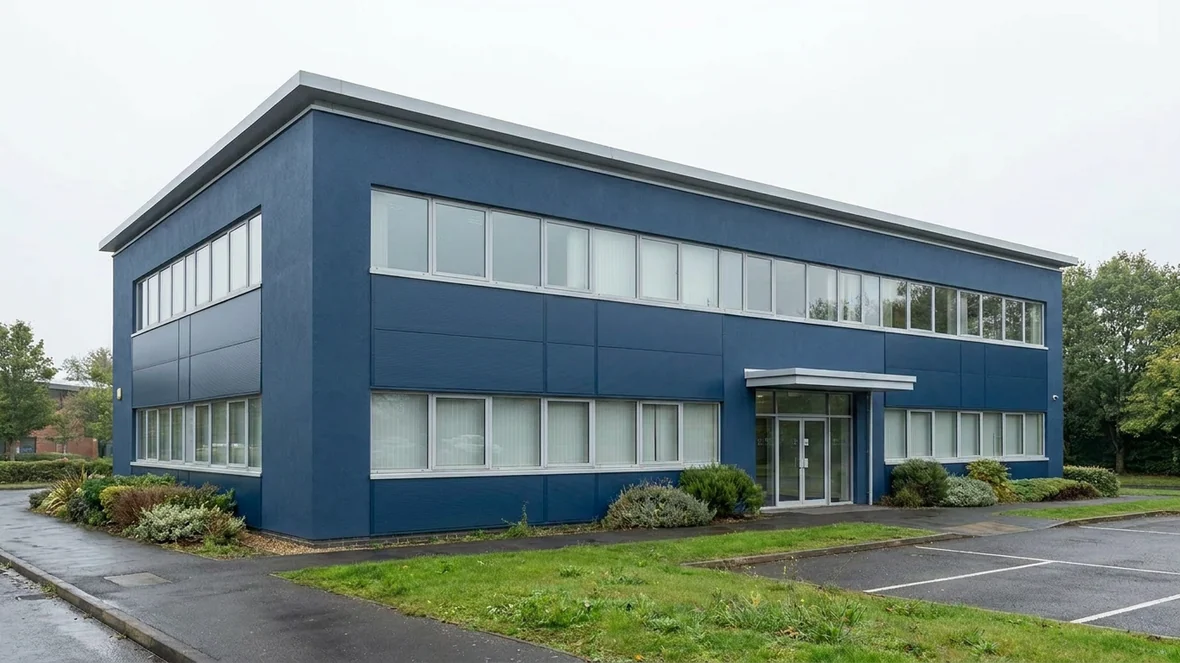
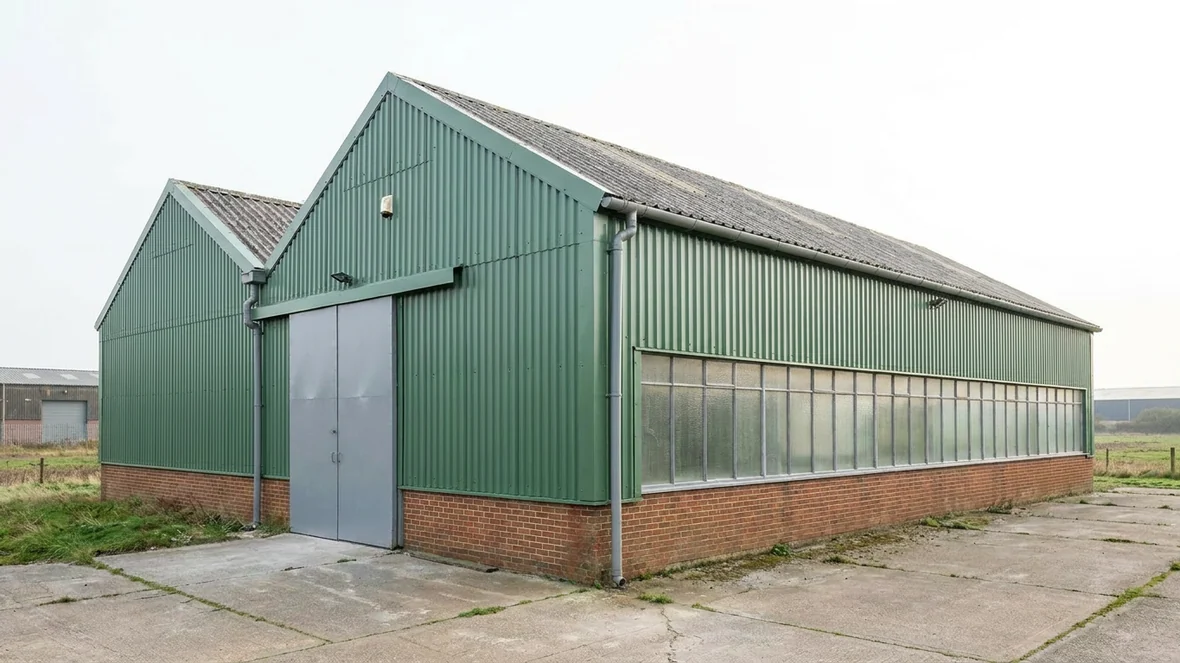
These are our own photographs from jobs of the same type. They are not stock images, and none of them is dressed up as something it is not. The caption tells you where each one was taken.
Standards behind our commercial coating Bristol work
Air coming up the Severn estuary around Avonmouth and the docks carries salt that finds weak points fast, so access and preparation are planned from the survey onwards. Our teams plan every job around the HSE’s work at height guidance, and we hold CHAS accreditation so the health and safety paperwork a managing agent or facilities team asks for is ready before the first van arrives.
Recently — July
Through the drier summer months we can programme preparation, coating and curing with far less chance of a weather delay holding the job up.
Surveys remain no-obligation, with a written report on condition, the practical options and the recommended route.