



The State of Commercial Walls in Halifax
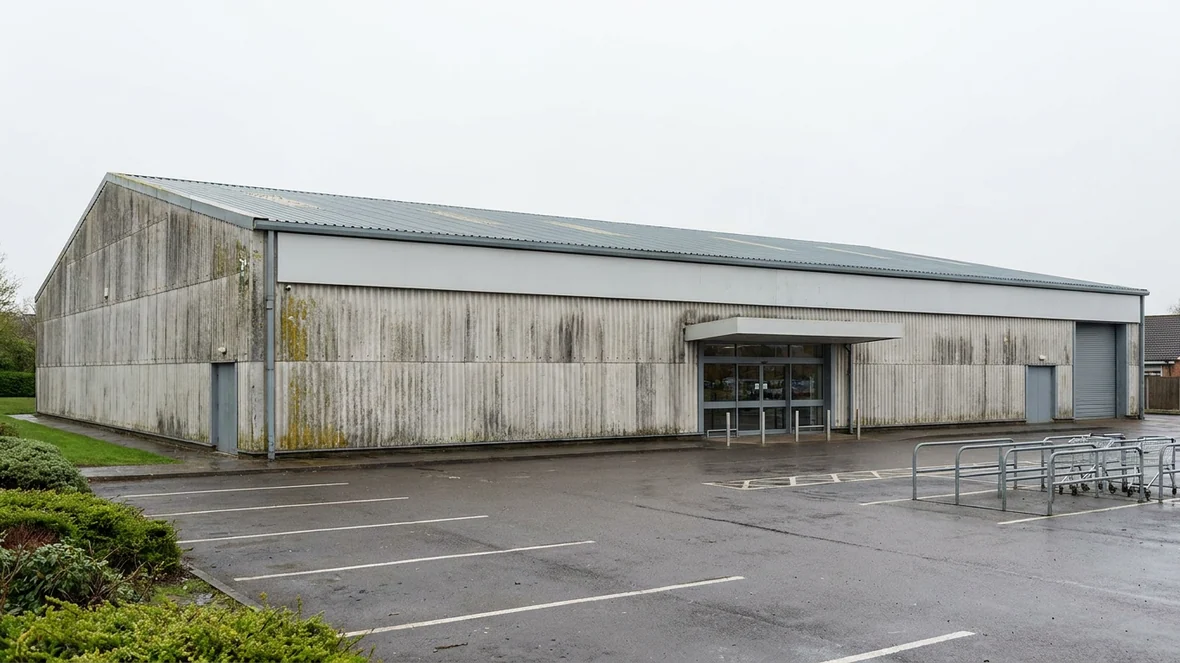
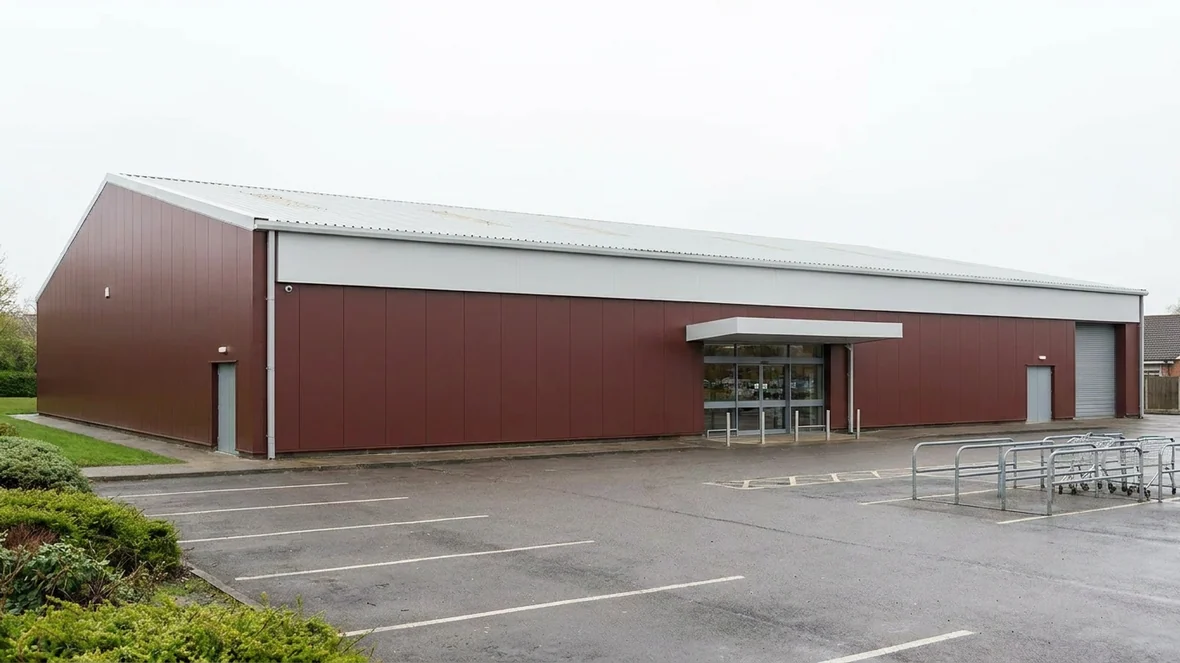
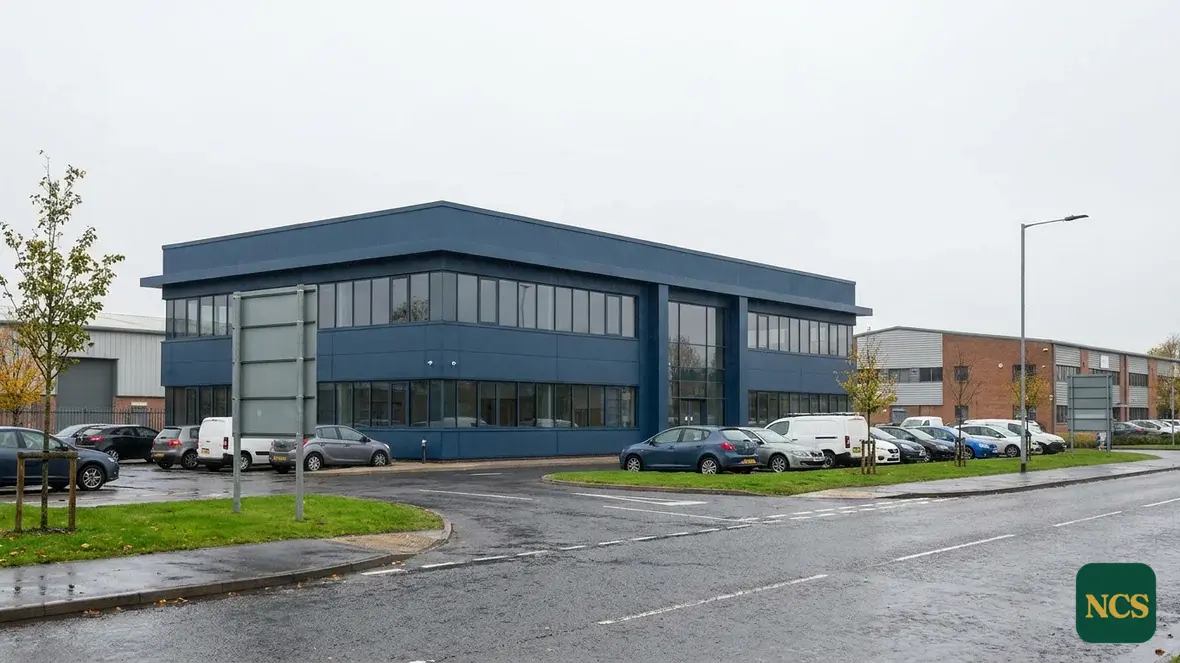
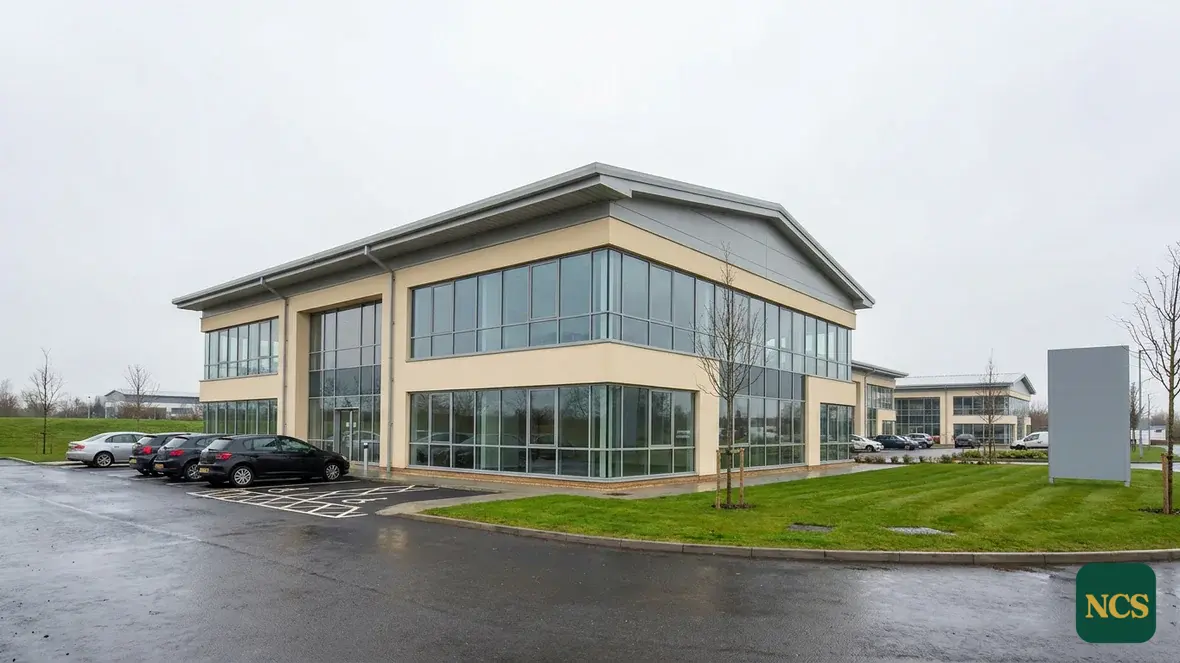
Halifax’s commercial buildings are always fighting the Pennine weather. We’ve seen the stone-built mills and trading estates along the A58 and A629 corridors showing the effects of years of driving rain and damp. Many rendered elevations and cladding systems across the town’s industrial units and retail parks have developed hairline cracks, blown patches and areas of water ingress. We have to address these before we even think about coating. Planning a commercial wall coating Halifax project starts with identifying these defects, plain and simple.
If you’re comparing commercial painting contractors in Halifax, ask each of them what they do with cracked render before the finish goes on. The answer tells you if they’re painting or just decorating.
Halifax’s Building Stock
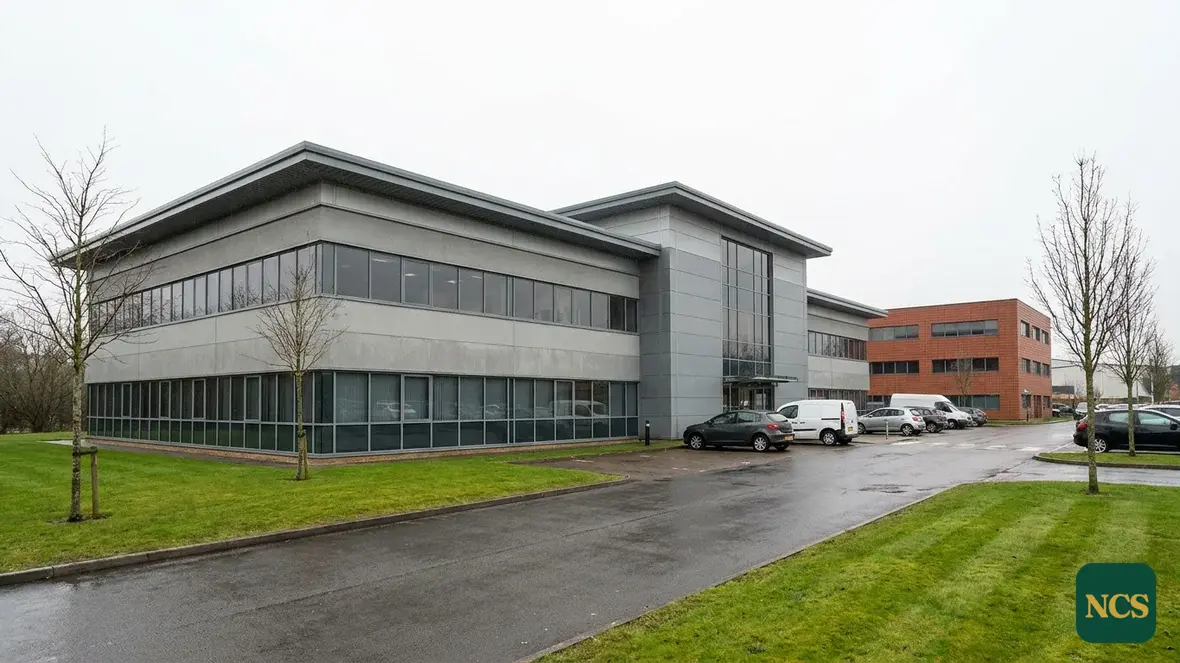
The town’s commercial property ranges from converted Victorian mills to modern industrial units on the Dean Clough and Shaw Hill estates. They share common problems: porous stonework on older buildings and degraded render on newer ones. The trading estates along the Calder Valley corridor particularly suffer from exposed elevations taking the brunt of those westerly winds. We see it everywhere: whether it’s a retail unit on Pellon Lane or a warehouse off the A58, once water gets behind the surface, problems quickly get worse.
Before we start any preparation, we always check junctions around openings, parapets, rainwater goods and where different materials meet. These details often reveal routes for moisture that are easy to miss if you only look at the main wall areas. A full elevation assessment helps us distinguish isolated surface defects from repairs that need wider attention.
Commercial Wall Coating Halifax: A Survey-Led Approach
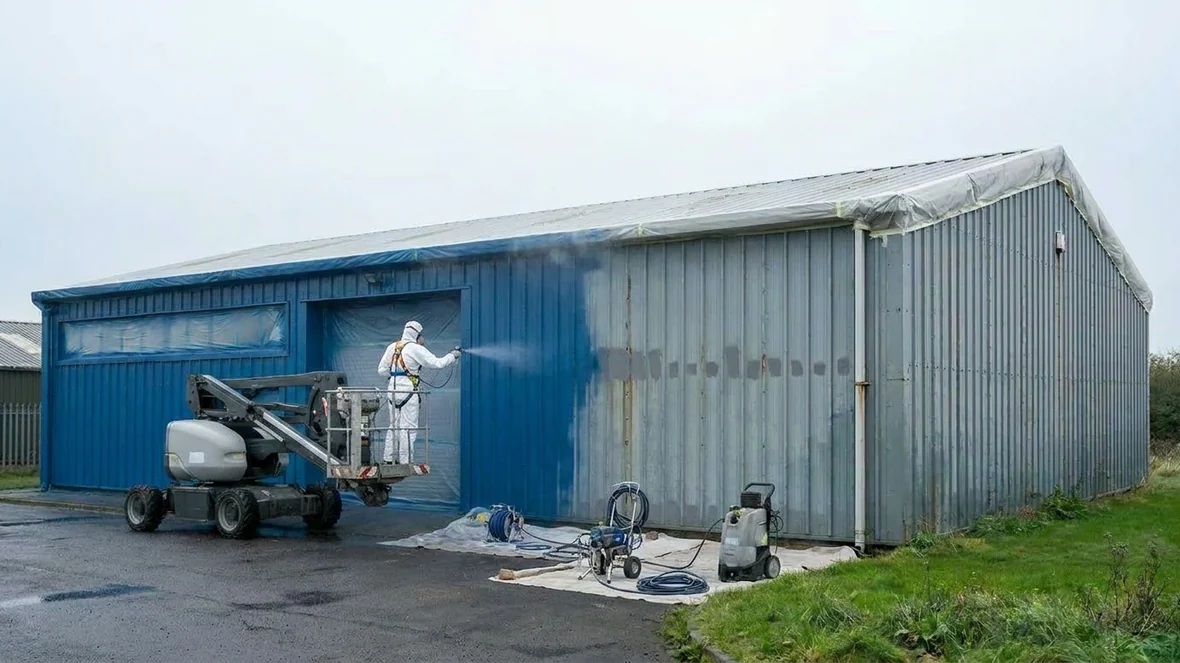
Proper commercial painting starts with understanding what’s underneath. Our surveyors examine the substrate condition, identify any underlying repairs needed, and assess how the building’s orientation and exposure affect how quickly it’s deteriorating. Only then can we specify the right coating system. We don’t just slap paint over problems. We prepare surfaces properly so the finish actually lasts.
- Full elevation condition assessment
- Identification of moisture traps and cold bridges
- Substrate preparation requirements
- Coating system specification based on exposure
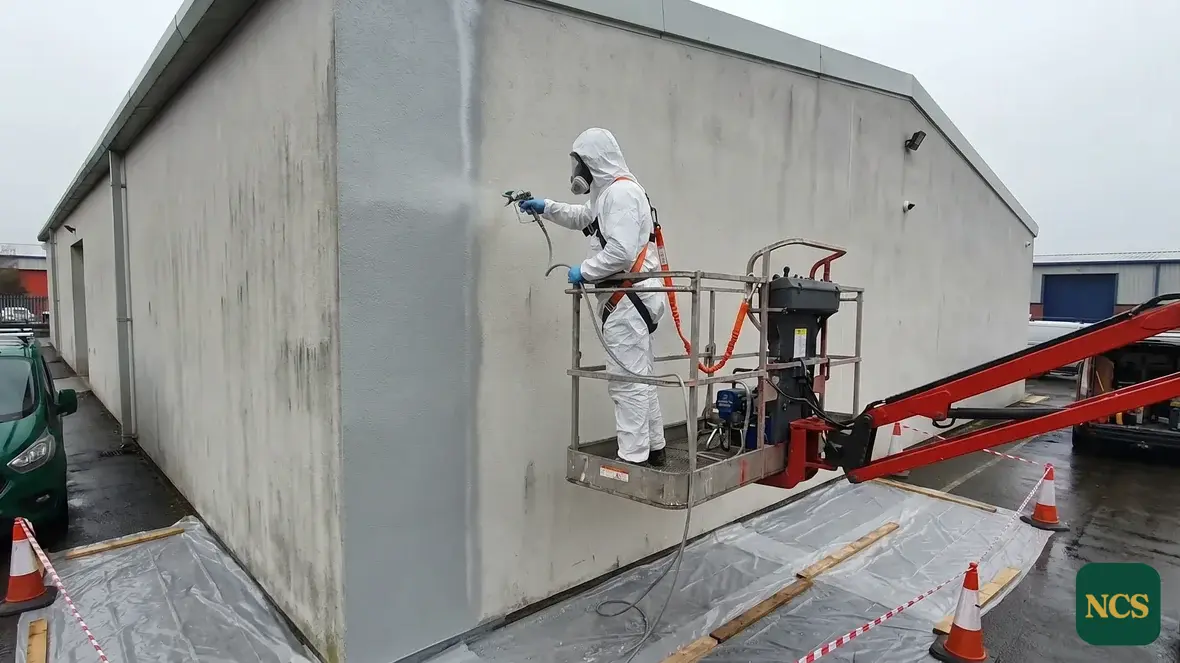
Surface preparation can include removing loose or flaking material, cleaning off contamination and opening up defective areas so repairs can bond to a stable background. Edges, joints and changes between substrates need careful attention because movement and moisture can affect each material differently. The preparation method should always suit the condition of the existing surface. No shortcuts here.
Essential Repairs Before Coating
Cracked render needs cutting out and patching, not just filling. Areas of damp penetration require tracing back to their source, which is often failed flashings or blocked weep holes. Our surveyors map these issues systematically because coating over compromised substrates just seals in problems. The Calder Valley’s damp climate makes proper repair work non-negotiable.
Repairs also need time to settle and dry properly before coating begins. Applying a finish over unstable, dusty or damp material will undermine adhesion. Careful sequencing keeps the repair, preparation and coating stages separate. It makes it easier to inspect the substrate before it’s covered.
Our Survey Process Step by Step
We start with a thorough visual inspection, using moisture meters and thermal imaging where needed. Every elevation gets assessed for structural cracks, blown render and areas of water staining. We document the building’s exposure to prevailing winds and driving rain, then compile a repair schedule before we even consider coating options. Only when the substrate is sound do we move to system specification.
Why Survey Comes First
Specifying a coating without understanding the substrate is like prescribing medicine without a diagnosis. The right system for a south-facing rendered unit on the Shaw Hill estate will differ from what’s needed on a north-facing stone mill conversion. Our process ensures the coating solution actually solves the building’s specific problems, rather than just covering them up temporarily.
Learn more about our commercial wall coating Halifax services or book a free survey.
Recently — July
We do not price a roof we have not stood on, so every job here starts with a proper look at the building.
Dry summer spells are the window for tackling cut-edge corrosion and tired finishes before the autumn rain sets back in.
All access and roof work is planned in line with HSE work-at-height guidance.