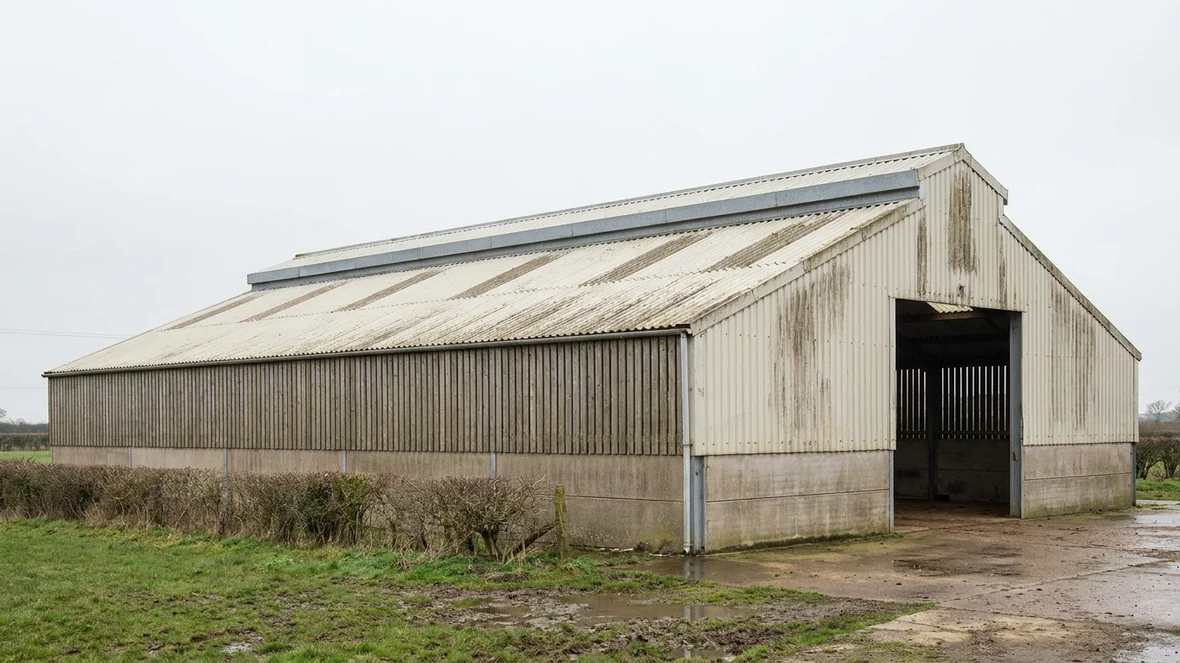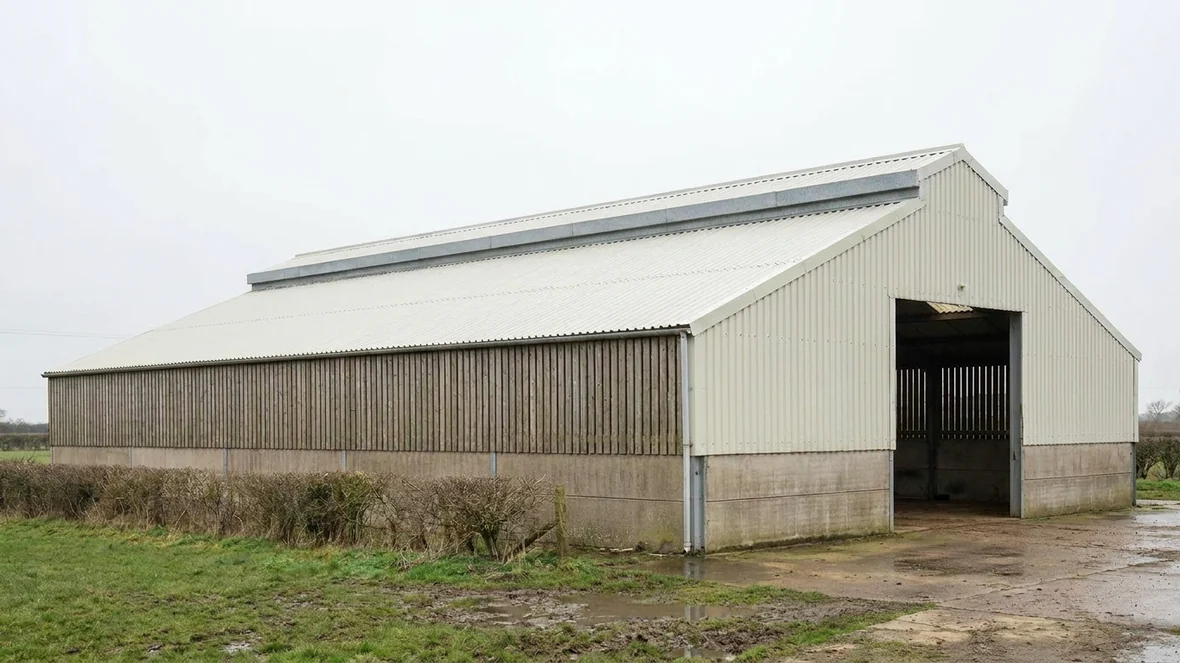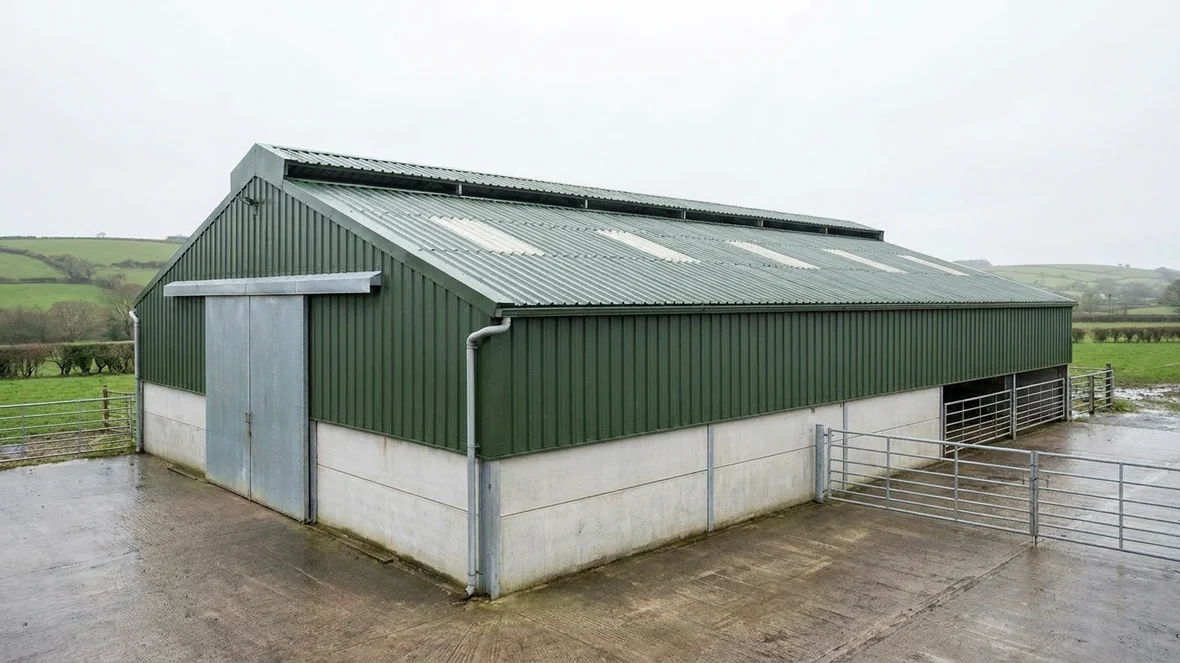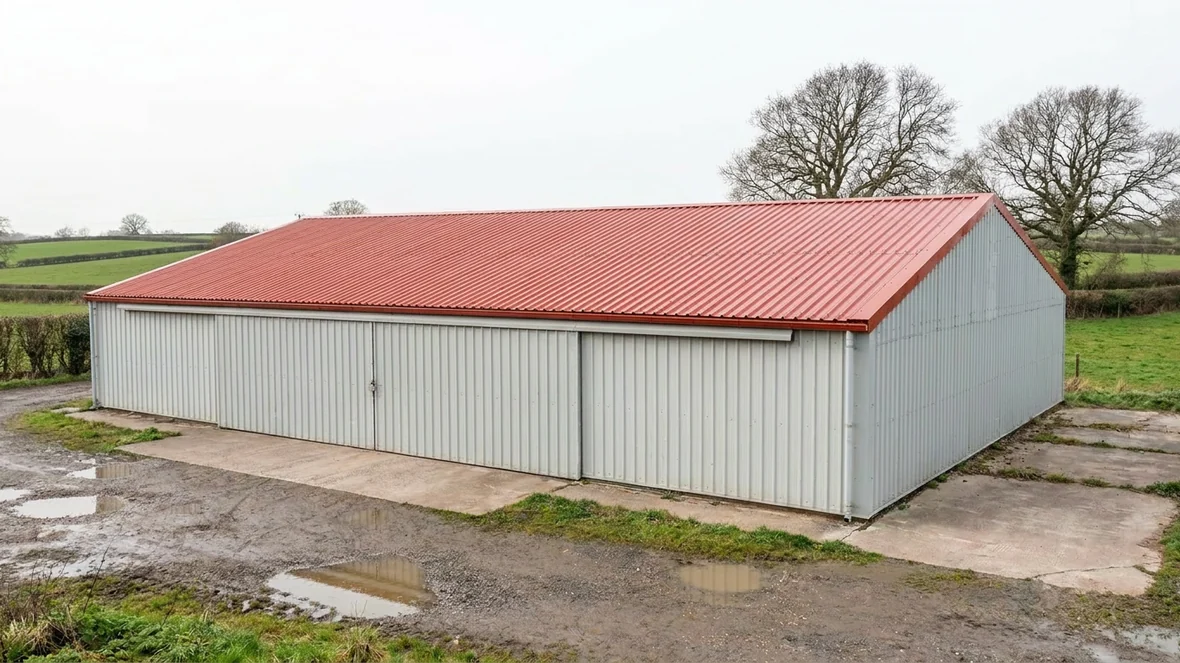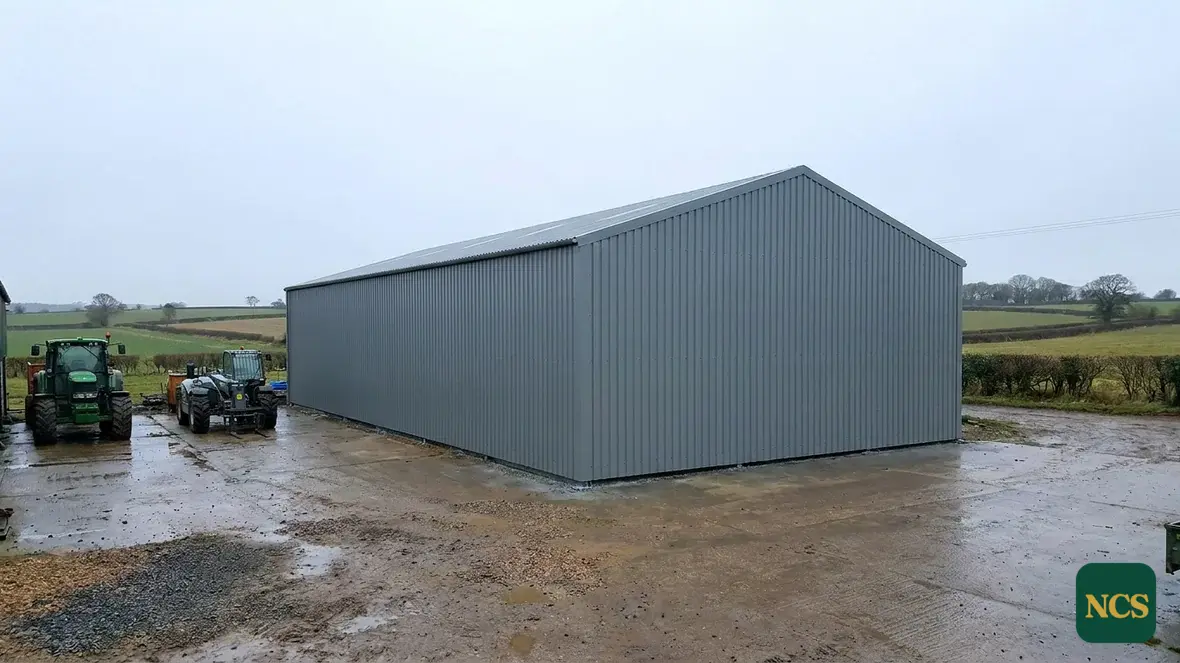




Farm buildings on the arable land around Didcot and across the Vale of White Horse take a hard climate. Wind-driven rain off the chalk downs, freeze and thaw through winter, and the daily load of livestock, grain dust and machinery wear roofs and cladding hard. Agricultural Building Coating Didcot work starts with that reality: what is failing, what can still be protected, and what should not be painted over.
We survey agricultural stock across Didcot and the surrounding villages, from holdings near East Hagbourne and Steventon out toward Blewbury and Chilton. We won’t quote from photographs. Cost questions resolve through a free site survey so the specification matches the building you actually have.
Why farm buildings around Didcot reach the coat-or-replace decision
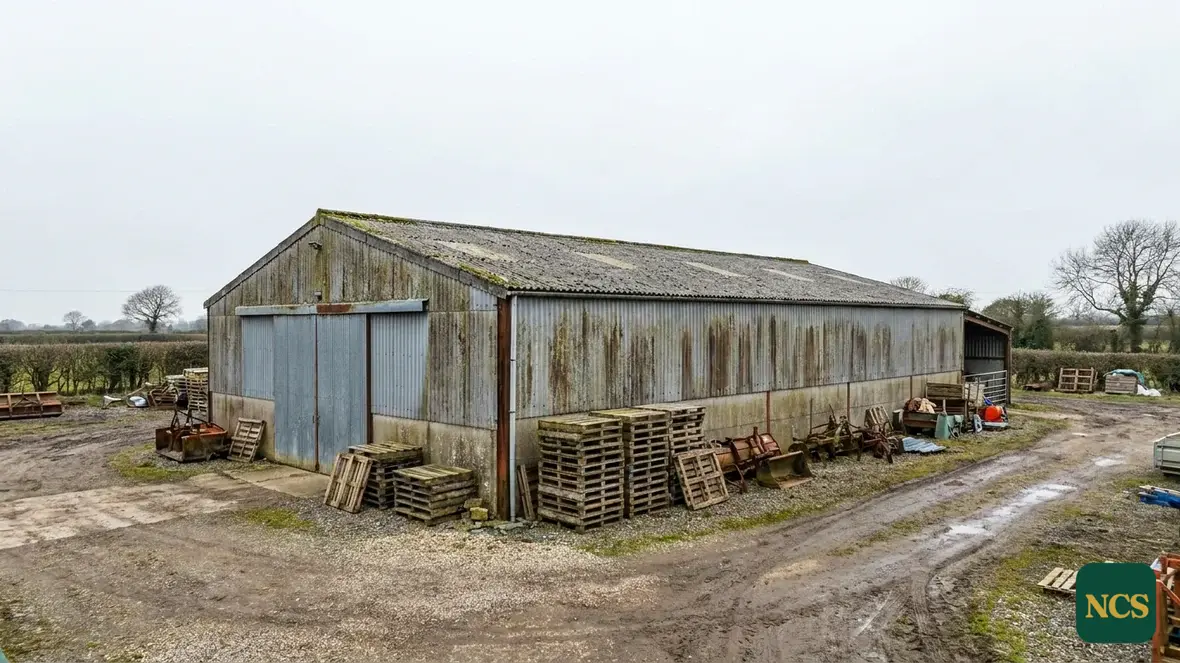
The Vale sits open to weather from the west and south. Long sheds and open-fronted barns catch driving rain, then hold damp under metal and fibre-cement sheets. Condensation forms where livestock heat meets a cold roof deck. Moisture mixed with ammonia, slurry splash and pressure washdown strips ordinary finishes and starts corrosion at cut edges, fixings and gutter lines.
Muck, fertiliser dust and feed residues hold moisture against cladding and roof sheets. Sheets chalk, fixings loosen, and small leaks wet stored hay, straw or machinery. Owners then choose between patching, a full re-sheet, or a coating system on structure that is still sound. The right answer depends on substrate, building use, and how far corrosion or fibre degradation has gone. That is a survey decision, not a catalogue one.
Most farmers around Didcot do not ask for a coating system, they want the barn painted or the shed roof sorted, and that is exactly the work this is.
The agricultural building stock of Didcot
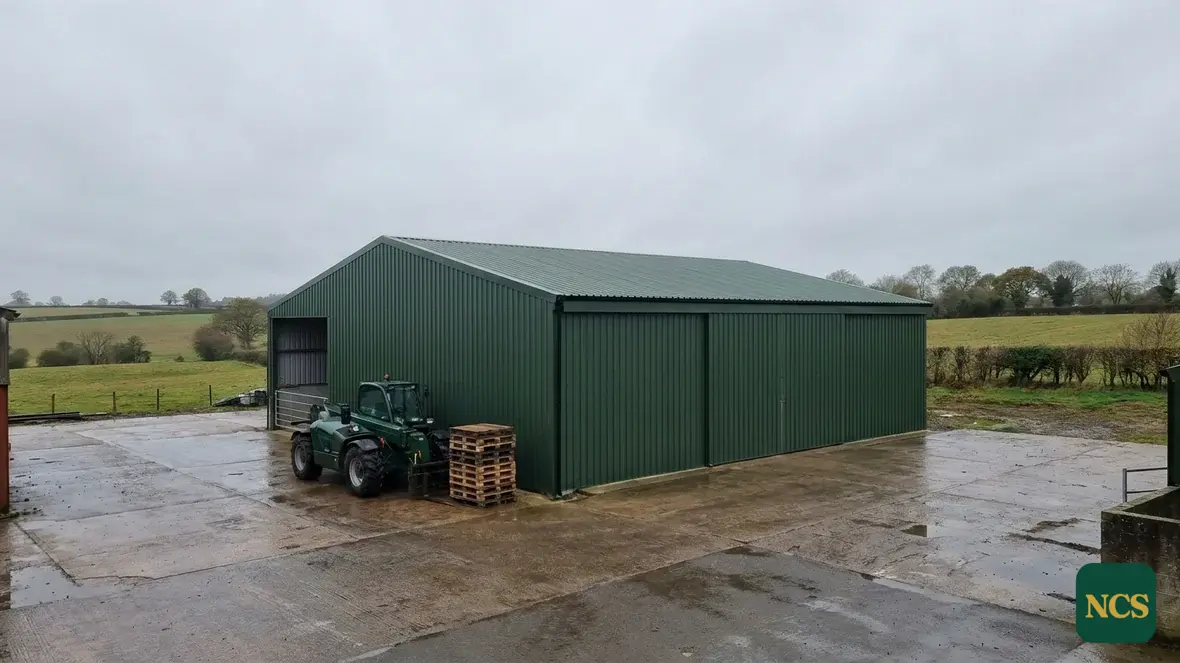
Didcot sits on the edge of a working farmed landscape. The town has grown with Science Vale, Milton Park and the rail corridor, yet land around East Hagbourne, West Hagbourne, Steventon, Upton and Blewbury still carries barns, stores and livestock housing. Toward Wantage and the base of the downs sit steel-framed general-purpose buildings, older Dutch barns, machinery sheds and grain stores.
Typical stock includes open-sided barns for straw and implements, enclosed grain and feed stores, livestock housing with ammonia-rich air and regular washdown, and estate workshops sharing roof systems with the working sheds. Equestrian blocks appear on the town fringe and along lanes toward the Ridgeway. Profiles range from profiled steel and coated cladding to older fibre-cement and asbestos cement sheets on many post-war farm ranges.
What an agricultural building coating does and where it is the wrong answer
A coating system for farm roofs and walls reinstates weather resistance, seals minor porosity, slows corrosion, and can support encapsulation of sound cement sheet where that route is appropriate. Proper barn painting and roof painting is preparation-led: cleaning, treating cut edges, priming, and building a film matched to exposure and use. Cladding painting on steel elevations restores protection only where panels remain fixed and the frame is true.
Coating is the wrong answer when sheets are structurally failed, purlins or rails have lost section, asbestos cement is friable and beyond safe encapsulation, or the building is due for alteration that will cut the roof. It is also wrong if the brief is only cosmetic and leaks or gutter failure are left untouched. Where removal and re-sheeting are the honest route, we say so on survey rather than sell a coating that cannot hold.
Asbestos cement sheets, cut edges and gutters: what gets assessed first
On older farm ranges around Didcot the first questions are cement sheet roofs, metal edges where sheets meet, and gutters that take water off. Asbestos cement that remains bonded and intact may be a candidate for encapsulation after cleaning and assessment. Cracked, heavily weathered or previously disturbed sheets need a different conversation, including licensed removal where that is the only safe path.
Cut-edge corrosion is common on profiled steel: the factory coating ends at the cut, moisture sits at the lap and gutter line, and rust works back under the film. Corrosion repairs at those edges, with correct priming, often decide whether a coating lasts. Gutters collect leaf fall, feed dust and silt; blocked or holed runs wet the eaves and wall head. Gutter relining or repair may sit alongside roof work, with fixings, flashings and roof lights checked in the same pass.
Our survey-led process, worked around the farming calendar
We plan surveys and later works around how the yard runs. Harvest, drilling, housing and turnout change which buildings can be emptied and when stock or crop can move. A free survey can often sit in a quieter window even when coating must wait for dry weather and a clear building.
On site we record building use, construction, sheet and cladding condition, cut edges, gutters, flashings and structural concerns, plus ammonia and washdown exposure. Findings are written up: what is sound, what needs repair, and which route is indicated. There is no obligation to proceed. Commercial painters on farm sites must respect biosecurity and dust control.
- Condition of roof sheets, cladding and visible structure on each elevation
- Cut-edge corrosion, fixings, laps and gutter lines before any product is chosen
- Asbestos cement assessment and whether encapsulation or another route is appropriate
- Building use, ammonia, washdown and condensation exposure
- Programme windows that respect harvest, housing and yard access
Why the survey comes before any specification
Farm buildings around Didcot are not identical. One range may need cut-edge treatment and a high-build roof system. Another may need only localised corrosion repairs and a wall finish. A third may be beyond coating. Specifying from a phone call or a photograph skips the substrate evidence that matters.
The survey also protects the decision on cost. We keep pricing off the phone until the free survey has defined the work. If you manage agricultural or rural commercial buildings near Didcot and want a clear condition view before roof painting or cladding work, start with the survey. For the wider service method and coverage, see our agricultural building coatings overview, or request a free survey and we will arrange a visit that fits the yard calendar.
Common questions about agricultural building coating Didcot
How long does agricultural building coating last before it needs redoing?
When we apply a coating system to an agricultural building in Didcot, we typically see a service life of well over a decade. That’s provided the initial preparation and application are carried out correctly, which is always our job. The exact lifespan depends on the substrate condition, the level of exposure to silage acids and animal waste, and how well the building is ventilated. We design every specification to resist the specific corrosive environment it will face, and we always advise on simple maintenance steps that help extend the coating’s life further.
Can you coat an agricultural building while livestock or feed are still inside?
We strongly recommend clearing the area to be coated. For roof and external wall work on a steel framed agricultural building in Didcot, we can often proceed with livestock remaining in an adjacent bay. That’s provided we erect suitable containment screens and control air movement. For internal coating, full clearance is essential. This avoids contamination of fresh coating films and prevents airborne drift settling onto animals or stored feed. We will discuss a phasing plan with you during the survey so disruption is kept to a minimum.
What preparation do you carry out before coating an old agricultural shed?
Preparation is the single most important stage. On a typical corroded steel building, we start with a thorough dry abrasive blast to remove rust, mill scale and failed previous coatings back to a sound substrate. Cladding sheets are cleaned to remove chalking, organic growth and debris. All surfaces are then inspected for pitting or perforation. We apply a holding primer immediately after blasting to prevent flash rust, often within the same working shift. Only when we are satisfied with the cleanliness and profile do we proceed with the full agricultural building coating system.
Do weather conditions affect coating work on a farm building near Didcot?
Absolutely. Moisture, low temperatures and dew point all influence how a coating cures and bonds. We monitor conditions continuously on site with a whirling hygrometer and steel surface thermometer. If the steel temperature is less than three degrees above the dew point, or if rain is imminent, we postpone application. In Didcot, we often work through the drier months to schedule external coating, but we can carry out internal preparation and coating under controlled conditions at any time of year, as long as the building envelope is watertight.
Surface preparation as the foundation of a durable agricultural building coating in Didcot
We view surface preparation not as a preliminary chore but as the structural foundation of every long lasting coating system. On a steel framed agricultural building, the difference between a coating that fails in a few years and one that protects for a generation is nearly always down to what happened before a brush or spray gun touched the steel. Our approach begins with a close survey of the existing condition. We look for deeply pitted flange edges, crevices where acidic moisture lingers, and areas behind cleats and gusset plates that are notoriously difficult to reach. These are the weak points where corrosion re starts if poorly treated.
For steelwork we abrasive blast to a minimum standard of Sa two and a half in accordance with BS EN ISO standards. This produces a sharp angular profile that gives the primer a mechanical key no amount of hand tool cleaning can match. The profile depth we aim for is matched to the chosen primer’s film build, so that the coating fully wets out the peaks and valleys. We pay special attention to weld seams and bolt heads, where the original galvanising or shop primer is often compromised. Sharp edges are chamfered or stripe coated by brush before the main spray application, building extra film thickness where corrosion risk is highest.
On fibre cement or profile metal cladding sheets, preparation is equally critical. We remove all moss, lichen and ingrained dirt with low pressure washing and allow the substrate to dry back to its natural moisture equilibrium. Chalking surfaces are lightly abraded to remove loose pigment, leaving a sound base for a high build anti carbonation or anti corrosion coating. We always insist on a clean, dry, sound surface before any coating is applied, because we know that even the most advanced liquid coating cannot compensate for poor preparation beneath it.
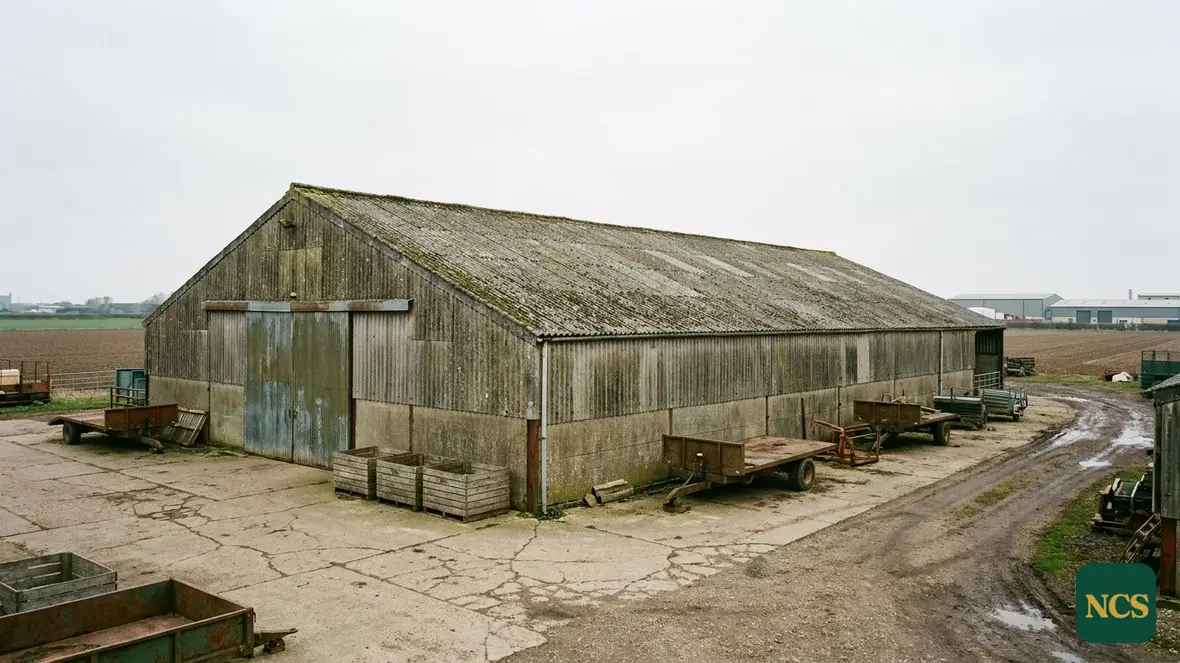
Recently — July 2026
Settled summer weather suits coating and spraying work, with stable temperatures and dry surfaces helping systems cure and bond as specified.
We survey before we recommend anything, and the recommendation goes in writing, including the times the honest answer is to repair or replace rather than coat.