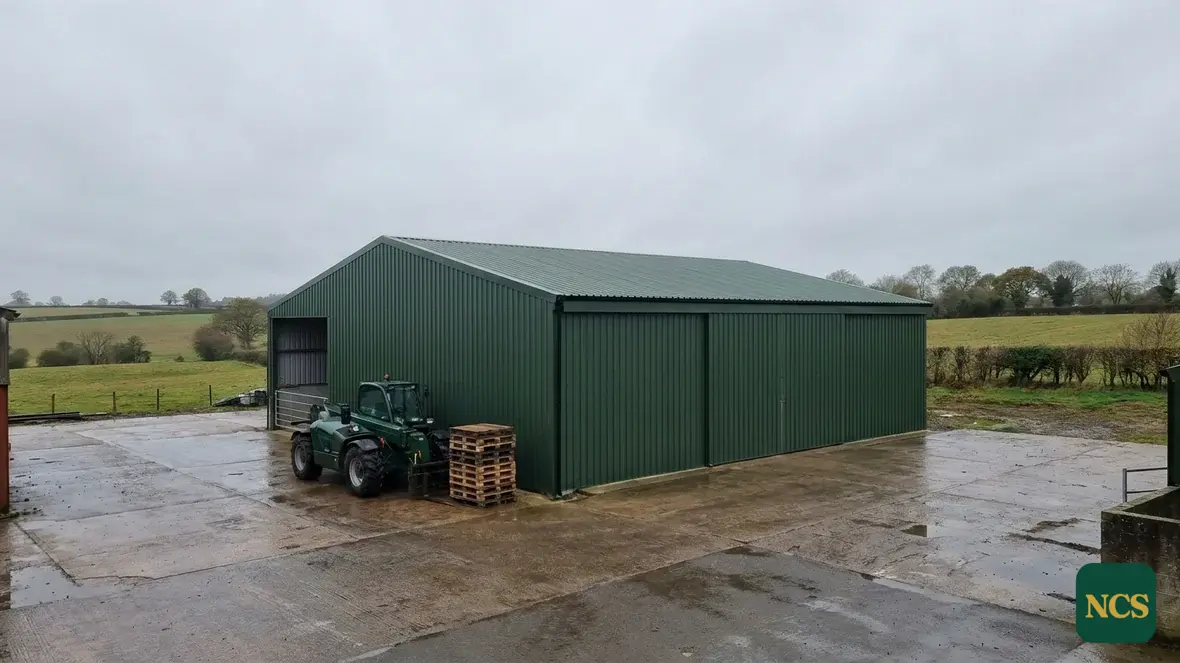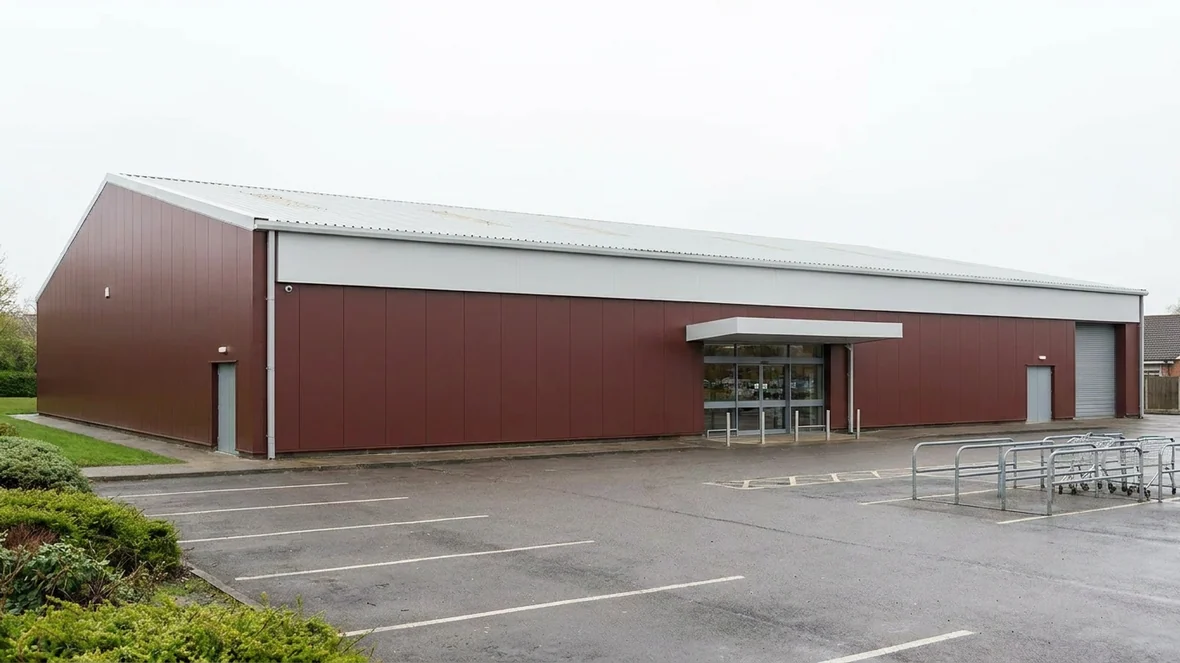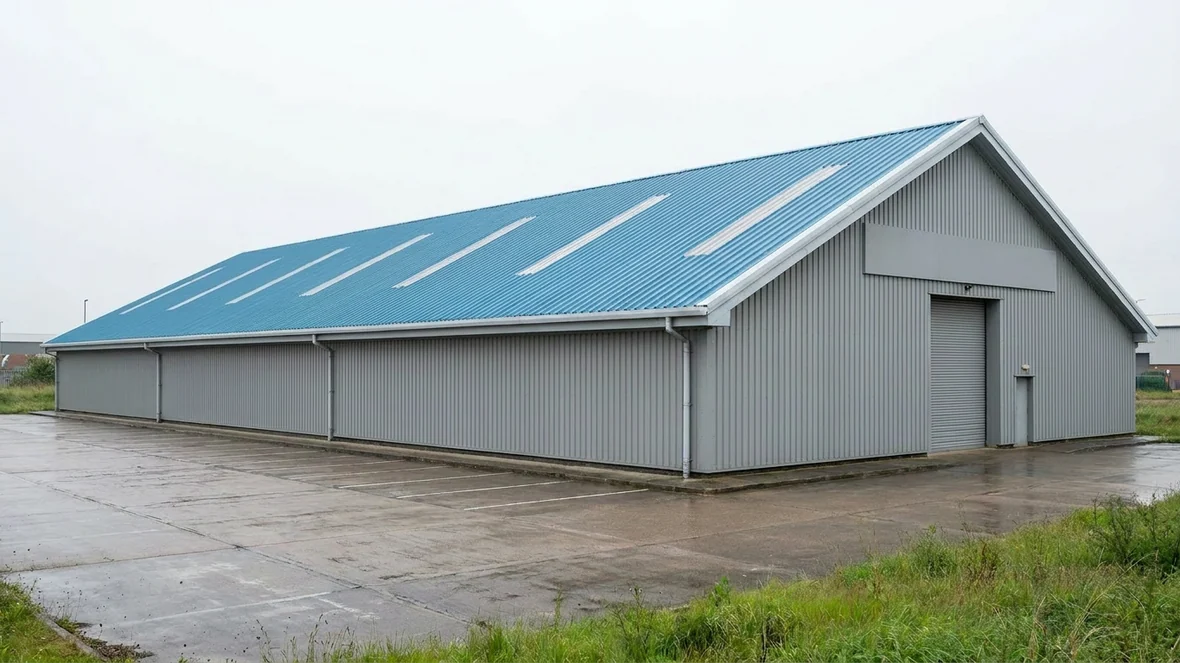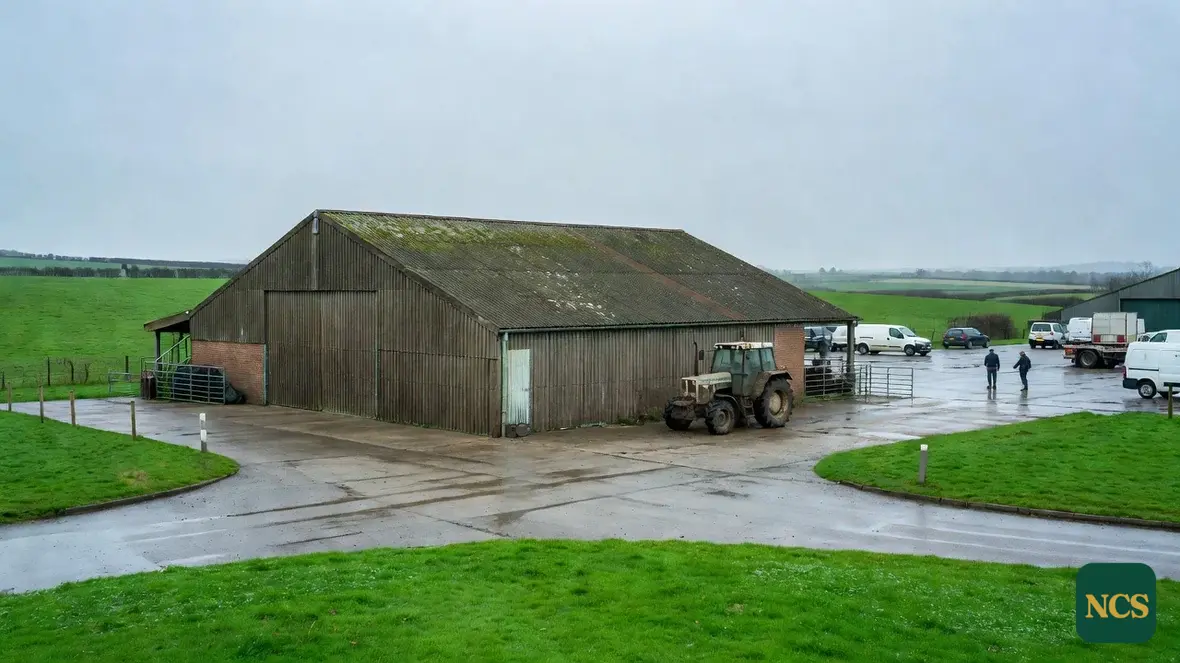




Abingdon sits on the Thames in southern Oxfordshire, with the Vale of White Horse opening west and the A34 linking the town to Oxford and the Midlands. Around Marcham, Drayton, Sutton Courtenay, Culham and Radley the farmland still carries grain stores, livestock buildings, general-purpose barns and machinery sheds weathered by decades of use. Agricultural Building Coating Abingdon work is the practical route when those roofs and elevations remain structurally sound, but are no longer protected without a proper survey and a specified system.
We survey farm buildings across Abingdon and the surrounding Vale before any product is chosen. We assess substrate, exposure, fixings, gutters and how the building is used through the year, then set out plainly whether coating, targeted repair or replacement is the honest answer. Cost questions resolve through a free survey, not a guess over the phone.
Why farm buildings around Abingdon reach the coat-or-replace decision
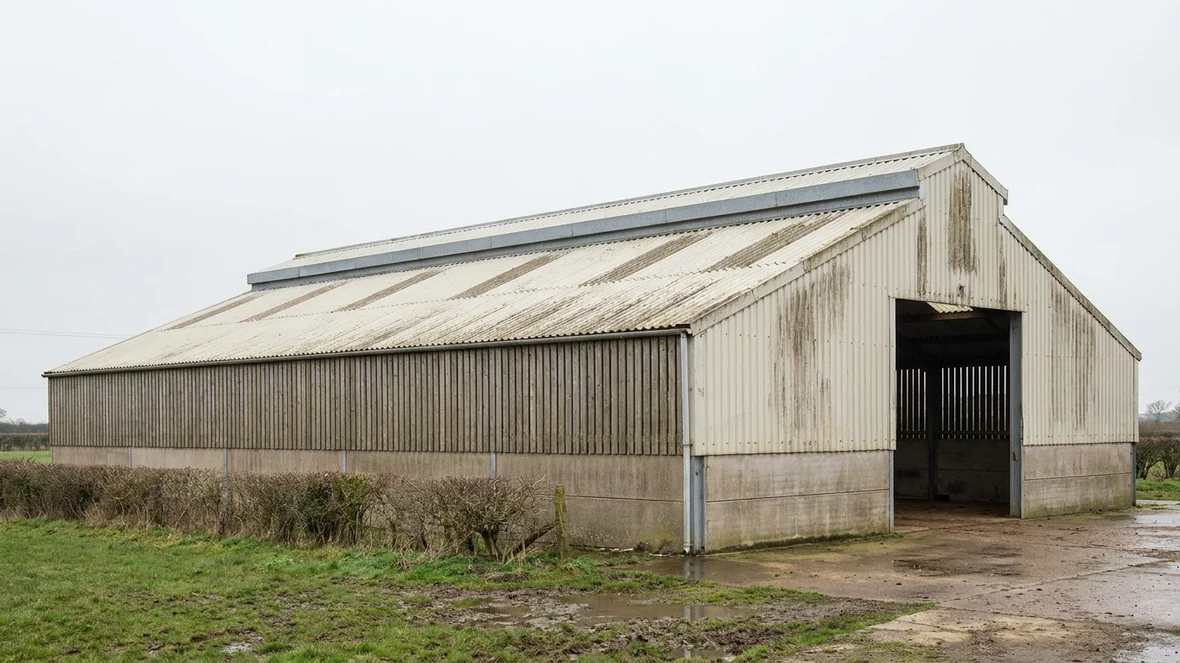
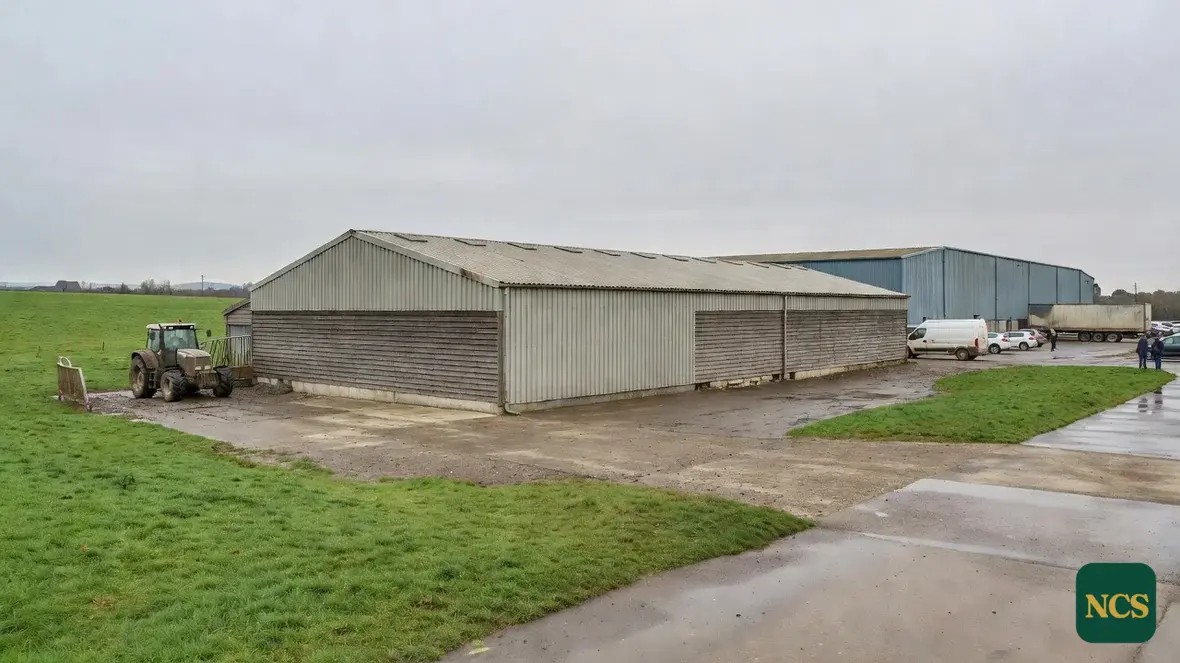
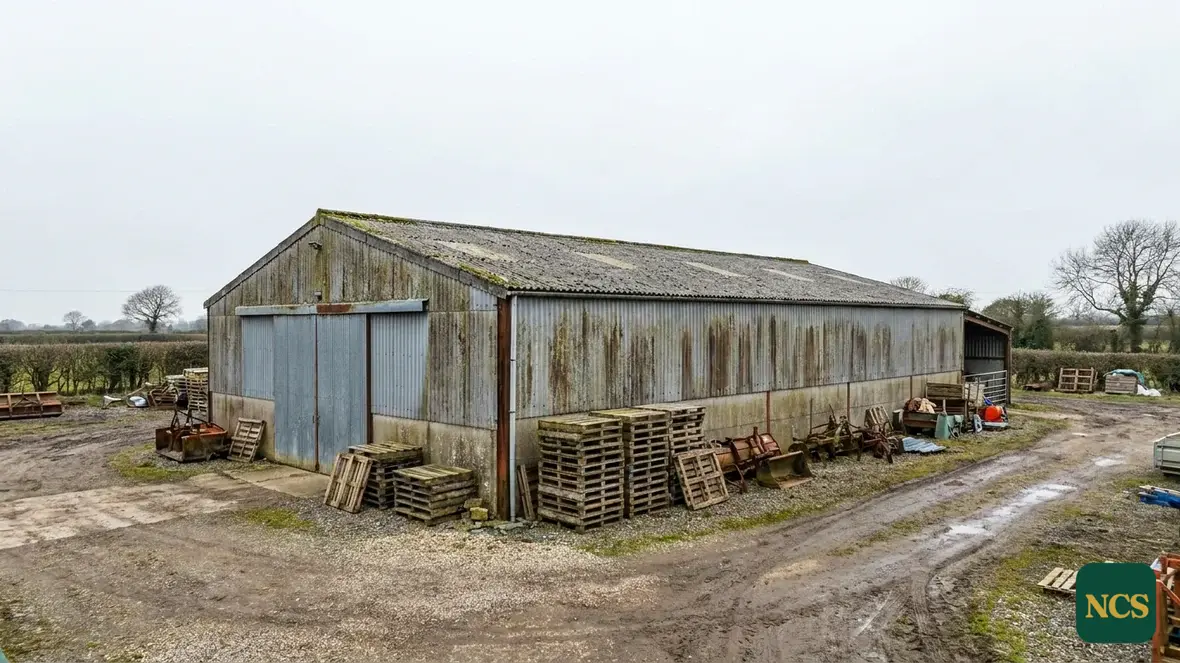
The Vale is fertile arable country with mixed livestock still present on many holdings. Winter rain and frost work into sheet laps and cut edges. Summer sun chalks factory finishes on steel cladding and roofs. Livestock housing adds ammonia, muck splash and regular washdown that attack coatings and bare metal far faster than a dry grain store on the same yard. After wet weather you will see green growth on north-facing fibre-cement slopes, rust staining at eaves, and fixings that weep into the gutter line.
None of that means a building is finished. It does mean the coat-or-replace question is live. A roof that only looks tired may still take barn painting and cladding painting as part of a prepared coating system. A roof that is perforated, friable or soft will not. Owners around Abingdon usually call when a leak has started, when a valuation has flagged the envelope, or when planned maintenance can no longer ignore staining and soft edges.
The agricultural building stock of Abingdon
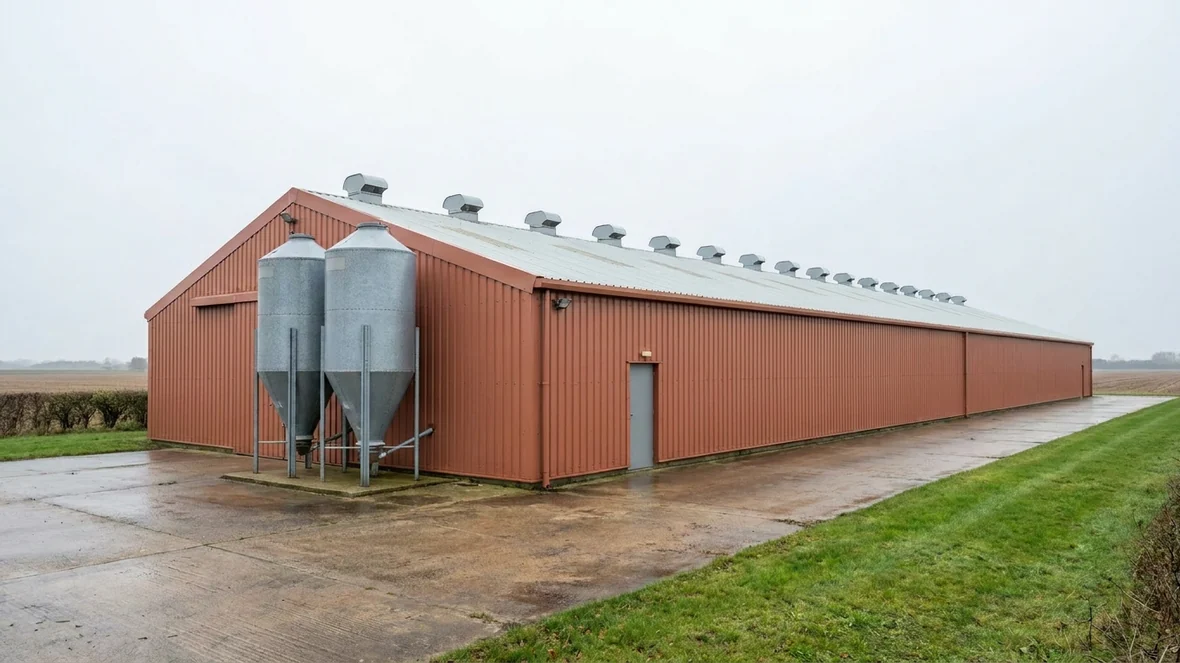
The stock is typical of southern Oxfordshire. Modern steel-framed grain stores and general-purpose sheds sit beside older asbestos cement cattle yards and open-fronted feed buildings. Machinery sheds often share a yard with livestock housing. Some holdings run pig or poultry buildings; others are pure arable with large clear-span stores for harvest. Out toward Didcot and along the Thames villages the pattern repeats: profiled metal on newer frames, fibre-cement on mid and late twentieth-century ranges, and traditional masonry barns in light agricultural use.
What they share is exposure. Open Vale ground and the river corridor give little shelter from driven rain. North slopes hold moisture and moss. South and west faces take the sun and fade first. Rooflights, ridge lines and gutters fail as often as the main field of sheets, so any survey treats details as separate items.
Farm buildings around Abingdon flex, carry muck and take knocks, so barn painting has to be specified for that life, not for a garden fence.
What an agricultural building coating does and where it is the wrong answer
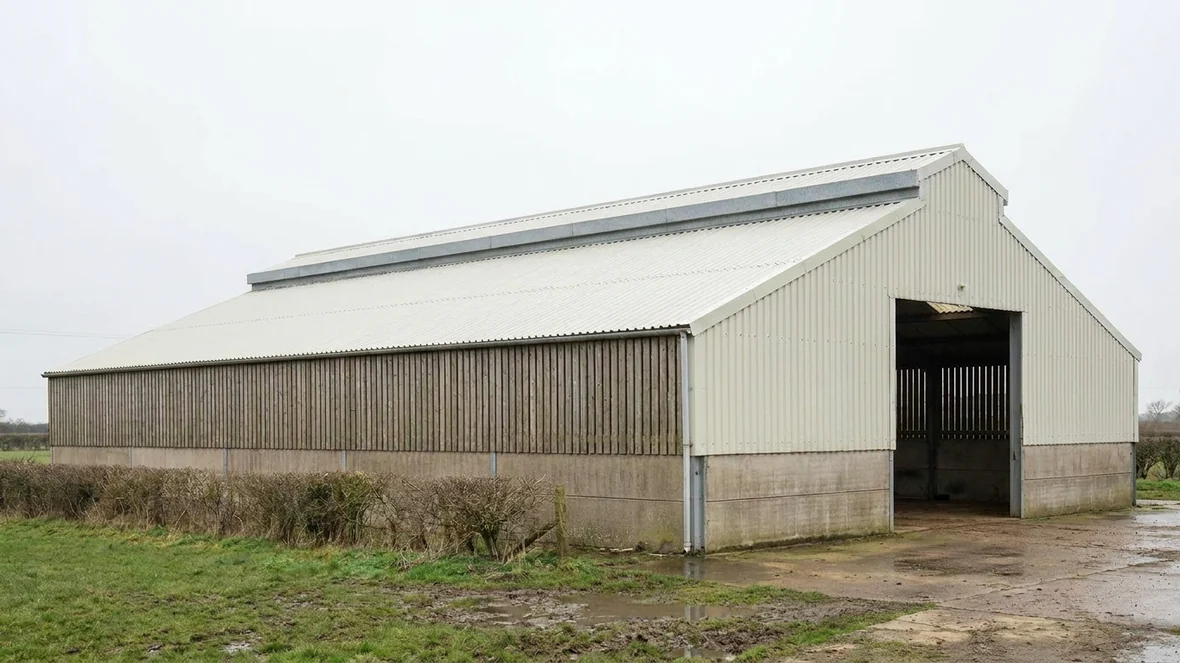
A survey-led agricultural coating system cleans, repairs and seals sound roofing and cladding so water stays out and remaining metal or fibre-cement is protected. On profiled steel that often means dealing with weathered factory finish, failed washers and early cut-edge corrosion, then applying a flexible system built for the substrate. On fibre-cement it can mean controlled preparation and encapsulation where the sheets remain intact. Roof painting and exterior cladding painting here are not a cosmetic brush job. They are commercial painters work with proper access, preparation and a written scope.
Coating is the wrong answer when sheets are cracked, holed or delaminating across wide areas, when asbestos cement has become friable, when corrosion has eaten through the metal or into the purlins, when insulation in a built-up roof is saturated and will not dry, or when the building is headed for demolition or conversion. We will say so, and point you toward repair, partial sheet replacement or full re-covering rather than sell a system that fails early. Hybrid scopes are common: renew the worst bays or rooflights, reinstate fixings and gutters, treat cut edges, then coat what remains sound.
- Sound sheets with surface weathering: prepare, repair details, then coat
- Local failure at cut edges, laps, fixings or gutters: treat the detail before the field
- Widespread perforation, friable fibre-cement or failed structure: replace or remove, do not mask
- Livestock and grain stores: programme work around washdown, biosecurity and empty windows
- Every recommendation in writing, including when coating is refused
Asbestos cement sheets, cut edges and gutters: what gets assessed first
On many older ranges around Abingdon the first questions concern the original sheeting. Profiled asbestos cement from the mid and late twentieth century remains common on cattle yards, stores and workshops. Under the Control of Asbestos Regulations, whoever controls maintenance of a non-domestic building has a duty to manage asbestos: find it, assess it, record it and keep a plan under review. Where sheets are sound, managing them in place with a purpose-made encapsulant is a recognised route. Where they are broken, soft or extensively damaged, controlled removal is the honest path.
On metal roofs the early failure is often at the cut edge, the strip of bare steel left where factory coating stopped short. Moisture sits in overlaps and above gutters; rust tracks under the finish and lifts it back. Gutter lines collect grit, moss and the first rust stains, so they are checked for falls, joints, brackets and capacity as carefully as the sheets. Corrosion repairs and gutter relining only make sense when the receiving structure still has enough sound metal left to hold them.
Our survey-led process, worked around the farming calendar
Farm work does not wait for a coating contractor. Grain stores need empty, clean windows after harvest and before intake. Livestock buildings bring biosecurity rules, washdown cycles and batch movements that dictate when outsiders can be on site. We plan access, pressure washing and spraying around those realities, not around our own diary alone.
The process is straightforward. We walk the building, record condition with notes and photographs, identify materials that need careful handling, and set out what must be repaired before any coating. You receive a clear written view of options: coat, hybrid repair and coat, or replace. Only after that do we discuss programme and method. For a wider view of how we work on farms elsewhere, our agricultural building coatings area pages use the same survey-first approach town by town.
Why the survey comes before any specification
Specification without inspection is guesswork. Two barns on neighbouring holdings near Abingdon can share a similar age and look very different once you are on the roof: one may need only detail work and a protective system, the other may be beyond coating. Substrate type, moisture, adhesion of any previous coat, fixing condition and drainage all change the product choice and the preparation route. A free survey establishes those facts before materials or labour are committed.
We will not invent warranties, accreditations or client names to win the job, and we will not price a system from a postcode. If the building will not take a coating, the survey says so. If it will, the written scope is the basis for everything that follows. To arrange a visit for a farm building in or around Abingdon, start with a free quote and site survey and we will take it from the condition of the fabric, not from a catalogue.
Common questions about agricultural building coating Abingdon
Can agricultural roof coatings be applied all year round?
We assess each agricultural building coating Abingdon project individually to determine the optimal weather window. External application typically requires a stretch of settled, dry weather with minimal overnight condensation. We monitor humidity, dew point and substrate temperature on site and will delay or reschedule rather than compromise adhesion. Inside surfaces of open sided barns and livestock sheds generally offer more flexibility for out of season work, provided we can establish adequate ventilation and cure conditions.
How do we know whether to recoat or fully replace our corroded sheet roofing?
That decision begins with the survey data. When we inspect an agricultural building coating Abingdon site, we measure the remaining substrate thickness at multiple points across every roof slope using precision gauges. We test for perforation, fatigue cracking around fasteners and structural movement. If the steel retains sufficient core integrity we recommend a systematic clean, treatment and overcoat programme. If loss of section is too advanced we will advise a replacement strategy, often specifying coated sheets that arrive pre-finished from the mill. The survey report makes the tipping point clear so you are not left guessing.
What surface preparation is needed before coating a grain store?
Grain stores demand meticulous preparation because even minuscule coating failures can contaminate a bulk commodity. After isolating and blanking off all handling machinery, we dry sweep, vacuum and degrease every surface that will receive the agricultural building coating Abingdon system. Corroded areas are mechanically needlegunned back to bright metal, and seams are inspected for hygroscopic salts that would otherwise draw moisture through the new film. We then apply an anti corrosive holding primer immediately to the bare substrate, followed by the full system once we have confirmed ambient conditions will hold through the cure period.
Will coating the interior of a livestock shed harm the animals?
No, provided the correct system is chosen and application is controlled. We select coatings specifically formulated to emit very low odour and negligible volatile organic compounds once cured. For occupied buildings we schedule work during periods when stock can be rotated to alternate housing, and we enforce strict ventilation protocols throughout application and for the full post cure interval our technical data sheets prescribe. We also discuss hygiene and biosecurity measures with the farm manager before a single tin is opened.
How long should a properly applied agricultural coating system last on a barn roof?
Service life varies with exposure, but a correctly specified and applied agricultural building coating Abingdon system on a sound substrate can be expected to perform for many years before first maintenance is required. Heavily exposed coastal locations or buildings housing particularly aggressive silage effluent atmospheres fall at the shorter end of the range, while inland machinery stores and grain sheds typically reach the longer end. The key variable is the quality and regularity of the inspection and light maintenance we detail in our handover documentation, clearing debris from gutters and sumps and touching up any localised mechanical damage promptly.
Recently — July 2026
A summer survey gives us time to specify and programme the work before the wetter months make access and curing harder.
Surveys remain free and no-obligation, with a written report on condition, the realistic options and the recommended route.