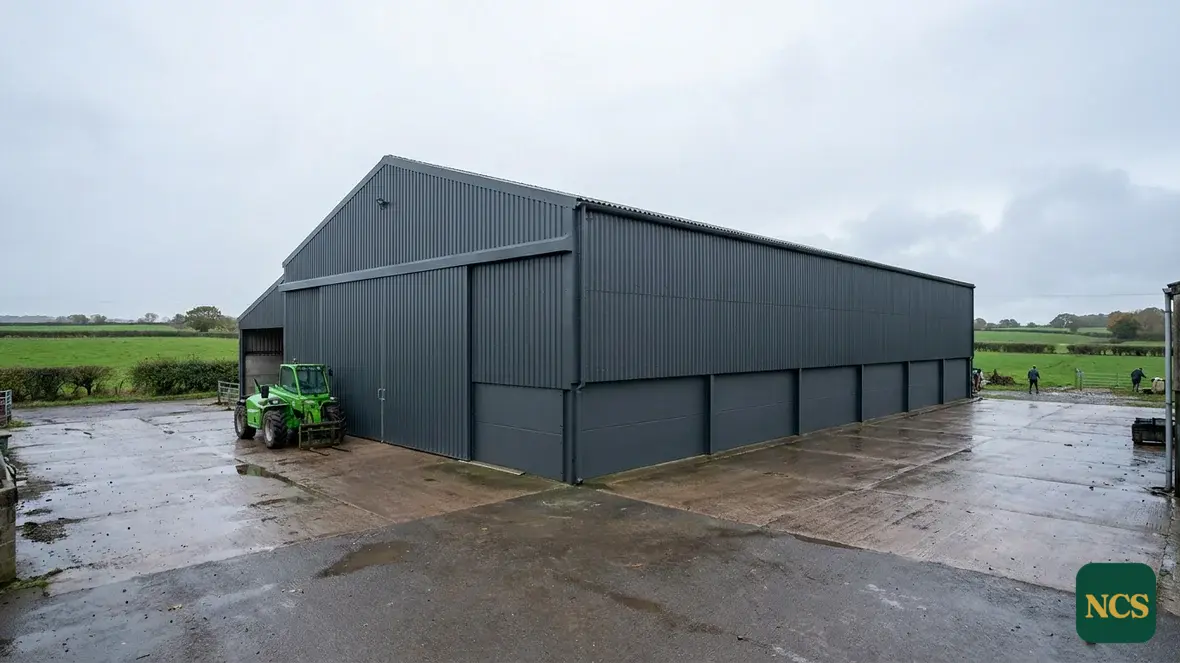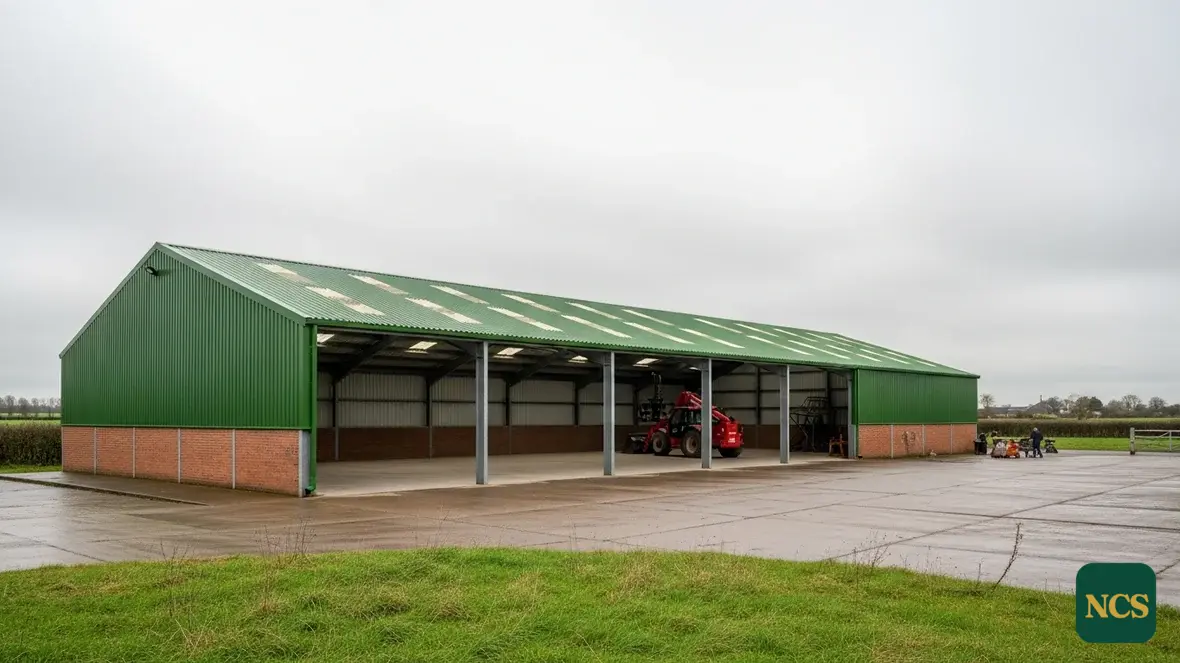
Weather does most of the damage to farm buildings around Bradford. The Pennine fringe deals out wind-driven rain, long wet winters and freeze-thaw cycles that find every weak point in a roof sheet. National Coating Specialists is a survey-led coating contractor covering England from the South-East, and upland work like this is exactly where a proper inspection earns its keep before a single drum of coating is ordered.
Upland buildings take upland punishment
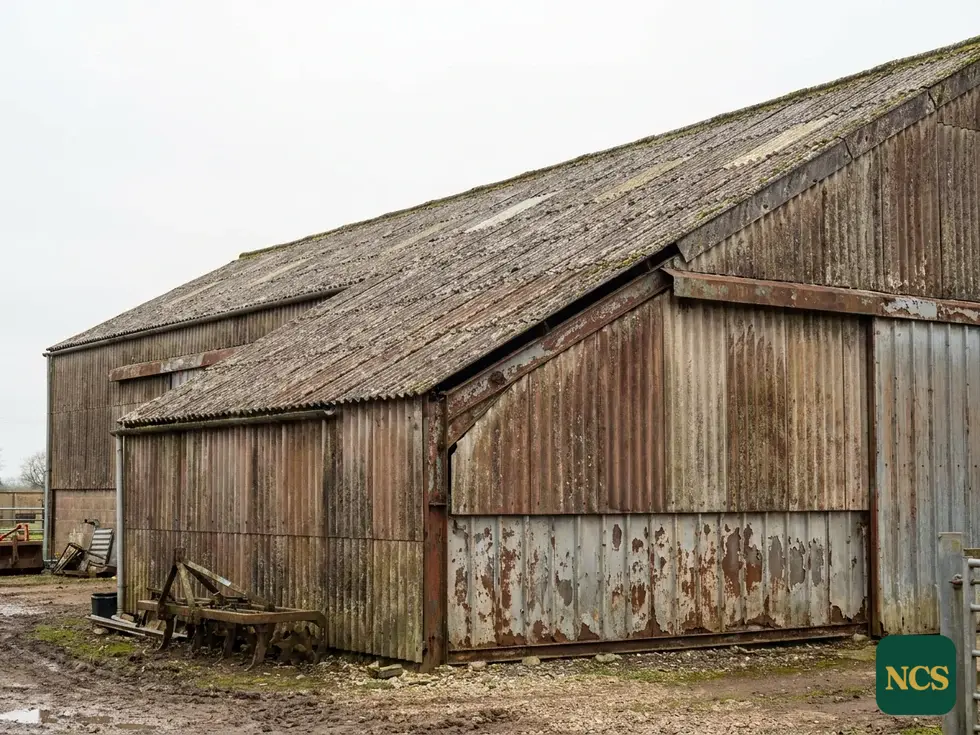
Holdings on the moors and valley sides around Bradford tend to mix old and new: stone barns from another era doing light duty, steel portal frame sheds carrying the real workload of sheep and dairy enterprises, and asbestos-cement roofs on buildings put up generations ago. Exposure is the common enemy. West-facing slopes lose their factory finish years before sheltered ones, fixings work loose in winds that lowland farms never see, and water sits in laps and gutters for weeks at a time through winter. The encouraging part is that most of these buildings are structurally honest. Frames built for Pennine weather were rarely built lightly, so where the sheets still hold their shape, thorough preparation and a suitable coating system can add a serious stretch of working life.
Lambing, housing and the gaps in between
The farming year sets the programme here, not our diary. Spring is lambing and turnout, autumn brings stock back inside, and through winter most livestock buildings around Bradford are full and working. That leaves a window roughly from late spring to early autumn when sheds stand empty or can be cleared, which suits coating work anyway: drier sheets, workable temperatures, daylight to spare. We agree dates around your own fixed points, silage cuts and shearing included, and we build in slack because upland weather can shut an exposed roof down at short notice. Better an honest programme with contingency than a tidy one that falls apart in the first wet week.
What the survey establishes
Before recommending anything we inspect from proper access equipment, slope by slope. We record sheet condition and thickness of remaining finish, the state of fixings and washers, rooflight brittleness, gutter and valley condition, and what the underside of the roof says about water already getting in. Purlin staining and rusted stanchion bases tell a story that no view from the yard ever will. The findings come back to you with photographs and a plain recommendation. Where one building is worth coating and its neighbour is not, the report treats them separately rather than bundling everything into one convenient quote.
Asbestos-cement: coat it or leave it alone
Asbestos-cement sheet is everywhere on older Pennine farm buildings, and there is no single right answer to it. Weathered but structurally sound sheets can often be cleaned with appropriate controls and encapsulated, sealing the surface and getting more service from a building without disturbing it. Sheets that are soft, cracked or delaminating should not be coated at all, and pretending otherwise helps nobody. Where removal is the right course we say so and step back; that work belongs with a specialist removal contractor, not a coating crew chasing a sale.
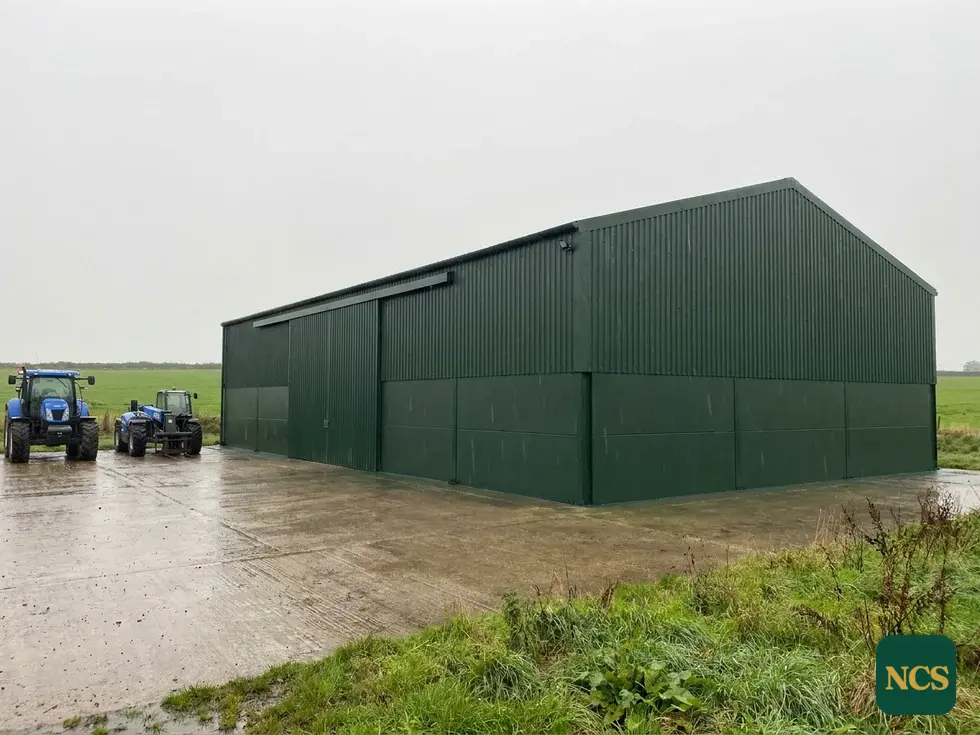
We will tell you when coating is the wrong answer
Coating earns its keep on roofs with widespread surface breakdown but sound bones. It is the wrong tool for roofs that have already failed. Signs that usually point to replacement rather than coating:
- Perforation or daylight visible through the sheets
- Fibre-cement that has gone soft or friable
- Delamination spreading across whole slopes
- Fixing failure repeating along the same purlin lines
- Movement or corrosion in the frame itself
If your roof shows these, we say so plainly and put it in writing. Money spent coating a finished roof is money wasted twice: once on the coating, and again when the roof comes off anyway.