Bradford’s industrial roofs and the asbestos question
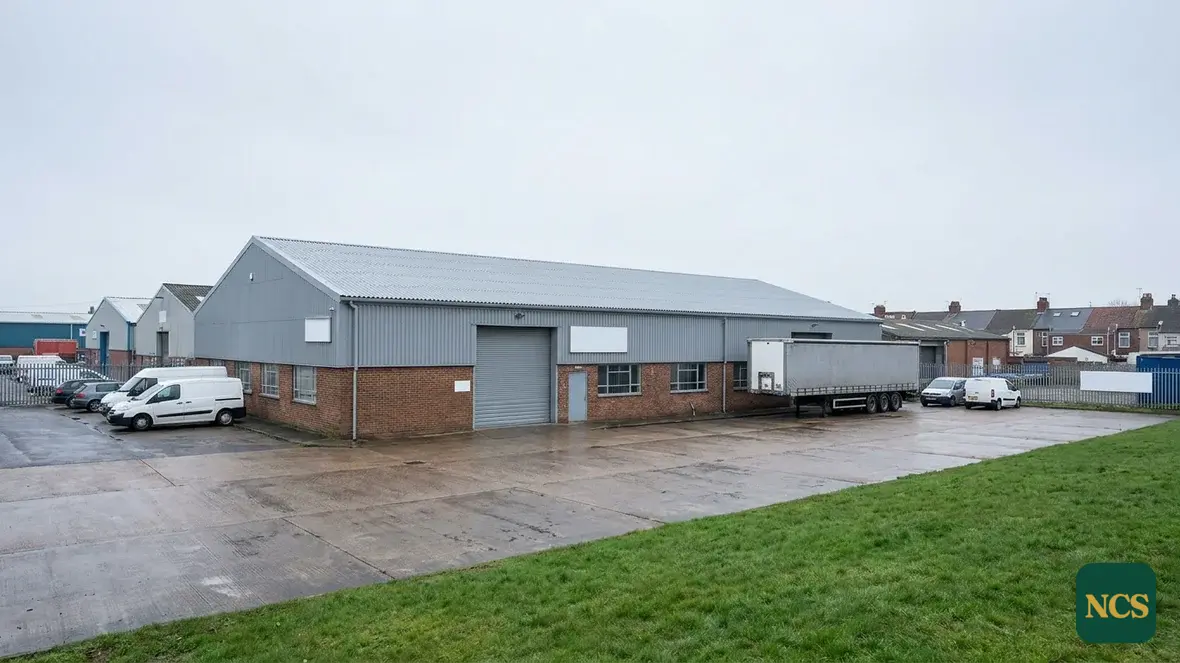
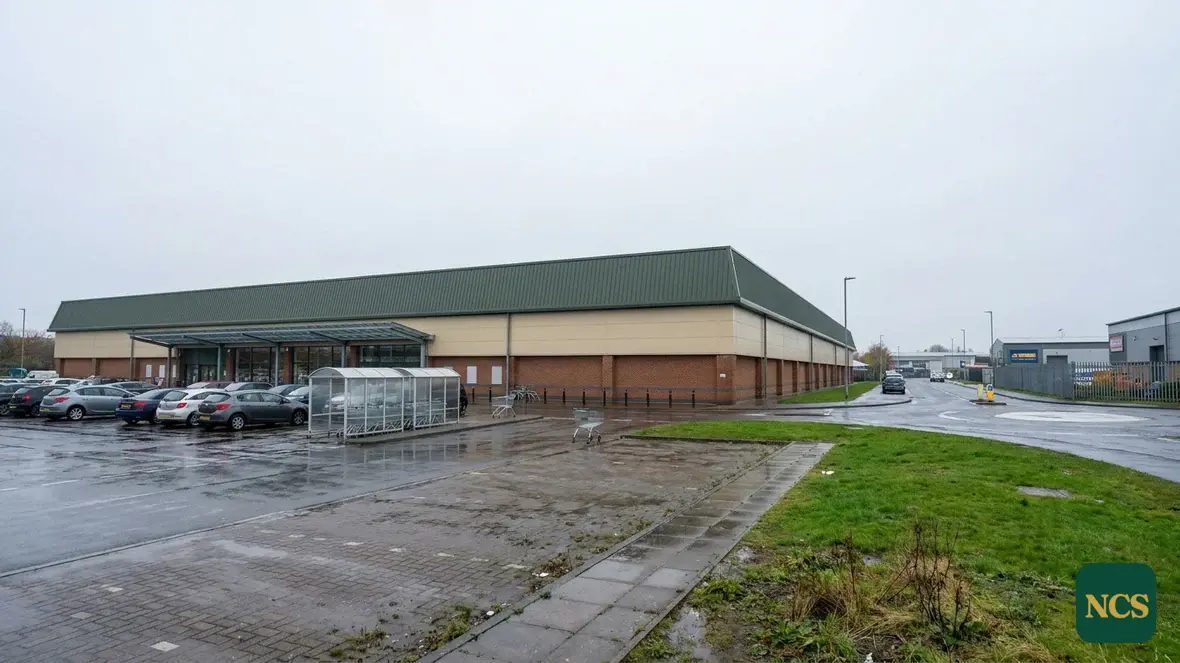
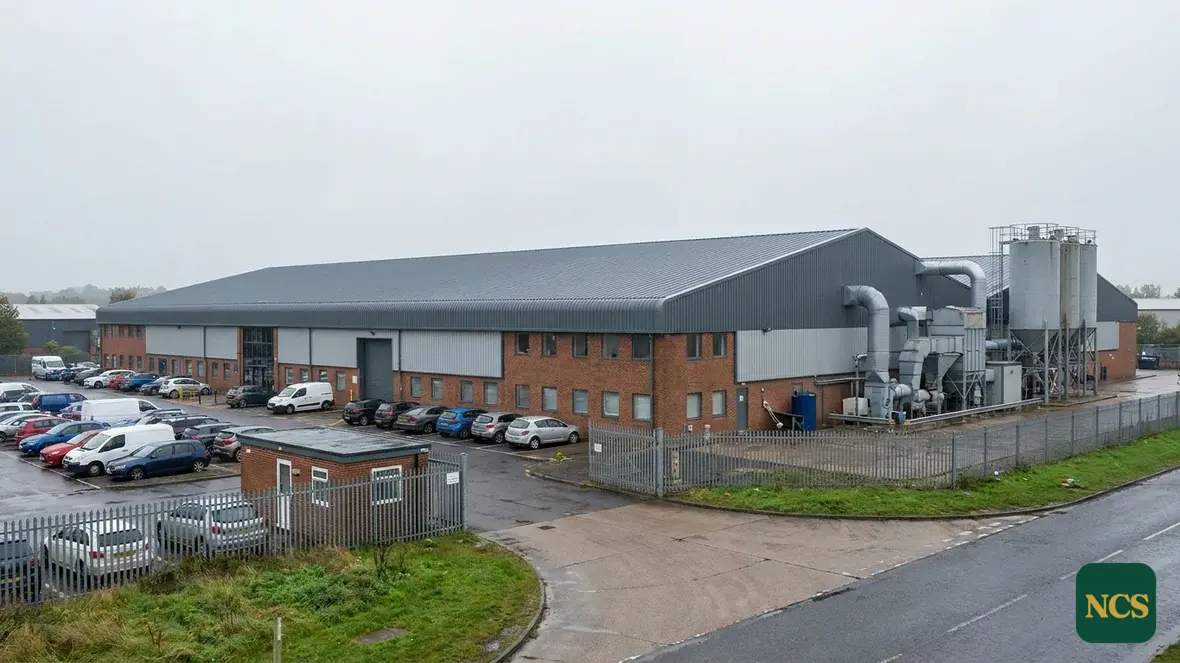
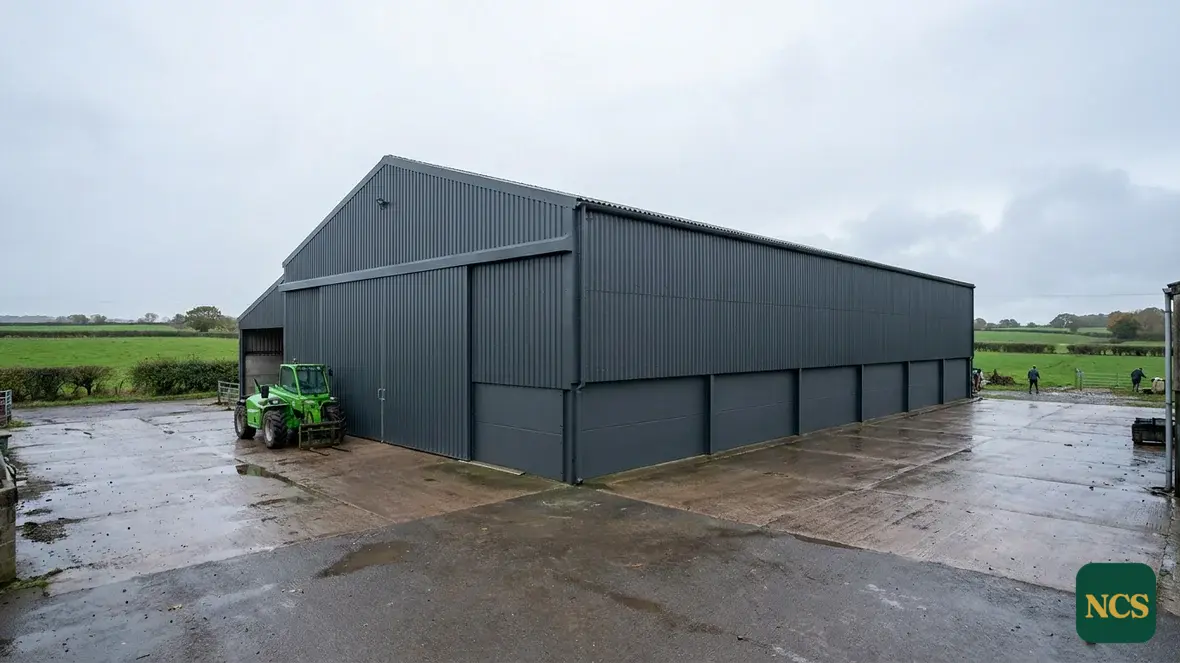
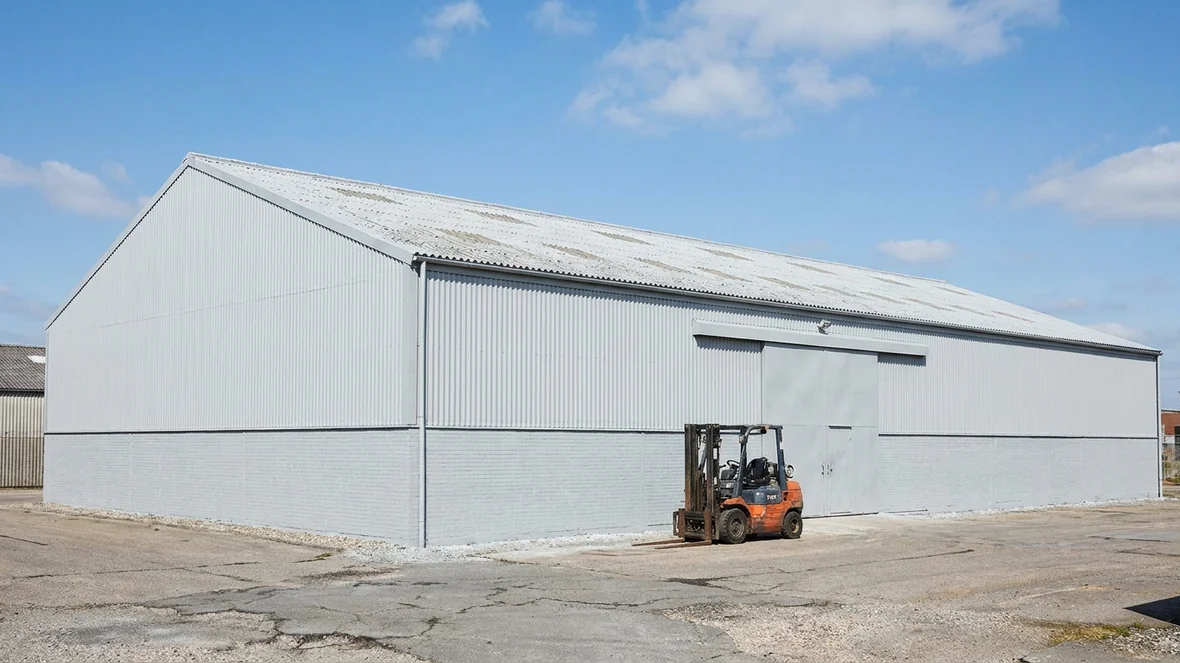
Bradford carries a deep industrial history, and the building stock shows it. Across the city and its surrounding estates you find mills, works, warehouses and large commercial sheds, a good number of them re-roofed or extended during the 1960s, 70s and 80s when asbestos cement sheeting was standard. If you own or manage one of these buildings, the roof is very likely a candidate for treatment, and asbestos roof encapsulation in Bradford is one of the most practical ways to keep it weathertight without a full strip-out.
Why owners reach for encapsulation
Replacing the roof on a large industrial unit is expensive and disruptive. It usually means stripping every sheet, handling and disposing of asbestos waste, and shutting down part of the operation while the building stands open. Encapsulation takes a different path. The existing sheets are cleaned, stabilised and overcoated with a protective system that seals the asbestos in place and gives the roof a fresh weatherproof skin. The fibres are contained, the building stays in use, and the cost is typically well below that of removal and reroofing.
The CAR 2012 duty behind it all
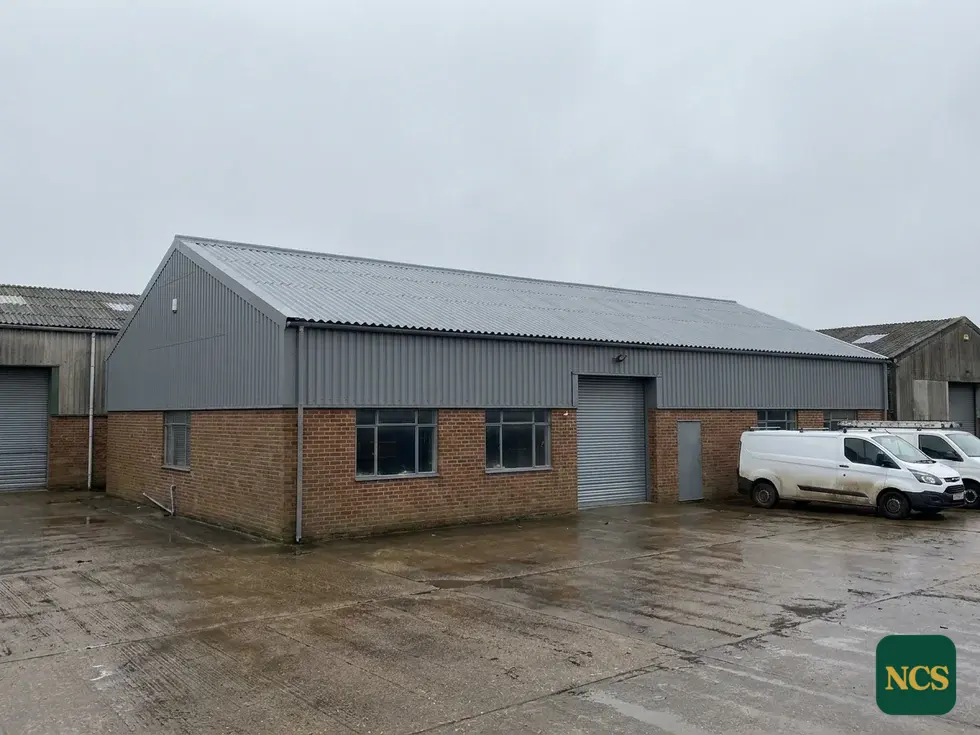
The Control of Asbestos Regulations 2012 place a duty to manage asbestos on whoever is responsible for maintaining a non-domestic building. That means knowing where the asbestos is, recording its condition and acting before it becomes a risk. Encapsulation is one of the accepted ways to control asbestos cement roofing in good condition, and our survey gives you a written record of the roof’s state that supports your compliance position rather than leaving you guessing.
When encapsulation is the wrong answer
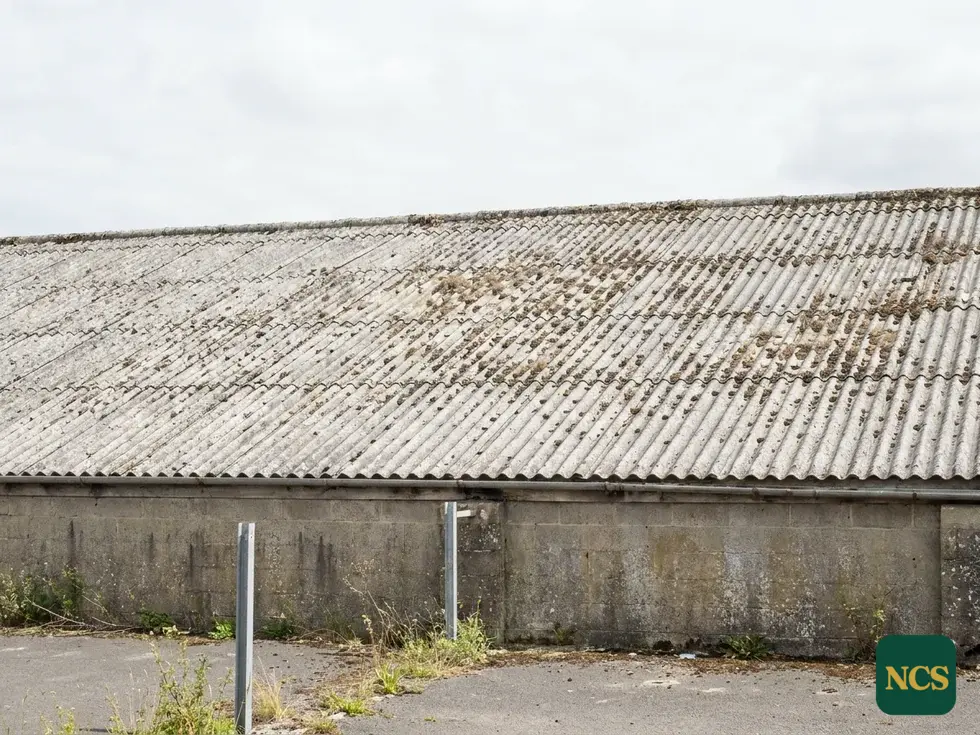
We will not coat a roof that should come off. Asbestos cement that has cracked through, delaminated badly, gone friable or started releasing fibres cannot be sealed safely, and encapsulation would only postpone a removal that needs to happen. In those cases the sheets should be taken down by competent operatives working to HSE standards under CAR 2012. Removal of asbestos cement is usually non-licensed work, so a licensed contractor is not always required, but the controls, RPE and waste handling absolutely are. The higher-risk materials that do demand a licensed contractor, such as sprayed coatings or pipe lagging, are a separate matter from the roof sheets themselves. We tell you which situation you are in.
What you get from us
An encapsulation project in Bradford starts with a proper look at the roof, not a price plucked from the air. We assess the sheeting, the fixings, the laps and any cut edges, then advise honestly on whether coating or removal is right. If encapsulation suits, we set out the system and method; if it does not, we say so. There is no charge for the survey and no obligation to proceed.
- Suited to ageing industrial and warehouse roofs in sound condition
- Keeps the building operational during the works
- Typically lower cost than stripping and reroofing
- Supports your duty to manage under CAR 2012