Cladding spraying in Bradford
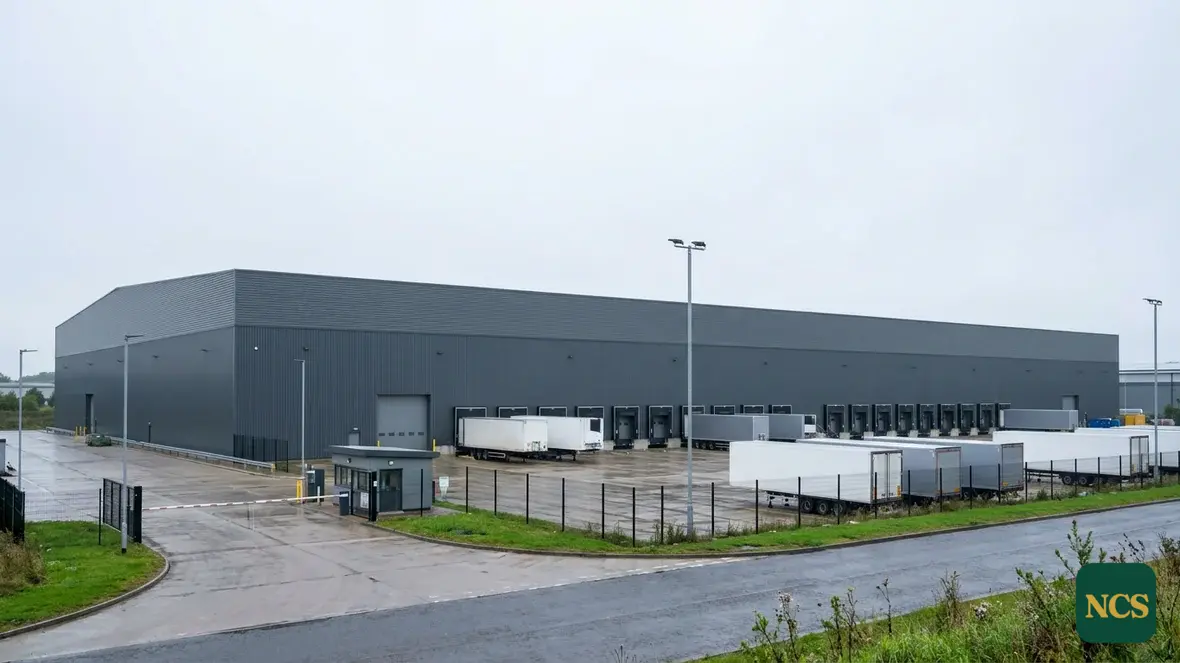
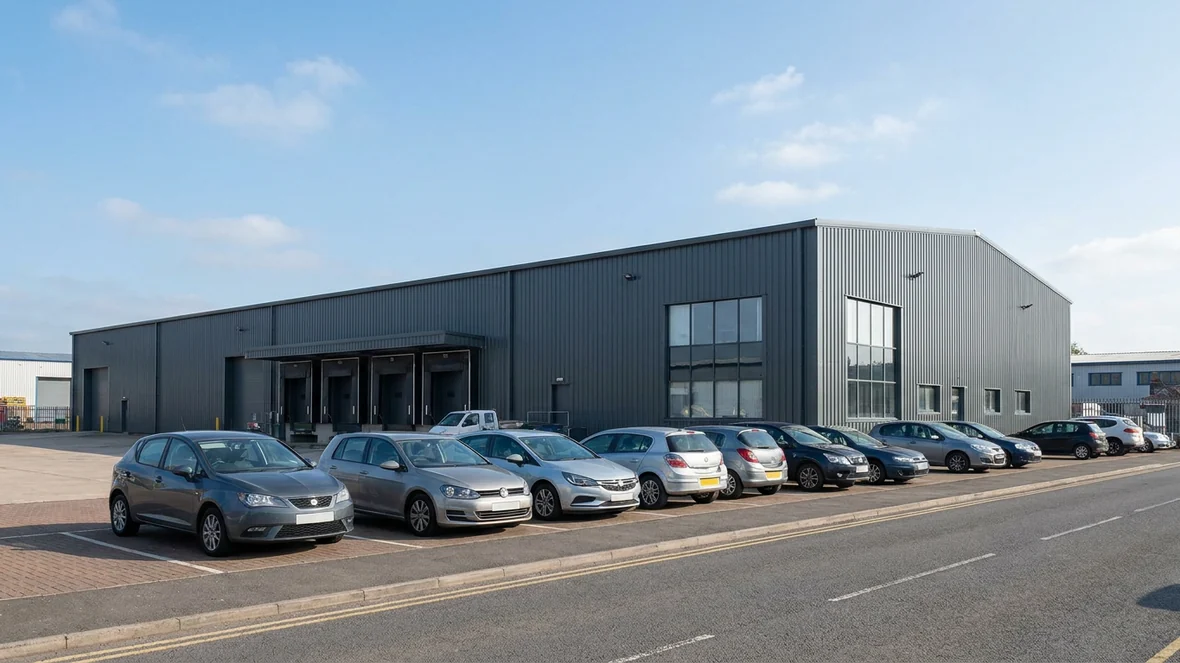
Bradford’s working buildings get no favours from the weather. Pennine rain, wind-driven grime and hard winters dull coated steel quickly, and the industrial estates and distribution sheds along the M606 corridor carry plenty of panels that have gone flat, chalky or rust-streaked before their time. Cladding spraying in Bradford reverses that on site: proper preparation, corrosion treatment and spray-applied coatings that put colour and protection back into the building you already have, without the cost of stripping serviceable panels.
We are survey-led by policy, not as a sales line. The state of a West Yorkshire elevation can only be priced honestly after it has been inspected, because the preparation burden is where the real cost of this work sits.
Industrial stock and Pennine weather
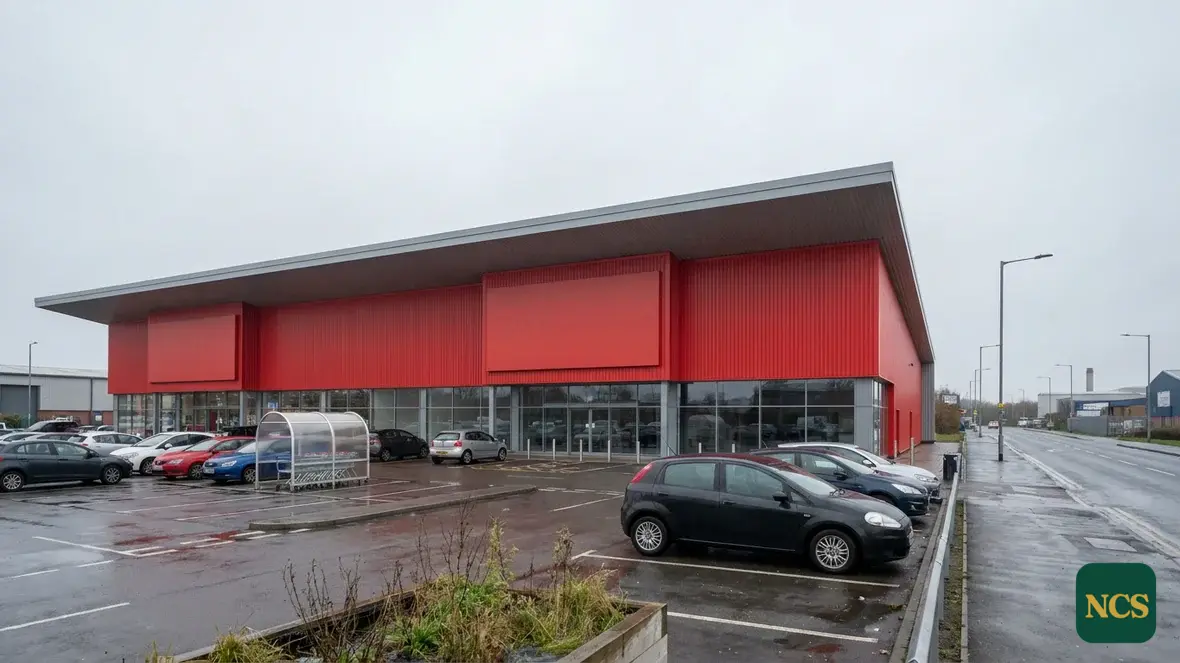
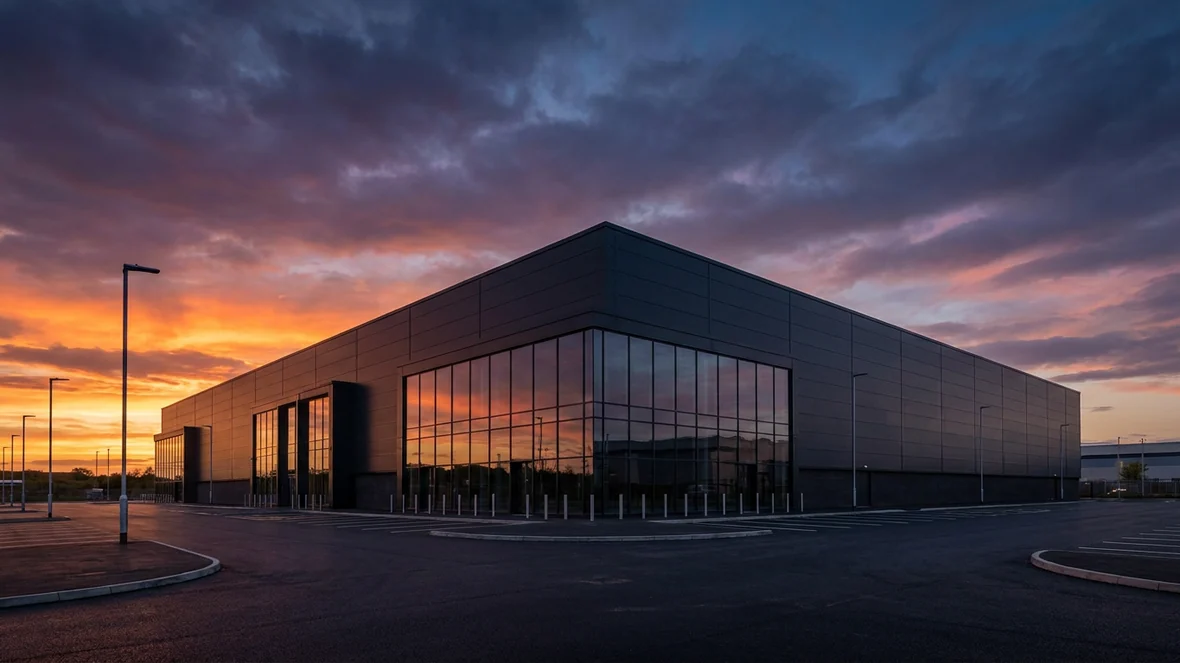
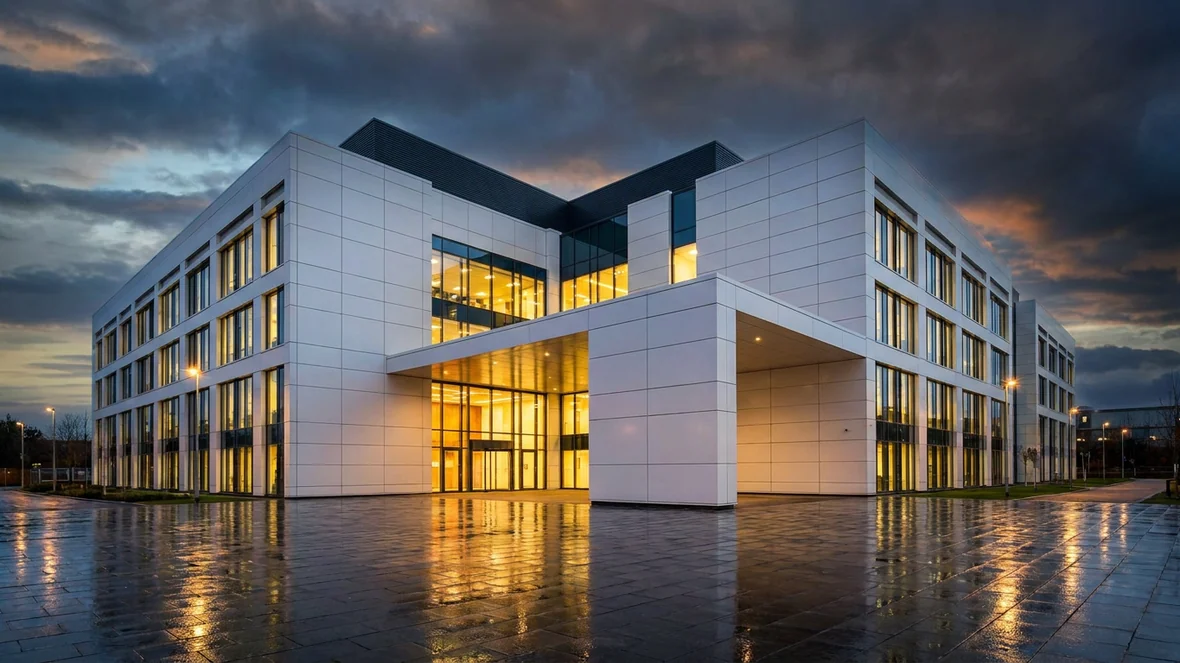
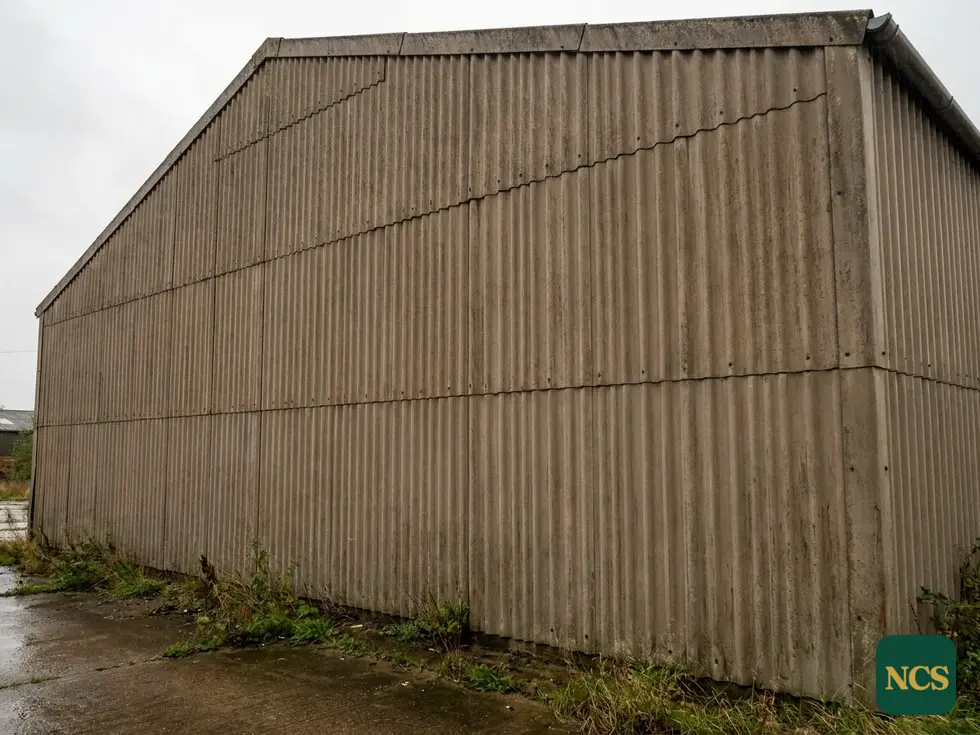
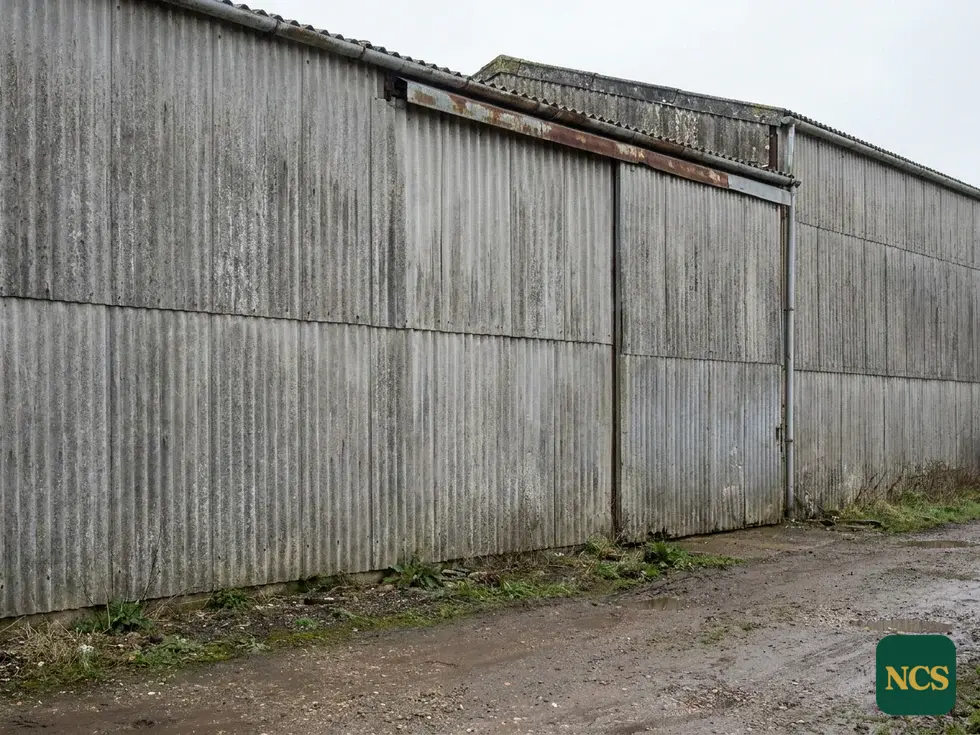
The typical Bradford job involves profiled steel cladding on manufacturing and warehouse units, composite panels on newer distribution stock, and curtain walling or panel infills on offices. Plastisol finishes lose gloss first, then chalk, then let corrosion start at the cut edges along laps, sills and gutters; west-facing elevations usually lead the decline. Roller shutters, fascias, soffits, window frames and rainwater goods are normally coated in the same visit, and a full colour change costs little more than like-for-like once the access and preparation are in place, which is why so many refurbishments double as rebrands. Stone and brick frontages often sit alongside clad workshops on the same site; we coat the cladding and metalwork and leave the masonry to the right trade, rather than pretending one method suits everything.
The survey-led route to a lasting finish
Everything starts with the inspection: panel schedule, coating condition, corrosion map, access plan and any constraints from your operation. That produces a written specification and a fixed price against it. On site, the order is fixed:
- Wash down and degrease every elevation due for coating
- Treat rust mechanically and prime exposed steel
- Mask glazing, signage and surrounding surfaces
- Apply the specified system in even spray coats
- Inspect each elevation jointly before access comes down
The same crews work across Leeds, Halifax, Huddersfield and Keighley, so portfolios spread across West Yorkshire can be surveyed, specified and programmed as a single exercise.
When we say no
Some panels are past it, and coating them would be taking your money for decoration. Corrosion that has gone through the steel, composite cores holding water, failed fixings and flashings, or cladding already condemned for thermal or fire-safety replacement all rule out spraying. Where the survey finds any of these, the report says so directly and explains what the building actually needs, even though that usually means a smaller job for us or none at all. Losing work to honesty costs us far less than a failed coating with our name on it would.
Why owners pick a survey-first contractor
Because cheap quotes are usually built on optimistic assumptions, and on Bradford buildings optimism does not survive the first winter. A survey-first contractor counts the corrosion before naming the figure, writes the preparation into the contract, and matches the coating system to the panel and its exposure rather than spraying whatever happens to be on the van. The result is a quotation that holds from start to finish, a programme that fits around a working site, and a finish specified for the weather it actually has to live in. Access works the same way: platforms, towers or scaffold are chosen at survey stage and included in the figure, not discovered as an extra once the contract is signed. If your building is starting to look tired, start with the survey and let the evidence set the plan.