The Warwickshire farmland around Coventry runs to mixed holdings. You see arable grain stores on the better land, livestock and general-purpose buildings on the rest, and machinery sheds on almost every farm. It is country where industrial estates and working farms sit close together, and the farm buildings often get less attention than they deserve. National Coating Specialists is a survey-led contractor covering the UK from the South-East, and around Coventry we treat every enquiry the same way: inspect the roof properly, work out what it actually needs, then plan the agricultural building coatings job around the farm’s year rather than ours.
Mixed farms, mixed building stock
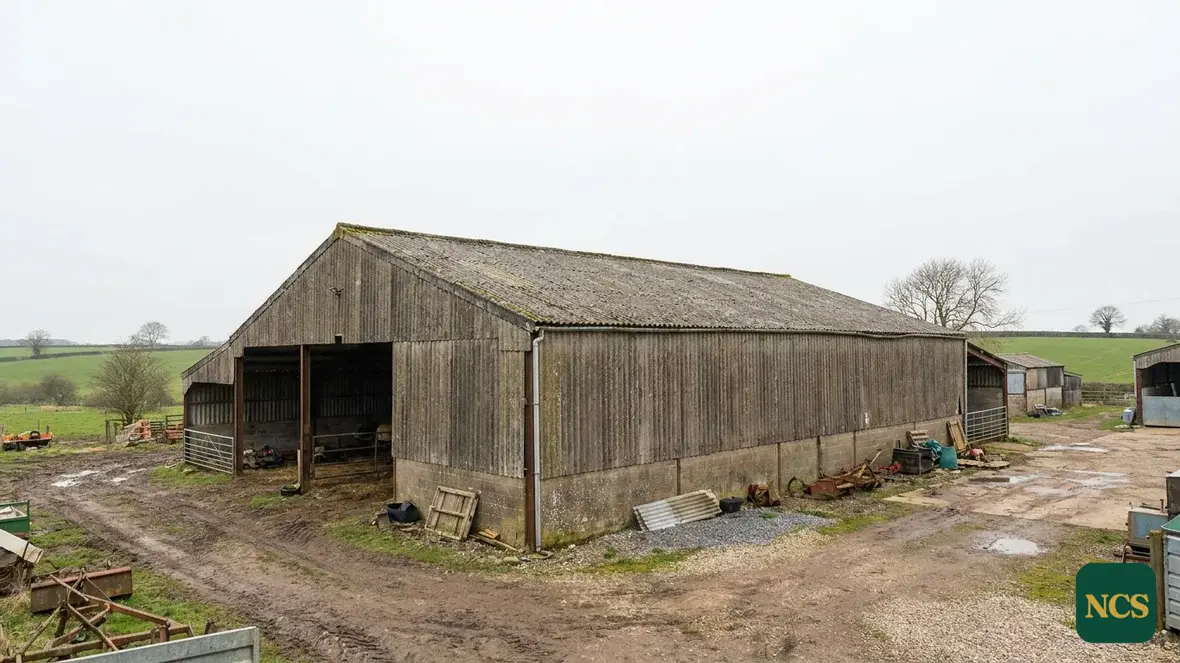
The land outside Coventry carries a varied set of buildings. You find steel portal-frame grain stores, livestock and cattle sheds, hay and straw barns, and the older generation of asbestos-cement and fibre-cement roofed buildings that came before them. Many are thirty to fifty years old, structurally sound, and overdue some attention to the roof that keeps the weather off the crop, the stock and the machinery. Coated steel chalks and fades while the cut edges, laps and fixings corrode; fibre-cement weathers to a porous, moss-covered surface that holds water and grows brittle. The frames are usually fine. The envelope is what fails, and the survey establishes how far gone it is.
The two roof problems we meet most
Most roofs we survey around Coventry fall into two groups. Coated steel fails at the details first: edges and laps open, fixings weep rust, and the exposed faces lose their finish while the sheet underneath is still serviceable. Asbestos and fibre-cement weather to a soft, water-holding surface. Where those cement sheets are intact, a cleaning and encapsulation system seals the surface, stops fibre release from it and extends the roof’s life without the heavy cost of stripping and licensed disposal. Where they are cracked, holed or soft, that is a removal job for a licensed contractor, not a coating job. Both situations are common; the survey tells you which one is on your building.
Planning around stock and harvest
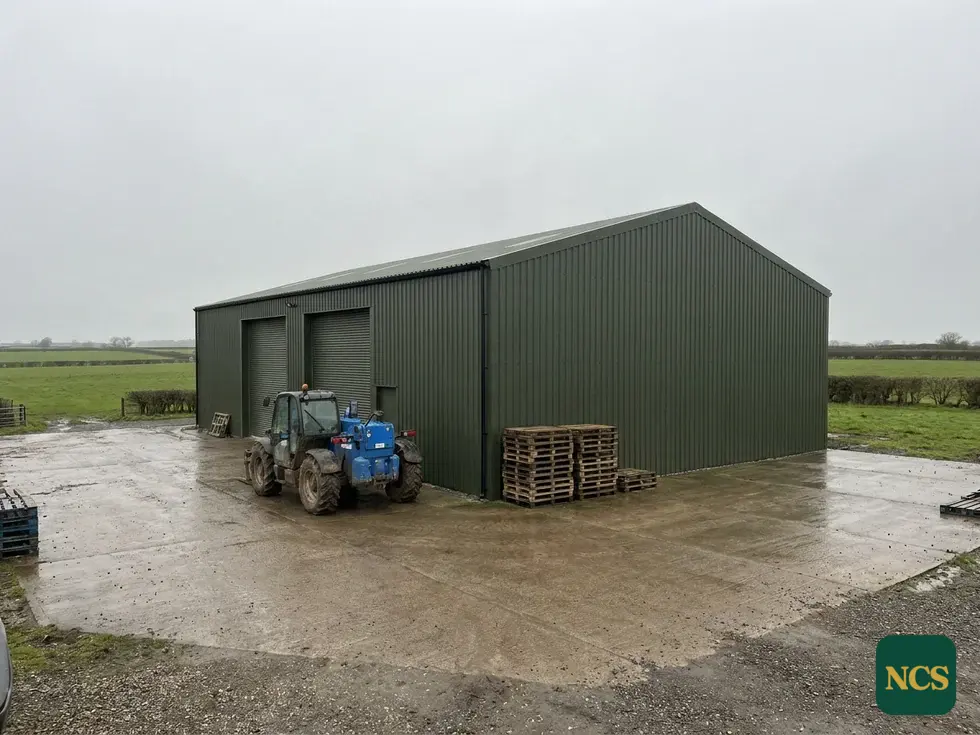
A mixed farm has more than one calendar, so the programme depends on which building is being treated. Grain and crop stores have a clear window after the old crop has gone and before harvest fills the floor again, when coating can be completed and fully cured with the building ventilated ahead of intake. Livestock buildings suit turnout, when cattle are out at grass and the sheds can be worked safely. Machinery sheds fit the weeks the fleet is in the fields. We plan backwards from the date each building has to be back in use, talk through stock movements where they apply, and confirm the dates in writing.
Barn roof painting near Coventry starts with what the sheets are made of. Fibre cement, plastisol steel and asbestos cement each take a different system.
The survey behind the recommendation
We price after inspection, never from a satellite image. Each slope is examined from proper access, and we record the condition of sheets, cut edges, fixings, rooflights and gutters, then look inside for the staining and corrosion that mark out leaks the yard view hides. Around Coventry we also note access and ground conditions, since tight yards and soft gateways decide what plant can reach a building. You receive photographs and a written recommendation you are free to challenge, and where a yard holds several buildings in different states, each one gets its own verdict rather than a single blended figure.

When a coating is the wrong call
We will not recommend coating to everyone who asks, because it is not always the right answer. A roof with a few damaged sheets needs repair, and we will say so even though it is the smaller job. A roof with widespread surface failure on sound sheets is the genuine case for coating, and there are many of those on the farms around Coventry. A roof that is holed, soft underfoot or failing at the frame needs replacing, and a coating would only delay that cost while adding ours on top. The verdict, the photographs and the reasoning come to you, and the decision stays yours.
We carry out agricultural building coatings work in and around Coventry. For the full survey-led service and how we assess each building, see our Agricultural Building Coatings service, or request a free site survey.