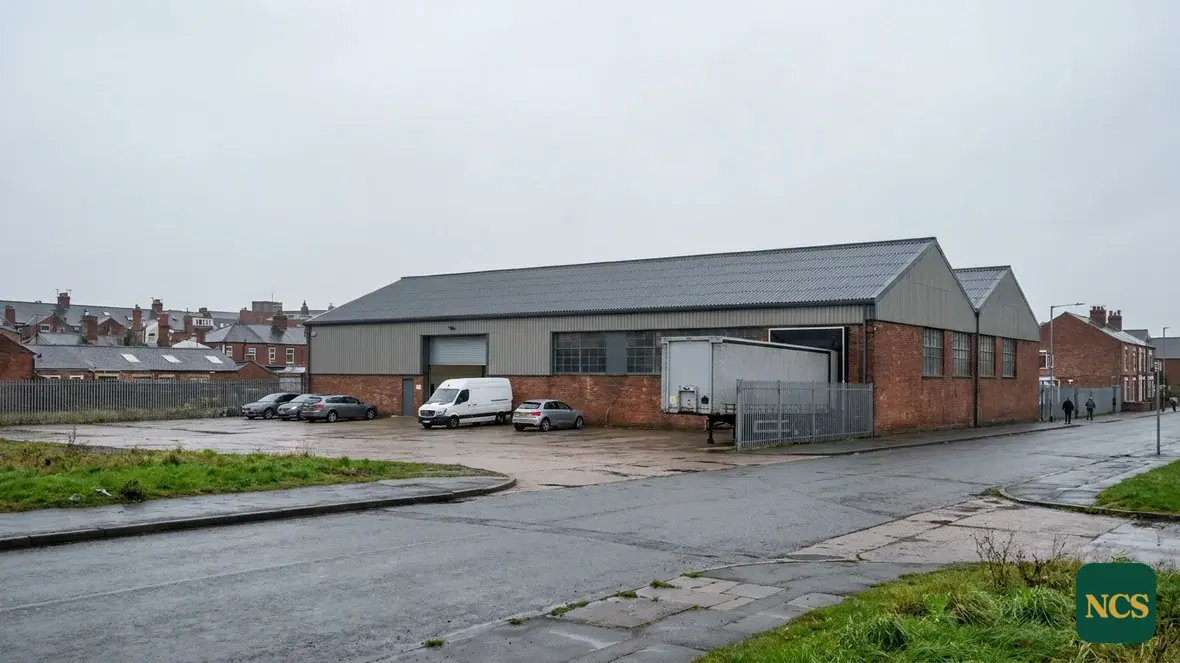
Few cities were rebuilt at the pace Coventry was, and few carry as much mid-century industrial building stock as a result. Factories, works buildings, depots and storage sheds went up through the 1950s, 60s and 70s, and a large share of them were roofed in corrugated asbestos cement, the default industrial roofing material of the era. Many of those sheets are still up there, sixty or more years on. We coat those roofs, walls and cladding, not just to protect them, but also to rebrand your premises, a new colour scheme for a new occupier, or corporate colours to lift a tired frontage in the West Midlands.
When we cannot apply a coating
That last clause matters. We survey every roof before quoting, and some surveys end with us advising against the very work we sell. A coating cannot hold together sheets that are brittle, delaminating or cracked through. If the substrate has failed, the honest answer is removal and replacement. We will put that in writing rather than take the job.
We also will not touch higher-risk materials. If inspection suggests asbestos insulation board or sprayed coatings rather than asbestos cement, the work normally requires an HSE-licensed removal contractor, and we will point you in that direction.
For Coventry building owners with a duty to manage asbestos, encapsulation with the right paint build is often the practical route, and the survey confirms if your roof qualifies.
How a coating system is applied
Done properly, encapsulation is a controlled process from start to finish:
- Controlled cleaning of the sheets, with no dry abrasion or uncontrolled jet washing
- Repairs to defective fixings, laps and flashings
- Making good minor sheet damage where the substrate allows it
- Application of a flexible coating system formulated for asbestos cement
- Attention to rooflights, ridges and gutter details
- Written documentation for your asbestos register
The building stays in use throughout, there is no asbestos waste stream, and the finished roof is watertight with its fibres sealed in. Against the cost and disruption of a full strip and re-sheet, the case usually makes itself, where the sheets deserve it. And a fresh coat of paint can make all the difference to a building’s appearance.
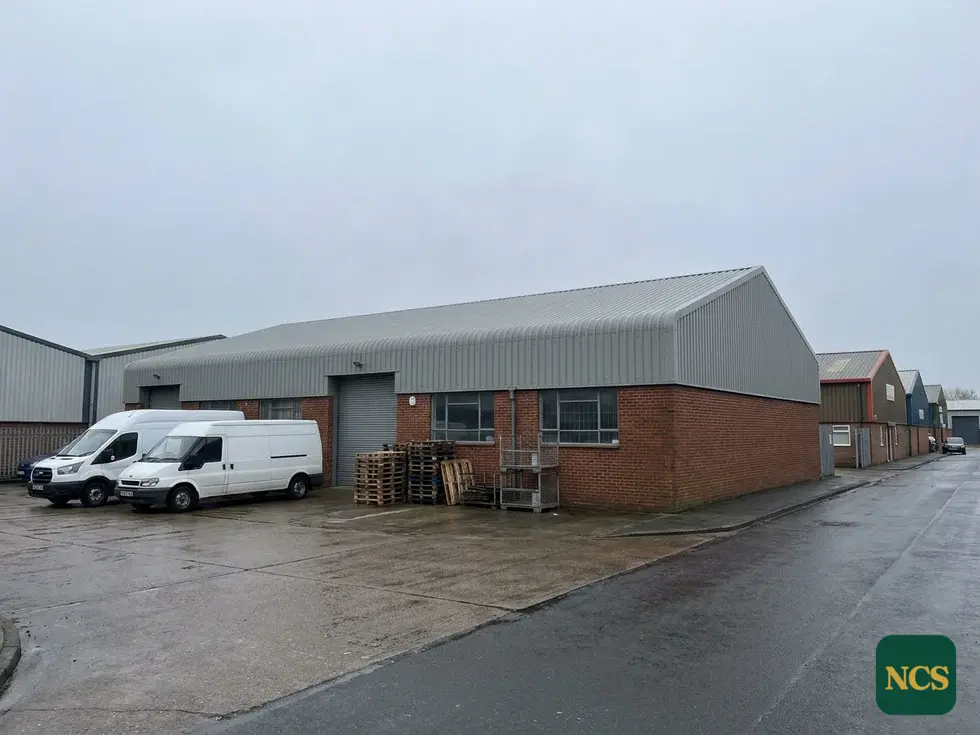
Rebranding industrial buildings in Coventry
We’ve seen commercial buildings across Coventry, from those near the M6 to the A45, that need more than just weatherproofing. The motor-industry heritage of the city often means older industrial units. A fresh coating isn’t just about protecting the fabric; it’s an opportunity for a complete visual overhaul. We can match your corporate colours to cladding, walls, and roofs, breathing new life into a tired facade. Whether it’s a new tenant taking over or an established business aiming for a contemporary look, a rebrand through coating can make the building match the business inside.
What Coventry dutyholders should do next
If you are responsible for a building in Coventry with an ageing asbestos roof, start with evidence. A condition survey tells you what you actually have, whether encapsulation is viable, and what the works would involve. You get written findings and a clear recommendation either way, from a contractor based in the South-East and working across the UK.
And one final point of honesty: encapsulation does not remove your duty to manage. The asbestos stays on the register and the roof should be re-inspected periodically. What you gain is a sealed, watertight, stable roof and a management plan that is finally ahead of the deterioration rather than chasing it. Plus, a new look for your premises.
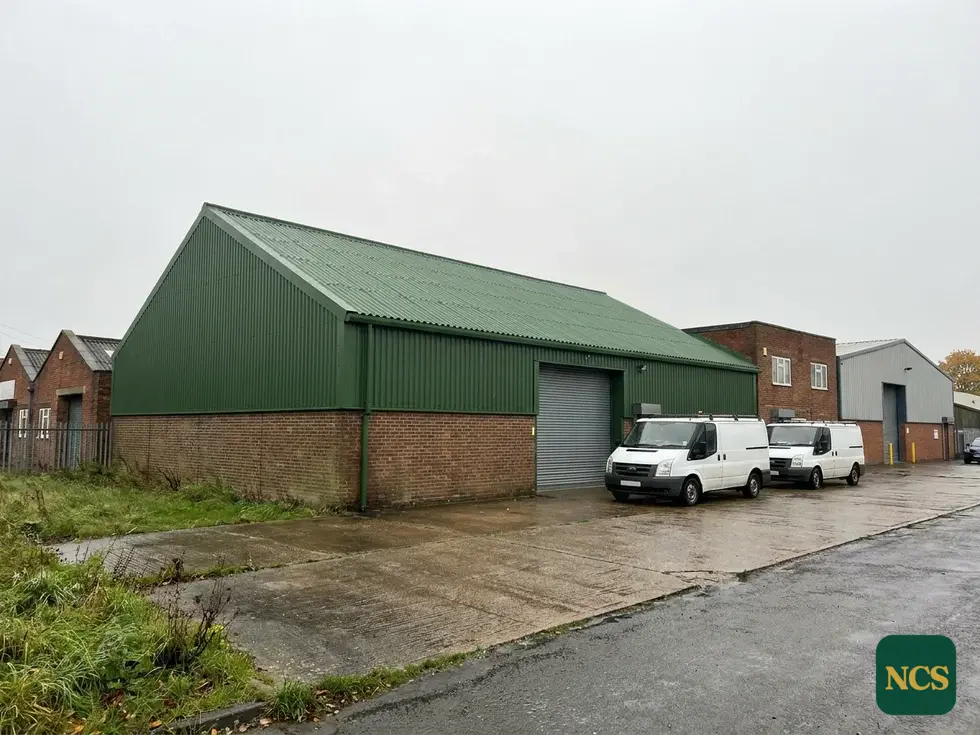
Coventry’s legacy of asbestos cement roofs
Asbestos cement was cheap, fire-resistant and quick to fit, which is exactly why so much post-war industrial Coventry wears it. The trouble is age. The cement matrix erodes slowly in the weather, moss takes hold, surfaces grow porous, and fixings work loose. None of that makes a roof an emergency in itself, but every year of exposure moves the sheets closer to the point where management gets harder and the options get fewer.
Managing asbestos cement, not removing it
The Control of Asbestos Regulations 2012 place a duty on whoever controls a non-domestic building to identify asbestos-containing materials, record their condition and manage the risk. The regulations are often misread as a demand for removal. They are not. Asbestos cement in sound condition can lawfully remain in place, provided it is monitored and kept in good order under a written management plan.
Asbestos roof encapsulation fits that framework neatly. We take a sound but weathering roof, arrest the deterioration, and give you something genuinely manageable rather than a slow-motion problem.