Asbestos roofs across Gloucestershire: the duty to manage comes first
Anyone who controls maintenance of a non-domestic building in Gloucestershire carries a duty to manage asbestos under Regulation 4 of the Control of Asbestos Regulations 2012 – from a unit on the Gloucester docks to a Cotswold-edge grain store. The duty is to identify the material, assess its condition, keep a written record and manage the risk. It does not require removal. Sound asbestos cement can be sealed, recorded and monitored in place, and encapsulation is that decision carried out properly inside your management plan.
Where asbestos cement roofing sits across the county
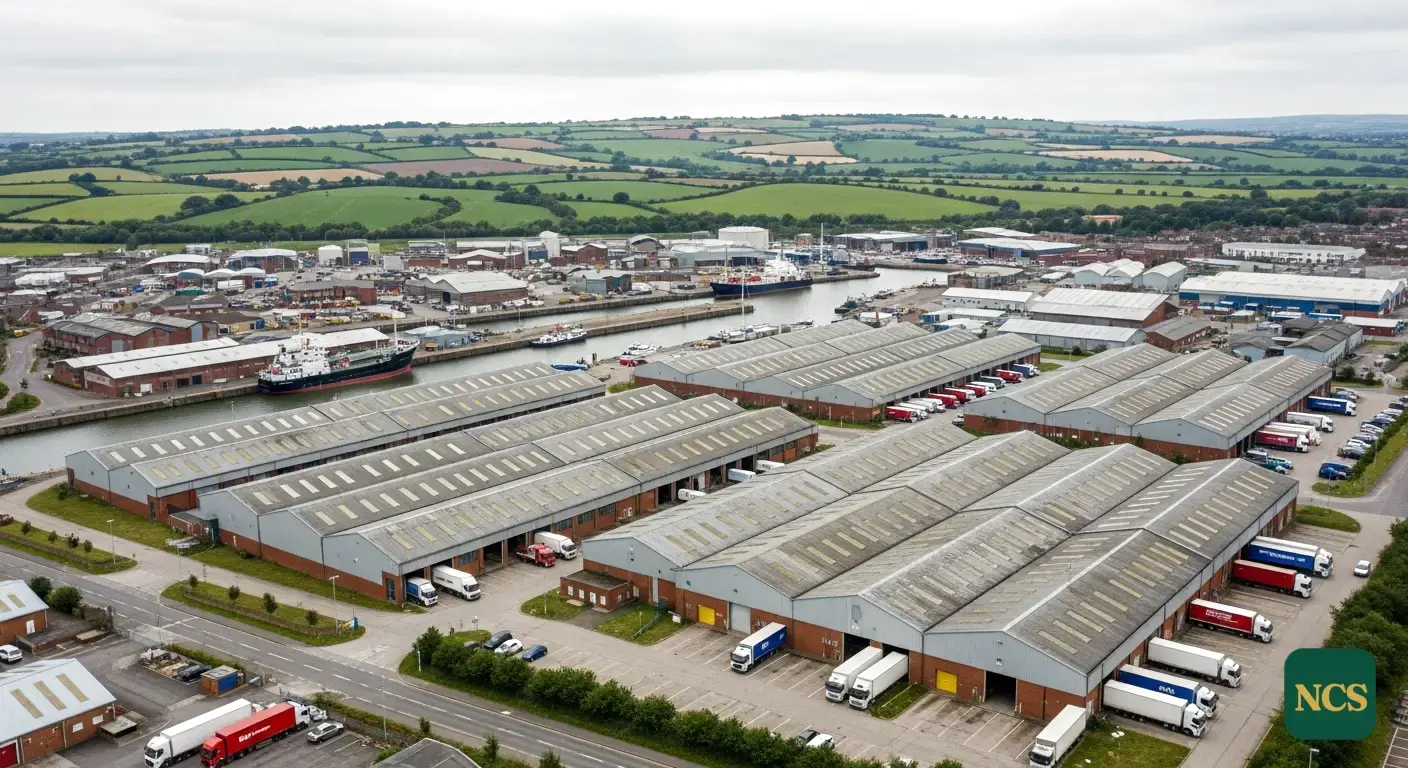
Gloucestershire’s building stock carries 1960s to 1980s asbestos cement roofs in volume. Gloucester is the county’s industrial and distribution heart – the docks and quays, the M5 logistics corridor at Junctions 11A and 12, and the Hempsted and Quedgeley estates – where large warehouse and manufacturing roofs dominate. Cheltenham adds commercial and light-industrial premises on the Kingsditch and Lansdown estates and across its business parks. The Stroud valleys are full of former textile-mill buildings; Tewkesbury and Ashchurch carry industrial and ex-MOD units; and the Severn Vale and Cotswold farmland beyond is roofed mile after mile in corrugated sheet over barns, grain stores and livestock buildings. Most were built for thirty years and have long outrun it.
Around Gloucestershire we encapsulate asbestos cement roofs with encapsulating paint systems made for the job, applied after low-pressure cleaning that leaves the fibres undisturbed.
Encapsulation, repair or removal – the honest choice
Encapsulation is not painting over a problem. We start by surveying the roof sheet by sheet. Under controlled conditions, we clean it right back, repair any failed fixings and leaking rooflights, then seal the whole thing with a coating system made specifically for asbestos cement. The cured surface binds the sheet, locks the fibres in, gets the water shedding again and adds years of life. That’s usually a fraction of the cost of stripping it all out, disposing of hazardous waste and replacing it, and you won’t need to empty the building. Where the substrate allows it, this is the responsible route. Where it doesn’t, we’ll tell you straight.

When we will tell you to remove instead
Some roofs should not be coated. Encapsulation is wrong where sheets are extensively cracked or holed, where the cement has gone soft and friable through saturation, or where structural movement has broken the roof’s integrity. It applies to asbestos cement only: insulation board, lagging or sprayed coating is licensable and must be removed by an HSE-licensed contractor. Where removal is right for your building, we put that in writing and step aside.
Survey-led across Gloucestershire
We survey commercial, industrial, managed and agricultural buildings across the county, including Gloucester and Cheltenham, and out to Cirencester, Stroud, Tewkesbury, Dursley and the Forest of Dean. The route is the same wherever the building is:
- A condition survey of sheets, fixings, rooflights, gutters and structure
- A photographic record for your asbestos management plan
- A plain written recommendation: encapsulate, repair first, or refer for removal
- A specification and price only where coating is genuinely appropriate
- Work carried out under controlled, documented conditions
If you’ve got a building in your portfolio around Gloucestershire, built between the 1960s and 1980s, and that roof hasn’t been looked at properly yet, then a free asbestos roof encapsulation survey answers both your compliance and cost questions in one go.
Recently — July 2026
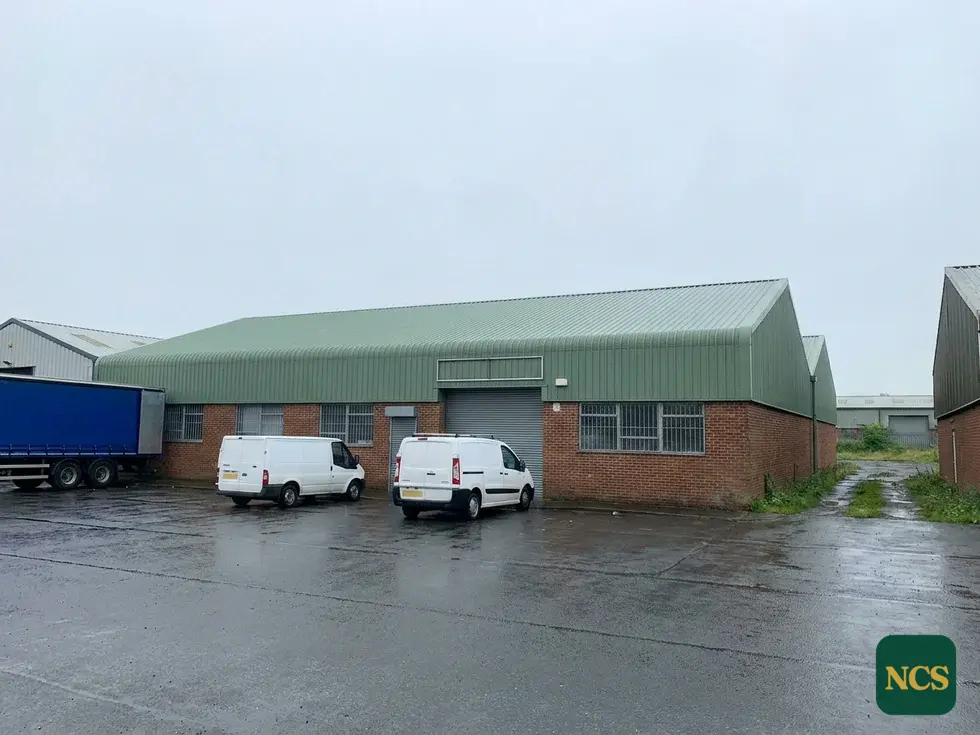
We coat roofs and cladding that still have life in them, and we say so plainly when one is past saving.
Summer is the steadiest season for exterior coating: longer dry spells mean preparation, application and curing can be programmed with fewer weather delays.
We carry out asbestos roof encapsulation work in and around Gloucestershire. For the full survey-led service and how we assess each building, see our Asbestos Roof Encapsulation service, or request a free site survey.