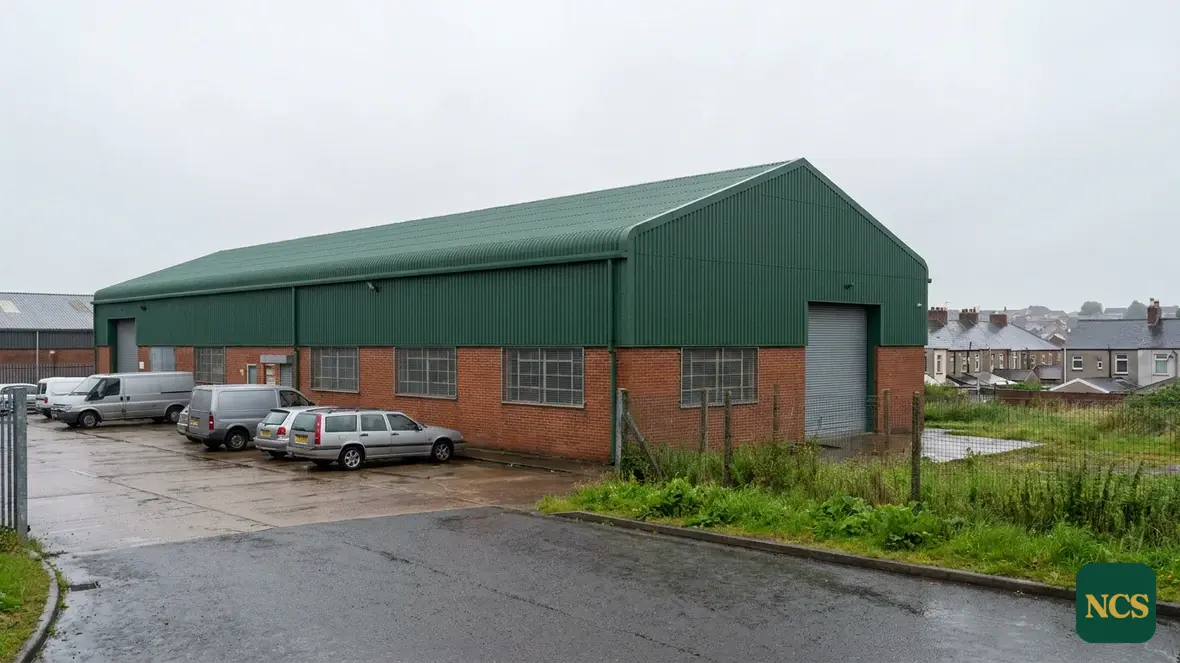
Asbestos cement on farm and commercial buildings around Ripon
Ripon is a small city, but it sits in a big agricultural landscape and the buildings reflect that. Drive around Ripon and across the North Yorkshire countryside and you’ll see decades of livestock sheds, grain stores, machinery barns and small workshops, all still carrying their original corrugated asbestos cement roofs. Most went on between the 1960s and 1980s. Farm buildings tend to keep their roofs for longer than anyone ever planned, and after forty or fifty Yorkshire winters those sheets are usually porous, moss-laden and brittle at the edges. They still hold their structural shape, but the question for owners is whether that condition means removal or whether you can manage it. Many of these buildings have changed hands or changed use over the years, and the paperwork on the roof rarely follows them.
Farms and small businesses carry the duty to manage too
Regulation 4 of the Control of Asbestos Regulations 2012 covers the duty to manage asbestos. It applies to non-domestic premises, and that includes working farm buildings, rented units and commercial property in and around Ripon. As the dutyholder, you have to identify asbestos materials, record their condition, assess the risk and keep a management plan. What the regulations don’t demand is removing sound material. Weathered but intact asbestos cement can be sealed and managed in place, and encapsulation is the practical way to do that: we clean and prepare the sheets under controlled conditions, repair any defects, and then a coating system seals the surface against fibre release and the weather.

Why encapsulation suits agricultural and rural buildings
Removing a large agricultural roof is a serious job. You’ve got controlled stripping, hazardous-waste haulage, a replacement roof, and the building is out of use while the work happens. That matters a great deal when there are animals, stored grain or machinery underneath. Encapsulation avoids most of that. The building stays in service, nothing goes to hazardous-waste disposal, and the cost is usually a fraction of replacement. The coating also closes up the porous surface that causes condensation drip and moss growth, which is often the day-to-day complaint that prompts the enquiry in the first place. For a sound roof, it’s the proportionate answer. We can usually sequence works around stock movements, harvest and the working pattern of the yard. You rarely get that with a full strip and re-sheet.
The difference between asbestos roof painting and proper encapsulation is the specification and the controls. Around Ripon we only do it the second way.
The roofs we will not coat
Plenty of rural sheets are beyond encapsulation, and pretending otherwise would be a disservice. We decline to coat where:
- Sheets are widely cracked, holed or broken, often from slipped loads or storm debris
- Long saturation has left the cement soft, friable or delaminating
- The frame or purlins have moved and the roof plane is distorted
- Repairs would amount to rebuilding the roof sheet by sheet
- The material is insulation board or sprayed coating, which is licensed work for an HSE-licensed removal contractor
Where removal is the right course, our survey report says so in plain terms, and you can take that report to a removal contractor with the groundwork already done.
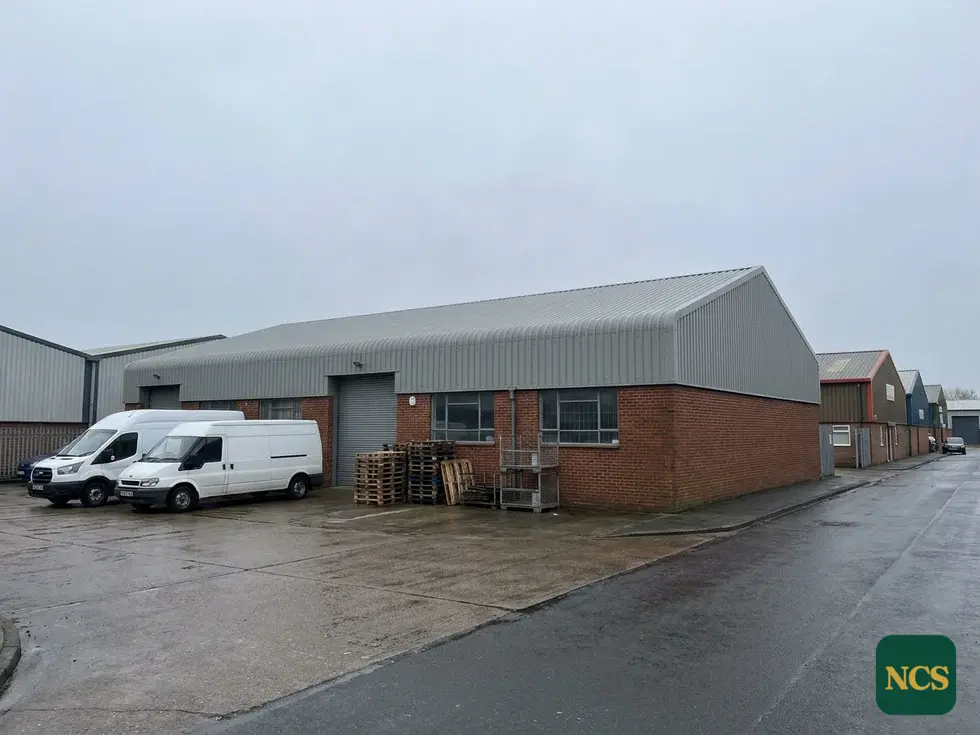
Survey visits to Ripon and North Yorkshire
We’re a survey-led coating contractor. We’re based in the South East, but we work across the UK, and Ripon and the wider North Yorkshire area are covered through our planned survey visits. Every enquiry starts with a condition inspection and a photographic report. That’s an honest assessment of whether your roof is a sound candidate, what preparation it needs, and what the work would involve. That document supports your CAR 2012 management plan, whichever way the decision goes. If your barn, store or unit still carries its original sheeting, an inspection before the next winter is sensible housekeeping.