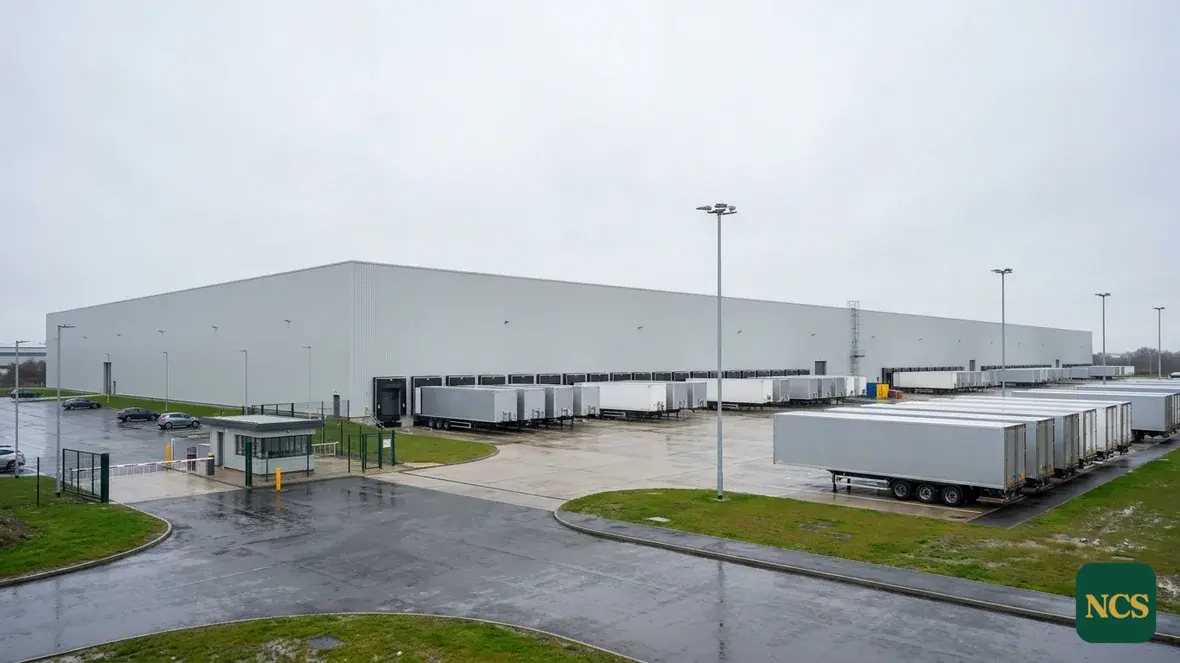
Ripon is a compact cathedral city, and the units, farm sheds and light industrial buildings around it often sport profiled metal roofs. Where you find those roofs, you’ll eventually find cut edge corrosion. The weakness isn’t in the fitting, it’s in the sheets themselves. A rust line along the gutter or staining at the laps is the first sign, and on these roofs, getting it fixed early can save you a fortune later on.
Why profiled metal roofs rust from the edges in
Steel sheets get coated on both sides at the factory, but cutting them to size leaves a thin strip of bare steel exposed. On the finished roof, those raw edges sit at the sheet ends, the side laps, and the gutter line, which are exactly where rainwater pools and dries slowest. That exposed steel corrodes, and the rust then creeps back under the factory coating, lifting and peeling it from the edge inwards. It’s a slow process and easy to miss, which is why we often see so many roofs around Ripon show visible signs along most of their sheet ends all at once.
Building it into a sensible maintenance plan
Catching cut edge corrosion during a routine inspection, rather than after a leak, pays dividends. A roof checked yearly, with its edges and gutters cleared and any early corrosion treated as it appears, can extend the life of its sheets by years. This defect only gets worse: moisture drawn into the lap can’t dry out, the rust spreads, the coating peels, and the steel thins. Spotting it and acting quickly is far cheaper than waiting until water is already getting inside. Keep an eye out for:
- Orange or brown staining along the gutter edges and sheet ends.
- The coating lifting or flaking where the sheets overlap.
- Gutters holding water, or full of rust flakes and grit.
- Damp patches inside, often tracking along the fixing lines.
- Light visible through the sheet ends when you look up from inside.
What early treatment involves
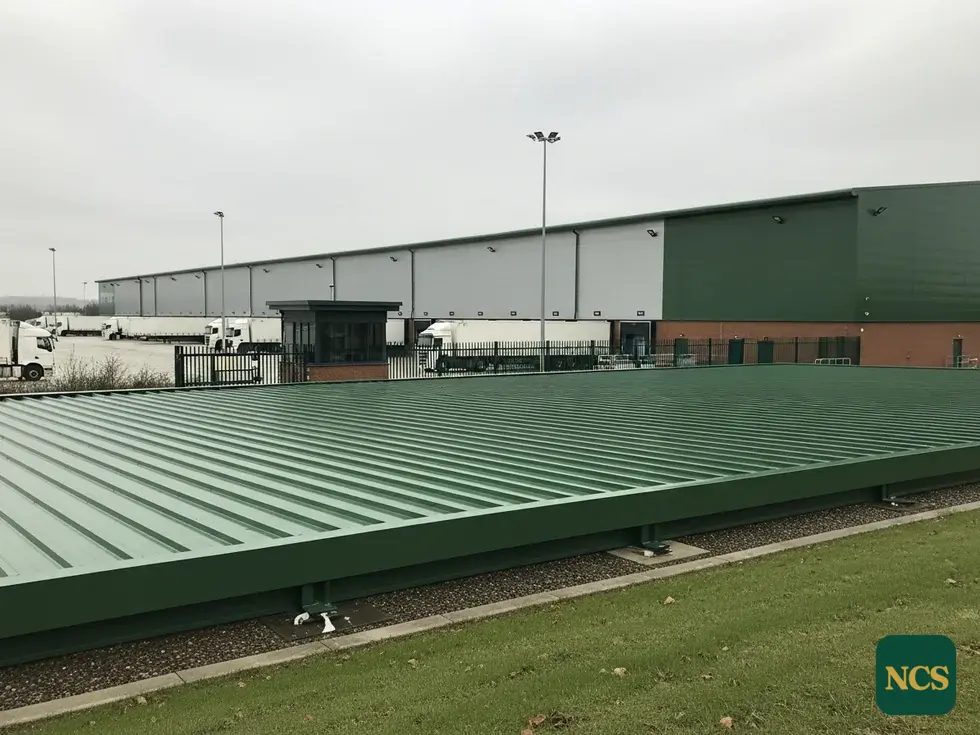
If you catch it when it’s just staining, the repair is contained and your building stays in use. We clean the corroded edges back to solid steel, prime them with a rust inhibitor, then seal the laps and gutter runs with a flexible coating. It moves with the roof and sheds water properly. Your existing sheets keep doing their job, and we only need to set up access once. Leave it too long, and you’re looking at replacing perforated sheets, which on a working agricultural or industrial unit is the kind of disruption you really want to avoid.
We carry out cut edge repairs across Ripon and the surrounding area, treating the bare steel before any coating goes near it.
The honest limit of an edge treatment
Not every roof is right for this, and we’ll tell you straight if yours isn’t. If the sheets are already perforated, if the corrosion has spread deep into the laps over large areas, or if the factory coating is failing across the whole sheet face and not just the cut edges, then coating the edges is a waste of money on steel that’s past it. In those situations, the real options for buildings around Ripon are sheet replacement or over-roofing. You’ll get that honest assessment from us after our survey, not a coating that can’t do the job.
Survey first, then a clear scope
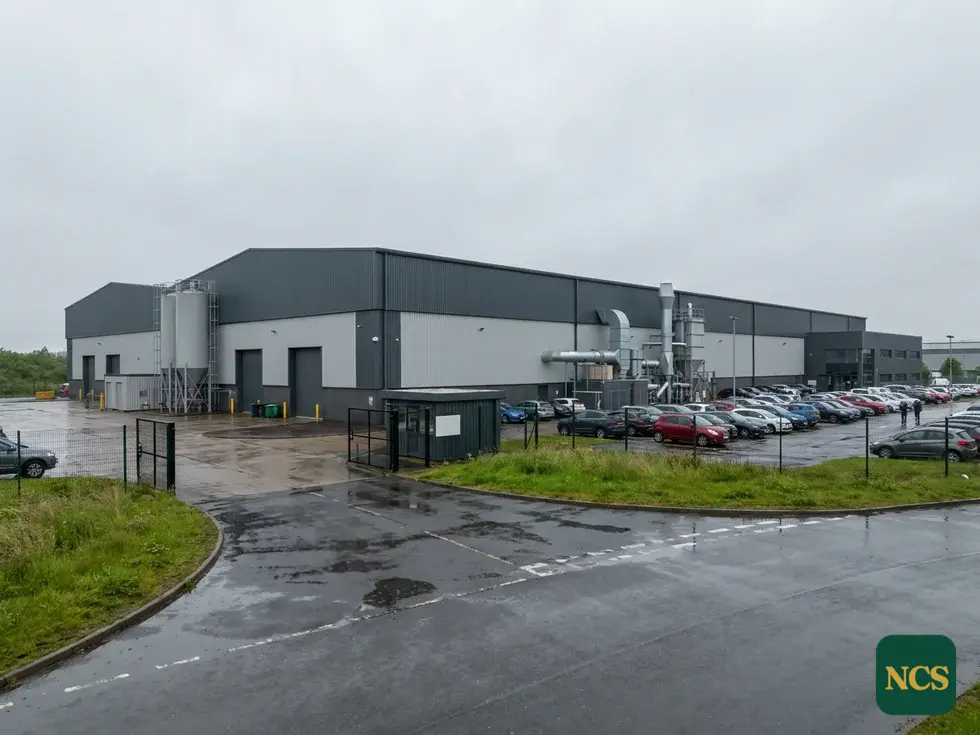
We always start with a proper roof survey. We photograph the laps, edges, gutters, fixings, and the coating itself, so our report shows you the exact condition. If the factory finish is looking tired across the whole roof, combining cut edge treatment with a full roof coating in one visit often makes more sense. One access setup, one finished roof. We’re a South East based contractor, but we work right across the UK, and Ripon and the wider North Yorkshire area are well within our operating range. Send us your building details, and we’ll arrange a survey date.
Recently — July 2026
Through the drier summer months we can programme preparation, coating and curing with far less chance of a weather delay holding the job up.
Recent enquiries here have been a mix of metal industrial roofs, profiled cladding and ageing asbestos-cement sheets, all assessed on a free site survey before anything is specified.