The market-town building stock that still hides asbestos cement
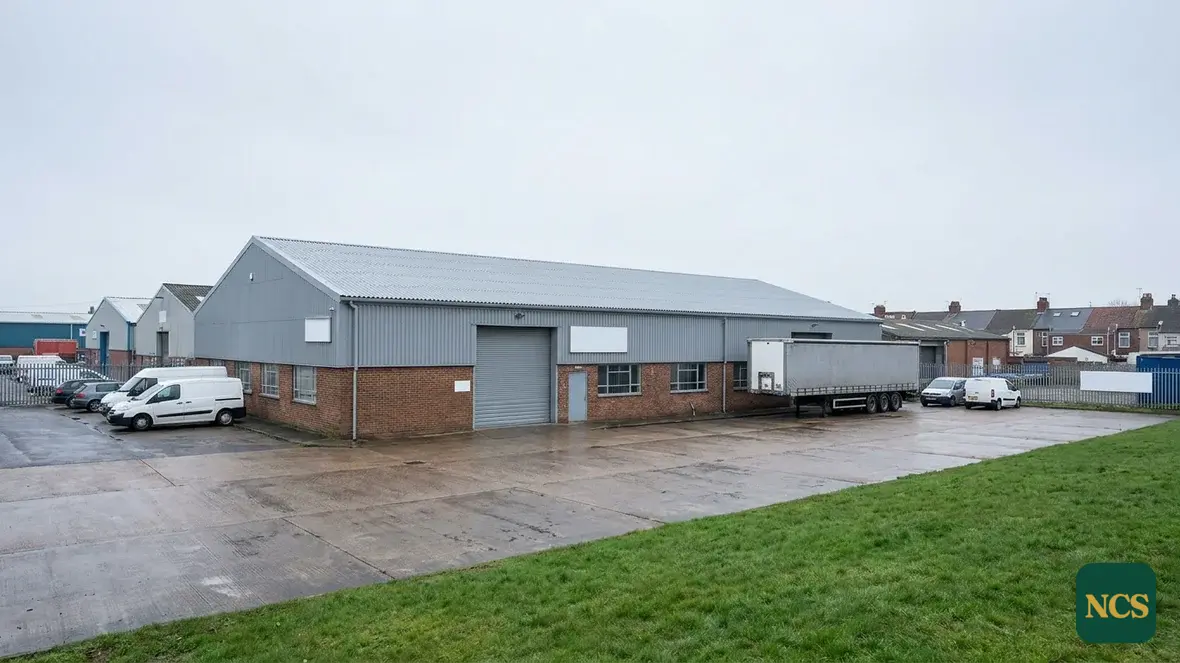
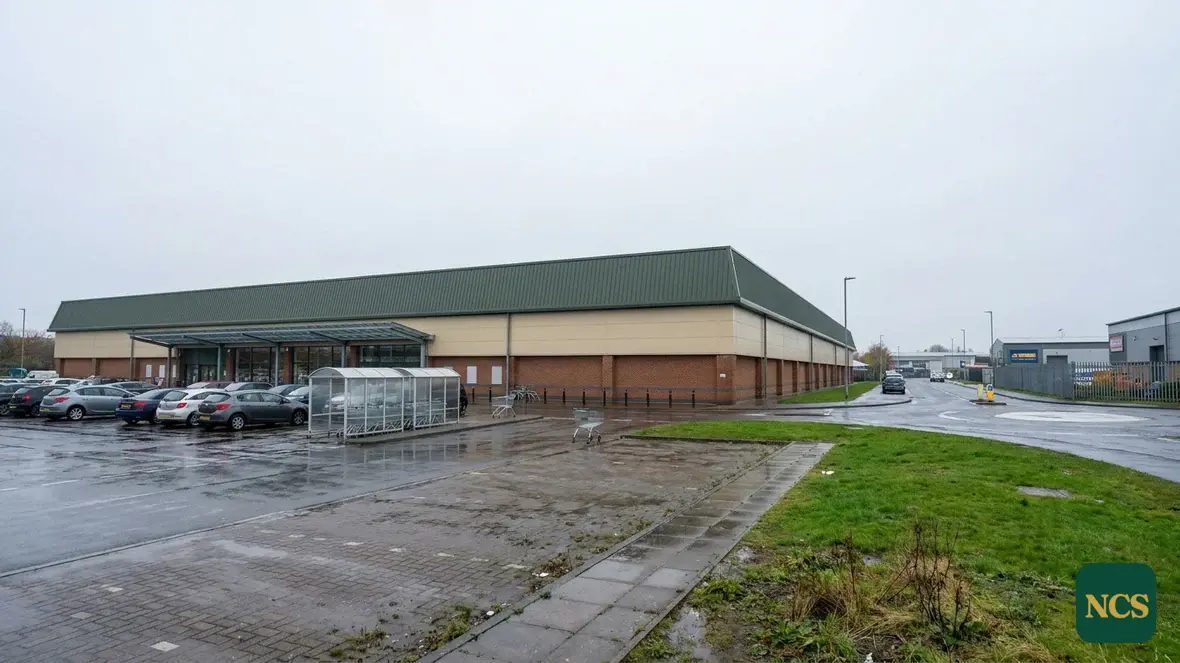
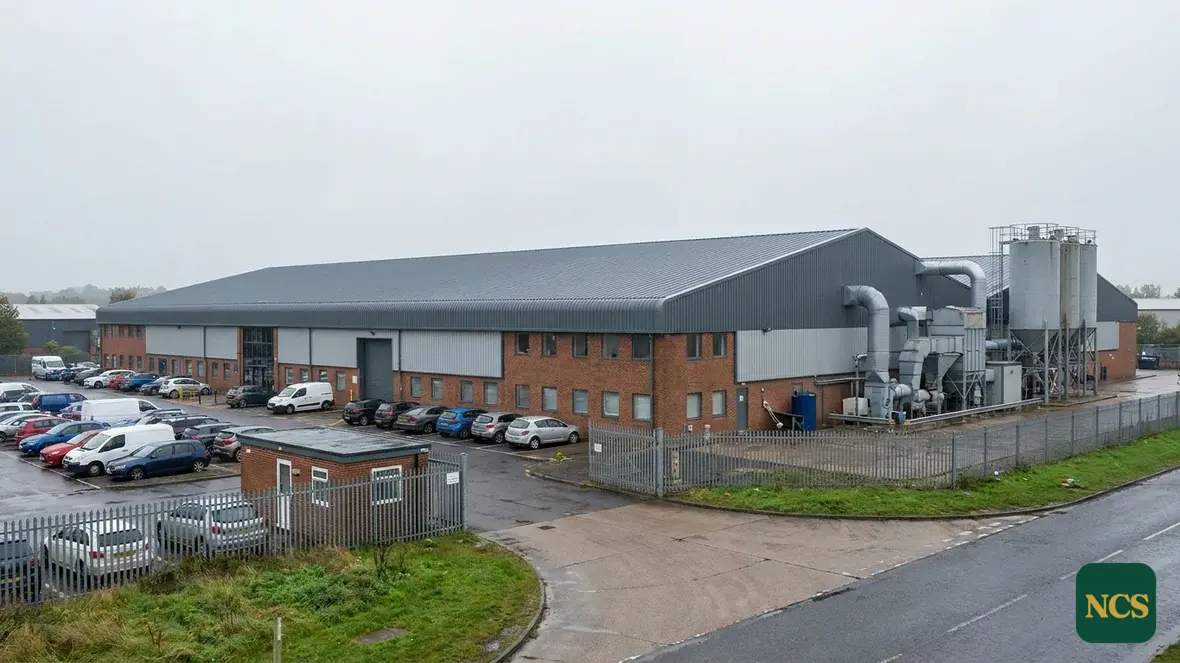
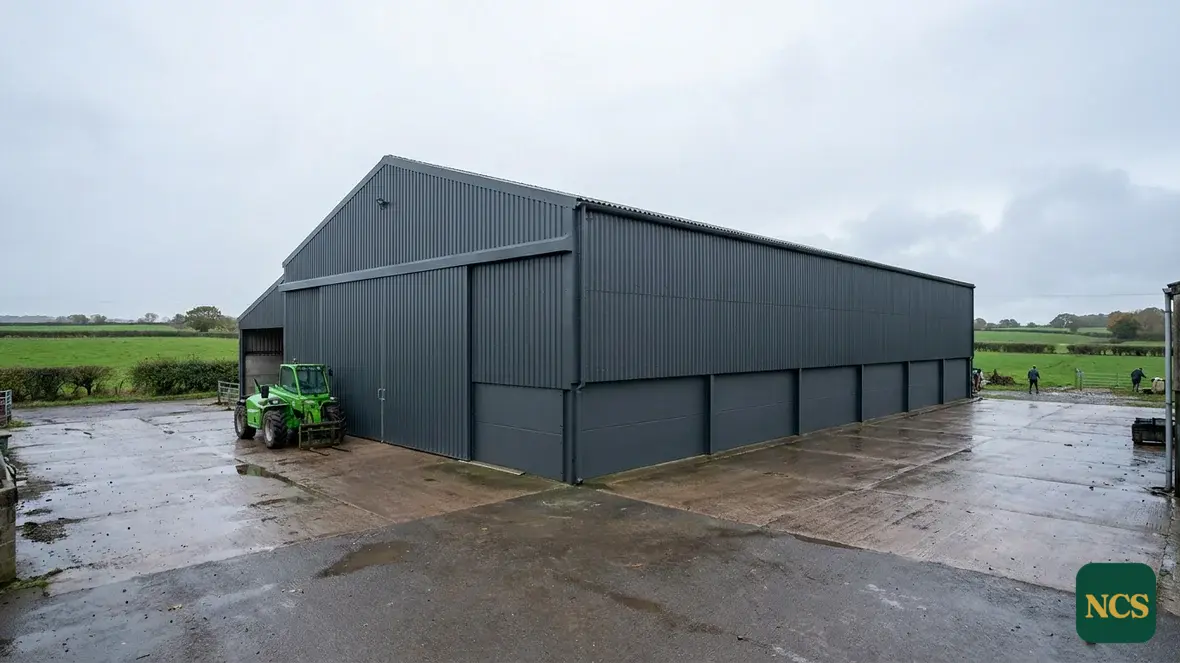
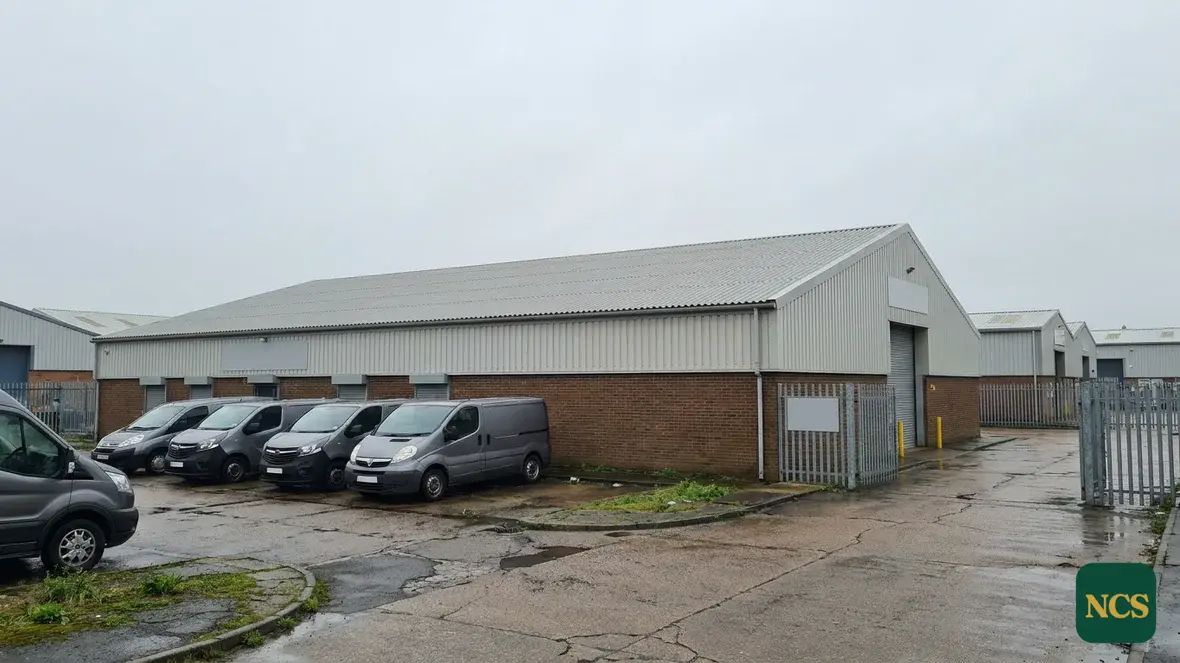
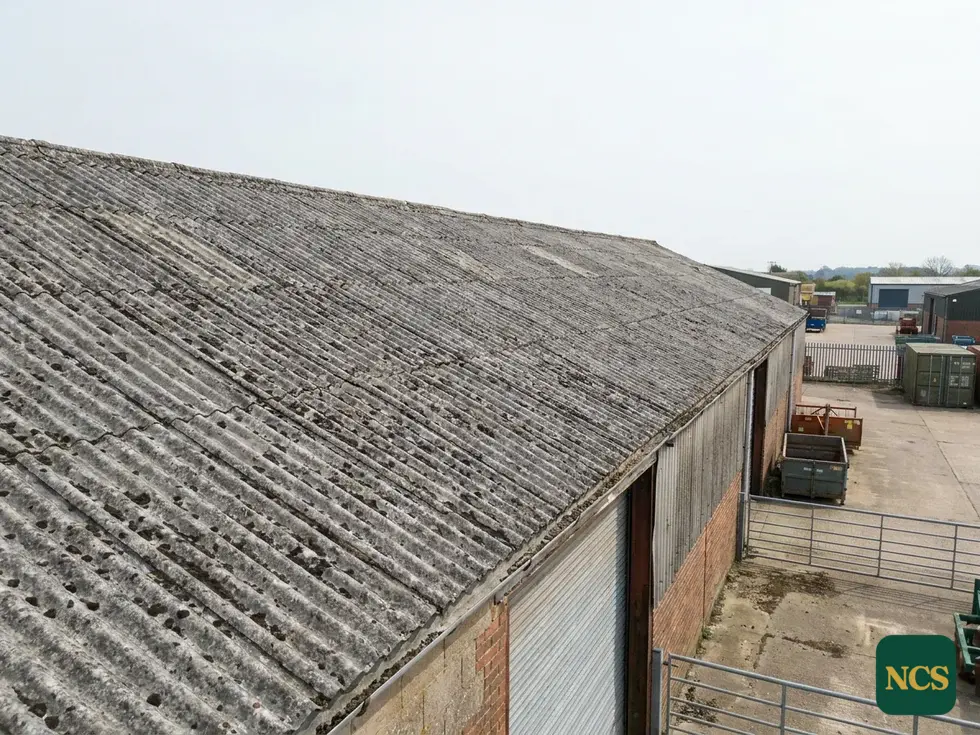
Wells may be best known for its cathedral, but the roofs we are asked to assess here are far more ordinary. The edge-of-town trading estates, the agricultural buildings spread across the surrounding Somerset Levels, and the workshops and stores serving local trade all carry their share of corrugated asbestos cement sheeting. Most of it dates from the 1960s to the 1980s, when this material was the standard, cheap way to roof a barn, a dairy unit or a portal-frame shed. Decades of weather across this corner of Somerset have left many of those roofs porous and moss-bound, leaking at the fixings while the sheets themselves remain broadly intact. That distinction matters, because it decides whether a roof can be encapsulated or has to come off, and only a proper inspection can tell the two apart.
What CAR 2012 actually requires of you
Regulation 4 of the Control of Asbestos Regulations 2012 places a duty to manage asbestos on whoever is responsible for maintenance of non-domestic premises. In practice that means you must find out whether asbestos-containing materials are present, judge their condition, write the findings down, and manage the risk over time. The law does not order you to rip every asbestos roof off. Asbestos cement in sound condition is allowed to stay in place provided it is recorded, monitored and, where sensible, sealed. Encapsulation sits inside that framework as a deliberate, documented control measure, not a way around the rules. Done properly, it gives you something solid to point to at each review of your management plan.
Encapsulation set against full removal
Encapsulation is a proper engineered process, not a coat of paint over trouble. The roof is surveyed sheet by sheet, then cleaned under controlled conditions so moss and debris come away without disturbing fibres. Tired fixings are renewed, minor repairs are made, brittle rooflights are addressed, and the surface is sealed with a coating system formulated for asbestos cement. The cured film binds the surface, locks fibres in, restores water-shedding and adds years of service life. Against stripping the roof, bagging the sheets as hazardous waste and paying for a full replacement, the saving is usually significant, and the building under it keeps working throughout. For a local business that cannot afford to close a unit, that continuity often matters as much as the cost itself.
The honest part: when we will not coat a roof
Some roofs should not be encapsulated, and you deserve to hear that before a survey rather than after a failure. We will refuse where sheets are widely cracked or holed, where the cement has gone soft and friable after years of saturation, or where storm damage and structural movement have broken the roof. Encapsulation also applies only to asbestos cement. If a survey turns up asbestos insulating board, lagging or sprayed coatings, that is licensable material and must be removed by an HSE-licensed contractor. Where removal is the right answer for your building, we say so plainly and step back rather than sell you a coating that will fail and leave you no better off.
A survey-led service covering Wells and the Mendips
We work from a South-East base and cover England, with Wells and the wider Mendip area firmly inside our survey range. The starting point is always an inspection, not a quote:
- A condition survey of sheets, fixings, rooflights, gutters and structure
- A photographic record you can file with your asbestos management plan
- A plain written verdict: encapsulate, repair first, or refer for licensed removal
- A specification and price only where coating is genuinely the right route
- Work carried out under controlled, documented conditions
If you own a building from the 1960s to the 1980s whose roof has never been formally assessed, the survey answers both the compliance question and the cost question in one visit, and tells you honestly which way the evidence points.