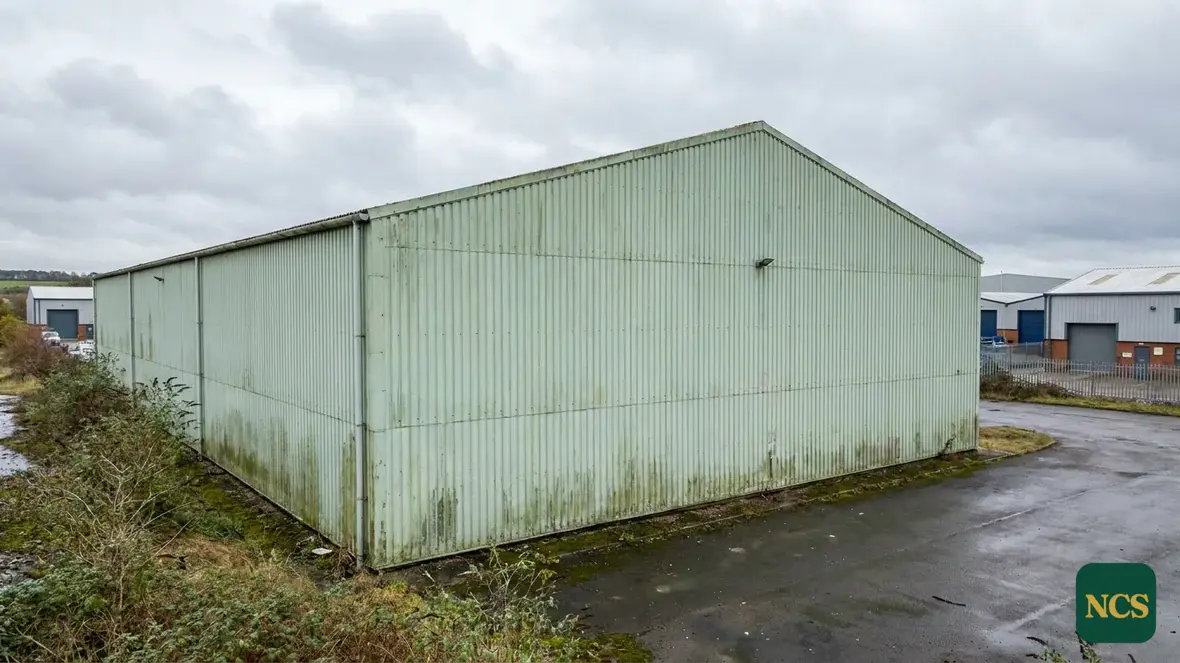
Cladding spraying in Wells
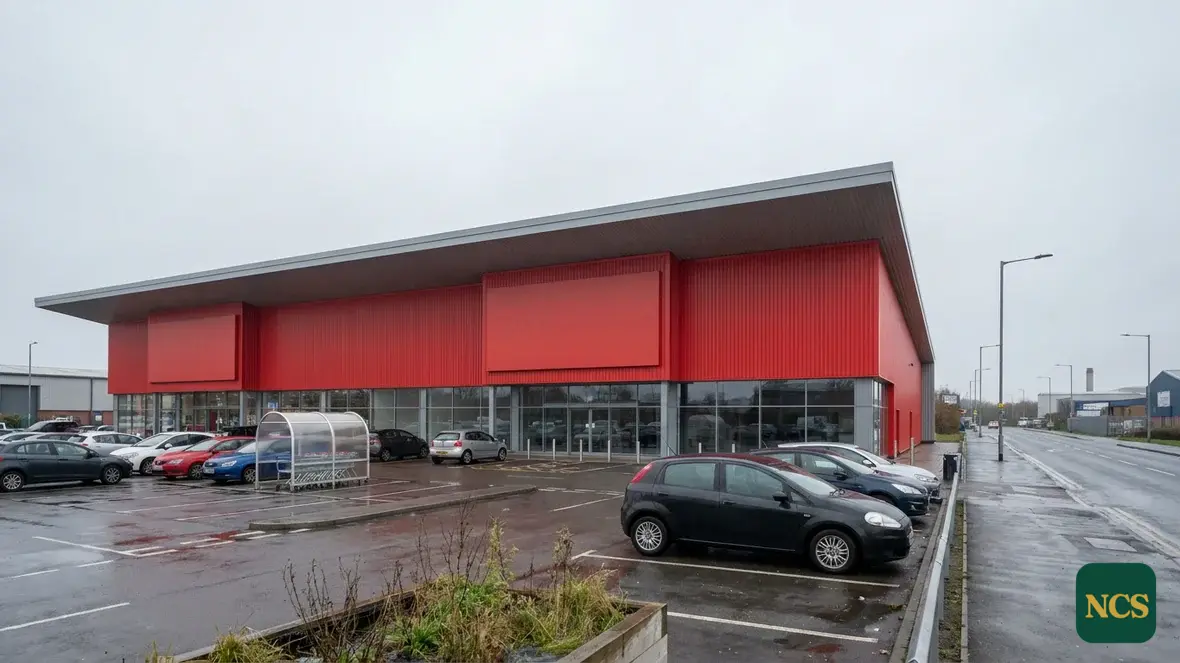
Wells may be England’s smallest city, but the buildings that keep it working are clad in the same profiled steel and composite panel as anywhere else, and they weather the same way too. Cladding spraying in Wells gives those buildings their colour and protection back without replacement: the existing panels are cleaned, prepared and repaired where needed, then spray-coated on site with a system chosen for the substrate and the exposure. For owners, that is usually the difference between a refurbishment measured in days and a recladding project measured in weeks.
We are survey-led by policy, not as a sales line. The building gets inspected and the old finish gets tested before we will put a specification or a price on paper.
The local building mix
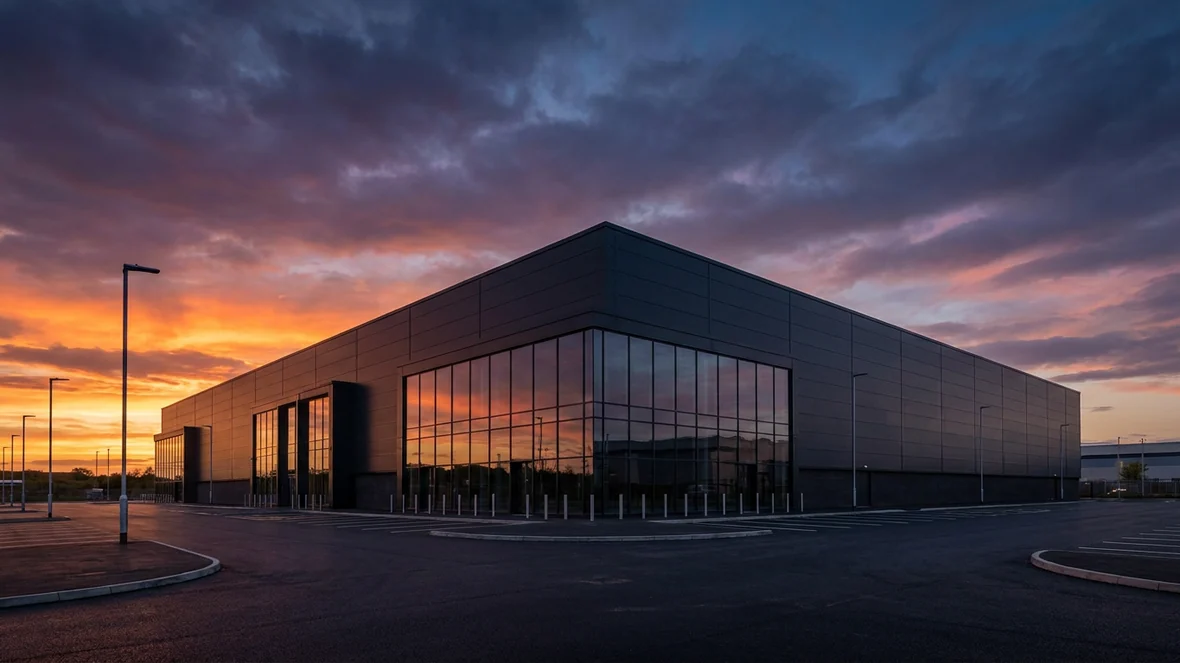
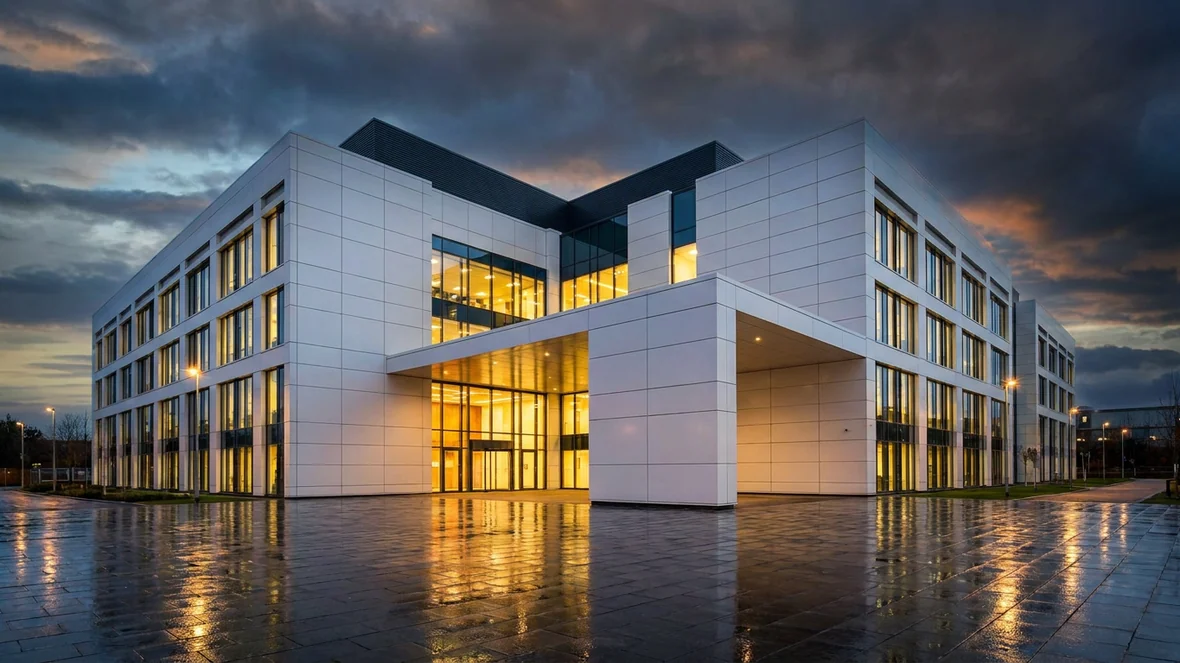
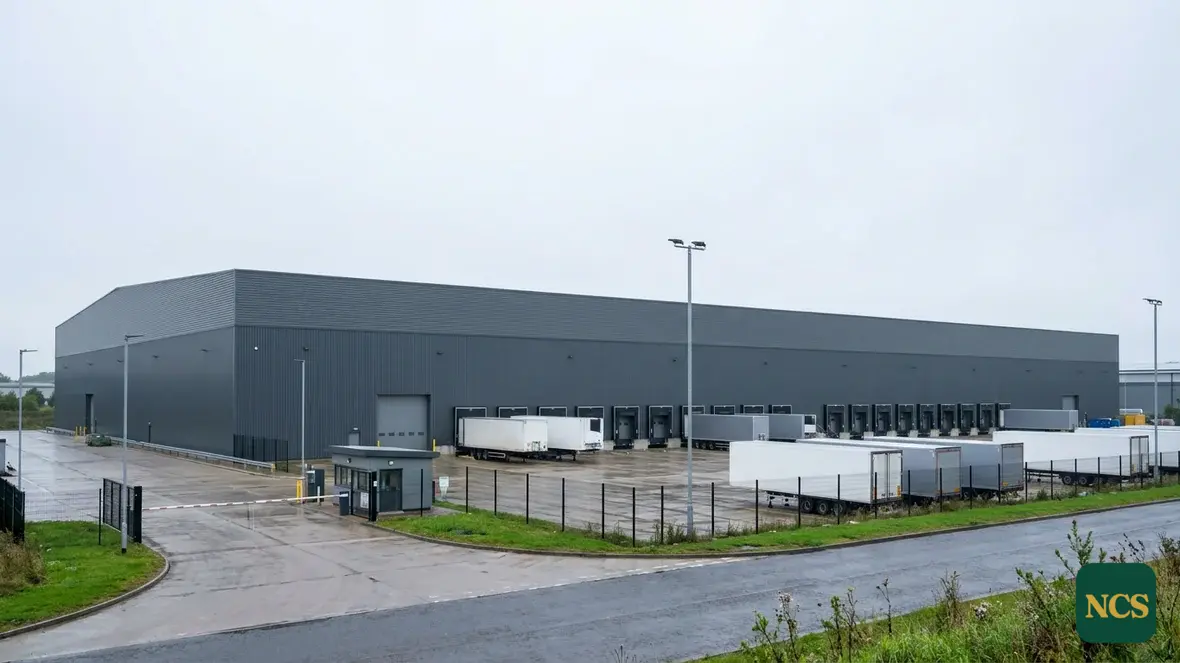
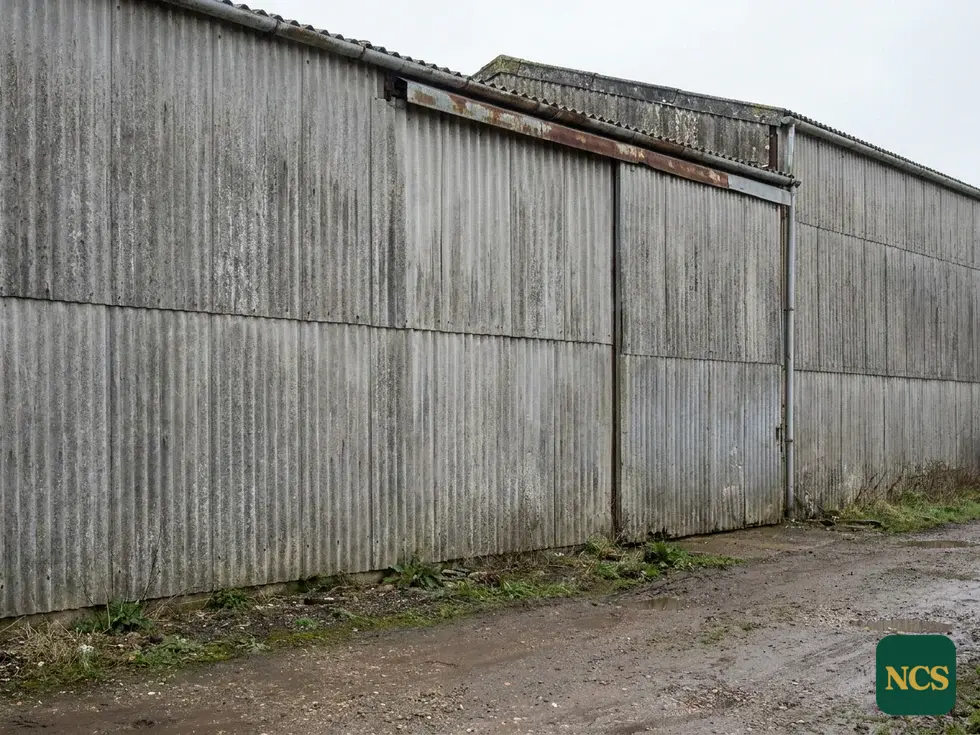
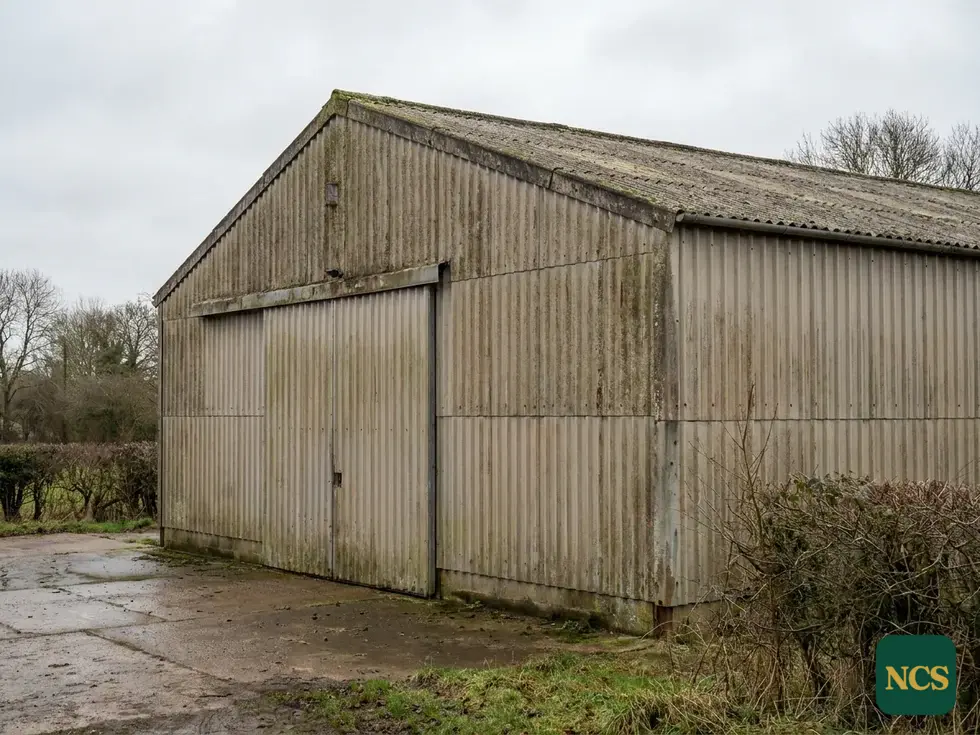
Around Wells and across this part of Somerset, the clad stock is varied: small trading estate units and workshops, agricultural and equestrian buildings, storage sheds, garages and showrooms, plus retail and leisure premises with metal fascias and trims. The climate here is damp more often than it is harsh, and damp drives the slow failures: chalking plastisol, moss and algae on shaded elevations, staining below gutters and flashings, and edge corrosion starting at sheet laps and ends. Mixed elevations are common too, with coated panels sitting alongside masonry or render that can be brought into the same scheme.
Most of it is recoverable. The survey establishes how much preparation and repair the recovery actually needs, which is why it always comes first.
How we run a project here
It starts with a visit. The surveyor tests how well the existing coating is adhered, maps corrosion and physical damage, checks flashings, gutters and fixings, and records the practical constraints: stock or animals in the building, access around yards, neighbouring premises, and what needs moving or masking. The specification follows the findings, covering cleaning, preparation, cut-edge treatment, repairs and the coating system, and the price follows the specification.
On site the order never varies: washing and preparation first, repairs and edge treatment second, colour last. Glazing, signage, concrete aprons and anything else that should stay clean is masked before the first coat, and application is controlled so overspray stays where it belongs. At handover, the elevations are checked against the specification rather than admired from the gate. The same surveyor-first routine applies across the area, so buildings in Glastonbury, Shepton Mallet, Frome and Bath are assessed and programmed in just the same way.
The jobs we turn down
Some buildings are past the point where coating makes sense, and pretending otherwise helps nobody. Sheets rusted through, composite panels whose faces have parted company with their cores, structural fixings that have let go, or edge corrosion so advanced that the metal has gone: those call for repairs or replacement panels first, and sometimes instead. Equally, if a building needs insulation or fire-performance upgrades that only recladding delivers, we will say so. Where the survey reaches that conclusion, you receive it in writing along with our honest view of the alternatives, even when the alternative is not us. Coating has to earn its place on a building; where it cannot, we say so.
Why survey-led beats a price per metre
A rate per square metre quoted over the phone has to assume an average building, and your building is not average. It has its own exposure, its own coating history and its own weak points, and only an inspection finds them. A survey-led contractor fixes the scope before fixing the price, which protects you from mid-job extras and protects the finish from shortcuts. For clad buildings in and around Wells, the survey is the first step worth taking, and the specification it produces is the document the finished work gets judged against.