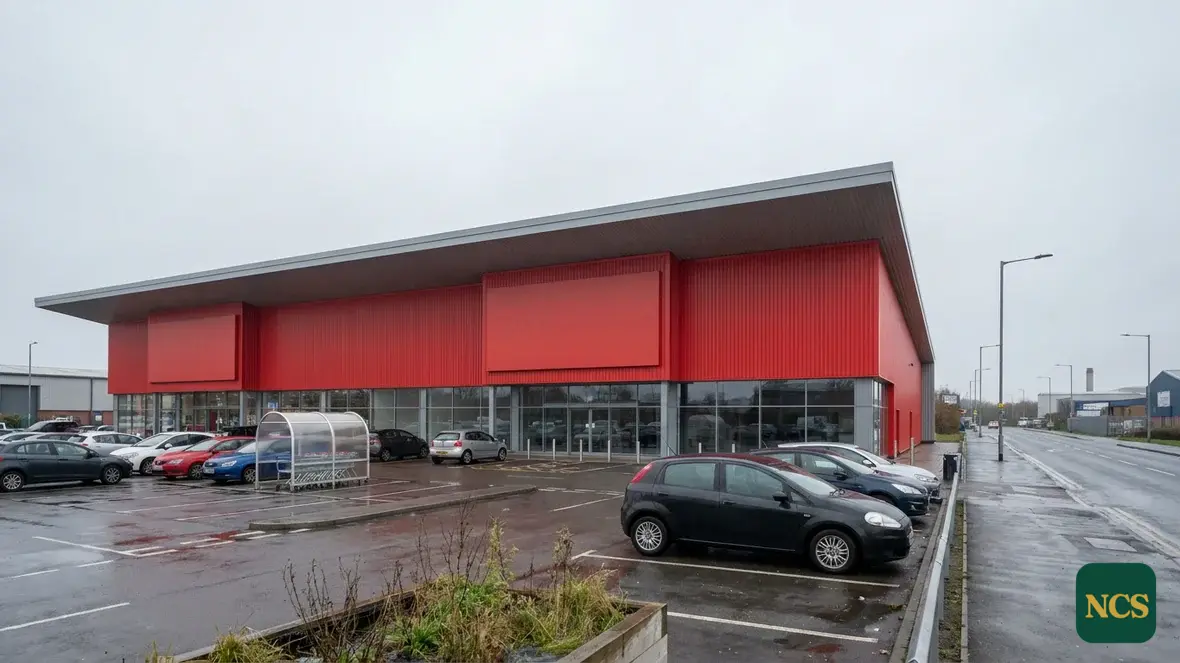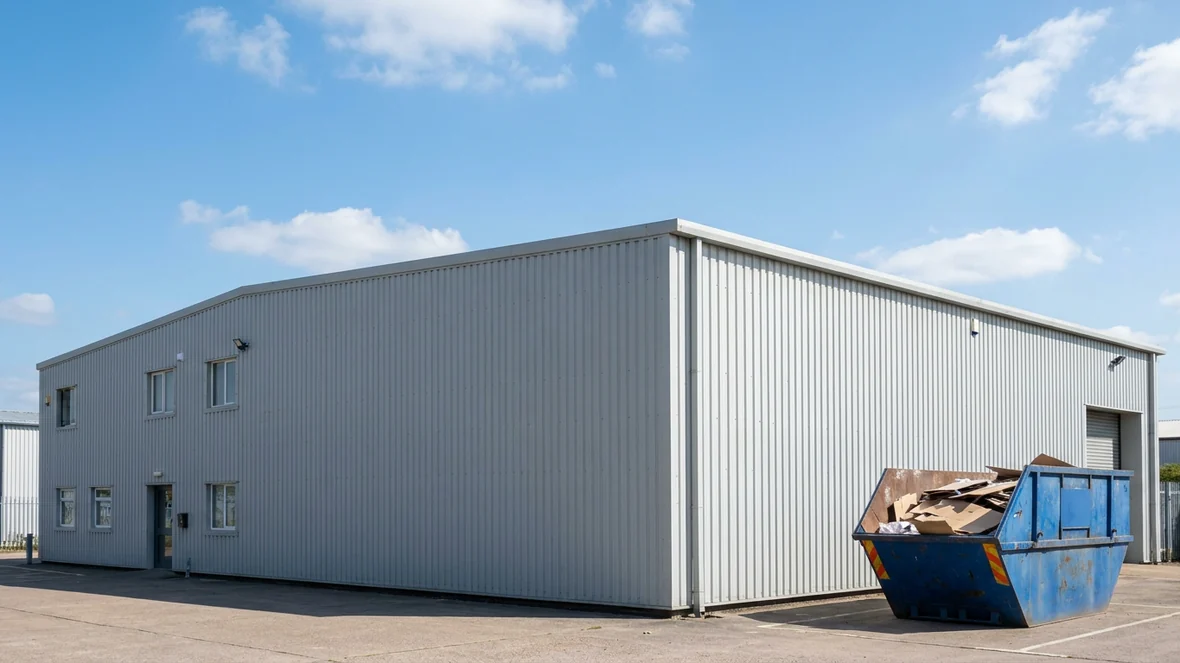
Commercial wall coating in Wells
Wells sits at the foot of the Mendips, and the weather lets buildings know it. Wind-driven rain off the hills, long damp spells and short drying windows give exterior walls in this part of Somerset a harder life than the postcard views suggest. Commercial wall coating in Wells is therefore mostly a question of water management: keeping rain out of the fabric while letting the moisture already inside the wall escape. Get that balance right and a building stays sound and presentable for years. Get it wrong, usually by sealing a damp wall behind the wrong product, and the result is worse than doing nothing at all.
Stone, render and the surfaces in between
England’s smallest city trades largely from older buildings: stone and rendered frontages around the centre, with more recent commercial units on the approaches and surrounding trading areas. In general terms, the surfaces a survey here tends to assess include:
- Lime-based render and older stonework that must keep breathing
- Painted render where the existing coating is blistering or flaking
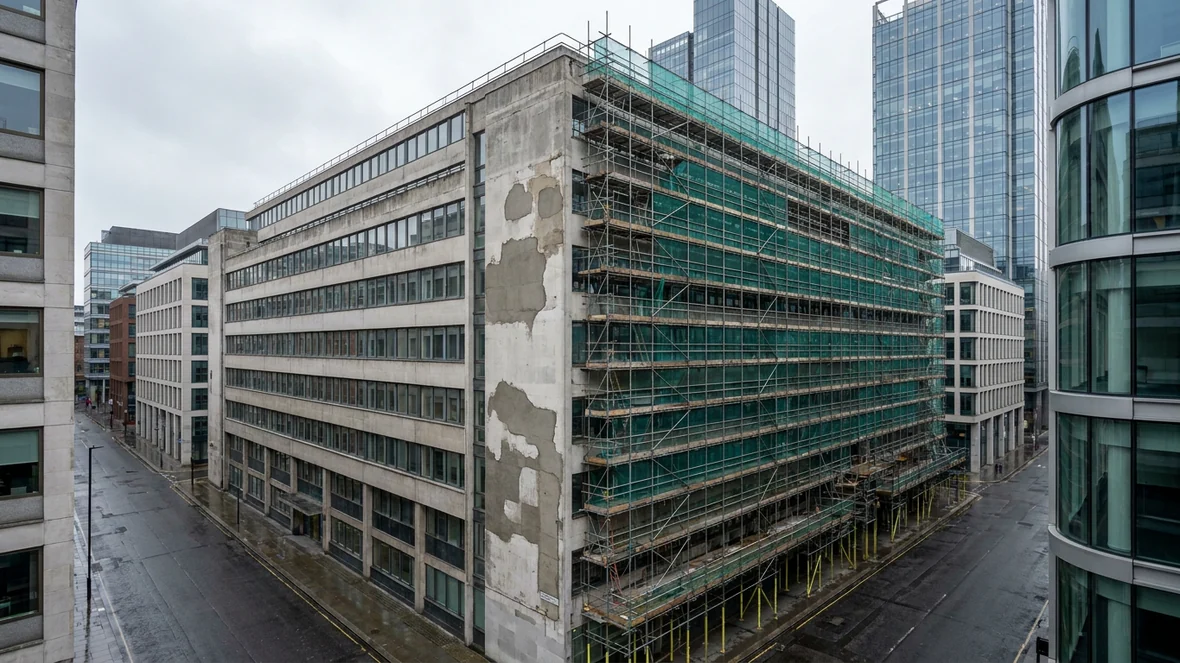
- Cement render with cracking that lets water track behind it
- Modern blockwork and masonry on newer commercial units
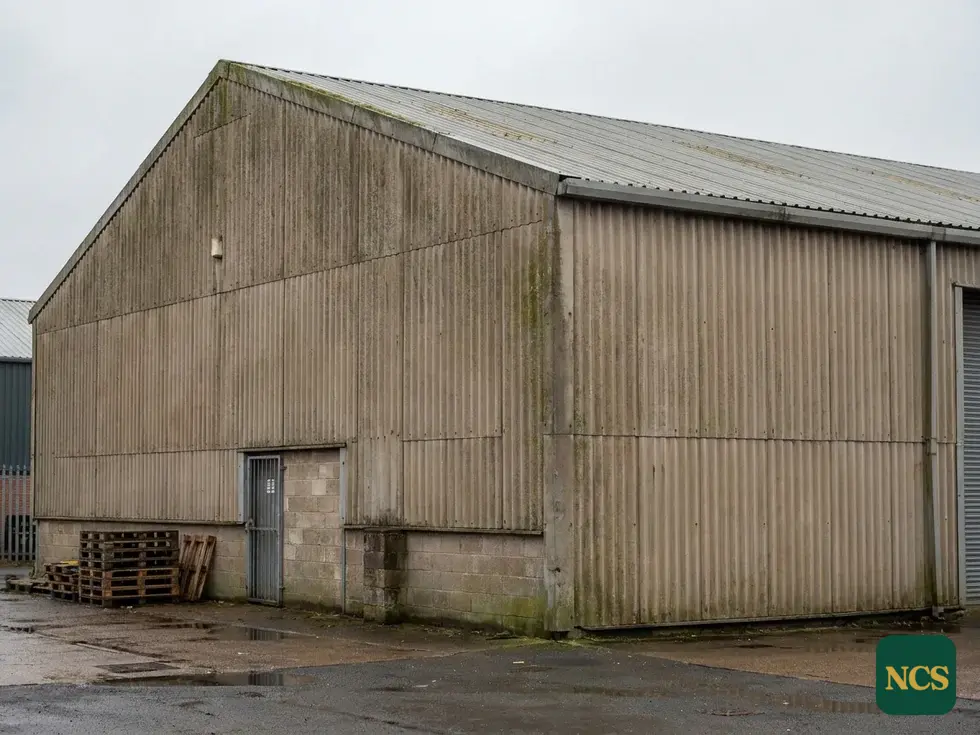
- Exposed gables and flank walls that take the prevailing weather head on
Older fabric in particular punishes the wrong specification. A breathable system belongs on a breathing wall; anything else is storing up trouble for whoever owns the building next.
A survey-led process built for Somerset conditions
We begin with the building, not the brochure. A site survey establishes the substrate, takes moisture readings, maps cracking and decay, and checks the rainwater goods and detailing that so often turn out to be the real culprit. The findings and a recommended scope arrive in writing, and only then do we talk programme and product. Work is sequenced for the local climate: preparation and repairs first, application only in suitable weather windows. Timing is part of the specification here, not an afterthought; drying windows in this corner of the South West are real constraints, and a programme that respects them is the difference between a finish that cures properly and one rushed between showers. The same process covers the surrounding towns, so a building in Glastonbury, Shepton Mallet, Frome or Bath is surveyed and specified exactly as one in the centre of Wells would be.
The jobs we turn down
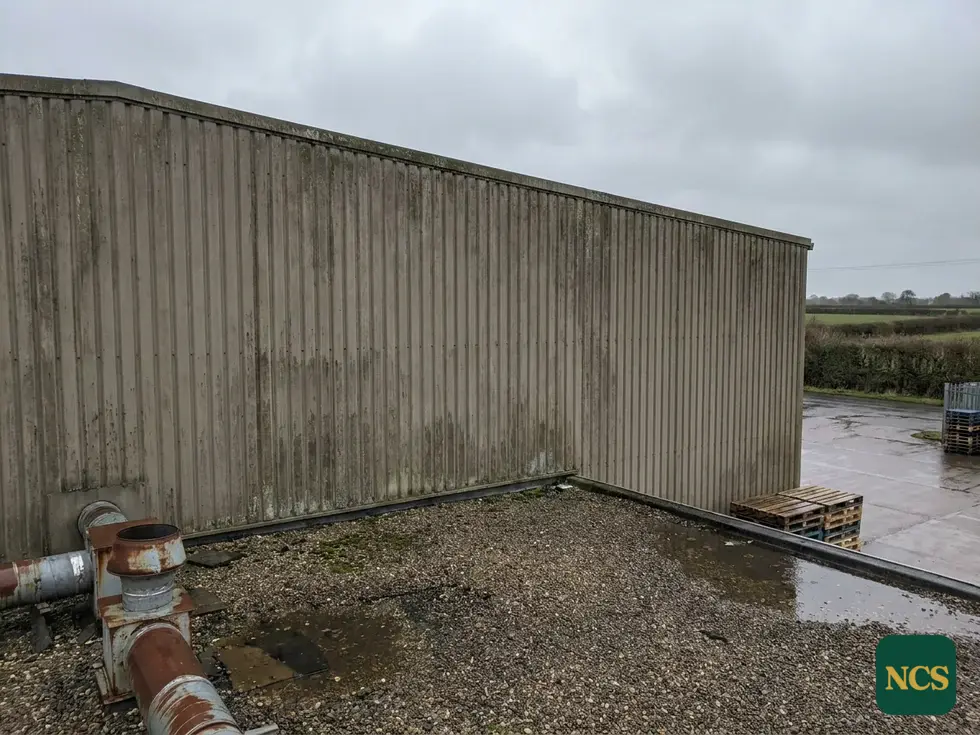
If a wall is wet because of rising damp, a failed gutter, live structural movement or saturated fabric, a coating is a disguise, not a repair. We decline to coat over unresolved faults, and our survey reports say plainly when that is what we have found. The honest sequence is fix the fault, let the wall dry, then protect it. That takes longer than turning up with a sprayer, and it is the only version of this work that lasts. Nothing is lost by waiting for a dry wall except a few weeks; plenty is lost by not waiting. A contractor who never says no to a coating job is not really surveying anything.
Why insist on a contractor that surveys first
A survey-led contractor is accountable in a way a quote-first contractor is not. The diagnosis is written down before the work is priced, the specification follows from evidence you can read for yourself, and the recommendation can include “not yet” or “not this”. For commercial buildings in a setting like Wells, where the fabric is often old and the weather rarely kind, that discipline is worth more than any product name on the side of a van. It is also the only fair basis for comparing one quote with another: same wall, same evidence, reasons attached.