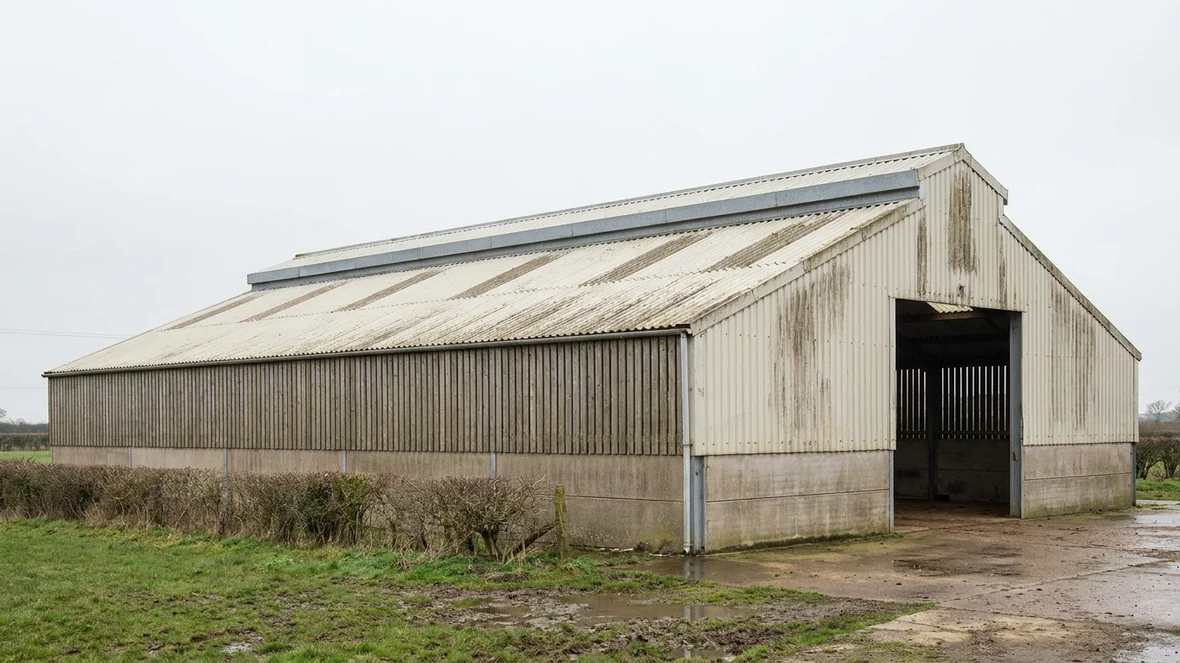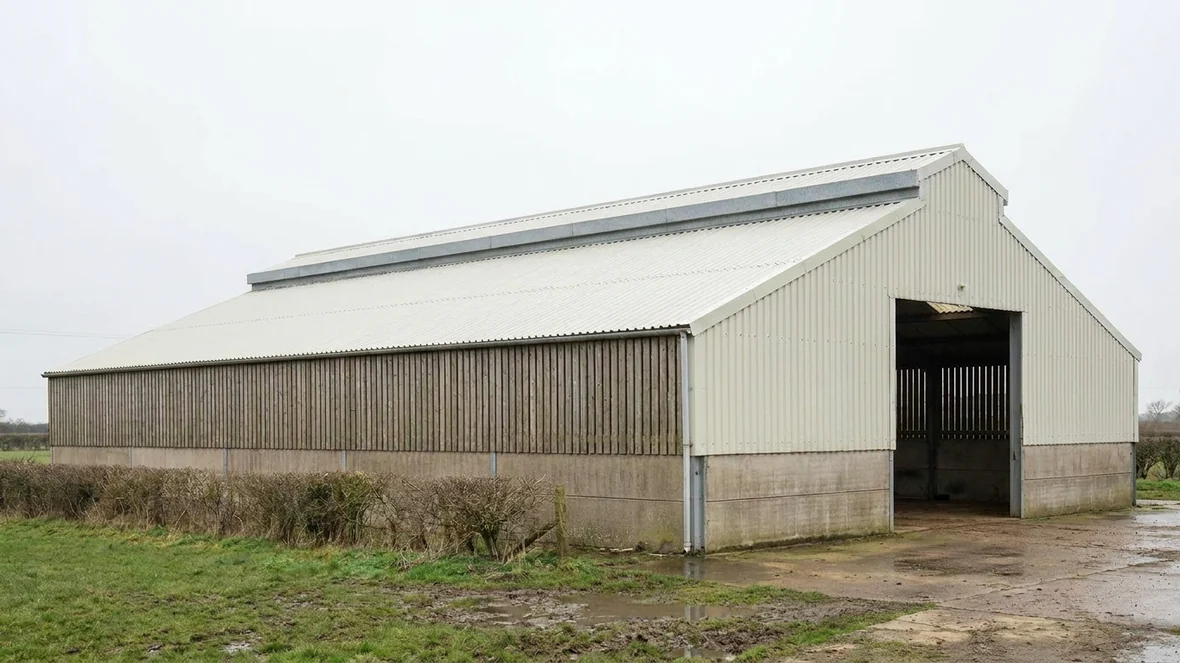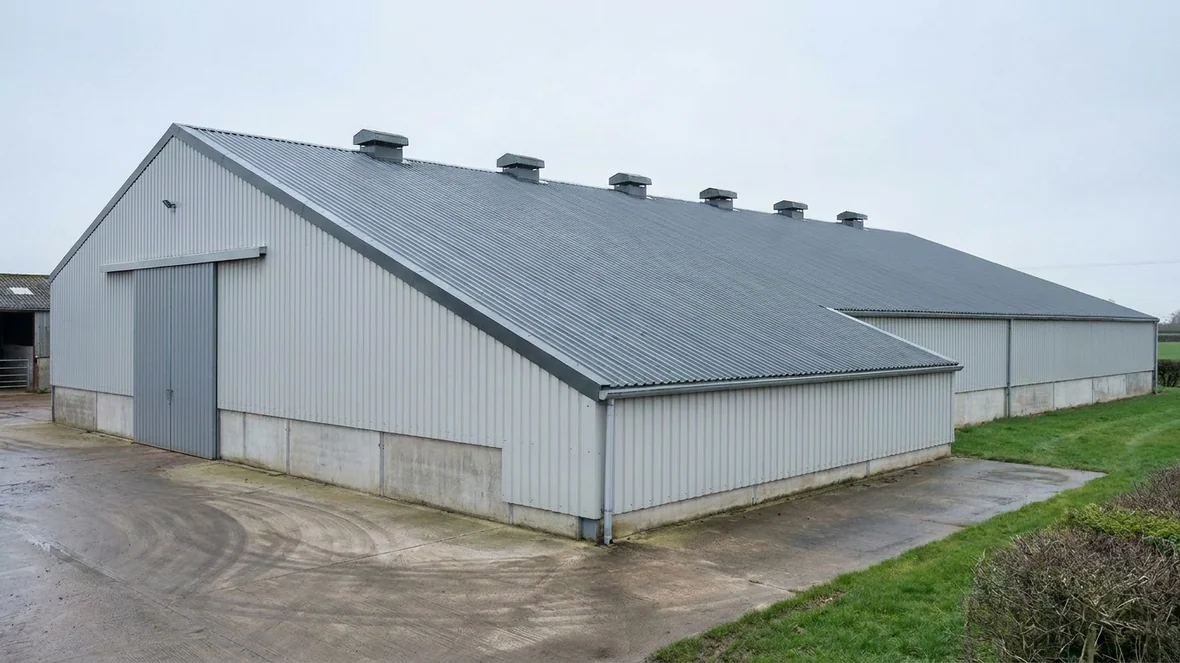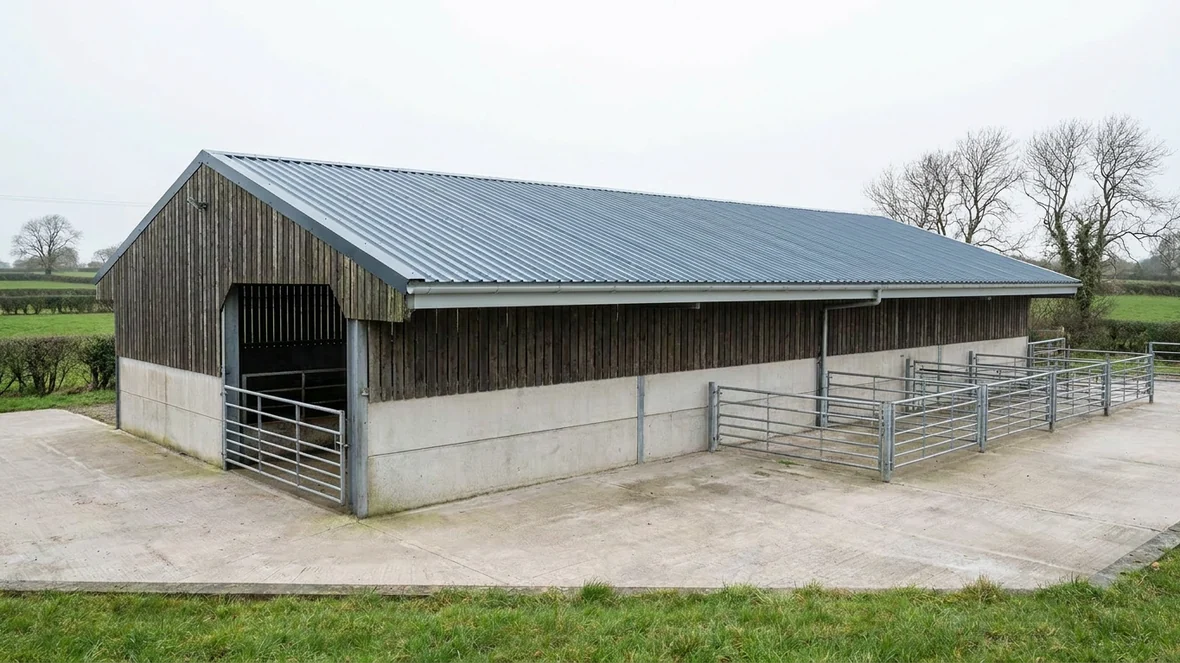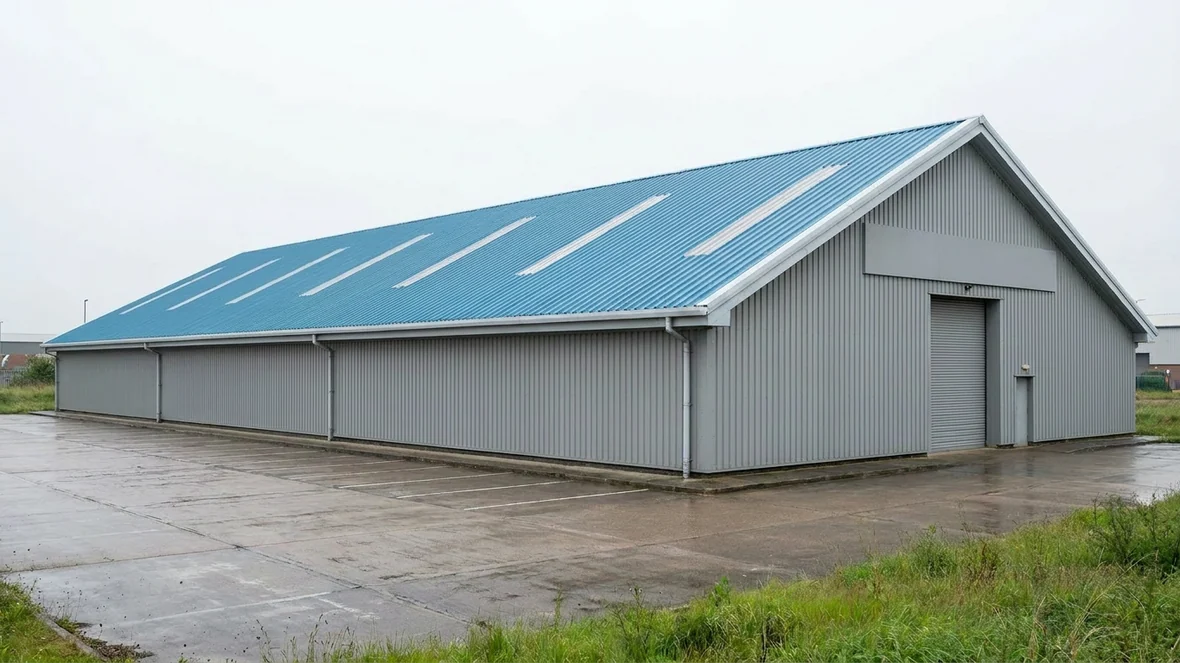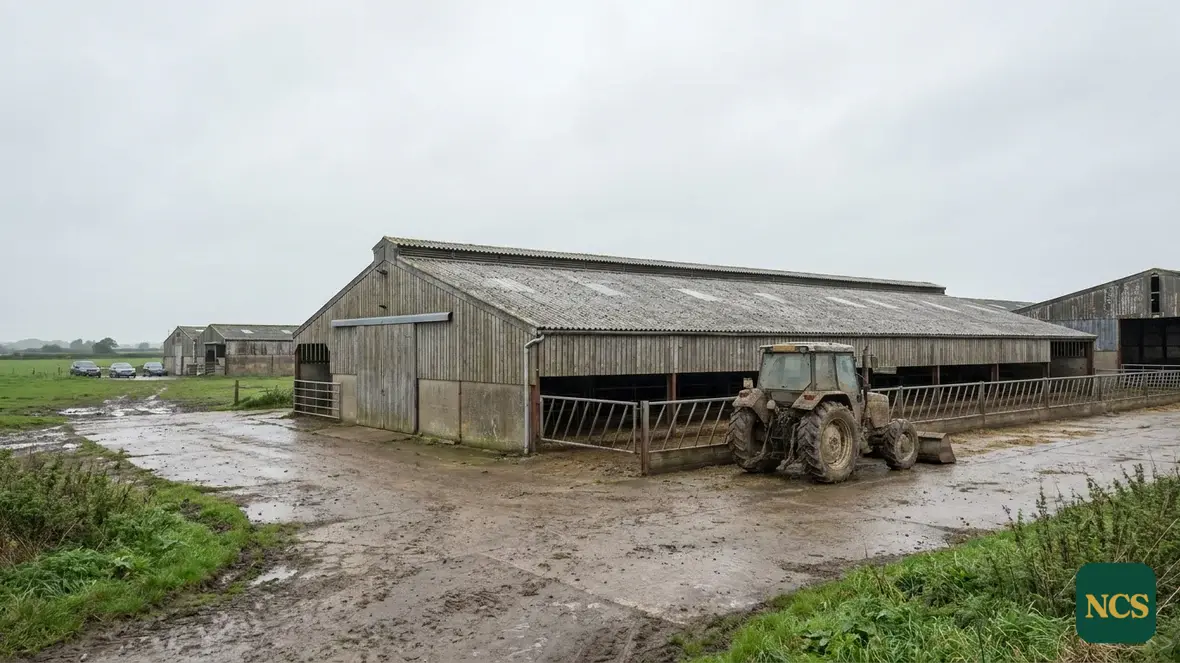




Barn Painters Berkshire means the same survey-led route we apply everywhere: one of our surveyors inspects the building first, photographs the condition, and the specification follows the substrate rather than a price list.
Why barns across Berkshire need repainting
We see it all the time. The sun bakes and cracks the untreated timber on barns across Berkshire. The rain drives in, soaking the wood. If you’ve got livestock, you know ammonia fumes and constant washing put a serious strain on coatings. And those older agricultural sheds still standing? Many have lead-based paints flaking into the soil and water. We’re here to preserve these working buildings and bring them up to modern environmental standards.
The barn and farm building stock of Berkshire
Berkshire’s got a real mix of farm buildings. From the brick and timber cattle sheds around Reading to the big grain stores in the Thames Valley, it tells a story of the county’s farming past. Near Ascot and Windsor, we’ve worked on big estates with extensive stable blocks and equestrian facilities, they need specific coating systems. Then you’ve got the smaller places in West Berkshire, often with steel-framed buildings that are now showing corrosion at the joints and fixings. No matter the type, those original protective layers, put on decades ago, need a proper look and a refresh.
What commercial barn painting involves
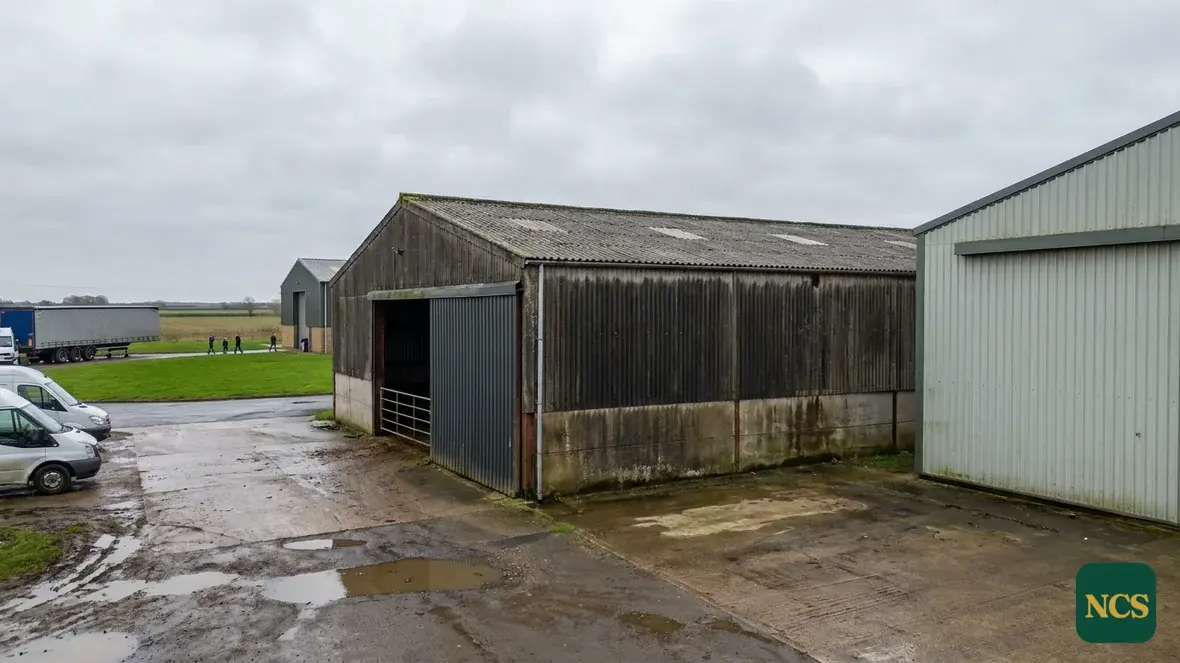
When we coat agricultural buildings, it all starts with getting the surface right. If the paint’s loose or flaking, it’s got to come off completely. If it’s sound, we might just need to degrease it and give it a light abrasion. For timber, we always go for breathable microporous finishes. They let the moisture out but keep the rain from getting in. Steel-framed structures get corrosion-inhibiting primers before we put on the topcoats. We spray the coatings on, which gives a really even finish over large areas, and we’re careful with masking to protect roofs and windows.
Essential repairs before any repainting
Barn painting isn’t just slapping new paint over old. Our surveys always turn up underlying issues that need fixing first. We’re talking rotten timber that needs replacing, corroded metal fixings that need treatment, or failed sealants around roof lights. If you don’t sort those substrate problems, the coating will fail early. We also check for structural cracks and drainage problems. Leave those alone, and your new paint system won’t last.
Our survey-led approach to barn painting
Every single job starts with a detailed look at the building. We document how it’s built, what condition the current coating is in, and what the weather’s been doing to it. We’ll spot the high-wear areas, usually around doors, feeding hatches, and where there’s a lot of traffic. All of that tells us exactly what to specify: the surface prep, the coating type, and how we’ll apply it. Every building is unique, and we only decide on the right solution after we’ve done this evaluation.
Why specification follows survey
You can’t just pick something off the shelf for agricultural buildings. There are too many variables. What works inside a cattle shed isn’t right for the outside of a grain store. Older timber needs different prep than a modern steel-framed building. Our process makes sure the paint system we specify perfectly matches both the existing substrate and what the building is actually used for. This stops you from wasting money on the wrong products or treatments you don’t need.
- We check the existing coating and how sound the building materials are.
- We pinpoint any problem areas that need fixing before we start painting.
- We select the right coating systems for how you use the building and what it’s exposed to.
- We specify the best surface preparation methods so the paint really sticks.
- We give you a clear report of what we found and what we recommend.
If you’ve got farm buildings or a rural business in Berkshire that needs commercial painting, let’s start with a free survey. You can learn more about our barn painting approach here.
Common questions about barn painters Berkshire
Can rusty metal barn cladding be painted?
Yes, provided the sheets remain structurally sound. We remove loose corrosion, failed paint and surface contamination before treating prepared areas and applying a compatible coating system. Painting will not restore metal that has perforated, split around fixings or become too thin to prepare properly. Those sheets should normally be replaced before coating begins.
Can a barn be painted while it is still in use?
Often it can. We agree access, ventilation and working areas around livestock, machinery, stored crops and vehicle movements before starting. Some operations may need to pause or move temporarily, particularly where overspray, dust or safe access cannot otherwise be controlled. A survey allows us to plan the work around the practical use of the building rather than treating it as an empty shell.
What is the best time of year to paint a barn?
Barn coatings need suitable surface temperatures, dry substrates and an acceptable weather window. Warmer, settled conditions are generally helpful, but the calendar alone is not a reliable guide. We consider shade, dew, overnight condensation, wind and the temperature of the cladding itself. Exposed Berkshire sites can change quickly, so we monitor conditions throughout preparation and application.
Can you coat a fibre cement barn roof?
Some fibre cement roofs can be cleaned and coated, subject to their condition, safe access and confirmation of the roof material. Older sheets may contain asbestos and must not be treated as ordinary cement sheeting. We establish what is present before specifying preparation. Fragile, badly cracked or extensively deteriorated sheets may be better replaced by an appropriately competent roofing contractor.
How long will a barn coating last?
There is no responsible single answer. Service life depends on the existing substrate, preparation standard, coating compatibility, exposure, roof pitch, drainage and local sources of contamination. Edges, fixings and sheltered laps commonly weather differently from open sheet areas. We assess these factors during the survey and recommend periodic inspection so that local defects can be addressed before they spread.
Coating or replacement for a Berkshire barn?
Coating is often the sensible option where the cladding remains secure and serviceable but its protective finish has weathered, faded or developed manageable corrosion. Good preparation followed by a suitable coating can renew protection and improve appearance without removing otherwise useful sheets. It can also reduce disruption inside an occupied agricultural building.
That does not make coating a substitute for sound construction. Replacement wins where sheets are perforated, badly distorted, extensively cracked or no longer securely fixed. It is also the better choice where repeated leaks arise from failed laps, unsuitable detailing or movement that a surface coating cannot correct.
Replacement may also be preferable when a building needs improved insulation, a redesigned roof build-up, major ventilation changes or extensive daylighting alterations. These are fabric and performance issues rather than paint defects. Applying a coating first would merely postpone the necessary work.
The decision is not always all or nothing. A practical specification may involve replacing isolated failed sheets, defective flashings or unsuitable fixings before coating the remaining sound elevations or roof areas. We base that recommendation on close inspection rather than assuming that every weathered barn needs either complete replacement or complete coating.
When comparing barn painters in Berkshire with a cladding replacement contractor, owners should ask what each proposal is intended to solve. Coating deals with surface protection and appearance. Replacement deals with failed fabric and can change the construction of the building. The correct option is the one that addresses the actual defect without asking paint to perform as a repair material.
Preparation and application on profiled barn cladding
We start with the substrate, not the colour
A coating is only as dependable as the surface beneath it. We inspect the profile faces, crowns, troughs, overlaps, cut edges, fixings and junctions with gutters or flashings. These details reveal whether the visible deterioration is general weathering or evidence of a more local defect such as trapped moisture, failed seals or water running behind the sheets.
Cleaning must remove more than loose dirt
Agricultural buildings can carry algae, chalking paint, exhaust deposits, bird fouling, grease and residues from the activities below. These contaminants affect adhesion even when the cladding appears clean from ground level. We select preparation methods to suit the substrate and control wash water, debris and overspray around occupied areas.
Corrosion receives local mechanical preparation
On metal cladding, loose rust and unsound coating edges require mechanical preparation rather than being hidden beneath a new finish. We feather firm paint edges, pay particular attention to cut edges and check around washers and fasteners. Prepared bare metal is treated with an appropriate compatible primer before the main coats are applied.
Application method follows the building
Spray application can produce an even finish across broad profiled sheets, but it is not automatically suitable for every elevation or every day. Wind, nearby property, parked machinery, livestock and public access can make controlled brush or roller work more appropriate in certain areas. We may combine methods, using detailed application around laps, edges and fixings before coating the wider surface.
Drying conditions are part of the workmanship
We do not rely solely on whether rain is forecast. Condensation can form on metal cladding even after a dry day, particularly around dawn and on shaded elevations. Surface temperature, humidity, airflow and the condition of the substrate all affect application. Allowing each coat to dry properly is a practical part of the specification, not an administrative delay.
Recently — July 2026
Summer is the steadiest season for exterior coating: longer dry spells mean preparation, application and curing can be programmed with fewer weather delays.
If a coating is not the right call for your building, we will tell you that after the survey rather than sell you a job that fails.
All access and work at height is planned in line with HSE work-at-height guidance.
For barn painters berkshire that stands the test of time, the survey is what makes the difference. Our barn painters berkshire is specified to the substrate and the exposure, then applied properly by a trained team.