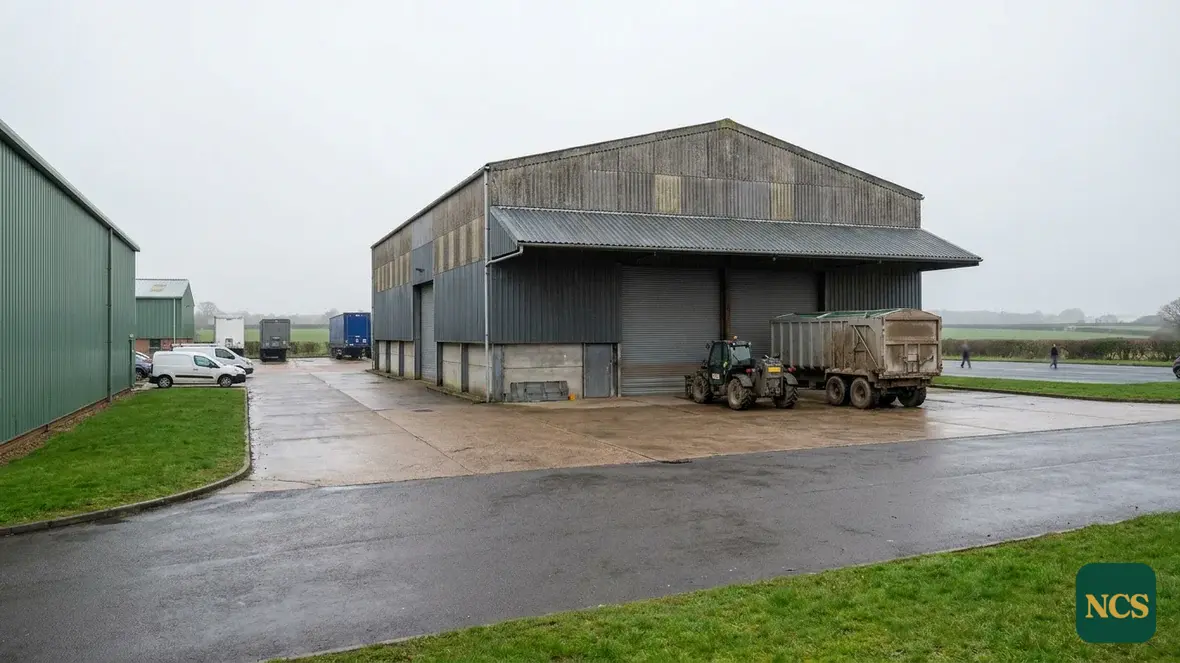




Agricultural Roof Coating Berkshire from National Coating Specialists means one thing: we survey the building before we specify a system. Our agricultural roof coating berkshire work covers commercial, industrial and agricultural buildings, and every job starts with a free, no-obligation site survey.
Why farm roofs around Berkshire reach the coat-or-replace decision
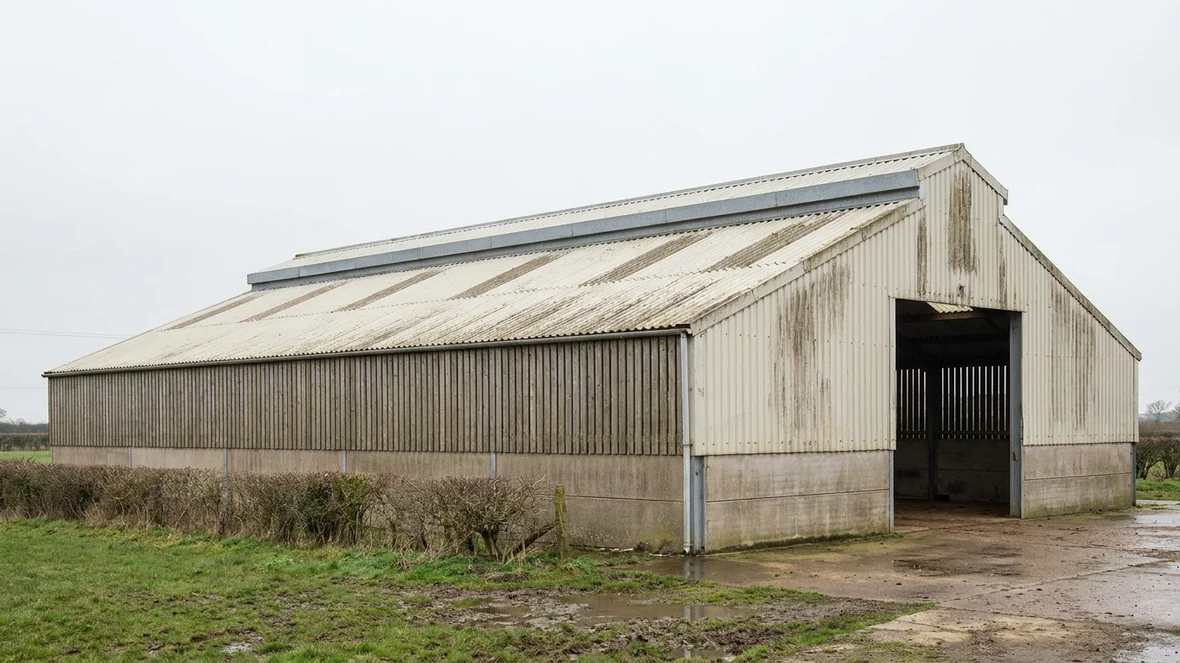
Farm buildings in Berkshire, like the rest of the South East, take a beating from the weather. Decades of rain, wind and sun simply wear out the roofing materials. We see fibre cement and asbestos cement sheets turning brittle and cracking, while profiled steel roofs start to corrode at the cut edges. Many farms around West Berkshire and the arable land near Reading still have their original roofs from the 60s and 70s. When water starts getting in, or you can see daylight through a cracked sheet, the choice is usually this: rip it all off and put a new one on, or restore the roof with a specialist agricultural coating.
The agricultural roof stock of Berkshire
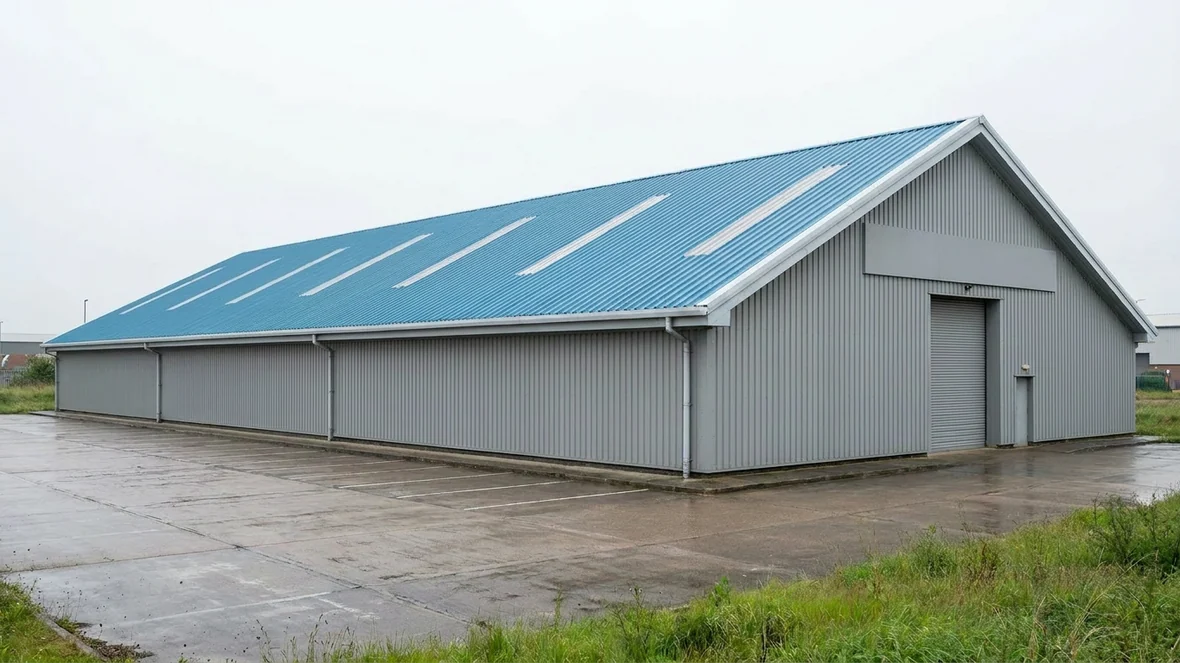
Drive around the farms in Berkshire and you’ll mainly spot three types of roof. Older barns and cattle sheds, especially around Newbury and Hungerford, often have fibre cement sheets. Asbestos cement is still common on poultry houses and grain stores, though nobody installs that anymore. Then there are the newer steel-clad buildings, particularly along the M4 corridor where some of the bigger agricultural businesses operate. We can treat all three materials with a protective coating, provided we assess and prepare them properly.
What agricultural roof coatings do
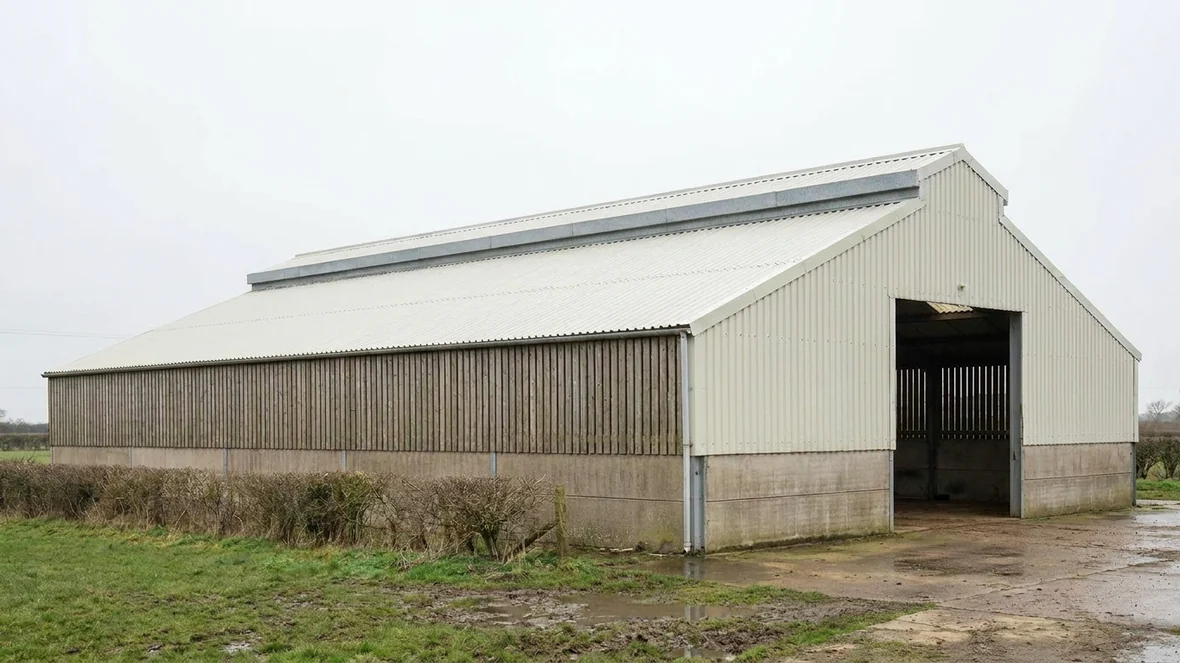
A good roof coating seals the surface but still lets it breathe. On fibre cement and asbestos sheets, it sticks to the weathered surface, fills up those tiny cracks, and stops water getting in. For steel roofs, the coating stops corrosion right at the cut edges where water always attacks the exposed metal first. The right product will also reflect sunlight, keeping the building cooler in summer, and stay flexible through the winter freezes and thaws. Many Berkshire farms, especially for south-facing roofs near Bracknell and Wokingham, ask us for white coatings because they reflect heat so well.
- We check every single sheet before we start work.
- Surfaces get prepped properly so the coating sticks.
- We pick products that suit the actual roof material.
- Work gets scheduled around farm operations and good weather.
- We use commercial painting methods for an even, solid finish.
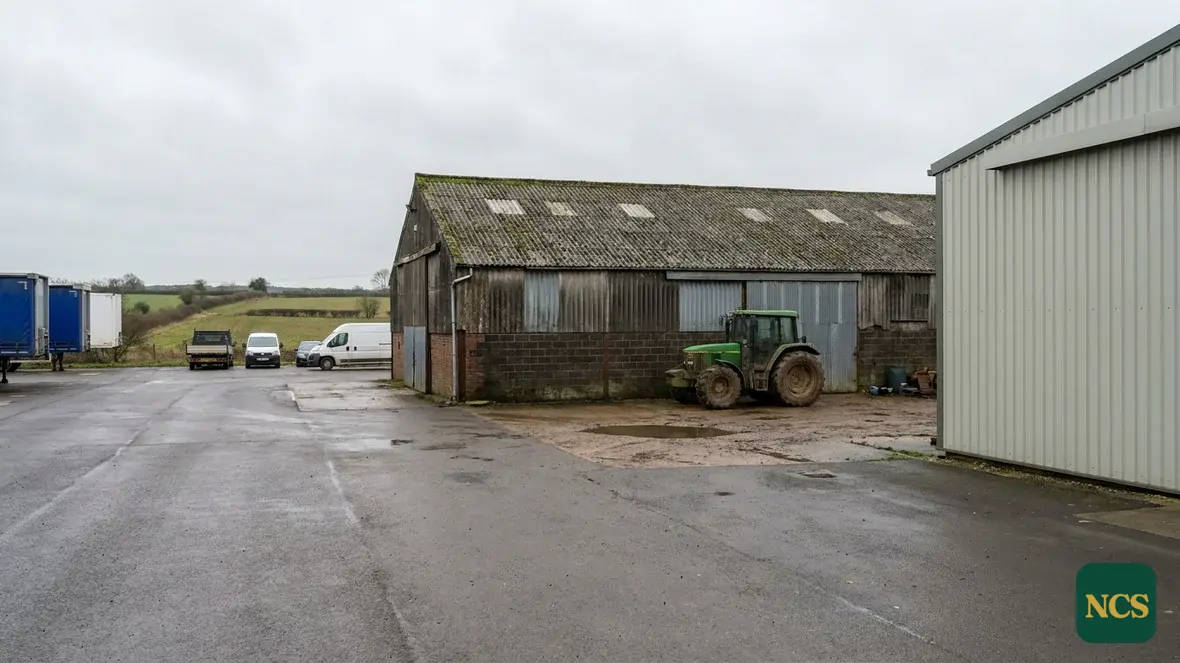
Asbestos cement sheets, cut edges and gutters
When we survey an asbestos cement roof, the first thing we do is check the condition of the sheets and how they’re fixed down. If sheets are broken or loose, we might need to secure them before we can coat. The cut edges where the sheets meet the gutters are often the worst, with fibres starting to show. A properly specified coating will encapsulate these areas and keep the roof watertight. Gutters are just as important, we look for cracks or rust that could undermine the whole system before we recommend any roof painting.
Our survey-led process around the farming calendar
Agricultural roofing work has to fit in with the farm year. We try to schedule our surveys for quieter times, well away from harvest or lambing. For dairy farms around Twyford and Maidenhead, we often find early morning visits work best, between milkings. The survey itself means checking every roof plane: sheet condition, fixings, and anything that needs attention before we coat. We’ll talk through your calendar to plan the work for a time that suits you, whether that’s after the silage is cut or before winter housing starts.
Why the survey comes first
No two farm roofs weather the same way. A cattle barn near Slough might show completely different wear and tear to a grain store in Ascot, even if they’re built from the same stuff. That’s why we never quote blind or assume one product fits every job. The survey tells us exactly what your roof needs, what preparation work is involved, and how we should sequence the job around your farm. Only then can we recommend the right approach, whether it’s a straightforward coating or if you need more serious repairs first.
Learn more about agricultural roof coatings or book a free survey.
Common questions about agricultural roof coating Berkshire
Can a rusty agricultural roof be coated?
Often, yes, as long as the sheets are still structurally sound. We’ll inspect the roof for rust, holes, loose fixings and weak overlaps before we recommend coating. Surface rust can usually be prepped away, but if the sheets are badly thinned or damaged, we might need to replace those sections before we start coating.
Do you need to remove the existing roof coating?
Not always. If an old coating is sound and still stuck down well, we can sometimes clean and prep it and use it as a base. But if it’s flaking, brittle, or just not compatible, then it has to come off. We check the adhesion and condition during the survey, rather than assuming we can just coat over what’s there.
Can you coat fibre cement agricultural roofs?
Yes, we can coat fibre cement sheets if their condition and profile are suitable. Older sheets need a very careful inspection because they can be fragile or contain asbestos. Any work with asbestos-containing materials means sticking to the right controls, access methods and waste procedures.
Will roof coating disrupt livestock or farm operations?
We plan our access, cleaning and spraying around how you use the building. Livestock, stored feed, vehicles and sensitive equipment might need to be moved or protected. We also think about ventilation openings and neighbouring areas so we can control wash water, debris and any overspray.
How long does agricultural roof coating last?
How long a coating lasts depends on the roof material, how well it’s prepped, if the coating is right for the job, how exposed the roof is, and how you maintain it. Areas around overlaps, fixings, gutters and roof penetrations usually weather first. So, we base an agricultural roof coating Berkshire specification on what we find in the survey, not on some generic lifespan.
How we prepare agricultural roofs before coating
Preparation is everything if you want a roof coating to last and form a solid, continuous finish. Slapping material over dirt, chalking paint or active rust just hides the problems for a bit. We prep each roof according to what it’s made of and its condition.
- We clear gutters and get rid of loose debris, moss, lichen and surface dirt.
- We clean the roof using a method that suits the sheet material, the existing finish and how the building is used.
- We remove loose coating and prep rusted steel back to a firm, stable surface.
- We inspect overlaps, fixings, fastener seals, ridge details, penetrations and any previous repairs.
- We treat local corrosion and deal with vulnerable areas before putting on the main coating system.
- We protect rooflights, vents, gutters, walls and nearby property from dirt or overspray.
- We only apply the coating when the roof is dry enough and the weather conditions are right.
We pay close attention to sheet edges and overlaps, as that’s where moisture gets trapped and movement can speed up deterioration. Coating isn’t a fix for structural problems; we deal with defective sheets or unstable details before we start the main application.
All access and work at height is planned in line with HSE work-at-height guidance.