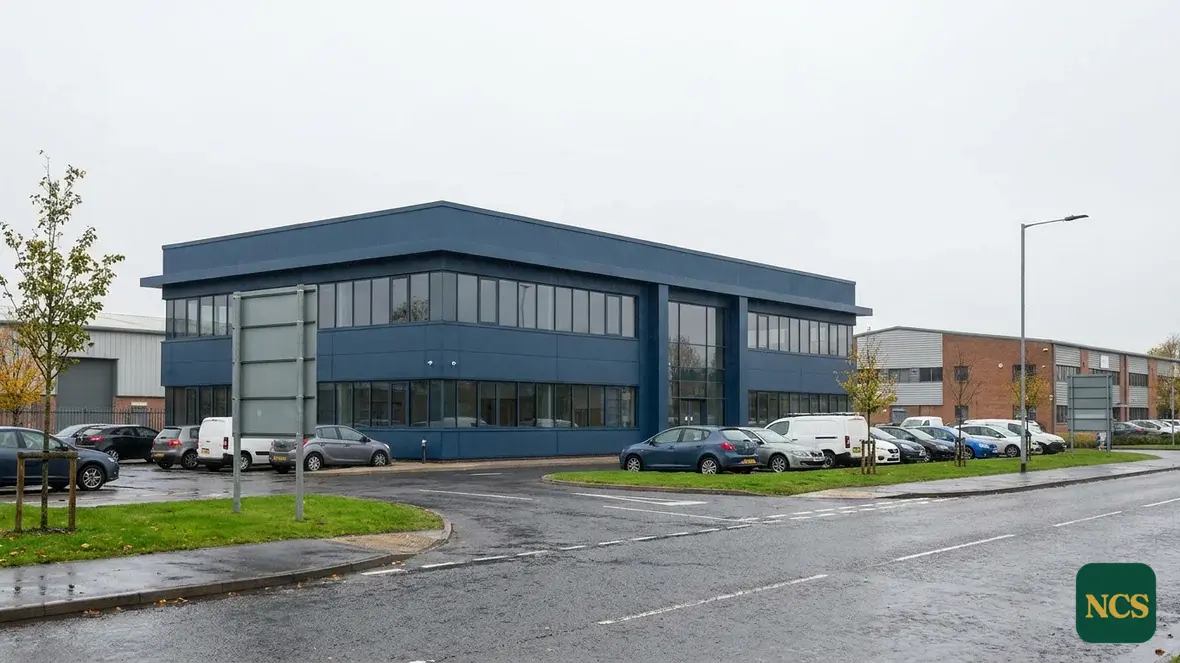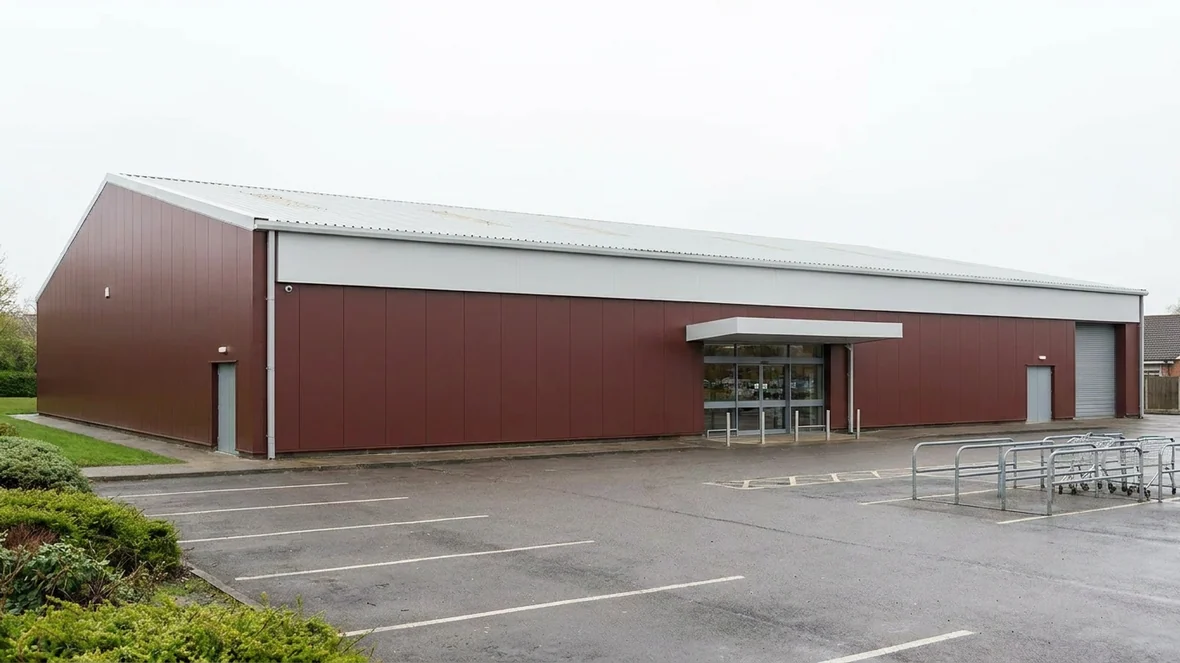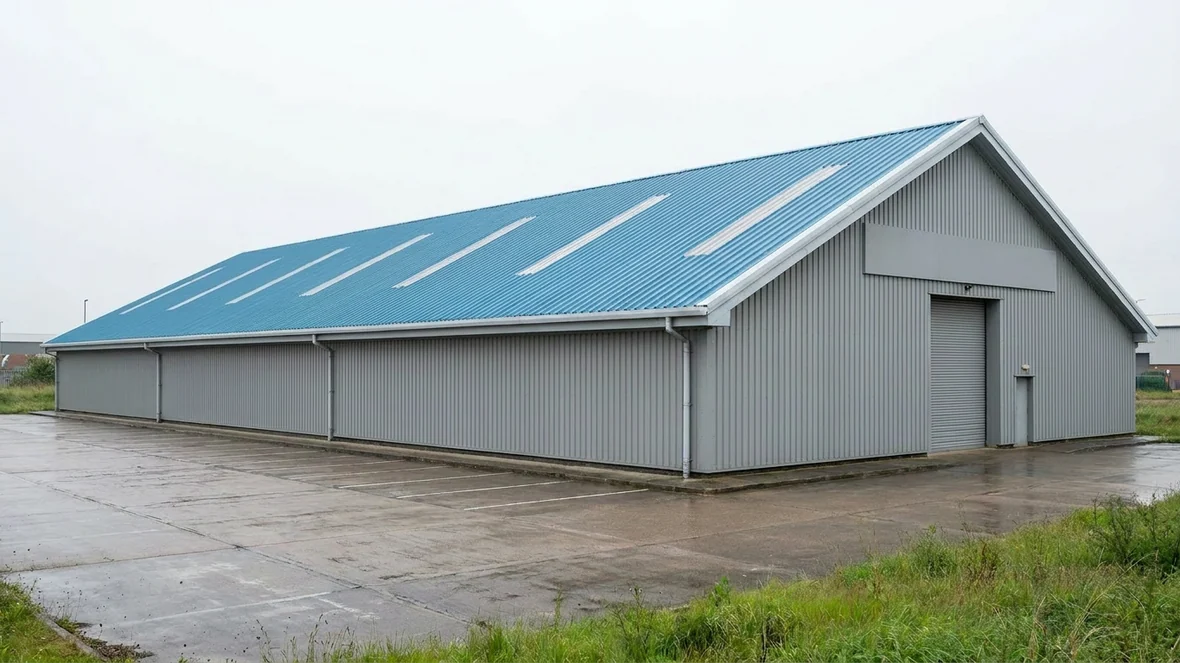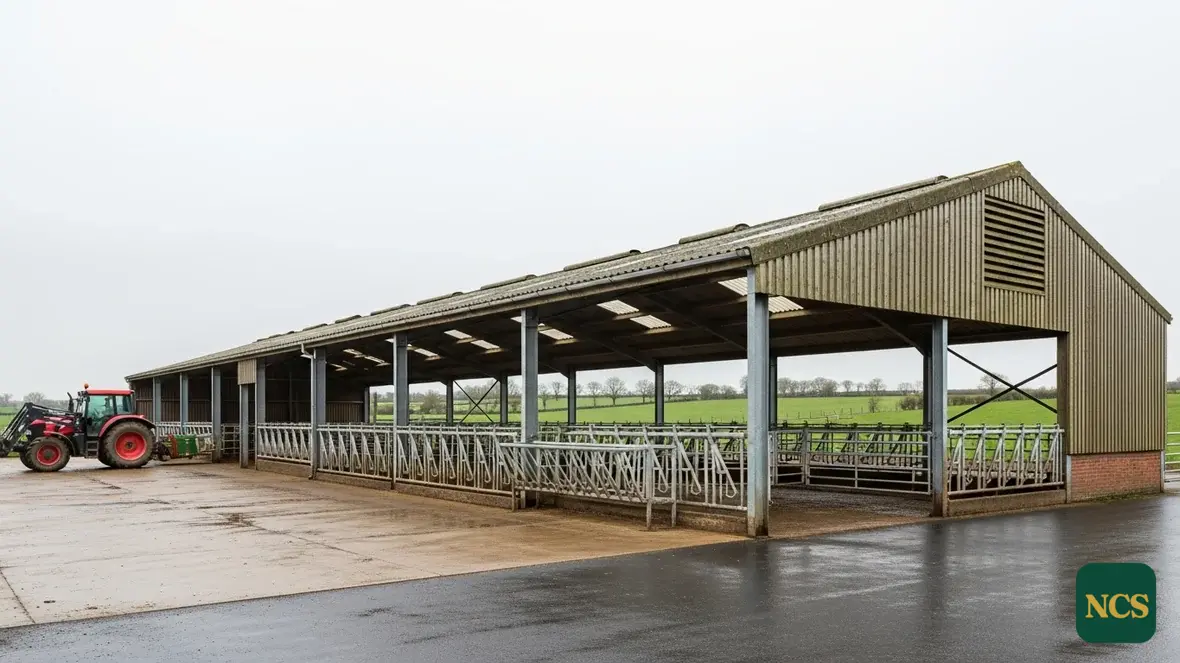




Barn Painters Cotswolds from National Coating Specialists means one thing: we survey the building before we specify a system. Our barn painters cotswolds work covers commercial, industrial and agricultural buildings, and every job starts with a free, no-obligation site survey.
Barn Painters the Cotswolds means the same survey-led route we apply everywhere: one of our surveyors inspects the building first, photographs the condition, and the specification follows the substrate rather than a price list.
Why barns across the Cotswolds need painting
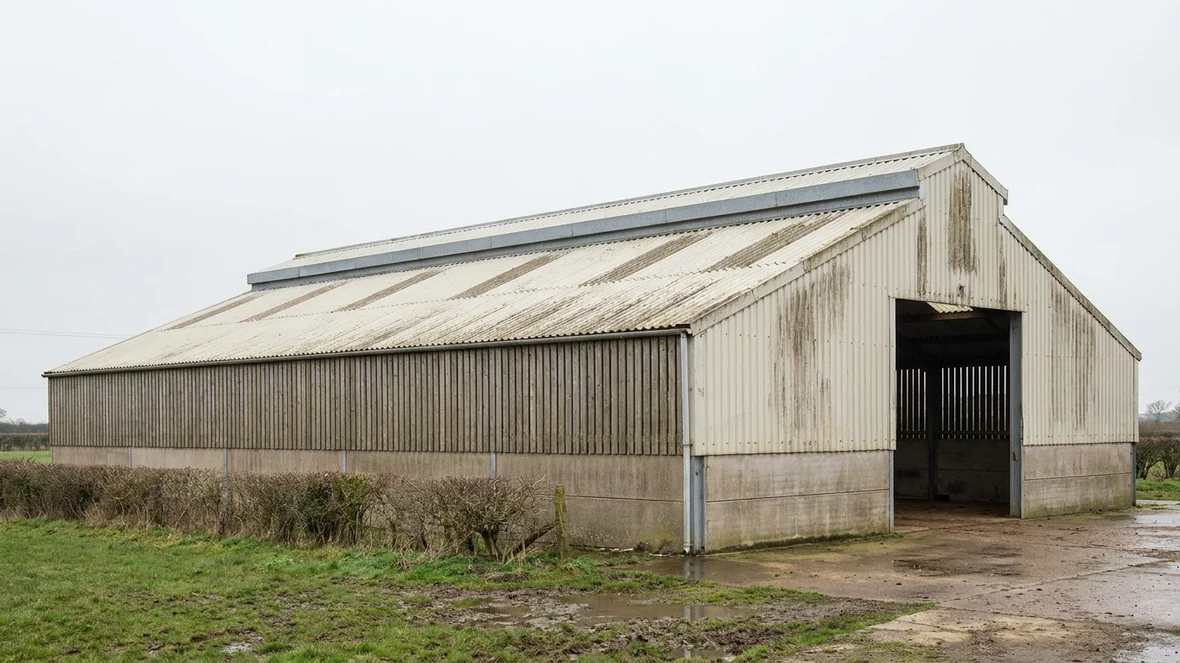
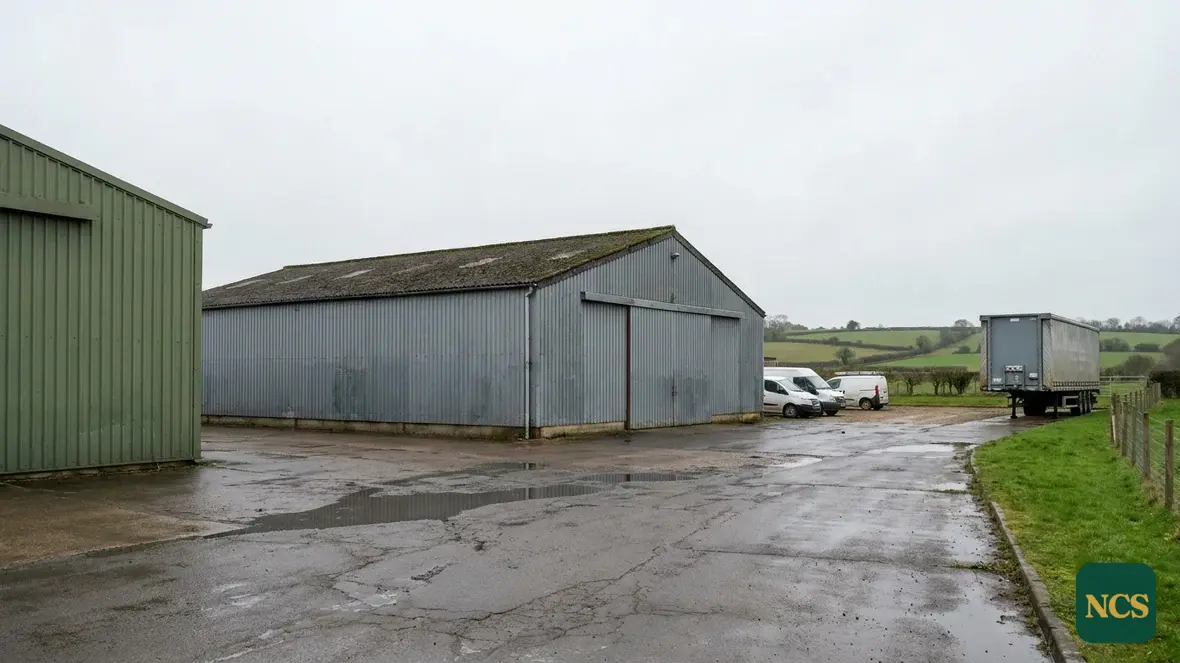
The exposed rural locations of Cotswolds barns and farm buildings take a beating from the elements. Driving rain, strong winds and winter frosts wear away at timber cladding and metal roofing over time. For livestock housing, the constant moisture from animal breath and slurry creates ideal conditions for mould and rot to set in. Many of the area’s traditional stone barns with timber extensions now show signs of ageing where the original coatings have failed.
The barn and shed stock of the Cotswolds
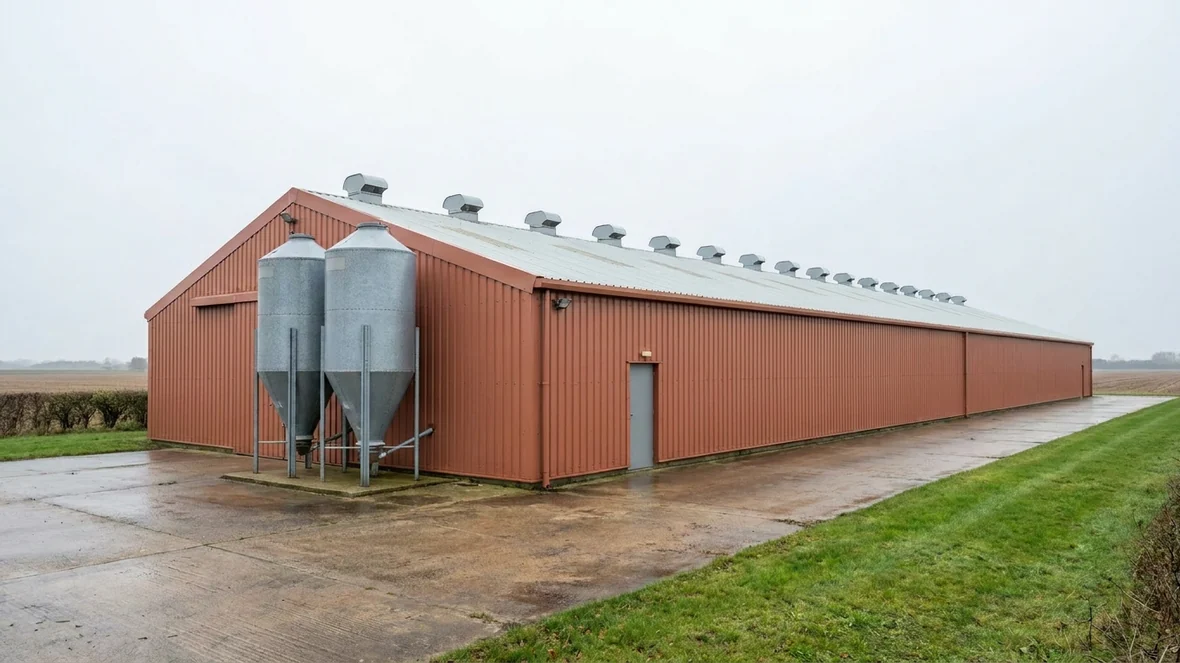
From the stone-built barns around Stow-on-the-Wold to the modern steel-framed sheds near Cirencester, the Cotswolds has a diverse range of agricultural buildings. The area’s larger estates and equestrian centres often have extensive complexes of interlinked barns and stables. Smaller holdings tend to rely on older timber-clad structures that may have been repurposed multiple times over decades. Whether it’s a grain store near Moreton-in-Marsh or cattle housing outside Bourton-on-the-Water, these working buildings need protection from the weather.
What the work involves
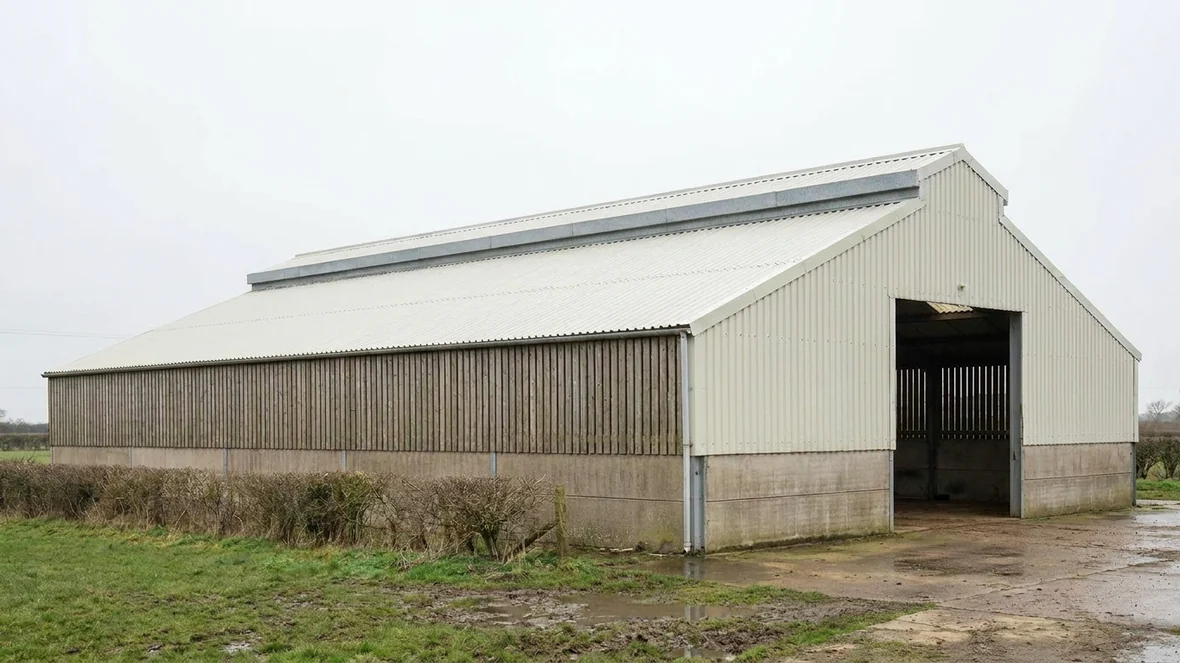
Our barn painting service uses professional spray-applied coating systems designed for agricultural use. For timber cladding, we apply breathable microporous coatings that allow moisture vapour to escape while keeping rain out. Metal roofing gets a protective layer that bonds to the substrate, preventing rust and reflecting sunlight to reduce heat buildup inside. The right system depends on the substrate, exposure and intended use of each building – which is why we always start with a survey.
The repairs and preparation that come first
Before any painting begins, we check for and address common issues like rotten timber, corroded fixings and failing flashings. Loose or damaged cladding needs securing, and any areas showing signs of decay may require replacement sections. Gutters and downpipes must be clear and properly connected to prevent water from running back under the coating. Only once the structure is sound do we move on to surface preparation like sanding, rust removal and primer application.
Our survey-led process
Every barn painting project starts with a detailed site survey by one of our specialists. We examine the condition of all surfaces, identify any underlying issues, and discuss how the building is used. This allows us to recommend the most suitable coating system and any necessary repairs. There’s no obligation after the survey – you’ll receive straightforward advice on what work your buildings need and why.
Why the survey comes before any specification
Barn painting isn’t a one-size-fits-all job. The right approach depends on factors like the building’s age, construction materials, exposure to weather and livestock, and future maintenance plans. Without seeing the site in person, we can’t properly assess these variables or give meaningful advice. Our survey ensures any coating system specified will perform as intended and last for years to come.
- Free, no-obligation survey of your barns and farm buildings
- Honest advice on necessary repairs before painting begins
- Coating systems selected for your specific requirements
- Professional application by experienced commercial painters
Learn more about our barn painting service or arrange your free survey.
Recently — July 2026
Settled summer weather suits coating and spraying work, with stable temperatures and dry surfaces helping systems cure and bond as specified.
We plan the work around how your site runs, so the building stays in use while we are on the roof.
Barn Painters the Cotswolds: our survey-led approach
What sets our barn painters the cotswolds apart is the survey. Before any coating is specified, one of our surveyors inspects the substrate, the access and the exposure, so the barn painters the cotswolds system we recommend suits the building in front of us.
- Condition of the roof, walls and cladding, checked in person
- Repairs and preparation identified before any coating goes on
- The right manufacturer system matched to the substrate and exposure
- A written report and an honest coat, repair or replace recommendation
That is why our barn painters the cotswolds work lasts: the specification follows the building, not a price list.
All access and work at height is planned in line with HSE work-at-height guidance.
Barn Painters Cotswolds: our survey-led approach
What sets our barn painters cotswolds apart is the survey. Before any coating is specified, one of our surveyors inspects the substrate, the access and the exposure, so the barn painters cotswolds system we recommend suits the building in front of us.
- Condition of the roof, walls and cladding, checked in person
- Repairs and preparation identified before any coating goes on
- The right manufacturer system matched to the substrate and exposure
- A written report and an honest coat, repair or replace recommendation
That is why our barn painters cotswolds work lasts: the specification follows the building, not a price list.
Common questions about barn painters Cotswolds
Can a rusty metal barn roof be painted?
Often, yes, provided the sheets remain structurally sound. We inspect for perforation, deep section loss, loose fixings and failed laps before recommending a coating system. Surface rust can usually be prepared and treated; coating over metal that has already failed is not a sensible repair.
Do you spray or brush barn cladding?
We normally use controlled spray application on broad roof and wall areas because it gives an even finish and reaches profiled surfaces efficiently. Brushes and rollers still have a place around fixings, edges, laps, gutters and other detailed areas. The method depends on the building, its surroundings and the degree of overspray control required.
Can barn painters work around livestock and stored crops?
Work must be planned around the use of the building. Livestock, feed, machinery and stored materials may need to be moved or securely isolated. We agree access, containment and working areas before preparation begins, rather than treating an operational barn as an empty industrial unit.
What time of year is best for coating a barn?
Application needs a suitable weather window, with a dry substrate and acceptable conditions for preparation, coating and curing. Wind is particularly important when spraying exposed agricultural buildings. We monitor conditions on site and do not apply coating merely because the calendar suggests it is summer.
Can you change the colour of agricultural cladding?
In many cases, existing coated metal cladding can be refurbished in a different colour. The proposed finish should suit the substrate and the setting, and some changes may require discussion with the relevant planning authority. We also check adhesion because a new colour will not correct a poorly bonded original finish.
Coating a barn or replacing the cladding
Coating is generally worth considering when the roof or wall sheets are sound but weathered, faded or affected by manageable corrosion. It retains the existing fabric, causes less disruption than stripping the building and can address deterioration before it progresses further.
Replacement is the better option when sheets are perforated, badly distorted or extensively corroded, or where fixings and supporting components have reached the end of their useful condition. It also wins when the owner needs a different roof build-up, improved insulation, major condensation control or alterations that the existing cladding cannot accommodate.
A coating should not be presented as a substitute for structural work. Local sheet replacement may sometimes be combined with refurbishment, but widespread failure usually points towards recladding. Our role as barn painters in the Cotswolds is to assess the substrate first and specify painting only where it is technically justified.
- Choose coating where the existing sheets are stable and preparation can produce a sound surface.
- Consider local replacement where isolated sheets, flashings or edges have failed.
- Choose full replacement where deterioration is widespread or the building performance needs to change.
- Investigate the supporting structure separately if movement, decay or significant water ingress is evident.
Preparation details that determine the finish
Barn coating succeeds or fails largely at the preparation stage. Agricultural buildings collect dust, organic deposits, grease and residues that can prevent adhesion. We clean the surfaces methodically, remove loose and unsound material, and allow the substrate to dry before coating begins.
Fixings, laps and cut edges
Corrosion often develops first around fixings, sheet overlaps and exposed edges. These areas require closer preparation than the open face of the cladding. Loose or unsuitable fixings must be dealt with before painting, while active corrosion is prepared back to a stable surface and treated with a compatible system.
Existing coating adhesion
Faded cladding is not necessarily failed cladding. We distinguish between harmless colour loss and a coating that is peeling, chalking heavily or separating from the substrate. Test areas help establish whether the existing finish can support further coats or needs more extensive removal.
Masking and overspray control
Before spraying, we identify rooflights, vents, doors, gutters, neighbouring property, vehicles and surrounding land that require protection. Wind direction and access affect how each elevation is approached. Careful masking and controlled application are part of the coating work, not optional finishing touches.
Keeping water out of the specification
Painting may improve weather resistance, but it does not repair every source of a leak. Failed flashings, open laps, damaged sheets and defective gutters should be identified separately. We prefer to resolve those details before applying the final coats, so the new finish is not expected to conceal an unresolved building defect.