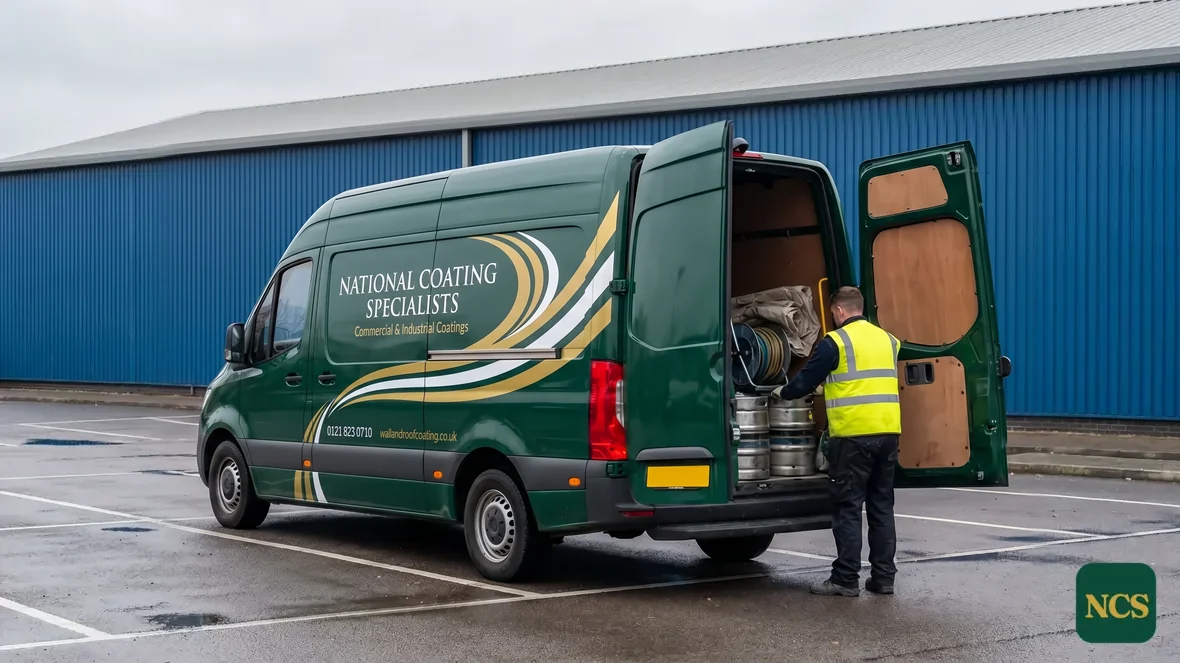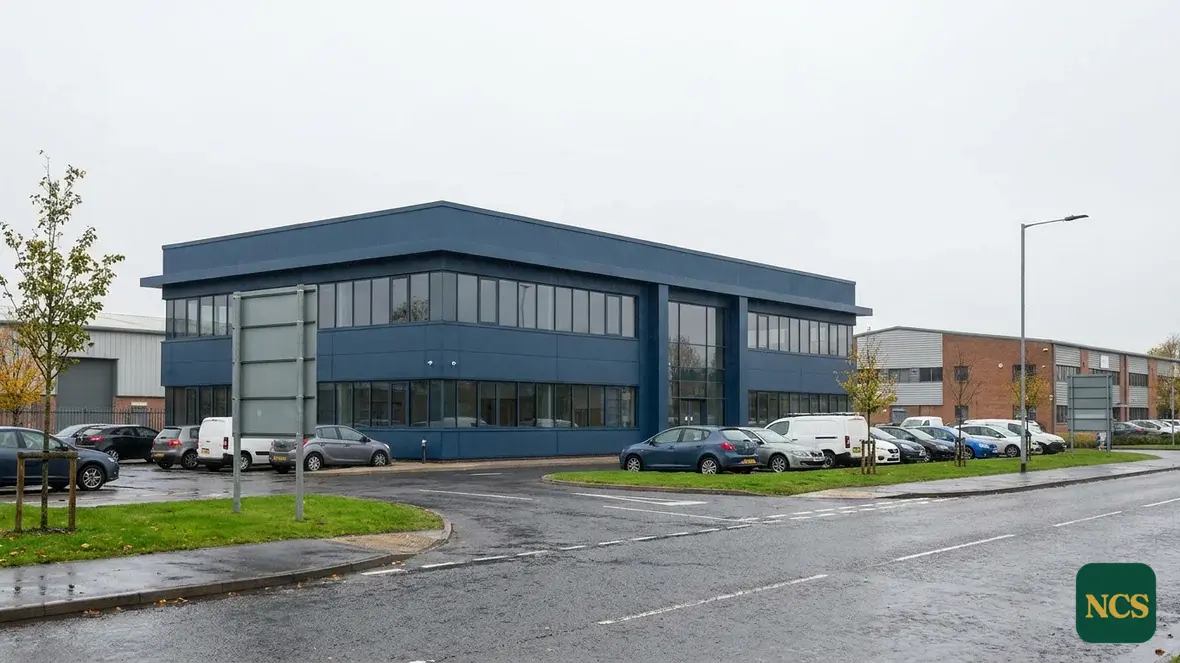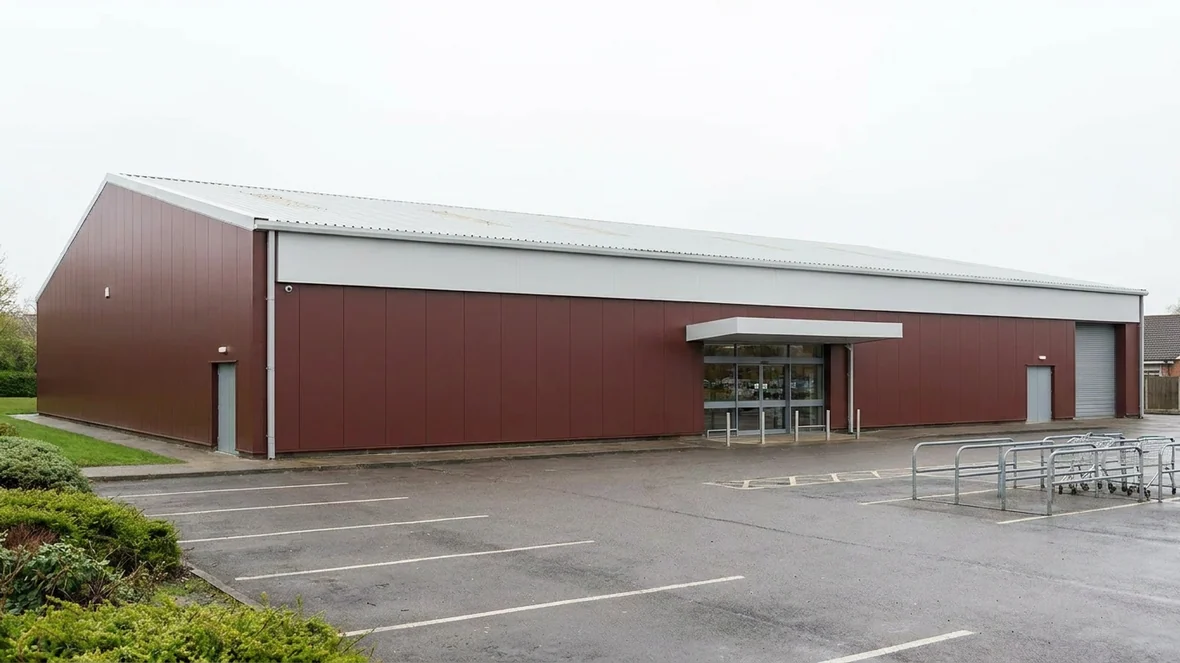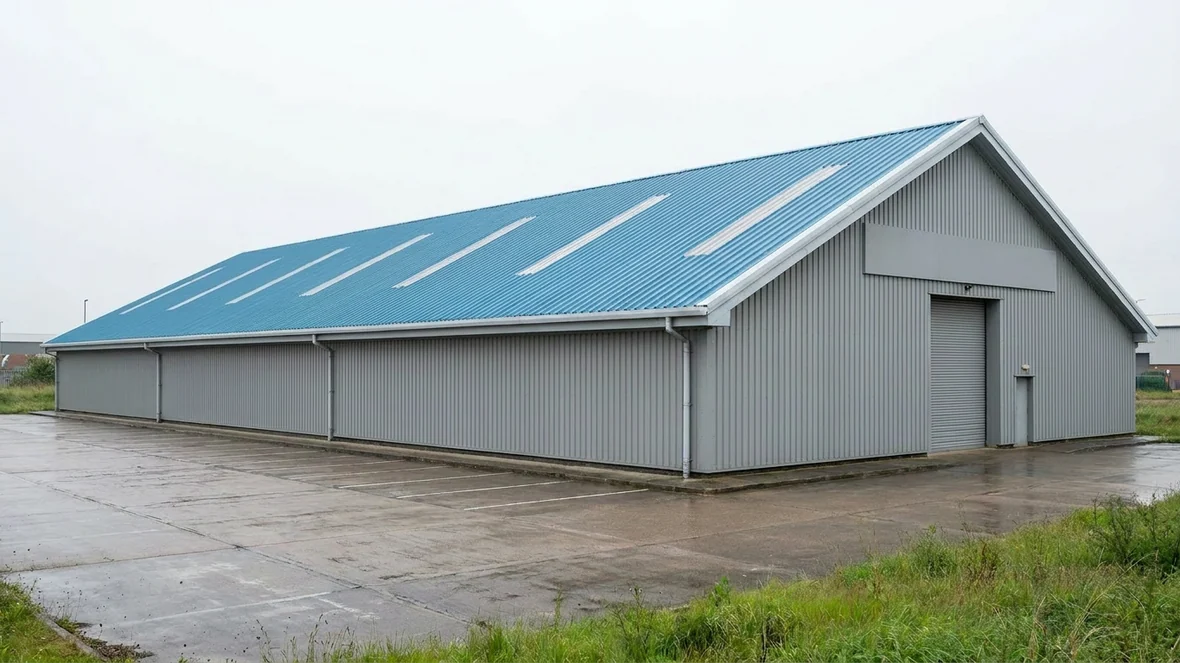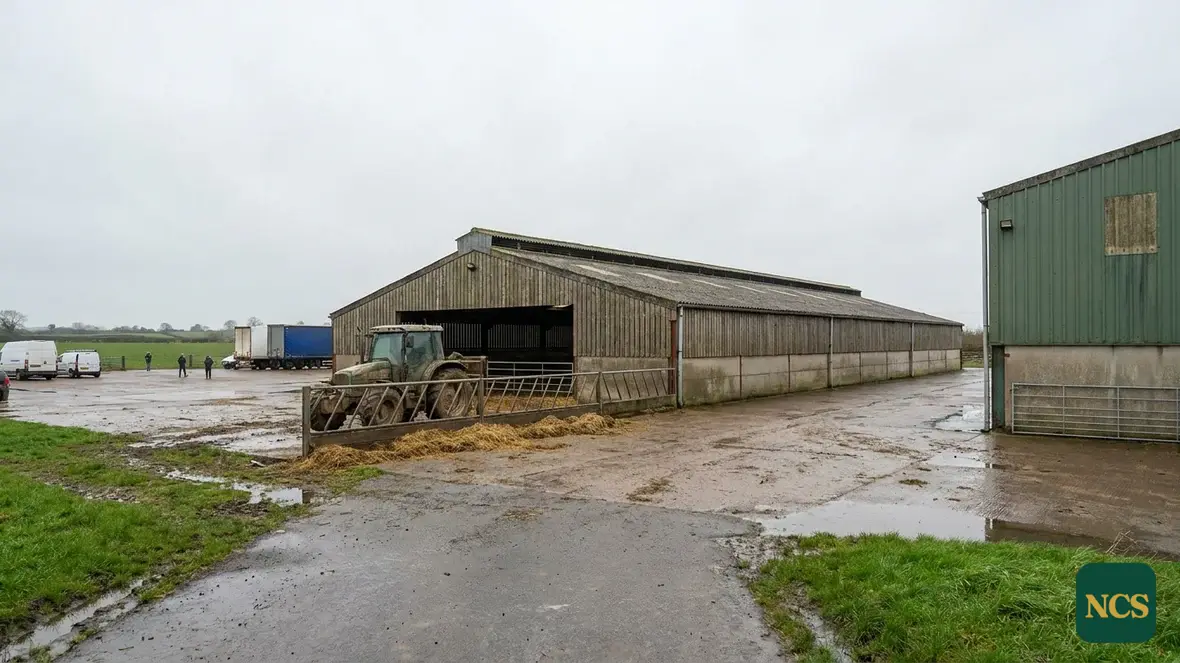




Agricultural Roof Coating Cotswolds from National Coating Specialists means one thing: we survey the building before we specify a system. Our agricultural roof coating cotswolds work covers commercial, industrial and agricultural buildings, and every job starts with a free, no-obligation site survey.
Agricultural Roof Coating the Cotswolds from National Coating Specialists means one thing: we survey the building before we specify a system. Our agricultural roof coating the cotswolds work covers commercial, industrial and agricultural buildings, and every job starts with a free, no-obligation site survey.
Why farm roofs around the Cotswolds reach the coat-or-replace decision
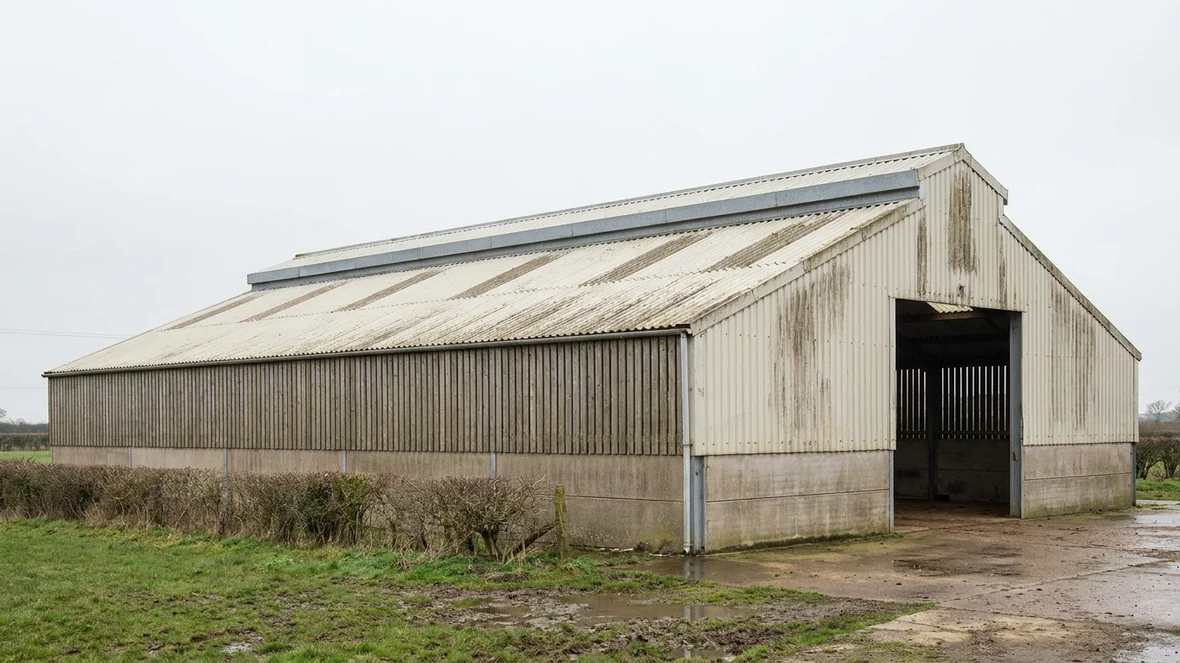
You see it all the time with older farm buildings in the Cotswolds. The winter rain and summer sun just hammer the roofs. After decades of that, especially around places like Cirencester or Stow-on-the-Wold, those original roof sheets start giving up. You get leaks, they turn brittle. Then you’re stuck: fork out for a whole new roof, or get a specialist coating to fix the problems.
The agricultural roof stock of the Cotswolds
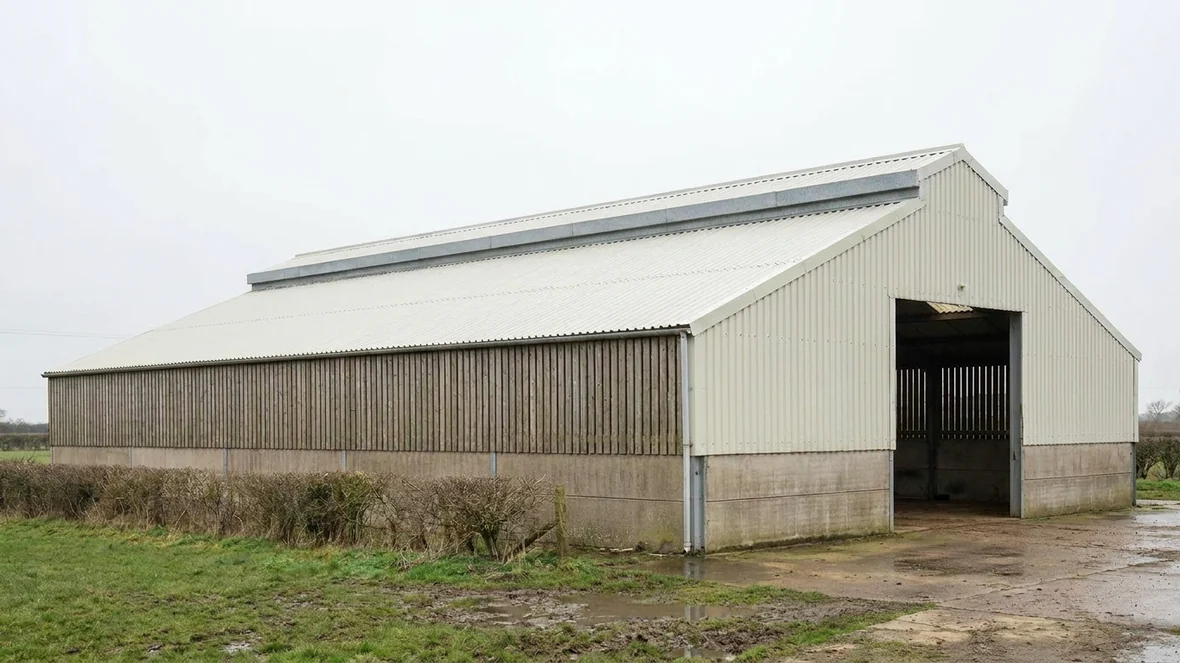
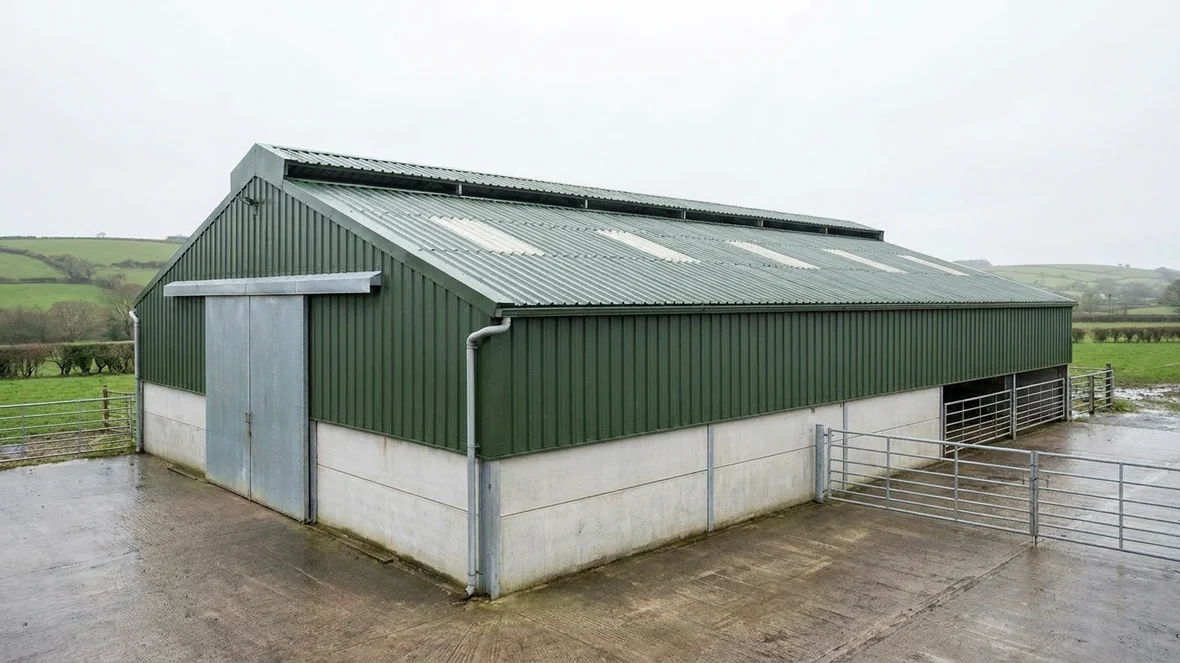
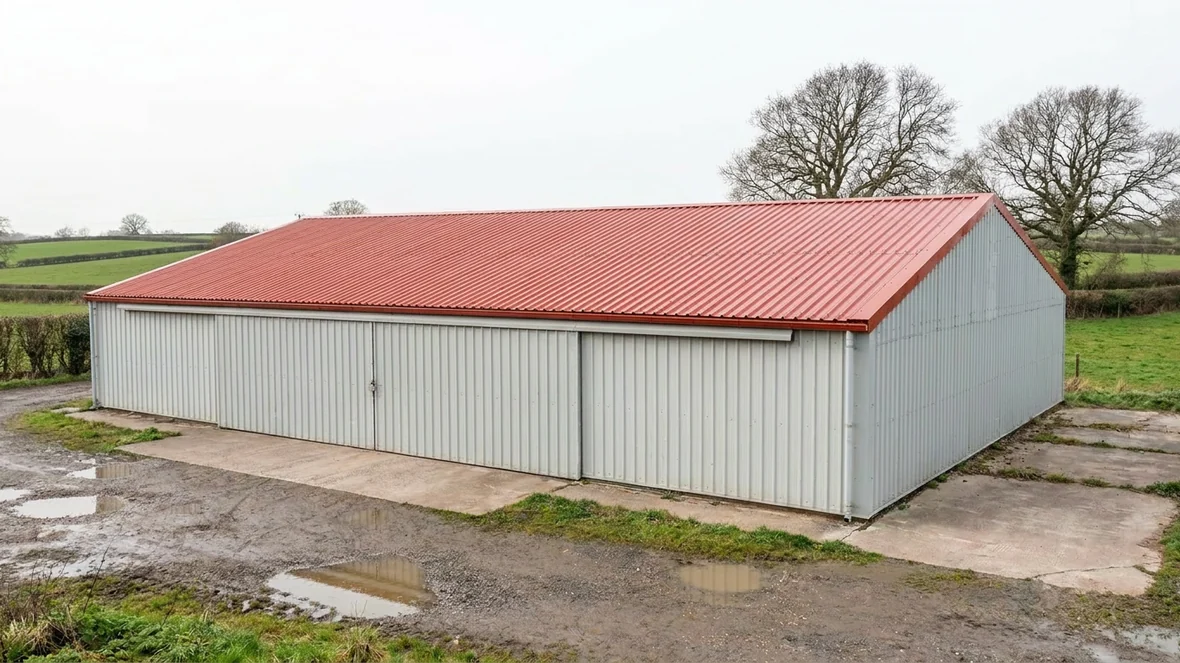
Driving around the Cotswolds, you’ll spot three main types of farm roof. Plenty of older barns and storage sheds, particularly near Bourton-on-the-Water, are still topped with fibre cement. Asbestos cement roofs are common on working farms, put up before the ban. For newer builds, or when a roof’s been replaced, it’s usually profiled steel, like you’d see on modern livestock shelters. Each one needs a different approach if you’re thinking about coating it.
What agricultural roof coatings do
A good coating system seals up your roof and stops the weather doing more damage. On fibre cement, it bridges those hairline cracks and keeps the water out. For asbestos cement sheets, it locks down any loose fibres and waterproofs the surface. Steel roofs get an anti-corrosion treatment that buys them years. The idea is always to get the roof watertight again, without the cost and hassle of ripping the whole thing off.
- We’ll give your roof a proper once-over.
- We’ll identify any asbestos on site.
- We’ll recommend the right coating system for the job.
- We’ll plan around your farm’s schedule and the weather.
- We’ll explain what to expect and how to look after it.
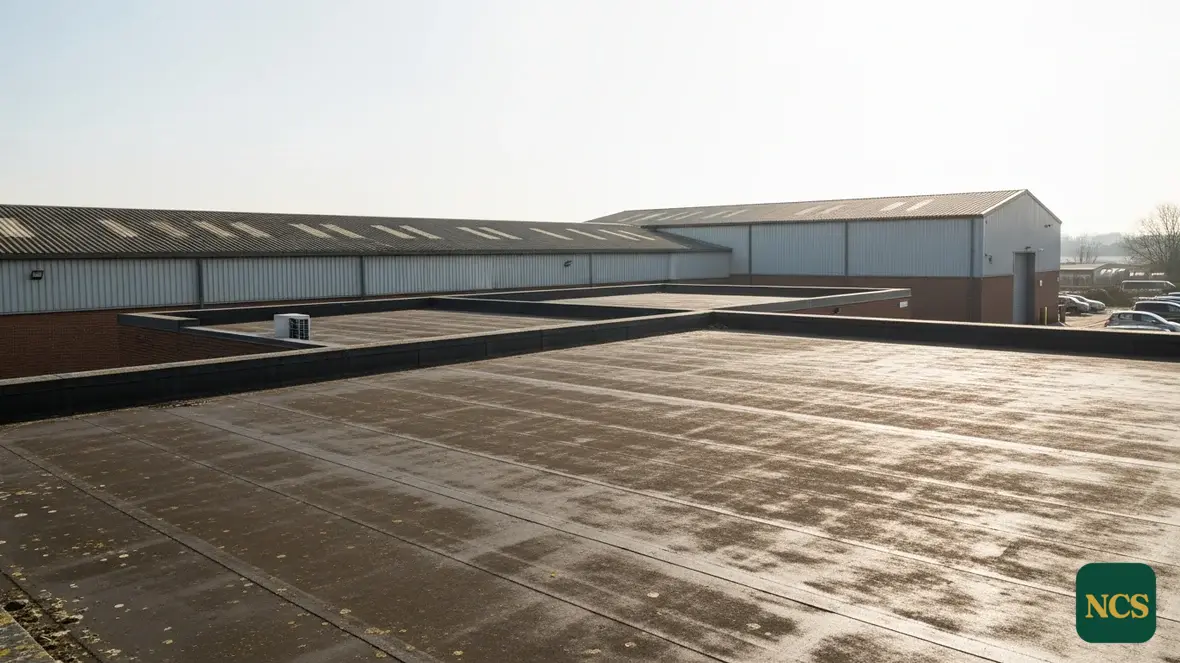
Asbestos cement sheets, cut edges and gutters
When we’re surveying older farm buildings in the Cotswolds, asbestos cement roofs always get extra attention. The state of the sheet edges, where they’re fixed down, and the gutters often decides if coating is even an option. You frequently see weathering at the overlaps and where the sheets meet the gutters on these roofs, that’s where water usually gets in. We check these spots first. A good coating won’t last if the prep work isn’t right in these vulnerable areas.
Our survey-led process around the farming calendar
We know farming doesn’t stop for us. That’s why we plan our surveys to cause minimum fuss. Early morning visits for dairy units, so we’re done before milking. During harvest, we work around grain drying and storage. That quiet spell between lambing and shearing often works best for sheep farms. Your farming calendar comes first, we fit our roof assessments and work around it.
Why the survey comes first
Every farm building in the Cotswolds has its own story, its own set of problems. Without a thorough survey, you’re guessing whether a coating will actually be money well spent, or if you’d be better off replacing the roof entirely. We look at the roof’s condition, find any hidden issues, and then tell you what we think. It’s an honest assessment. No point in spending cash on a coating that won’t actually do what you need it to for your building.
Learn more about our agricultural roof coating service or book your free survey.

Common questions about agricultural roof coating the Cotswolds
Can an old agricultural roof be coated rather than replaced?
Most of the time, yes. As long as the roof is still sound and the sheets or panels can take a coating. We always survey it first. We’ll check the material, the fixings, the overlaps, any old coatings, and where it’s damaged. A coating won’t fix major structural movement, sheets that are totally shot, or a poorly built roof.
Can you coat fibre cement and asbestos cement farm roofs?
These roofs can often be coated, but we need to know their exact condition and what they’re made of. Asbestos cement needs careful handling to avoid disturbing it, and we manage any contaminated water and debris properly. We pick the right cleaning and preparation methods based on what we find, rather than treating every weathered sheet the same.
Will roof coating stop leaks in an agricultural building?
A coating will seal porous surfaces and protect any repairs we’ve done properly. But it’s not a magic bullet for stopping leaks. Leaks usually come from overlaps, fixings, flashings, rooflights, gutters, or damaged sheets. We find and fix those specific problems before we put on the main coating system.
When is the best time to coat a farm roof in the Cotswolds?
You need a good run of dry, settled weather. The roof surface has to be within the right temperature and moisture limits for the coating to go on. Exposed sites, shaded bits of the roof, and local weather can all mess with the prep and drying. We plan agricultural roof coating in the Cotswolds based on what the site’s actually like, not just what the calendar says.
Can the building remain in use while the roof is being coated?
Often, yes. But we’ll need to manage access and where we’re working very carefully. You might need to protect livestock, stored crops, machinery, ventilation, or any sensitive processes. We’ll sort all that out during planning, so we can control debris, wash water, and overspray.
Preparation and application details that determine coating performance
The final finish is just the last step. How long an agricultural roof coating actually lasts depends completely on how well we inspect, clean, repair, and dry the roof beforehand.
Surveying sheets, fixings and roof details
We start by checking the roof covering and what’s supporting it, from safe access points. We’re looking closely at cracks, corrosion, loose fixings, open overlaps, ridge details, flashings, rooflights, and any old repairs. If we find anything that a coating won’t fix, we’ll tell you before we even start cleaning.
Cleaning without damaging the substrate
Loose material, moss, lichen, dirt, and any flaking old coatings have to go. We use cleaning methods that suit your roof. Get too aggressive, and you can damage weathered fibre cement, force water through the overlaps, or mess up fragile surfaces. We control the direction, pressure, and how the water runs off to suit your building’s construction and condition.
Completing local repairs before coating
We fix faulty fastenings, small cracks, open joints, and vulnerable bits using compatible repair materials. Really badly damaged sheets might need replacing, not just hiding under a coating. We also check gutters and drainage. A coated roof won’t help if the rainwater can’t get away properly.
Allowing the roof to dry properly
A roof can look dry but still hold moisture under overlaps, around fixings, or in shaded areas. If you coat it too soon, it won’t stick properly and you’ll trap water underneath. After cleaning, we check the roof and will put off applying the coating if the surface or the weather isn’t right.
Applying an even, continuous film
We apply the coating at the right thickness, paying close attention to the corrugations, sheet edges, overlaps, fixings, and any awkward joins. We protect adjacent surfaces, rooflights, vents, and rainwater goods. We also keep an eye on the wind, especially on exposed farm sites, to stop overspray and keep control of the application.
All access and work at height is planned in line with HSE work-at-height guidance.
Agricultural Roof Coating Cotswolds: our survey-led approach
What sets our agricultural roof coating cotswolds apart is the survey. Before any coating is specified, one of our surveyors inspects the substrate, the access and the exposure, so the agricultural roof coating cotswolds system we recommend suits the building in front of us.
- Condition of the roof, walls and cladding, checked in person
- Repairs and preparation identified before any coating goes on
- The right manufacturer system matched to the substrate and exposure
- A written report and an honest coat, repair or replace recommendation
That is why our agricultural roof coating cotswolds work lasts: the specification follows the building, not a price list.