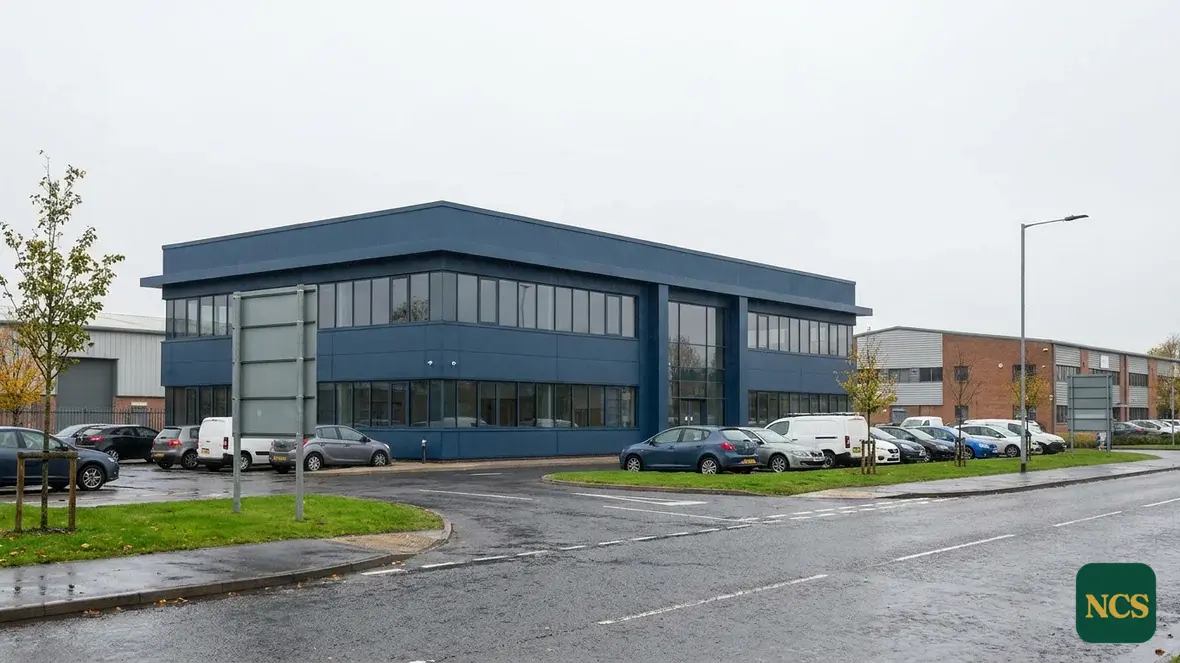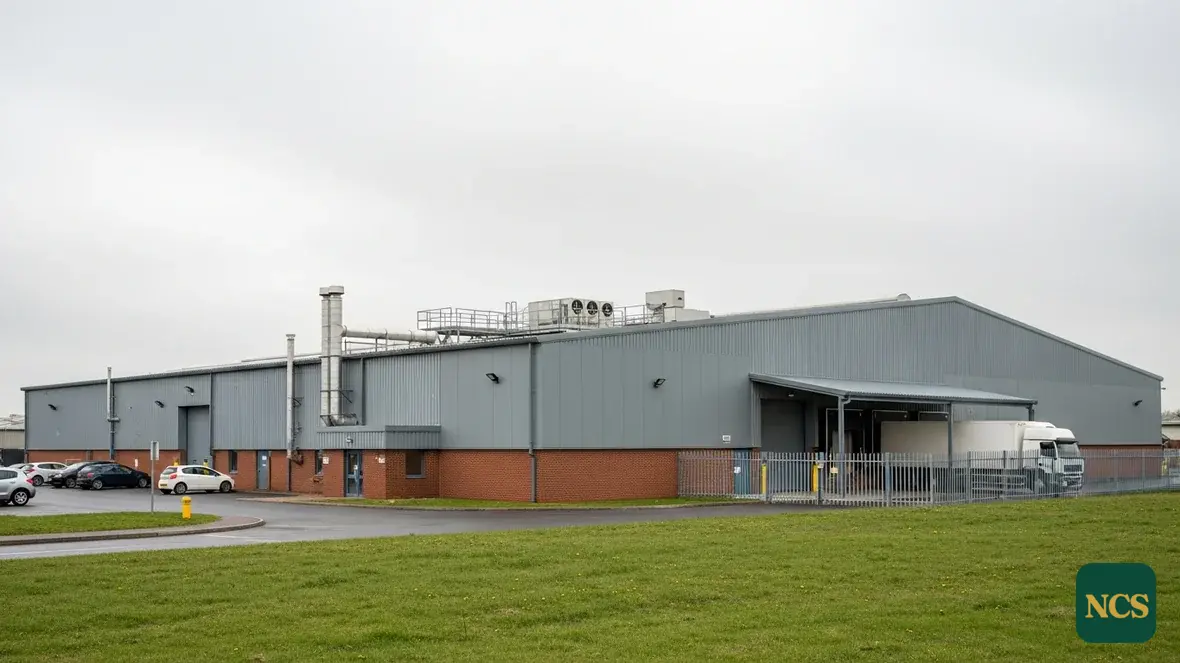
Kent is our home county, and Canterbury sits squarely in our core working area. The city’s commercial buildings span a wider range of ages than most places its size: estate units off the ring road, retail and hospitality premises in and around the centre, education and institutional buildings with extensive flat roofs, and the packhouses, stores and barns of the east Kent countryside beyond.
National Coating Specialists surveys every one of them in person before recommending a system. The sections below set out each of our services for Canterbury buildings specifically, so the full picture sits on one page. Everything begins with a free site survey and a written, photographed report.
Canterbury buildings and how east Kent weathers them
This corner of Kent combines coastal influence with some of the highest sunshine totals in Britain. Buildings towards the coast pick up salt in the air drifting inland from Whitstable and Herne Bay, which accelerates corrosion on metal roofs and cladding, while strong sun degrades felt, sealants and plastic rooflights faster than owners expect. Add thermal movement on long roof runs and you get the familiar east Kent pattern: laps opening, cut edges rusting, seams cracking and gutters quietly failing.
The stock itself runs from profiled metal on the newer estates through weathered fibre cement on older industrial premises to felt and single-ply flat roofs above shops, offices and institutional buildings. Each calls for a different preparation and coating approach, which is precisely why we survey before we specify anything.
Commercial roof coating in Canterbury
Where the roof structure remains sound, a commercial roof coating restores weather protection at a fraction of replacement cost and without stripping a roof off over a working business. Our survey is physical and thorough: sheet or membrane condition, laps and seams, fixings, flashings, rooflights, gutter linings and outlets, ponding and internal evidence of leaks.
The findings go into a written specification covering cleaning, repairs, corrosion treatment where needed and the coating system itself, so you can hold the finished job against that document line by line. If you have been quoted for roof painting in Canterbury, compare the preparation, not just the finish; the treatment of the sheets and fixings decides how long any coat lasts.
Commercial wall coating in Canterbury
The walls here range from rendered upper floors on shops near the Cathedral to blockwork and render on the business parks, with brick, painted render and pebbledash on the older commercial stock in between. Salt-tinged air and general weathering chalk the paint, open hairline cracks in render and feed the green algae on sheltered elevations. A commercial wall coating deals with all of that, provided the diagnosis comes first.
Canterbury also has plenty of historic, soft masonry, and that often needs a breathable treatment rather than a sealed film. Where water is getting in through a roof junction, a parapet or failed rainwater goods, we fix the cause and dry the wall before any finish goes on. That advice arrives in writing before you commit to anything.
Cladding spraying in Canterbury
Canterbury sits only a few miles from the north Kent coast, and the cladding on its commercial buildings knows it. Salt-carrying air speeds up the fading and chalking of coated steel, and cut-edge corrosion gets an early start at panel laps and sills. Cladding spraying restores the coating film on serviceable panels before the weather turns a cosmetic issue into a structural one, and it is equally the route for a corporate colour match or a fresh identity for a new occupier.
Most of this work around the city is on profiled steel and composite cladding: trade and industrial units off the ring road, retail and leisure buildings, storage sheds and offices with panel infills. Shutters, fascias, window frames and rainwater goods usually join the schedule so the finished building reads as one job, not a patch.
Industrial roof coating in Canterbury
Canterbury’s trading estates are not sprawling mega-sheds, but the units serving east Kent’s food, farming, trades and storage businesses still hold a lot of profiled metal roofing, much of it decades old and working hard. An industrial roof coating runs entirely from roof level: cleaning, repairs, edge treatment and application, with no strip-off and no period where the building stands open to the sky.
Occupiers carry on below, deliveries keep moving, and on shared estates the programme can be phased so each unit is dealt with in turn. Where rooflights need replacing or gutters need attention, that work folds into the same visit.
Cut edge corrosion treatment in Canterbury
Wherever a profiled steel sheet was trimmed to size, the factory coating stopped dead at the cut, leaving bare steel along the ends, the overlaps and the gutter line. East Kent catches plenty of weather off the Channel and the Thames Estuary, and those exposed bands are exactly where wind-driven rain sits longest. Farm buildings raise the stakes further: grain stores, livestock housing and packhouses produce condensation and sometimes an aggressive internal atmosphere, so the edges get attacked from both faces of the sheet at once.
Caught while the steel behind it is still sound, cut edge corrosion treatment is a modest job: edges cleaned back to bright metal, sealed with a rust-inhibiting primer and finished with a flexible coating over the laps and into the gutters. Postponed, the same fault matures into perforated ends and a full strip and re-sheet.
Asbestos roof encapsulation in Canterbury
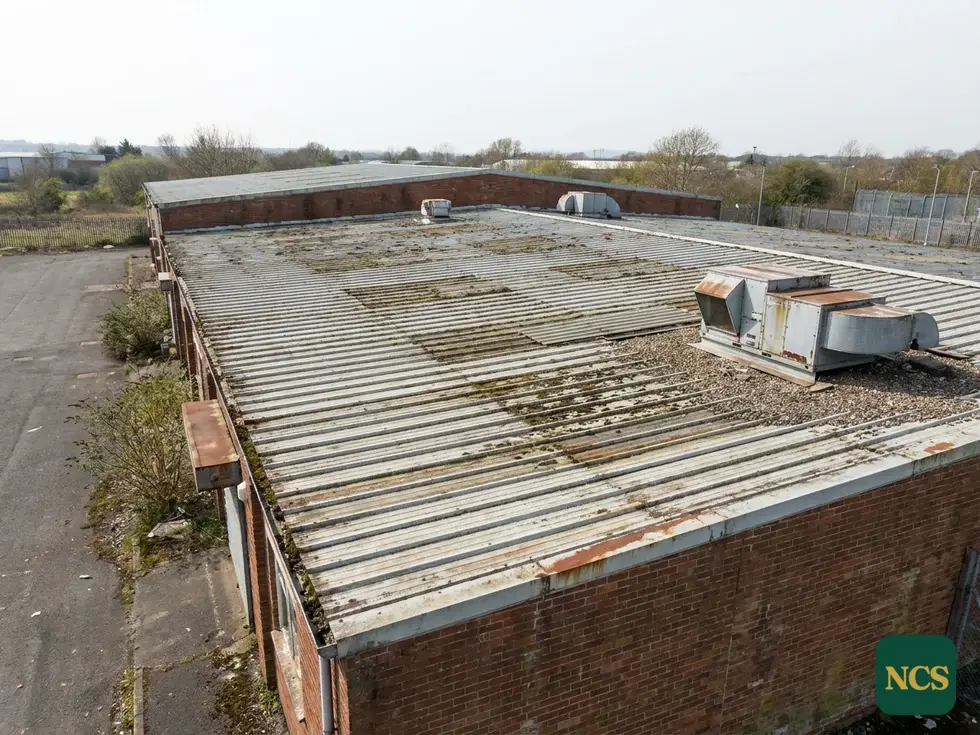
Around Canterbury and the wider Kent countryside, the same asbestos cement sheeting turns up on farm sheds, barns, workshops, light-industrial units and commercial storage, much of it weathered but still structurally sound. That is the sweet spot for asbestos roof encapsulation: the roof is cleaned, stabilised and sealed with a high-build coating that binds the fibres into the substrate and gives the building a renewed weatherproof skin, meeting the duty to manage under the Control of Asbestos Regulations 2012 with a written record for your management plan.
Cement that is cracked right through, badly delaminated or friable cannot be safely sealed, and higher-risk materials such as insulating board are licensed-removal territory. We tell you which situation your building is in, plainly.
Agricultural building coating around Canterbury
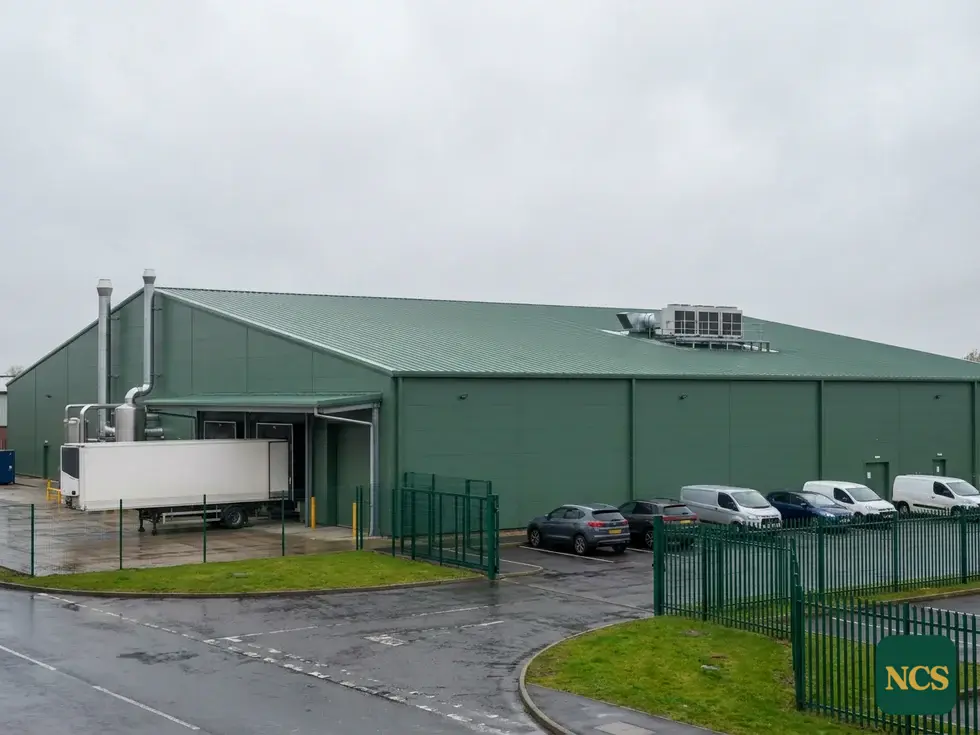
Few counties pack as much variety into their farm buildings as the countryside around Canterbury: fruit stores and packhouses, hop-country heritage, arable barns and livestock sheds, often within a few miles of one another. Oast houses get the photographs, but the buildings doing today’s work are steel portal frames and fibre-cement roofed sheds, and coastal weather pushes corrosion along their cut edges, fixings and gutter lines faster than the same buildings would see inland. Our agricultural building coating work is planned around the farm calendar, which is busier here than most.
Soft fruit ramps up in early summer, top fruit picking and packing run hard from late summer into autumn, and packhouses are flat out exactly when the weather is best for coating. So we take spring slots before the season builds, handle machinery sheds while the kit is out in the rows, keep the work external and agree clean access routes, staying out of the way of produce movements entirely.
Coat, repair or replace across Canterbury
Every survey here ends with one of three recommendations, given with photographs and reasons. Repair, when the damage is local and the roof is otherwise healthy. Coat, when surface protection has broken down across the roof but the sheets and frame remain sound. Replace, when the roof is past saving, because coating failed steel or friable cement only defers the real bill while adding ours on top. The verdict is yours to act on, but it will be an honest one.
Recent projects from the same team
Our case studies document this work from survey to handover. For the farm side of the district, the asbestos encapsulation of a grain store in Taunton shows exactly how a sound cement roof is sealed around the farming calendar. On the commercial side, the supermarket roof coating in Exeter covers a trading building that stayed open throughout.
Booking a coating survey in Canterbury
To arrange a survey, tell us the building type, where it sits around the city or the surrounding countryside, the surface and the visible issue. Photographs help us judge the next step before a surveyor visits. Our east Kent coverage runs well beyond the city: Whitstable, Herne Bay, Faversham and Ashford are all part of the regular working area, so businesses with more than one site across the district can deal with one contractor for the lot.
Canterbury is part of our wider Kent coverage. See the Kent coating hub for the county picture, or pick the service closest to your building: