Why buildings around Runcorn need cladding protection
Walk around Runcorn and you see the toll decades of industry takes. The chemical legacy from the Manchester Ship Canal and Weston Point means buildings here face more than just rain and wind. We’ve seen it time and again: industrial fallout and salty air from the Mersey really hit plastisol and profiled steel cladding hard. Fading is just the start. Give it long enough and you’ll find chalky residues on the sunny elevations, with those ugly streaks running down from the fixings and seams. Ignore it and that protective coating eventually gives up, leaving the metal underneath to the elements.
Runcorn’s clad building stock
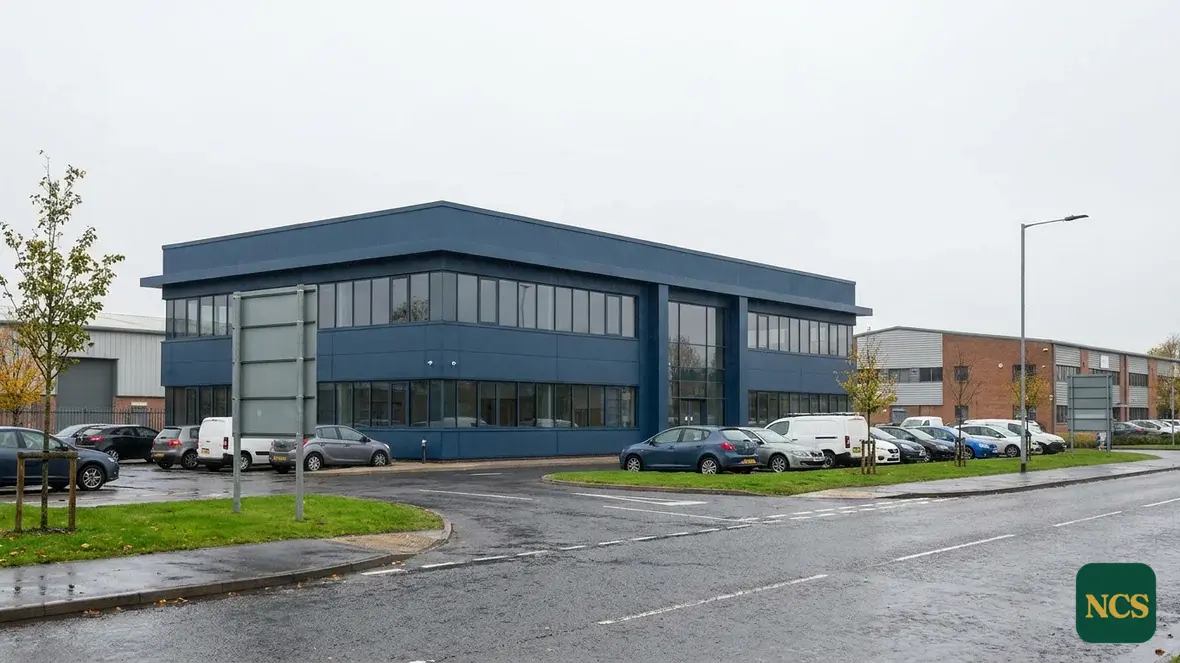
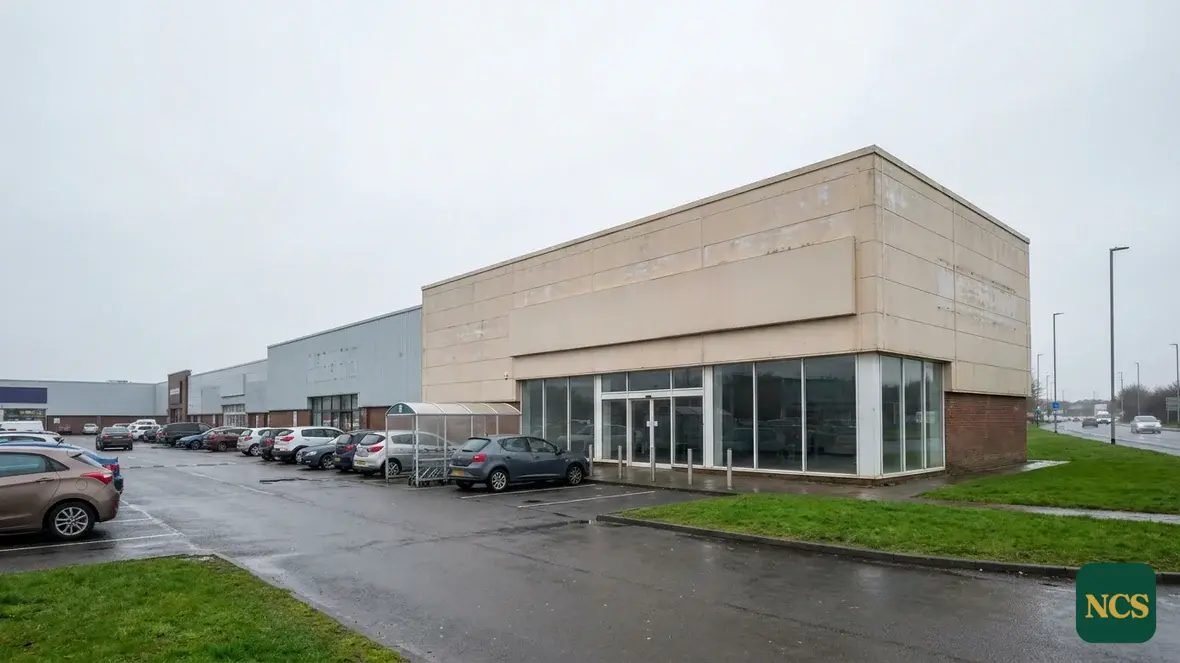
A lot of Runcorn’s commercial property went up during the new town boom of the 1970s. Think Astmoor and Whitehouse industrial estates: low-rise units, big expanses of profiled steel or composite panels. These buildings were built to do a job, not win beauty contests, so the cladding was chosen for durability. But that was decades ago. Those original finishes are showing their age now. And with the flat roofs and shallow pitches common around here, water often runs off in ways that just speed up the coating breakdown.
How on-site cladding spraying works
Cladding spraying done right brings the protective layer back to life without the mess and disruption of ripping everything off and replacing it. We put a high-build coating straight over the existing surface, but only after we’ve got the preparation spot-on. You get a finish that matches the original texture, but with far better weather resistance. No more standing out with patch repairs; a full respray gives you uniform colour and protection, end-to-end. And we do it with minimal fuss, you don’t need to shut down operations or move people out.
Addressing underlying issues first
We never just spray over problems. Before any paint gun comes out, we get in there and fix the common failure points. Those cut edges where moisture creeps in, loose fixings that let panels rattle, leaky seams, they all need sorting. These are the spots where you usually see serious corrosion or the coating has completely failed. Our survey tells us if it’s just a few localised repairs or if we need to swap out whole panels to give us a sound surface. We don’t touch the coating until the structure underneath is stable.
Our survey-led approach
Every single job starts with us getting a good look at your building. We don’t just check the cladding; we look at the structure, the flashings, where different materials meet. That tells us if spraying is all you need, or if there’s bigger work to do. We consider everything: how exposed the building is, the damage we find, what the building’s used for. That’s how we figure out the right coating system. There are no off-the-shelf answers here. The spec always comes from what we find when we get on site.
Why specification follows survey
Cladding systems fail in different ways. It depends on which way they face, the detailing, even the little microclimate around them. A south-facing wall in Astmoor takes a different beating than one near the chemical plants at Weston Point. Until we’ve walked around your building, we can’t tell you which coating will last. The survey also shows us if the existing surface needs any special prep to make sure the new coating sticks. This diagnostic step stops costly mistakes and makes sure the job we do actually fixes your problem.
- Free, no-obligation survey of your cladding system
- Honest assessment of whether spraying is the right solution
- Clear explanation of any necessary repairs before coating
- Recommendations based on your building’s specific conditions
For more about the cladding spraying process, see our cladding spraying overview. Ready to book your survey? Request a free quote.
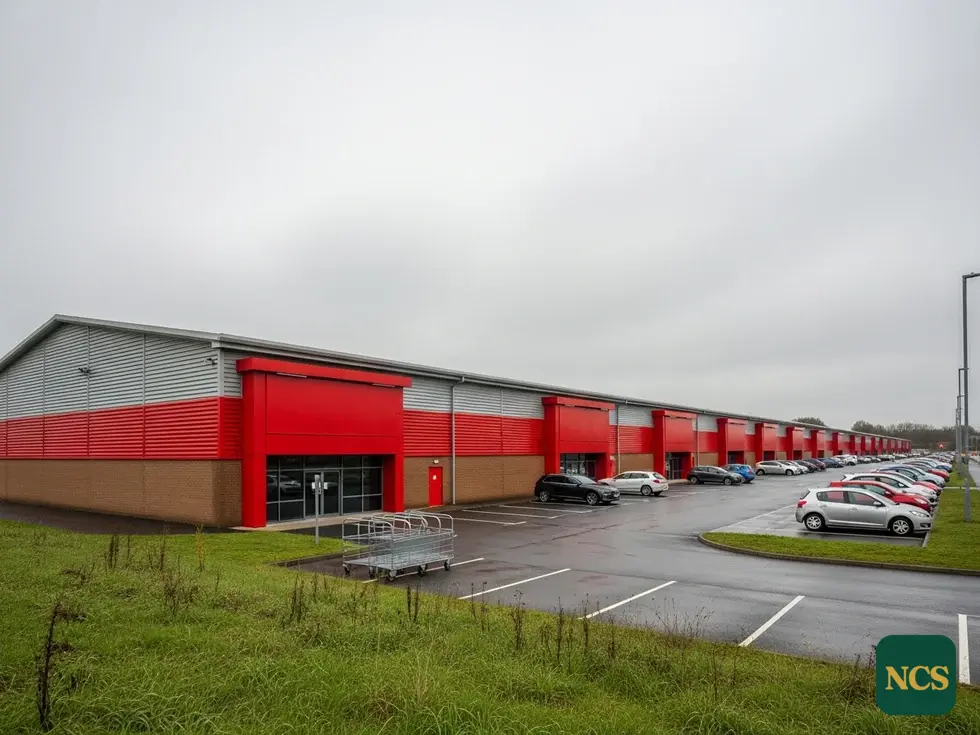
Recent project near Warrington
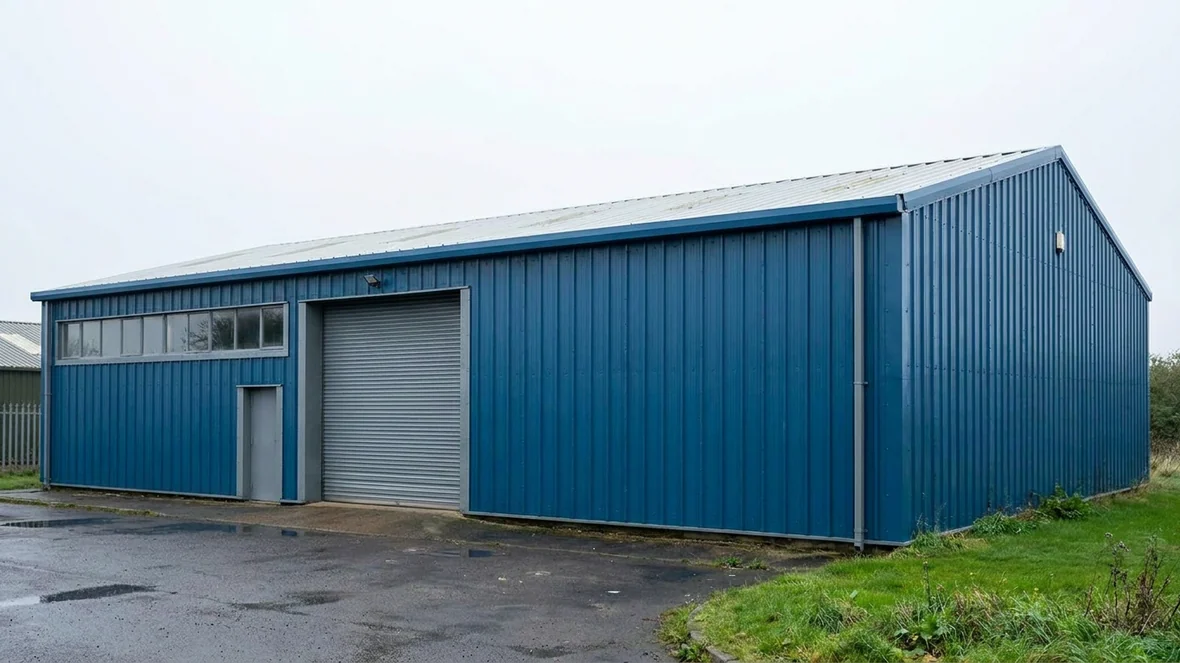
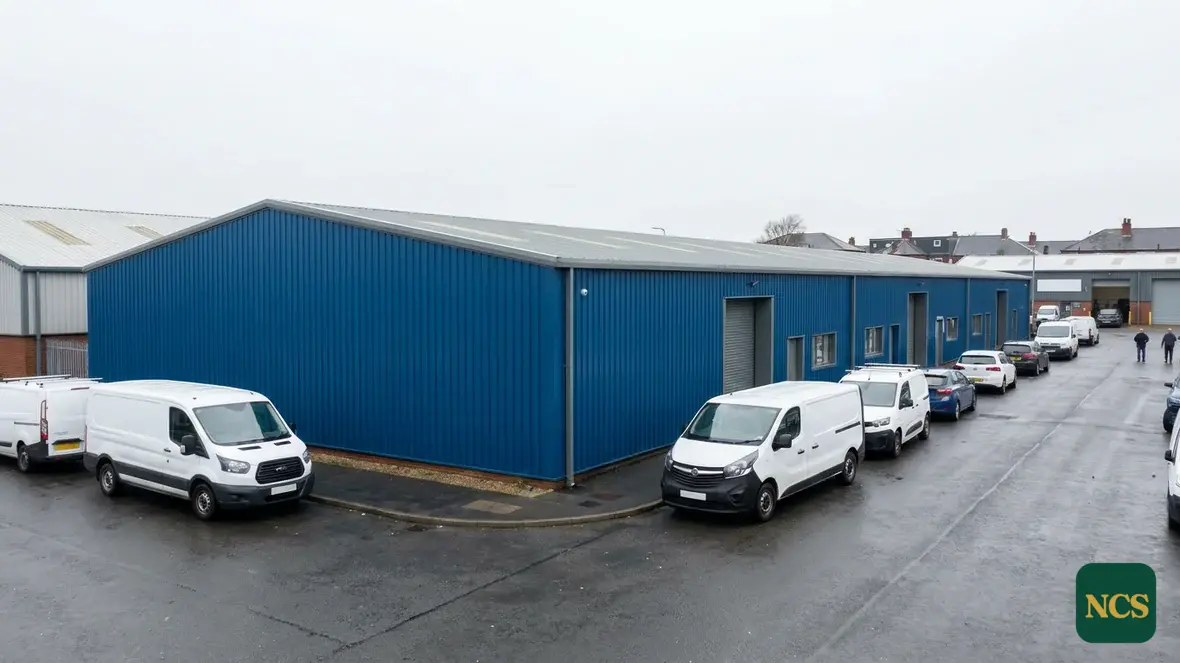
A weathered steel portal unit near Warrington washed, repaired and airless sprayed in Gentian Blue RAL 5010, ready for re-letting. Read the full case study.
Recently — July 2026
With surfaces staying dry for longer, summer lets us prepare and coat a roof in a single planned visit rather than working around showers.
Recent enquiries here have been a mix of metal industrial roofs, profiled cladding and ageing asbestos-cement sheets, all assessed on a free site survey before anything is specified.