Why cladding fades and stains on Winsford industrial buildings
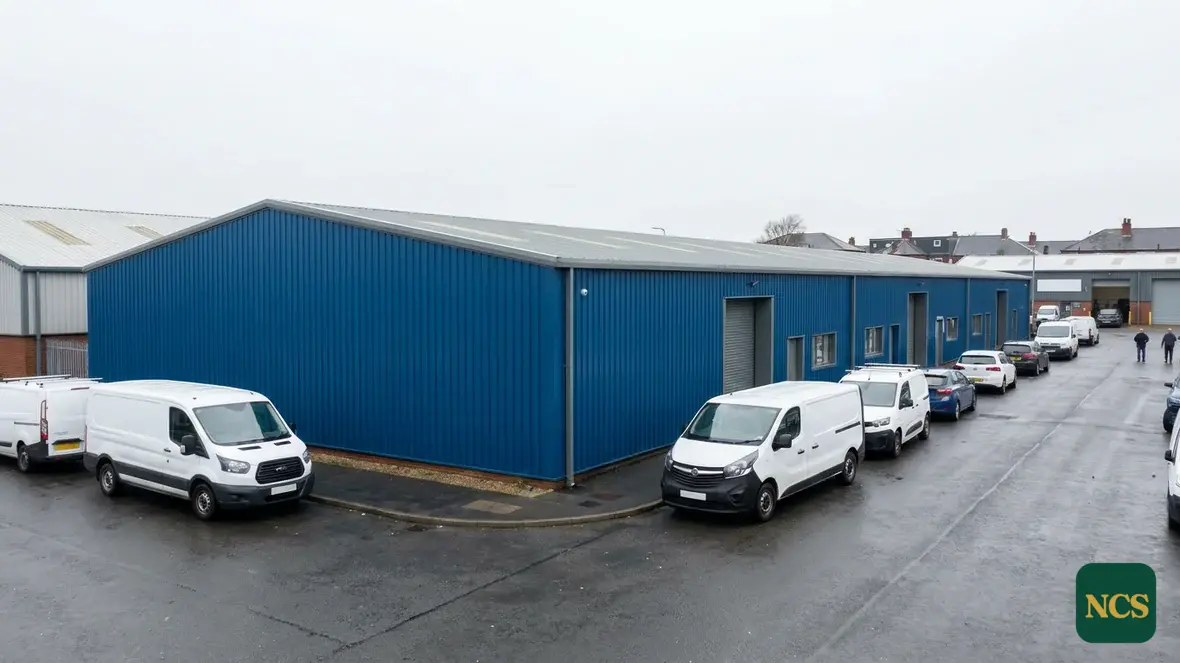
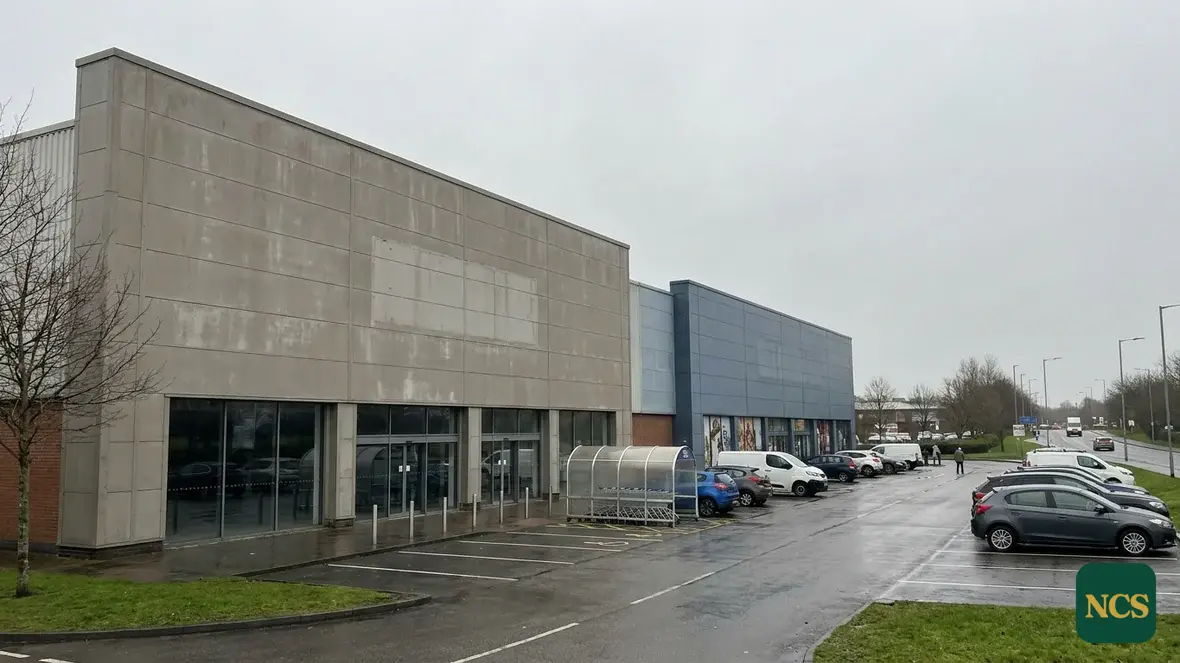
Winsford sits out on the Cheshire plain, and that means its industrial buildings cop a lot of weather. We see salt from the Mersey estuary getting carried on the prevailing westerly winds, which really speeds up corrosion on metal cladding panels. Older plastisol-coated sheets, the sort you see on a lot of mid-century industrial units around town, just lose their protective layer over time. Then the steel underneath starts to rust and stain. On newer profiled steel buildings, especially those near the A54 and A533, traffic film and industrial fallout build up in the cladding profiles, leaving streaks that the rain just won’t wash away.
The clad building stock of Winsford
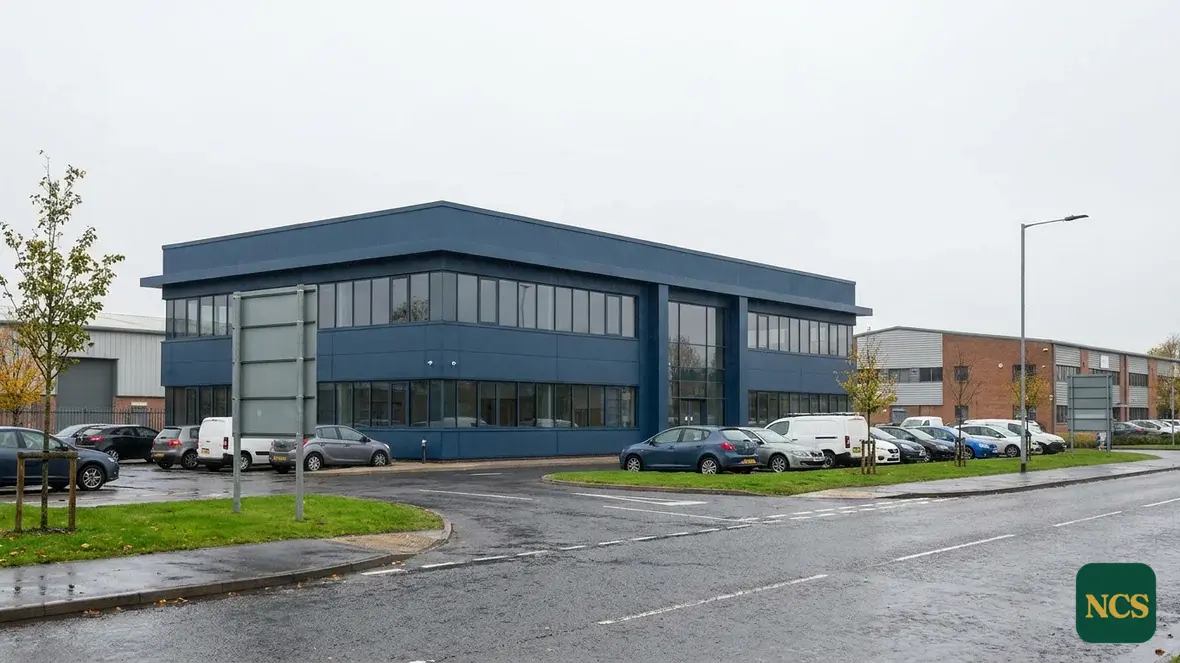
Winsford Industrial Estate is the big one here, with rows and rows of corrugated steel-clad warehouses and distribution units. A lot of them went up when the estate expanded in the seventies and eighties, when plastisol-coated steel sheets were the go-to for low-maintenance exteriors. Head along the A54 towards Middlewich and you’ll find newer logistics parks. They’ve got bigger buildings with profiled steel cladding, often in lighter colours that show the dirt a lot quicker. And because of the area’s salt mining history, some of the older buildings closer to the town centre have some pretty unusual corrosion patterns where brine splash has hit the lower cladding panels.
We paint and respray cladding across Winsford and Cheshire, always to a specification set by the survey rather than a standard colour-up.
What on-site cladding spraying involves
Spraying over existing cladding seals the surface. It’s a lot less costly and disruptive than ripping everything off and starting again. We put a high-build coating directly onto the cleaned panels, which bridges minor imperfections and gives you a uniform finish. It means we keep the original profile of your corrugated or box-ribbed sheets, but they look new and resist the weather again. On Winsford’s industrial buildings, we usually go for a flexible acrylic system. It can handle the steel expanding and contracting with temperature changes, so you don’t get the cracks you see with more brittle coatings.
Cut edges, fixings and panel repairs
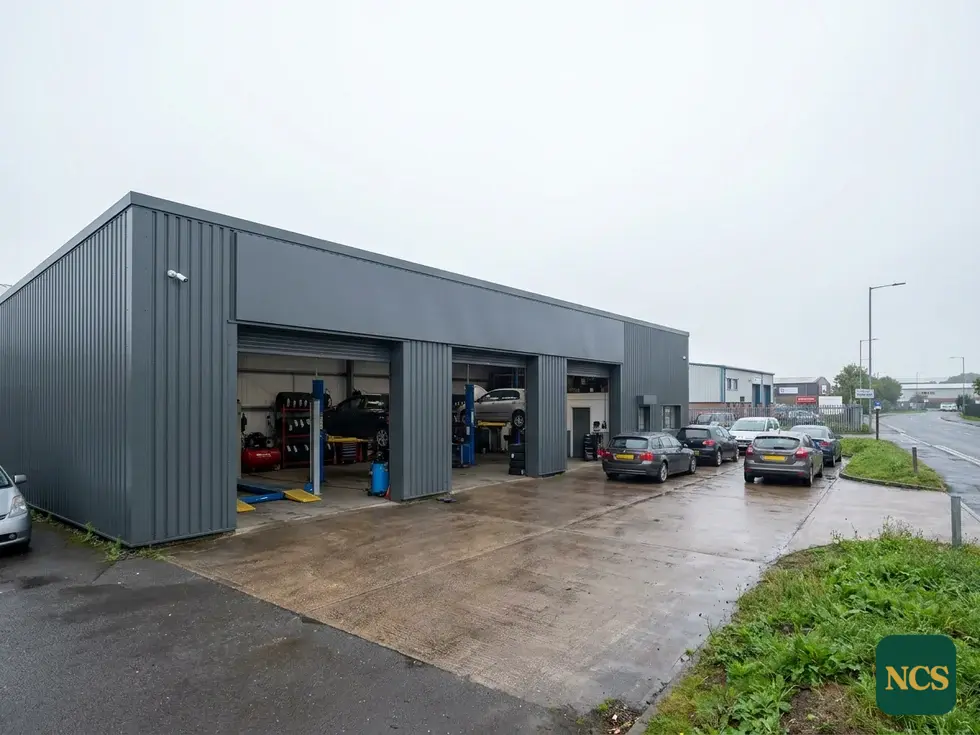
Before we even think about spraying, we inspect every building for the bits that need sorting. Cut edges, where sheets were trimmed on site, often don’t have that factory-applied protective coating. They’re usually the first places to rust. Loose or missing fixings mean panels can flap about in the wind, and that’s asking for trouble with a new coating. On older Winsford buildings, we often find impact damage or old repairs that have left you with mismatched panels, spoiling the whole look. We fix these things first. It makes sure the sprayed finish works properly and looks consistent across the whole facade.
Our survey-led process
Every single job starts with us getting up close and personal with your building. We check the cladding type, its current state, and anything else that might be causing problems. That’s how we figure out exactly what prep work and coating system your building needs. The survey also sorts out access. That can vary massively across Winsford’s industrial estates, depending on how tall the building is, how close it is to the neighbours, and what the ground’s like.
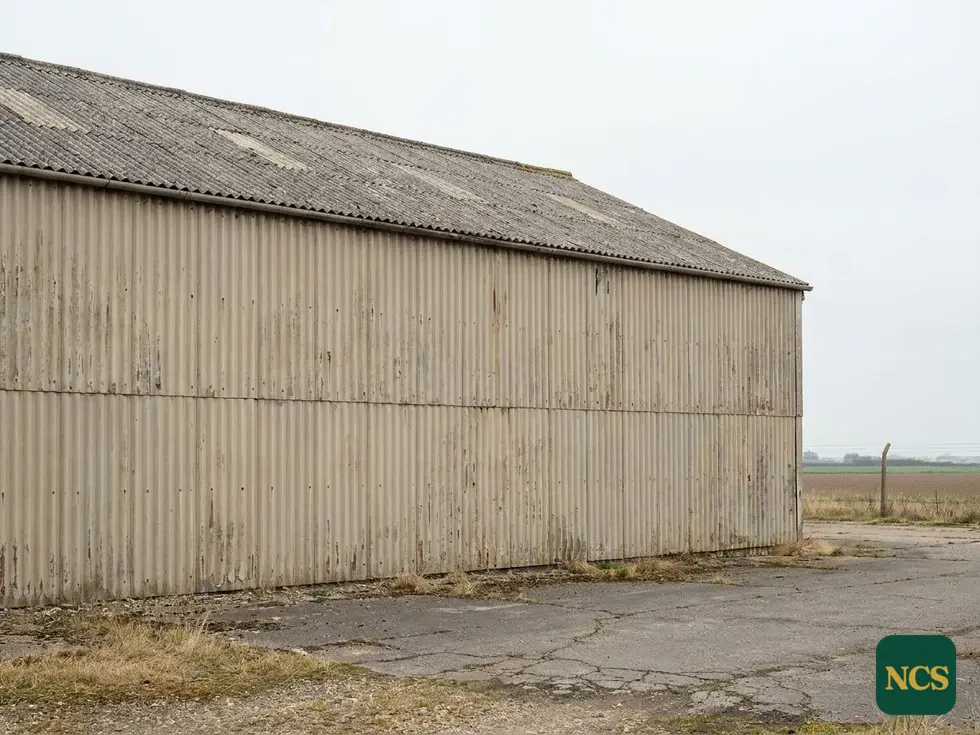
Why the survey comes first
We can’t just guess. Without seeing your building in person, we’ve got no idea what prep work it’ll need or how much material we’ll use. The same square metreage can need completely different approaches depending on the cladding’s condition, which way it faces, and how exposed it is. Our survey means you get an honest picture of what your building needs before you commit to anything.
- Inspection of all cladding panels and fixings
- Assessment of corrosion and coating breakdown
- Identification of access requirements
- Recommendations for any necessary repairs
- Specification of the most suitable coating system
Learn more about cladding spraying or book a free survey.
Recently — July 2026
With surfaces staying dry for longer, summer lets us prepare and coat a roof in a single planned visit rather than working around showers.
We continue to survey every building before recommending a route. Whether to coat, repair or replace is decided on the condition of your roof, not a price list.