



Middlesbrough grew on heavy industry along the Tees, and much of its commercial roof stock still shows that heritage: profiled metal sheds, flat-roofed warehouses and older industrial units under coastal-industrial weather. For facility managers and owners facing leaks, chalking sheets or cut-edge rust, Commercial Roof Coating Middlesbrough work is often the choice between restoring a still-sound roof and a full strip and replace.
National Coating Specialists (NCS) surveys commercial and industrial roofs across Middlesbrough and the wider Teesside area before any coating is specified. We assess the substrate, fixings, rooflights and drainage first, then set out what a roof coating can and cannot achieve on that building.
Why commercial roofs around Middlesbrough reach the coat-or-replace decision
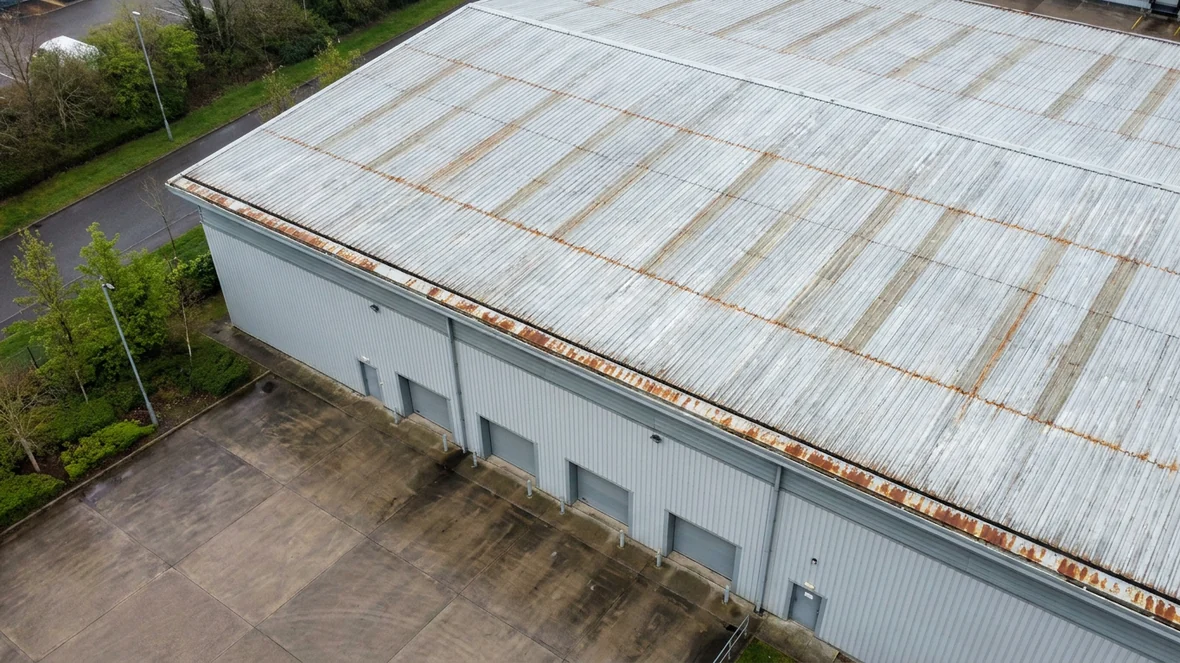
Teesside weather is hard on roofs. Salt-bearing air moves inland from the North Sea along the estuary, and freeze-thaw cycles work at any coating that has started to lift. Many industrial units still carry original factory finishes on profiled steel. Once the film thins, chalk dusts off on a hand, colour fades, and water finds the cut edges and laps. Flat roofs on workshops and stores can pond after heavy rain if falls and outlets have settled. The practical question is whether the deck and structure are sound enough for a new protective system, or whether replacement is the only honest route. Coating makes sense when the sheets or membrane can be prepared and sealed. Replacement is right when perforation, structural movement or widespread substrate failure means a film would only hide a problem that will return.
The difference between roof painting that lasts and a coat that fails early is preparation, and that is where the Middlesbrough survey earns its keep.
The roof stock of Middlesbrough
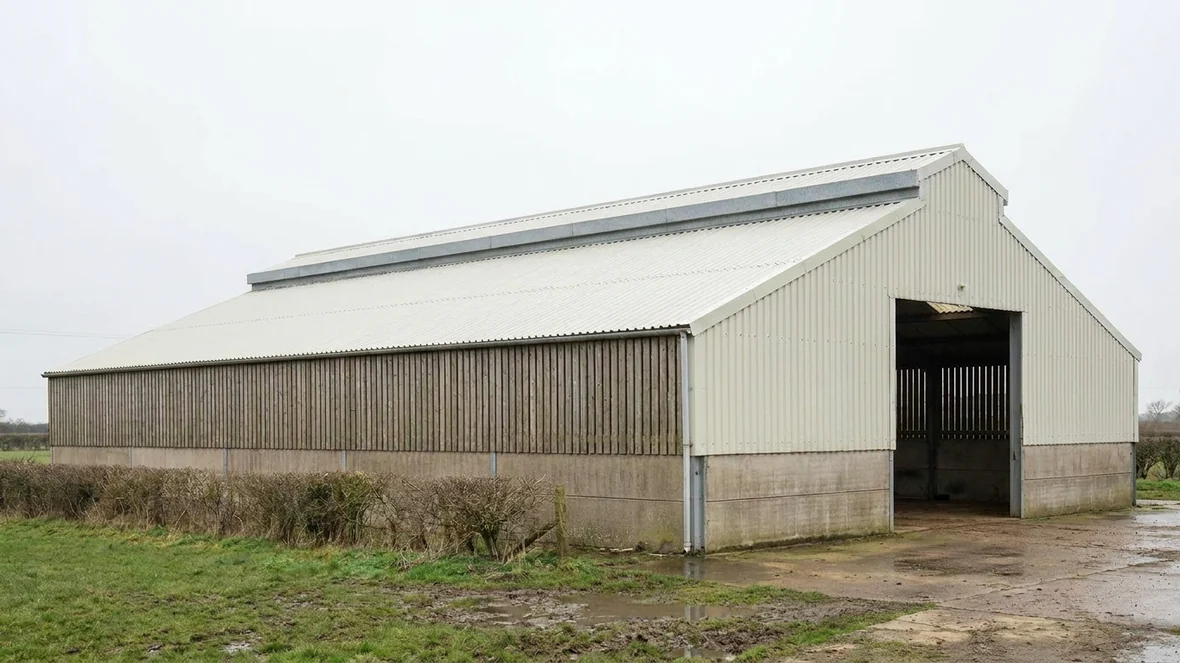
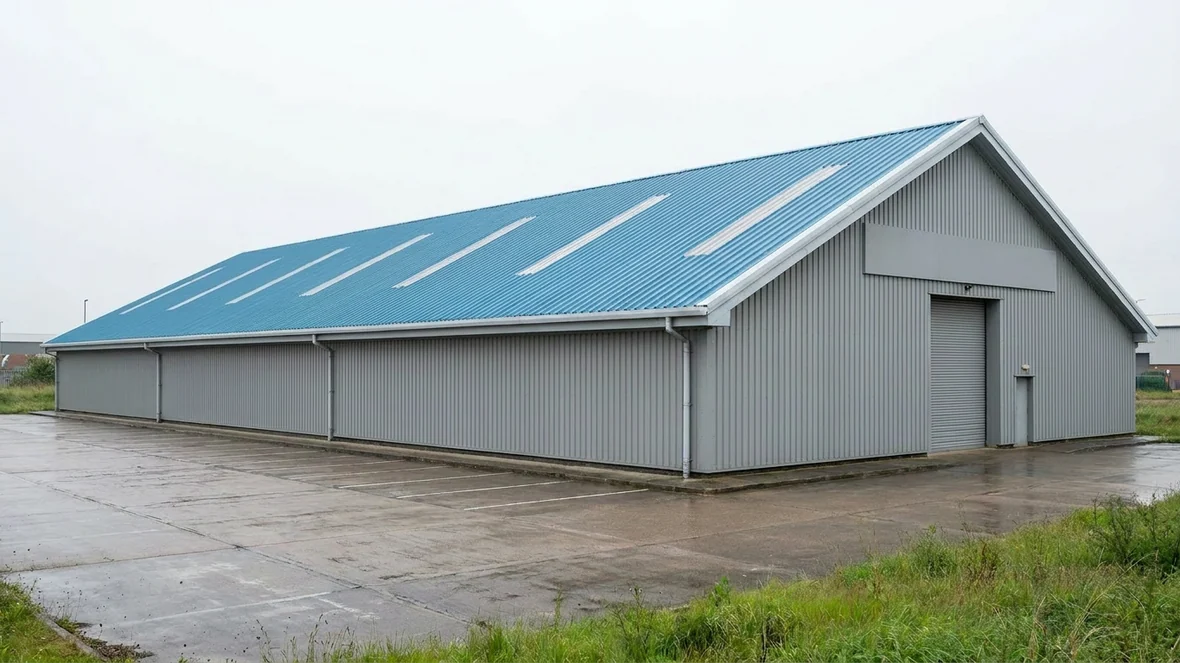
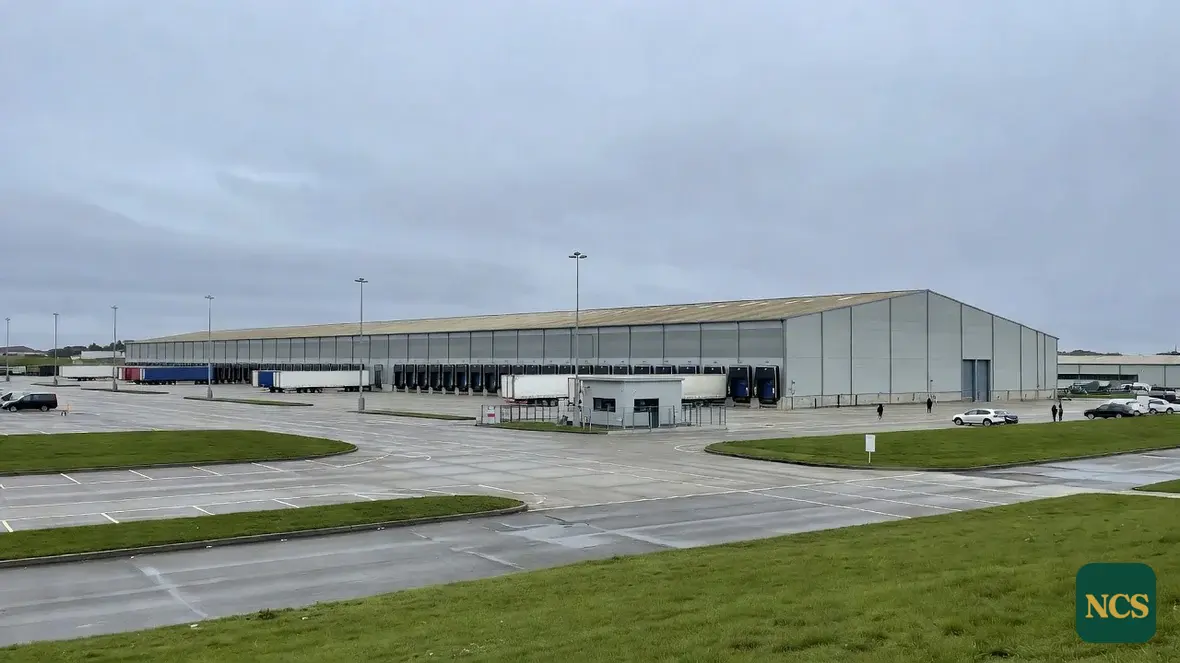
The building map around Middlesbrough is shaped by steel, chemicals and logistics. Riverside Park industrial estate, close to the town centre and the A66, holds industrial and warehouse units with profiled-metal roofs and wall cladding typical of Teesside stock. Along the river corridor and toward Cargo Fleet, older shed and plant buildings sit in a coastal-industrial climate that accelerates corrosion at cut edges, fixings and flashings. Distribution and light-industrial units on the estates that ring the town often combine large metal roofs with plastic rooflights and long gutter runs. Town-centre stock adds flat roofs over retail, offices and mixed-use buildings where outlets, upstands and plant bases fail first. Ageing profiled steel, composite panels and patched flat systems are the usual covers, and chemical and steel legacy stock often shows staining and edge failure long before the yard notices a drip.
What a roof coating actually does and where it is the wrong answer
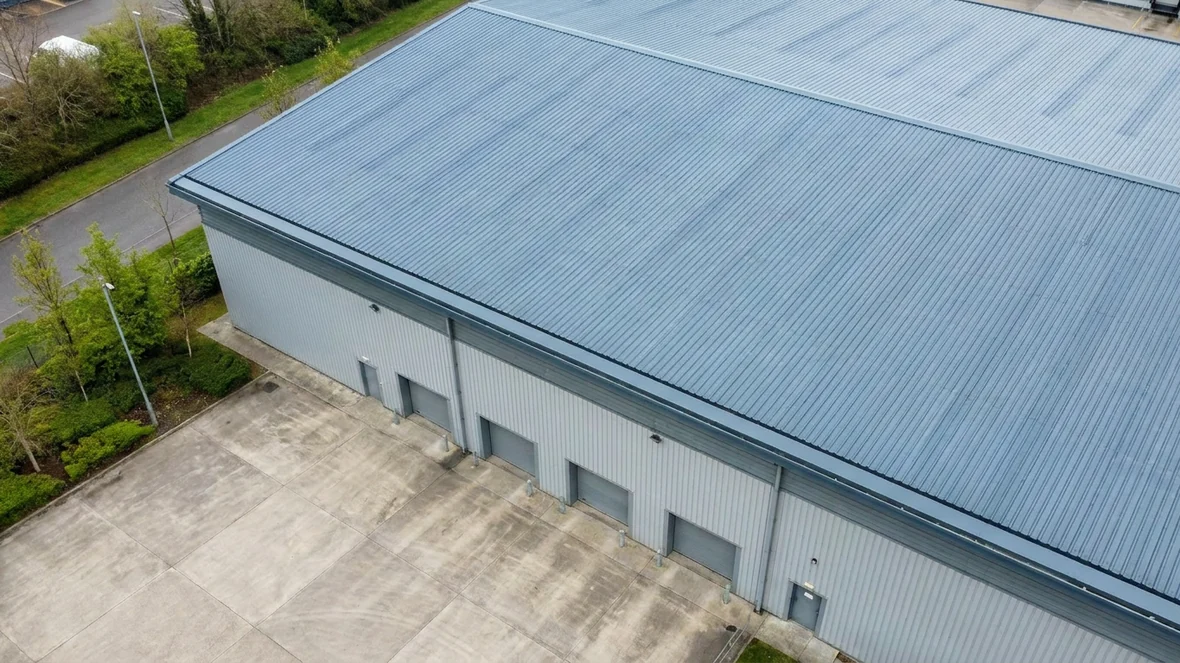
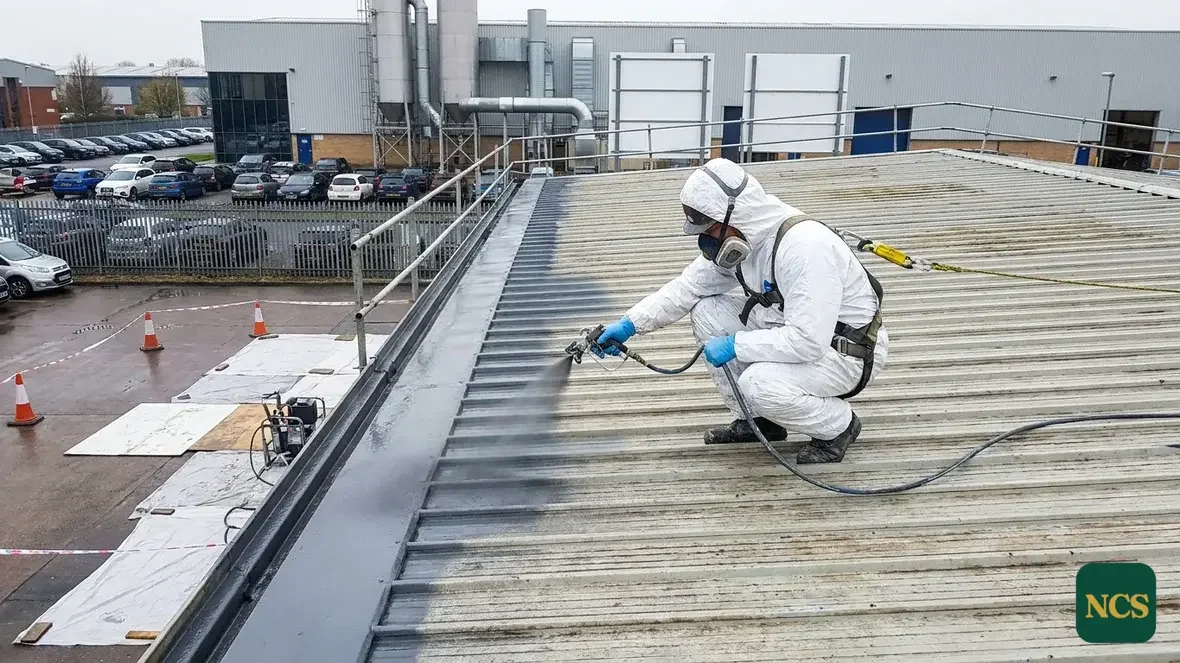
A commercial roof coating is a liquid-applied protective film built up over a prepared substrate. On metal roofs it rebuilds weather protection where the factory finish has failed, seals treated laps and cut edges, and can include targeted roof painting of sheets and trims so the whole cover works as one system. On suitable flat roofs it forms a continuous waterproof layer over a sound base, detailing into outlets, upstands and penetrations. What it does not do is repair a roof that has already lost structural integrity. If sheets are perforated, insulation is saturated, the deck has moved, or corrosion has thinned the steel beyond a safe margin, coating is the wrong answer, and we will say so on survey. Coating over active leaks without fixing the cause, or painting over loose finish, only shortens the next failure.
Leaks, fixings, rooflights and gutters: what gets repaired first
Most Middlesbrough commercial roofs fail first at the details, not in the middle of a clean bay. Fixings lose washer seal, bolt heads stain the sheet below, and cut edges rust where the factory film never fully covered the steel. Rooflights crack, craze or lose their seals, and water tracks along the glazing bars. Gutters silt up, joints open, and outlets back up so water sits against the eaves. Before any full coating pass those items need attention: mechanical preparation and corrosion repairs at edges and laps, refixing or resealing where fasteners have failed, rooflight repair or replacement where needed, and gutter cleaning, joint work or relining so drainage works again. Skipping that sequence is how coating jobs fail early. Our survey records the repair order so the specification is honest before the film goes on.
Our survey-led process
Every Middlesbrough roof we take on starts with a free site survey. We inspect the cover at close range, note substrate type, assess practical access, and photograph defects that change the method.
- Condition of profiled metal, composite or flat roof coverings, including chalking, adhesion and visible corrosion
- Cut edges, laps, fixings and flashings where water and rust usually start
- Rooflights, outlets, gutters and known leak paths
- Access, live-site constraints and working zones around the unit
- Whether coating is appropriate, or whether local replacement or a full re-cover must come first
Findings go into a written scope covering preparation, repairs, the coating system and any limits on that stock. You get a clear recommendation before plant is mobilised. If the roof is past sensible recoating, we say so. If it is a good candidate, the survey becomes the baseline for the method and the on-site sequence.
Why the survey comes before any specification
Roof systems vary. A single-skin sheet on an older riverside unit does not behave like a newer composite panel on a distribution shed, and neither behaves like a flat roof over a town-centre block. Adhesion, edge detail, preparation and the repair list depend on what is actually underfoot. Specifying a coating from photographs is guesswork. A survey replaces that with measured condition and a method that matches the building. It also stops the wrong job: coating over active cut-edge corrosion, failed gutters or broken rooflights wastes time. First we establish whether commercial roof coating is the right route. Then we specify preparation, repairs and the finish. Only after that does work on site begin. For a roof in Middlesbrough or the surrounding Teesside area, start with the wider commercial roof coating overview or request a free survey and we will inspect the building before any product is named.
Recently — July 2026
We coat roofs and cladding that still have life in them, and we say so plainly when one is past saving.
Summer is the steadiest season for exterior coating: longer dry spells mean preparation, application and curing can be programmed with fewer weather delays.
Common questions about commercial roof coating Middlesbrough
Can a liquid roof coating stop active leaks on a flat commercial roof?
When correctly specified and applied, a cold-applied coating forms a continuous waterproofing membrane that arrests water ingress. We begin by tracing the moisture pathway, often with electronic leak detection or a standing water test after drying. Localised penetration points, seams and upstands receive a reinforcement fleece bedded into the base coat, creating a tough, movement-tolerant detail. The full system then encapsulates the roof surface, turning a leaking substrate into a monolithic waterproof layer without the disruption of a full strip and replacement.
How long will a commercial roof coating last on a building near the coast in Middlesbrough?
Longevity is driven by the condition of the existing substrate, the coating specification and the programme of planned upkeep. For coastal buildings we select coatings with proven resistance to salt spray and constant wet weather, applied at a film build that guards against moisture vapour transmission. Where drainage is sound and the roof is inspected yearly, a coating system can deliver a service life that comfortably outperforms repeated patch-and-repair cycles. We always provide a plain-English condition report so the building owner knows exactly what to expect before work starts.
What types of commercial roof surface can receive a coating?
We regularly apply roof coatings to profiled metal cladding, bituminous felt, mastic asphalt, single-ply membranes, aged GRP and asbestos cement sheeting. The key is a substrate that is structurally stable and dry enough to achieve a proper bond. Cut tests, pull-off adhesion checks and core samples let us confirm suitability, and where minor repairs or replacement fixings are necessary we complete that work before the coating phase.
Will our business operations be interrupted while the roof coating is installed?
Our method relies on cold-applied liquid coatings that need no hot works or open flame, so the risk of smoke, fume or fire is removed. We phase the work to keep the building weathertight throughout and we route our access away from loading bays and entrance doors where we can. In the vast majority of cases, tenants and staff remain in place with no need to suspend normal activity.
Does a roof coating improve thermal performance or just provide waterproofing?
The primary purpose is dependable waterproofing and the extension of the roof’s working life. However, a bright white or highly reflective finish can reduce solar heat gain by sending a portion of the sun’s energy back from the roof plane. In an industrial or warehouse unit this can contribute to a more stable internal temperature during warm months, though any energy saving depends on the whole building envelope. The waterproofing benefit remains the hard engineering gain.
Surface preparation routines we follow before applying roof coatings in Middlesbrough
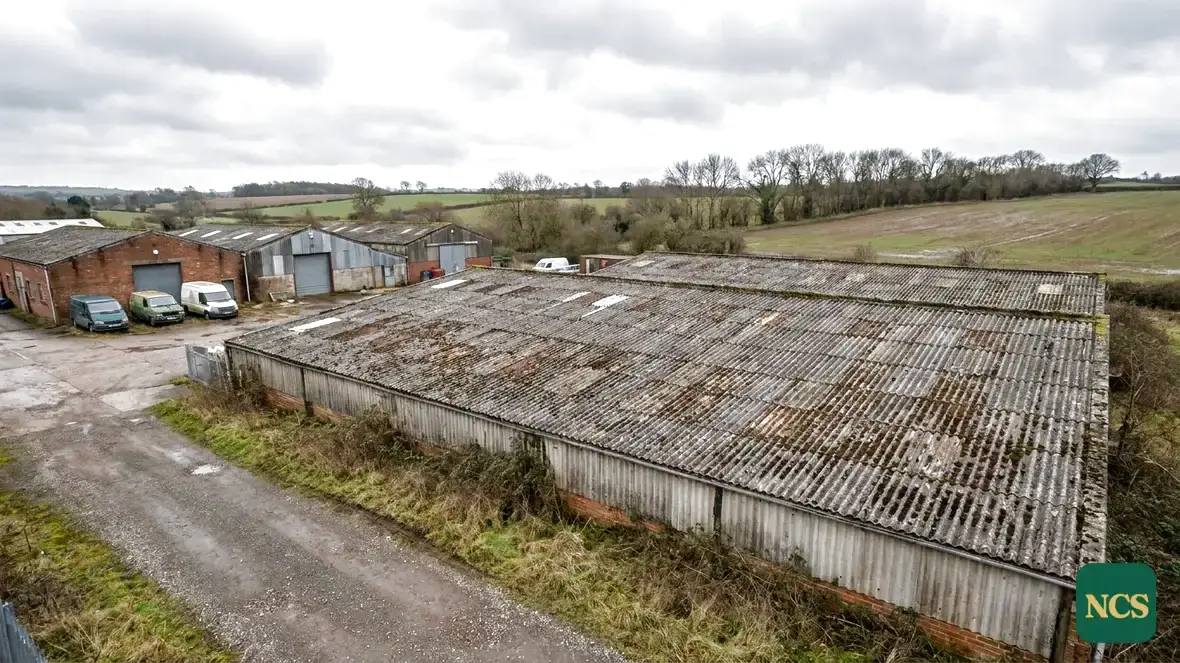
In our experience, the quality of the bond between the existing roof and the new coating governs the durability of the entire waterproofing system. We seldom open a project on a commercial building without first carrying out a moisture survey and integrity check of the thermal insulation, particularly on flat roofs where trapped water vapour can cause premature breakdown. Our preparation sequence is adapted to each substrate but generally includes the following steps.
- Remove all loose chippings, blistered felt laps and delaminated surface layers until sound material remains.
- Cut edge corrosion on metal profile roofs is treated back to bright steel, primed and then filled flush before coating.
- All surfaces receive a thorough pressure wash to kill moss, lichen and ingrained industrial dust; we then allow the roof to dry to the required moisture threshold.
- Joints, drips, pipe penetrations and rooflights are masked and a reinforcing fleece is embedded in the coating to produce a movement-resistant detail.
- A tack coat or primer is applied to regulate porosity and promote adhesion before the main waterproofing coats are laid down in alternating directions.
This methodical, hands-on approach is what allows a cold-applied commercial roof coating to perform as a fully adhered, weathertight skin in the wind-driven rain typical of the Middlesbrough basin.