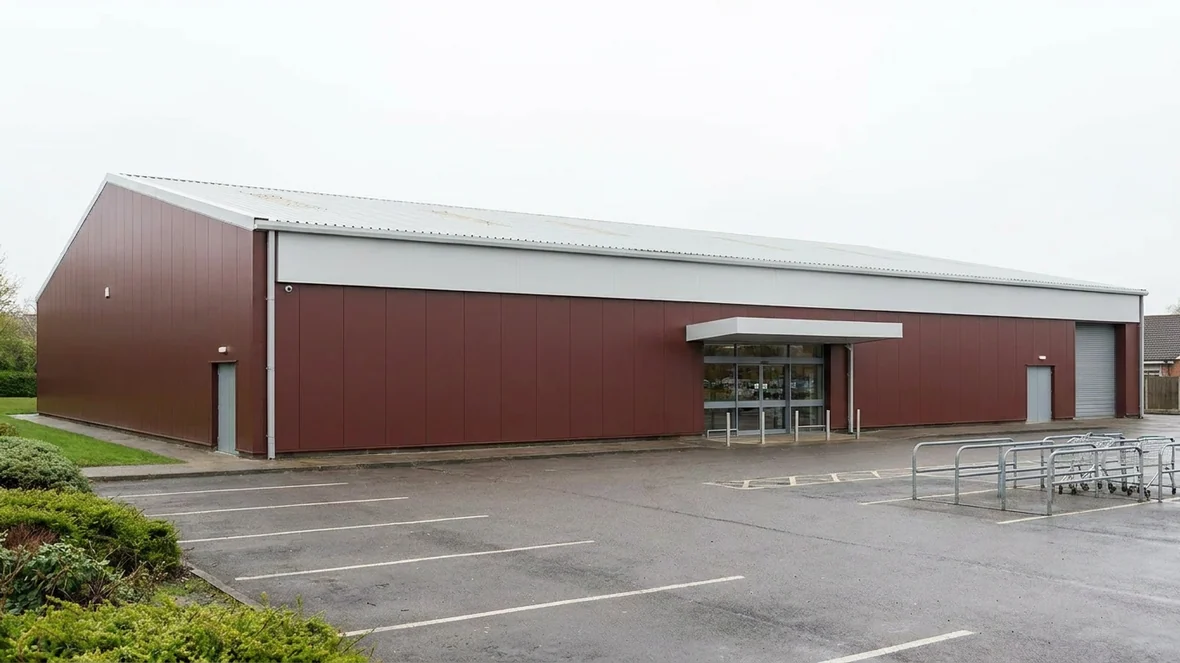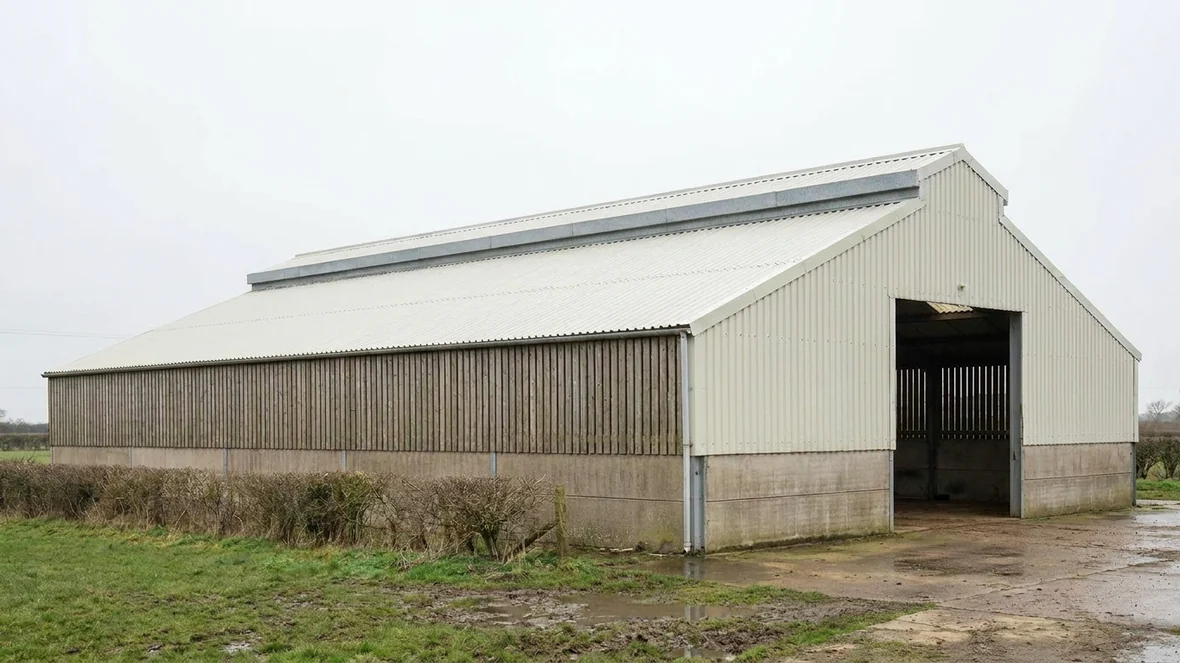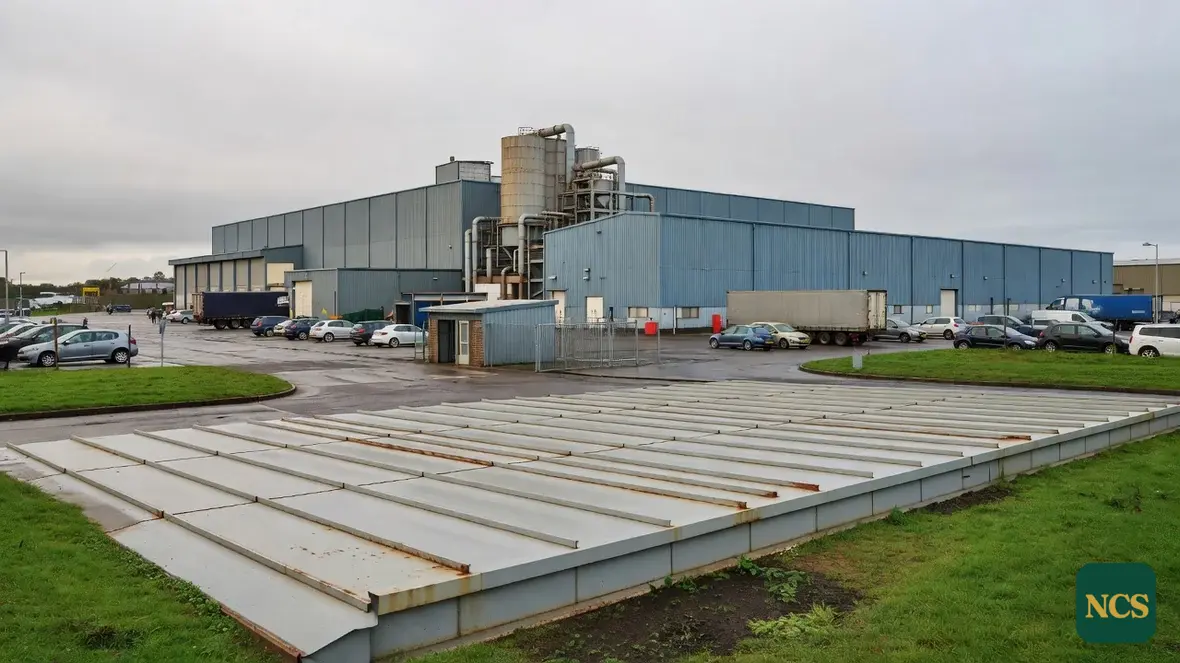




Profiled metal roofs across Middlesbrough sit in a hard climate: salt and moisture off the Tees estuary, industrial air from the chemical and steel legacy along the river, and long wet winters that keep edges damp. Where factory-cut sheet ends were left bare when the panels were first fixed, the coating cannot protect the steel. That is the condition behind Cut Edge Corrosion Treatment Middlesbrough property teams ask about, not a paint-over of rust for appearance, but a proper edge system after the roof has been surveyed.
National Coating Specialists attends commercial and industrial stock through Teesside on a survey-led basis. We look at warehouses, factories, plant buildings and distribution sheds before any product is named, so the work matches what the edges and laps are actually doing rather than a generic roof painting package.
What cut edge corrosion is and why it shows up on profiled-metal roofs around Middlesbrough
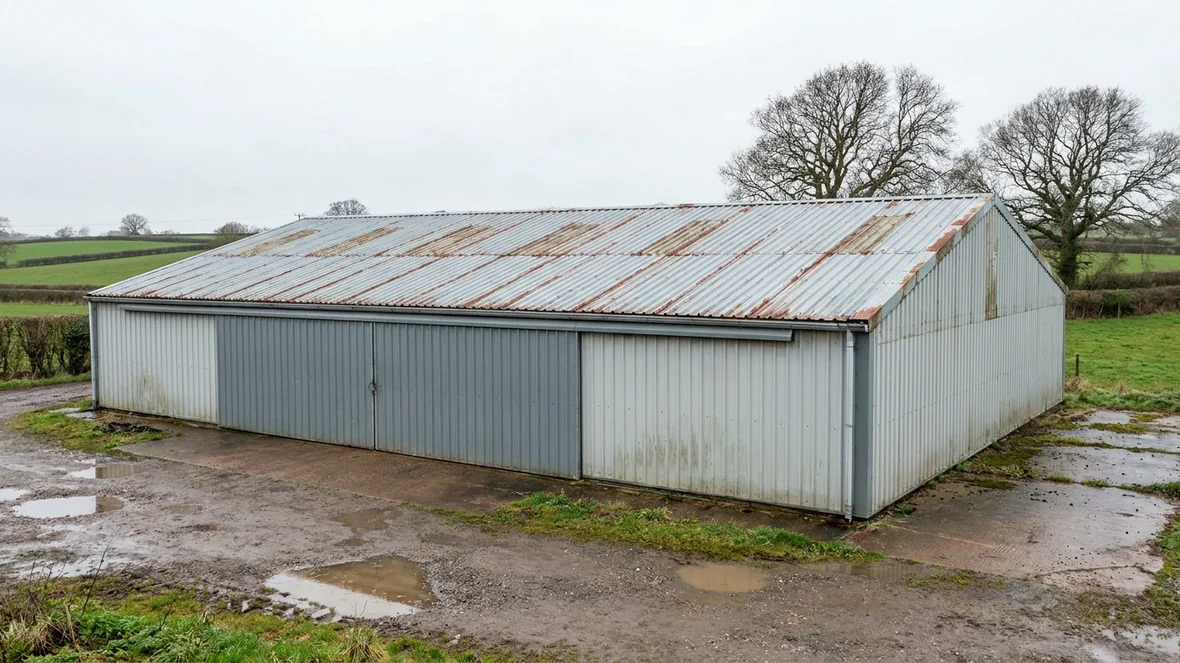
Cut edge corrosion starts at the cut end of a plastisol-coated steel sheet. During manufacture and site cutting, the protective film does not wrap the raw steel face. Water, salt and industrial pollutants attack that line. The coating lifts, salts and iron oxides appear, and breakdown moves under the film. On a pitched industrial roof it often shows first on eaves, barge and lap edges, where water sheds and wind drives moisture into the cut face.
Around Middlesbrough the exposure is coastal-industrial. Buildings near the river and estuary face marine air and the emissions history of steel and chemical plant. Ordinary touch-up with maintenance paint does not stop underfilm creep. The edge needs preparation, priming suited to the substrate, and a system designed for cut edges, not a thin decorative coat.
The roof stock of Middlesbrough: plastisol-coated steel and where it still sits
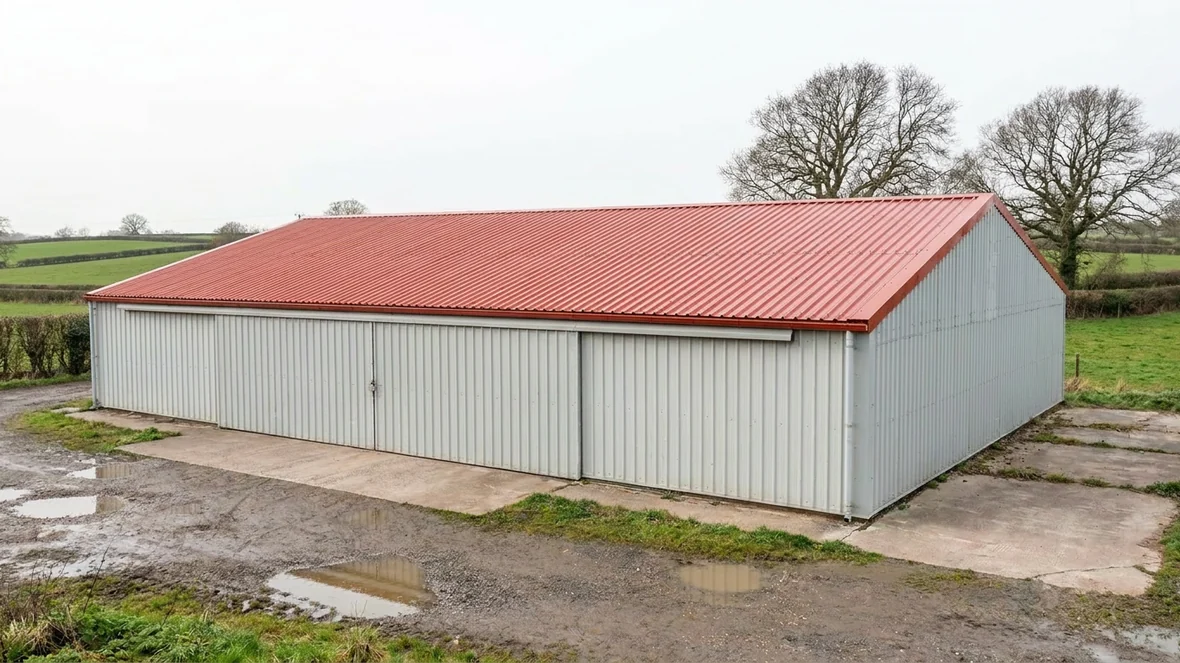
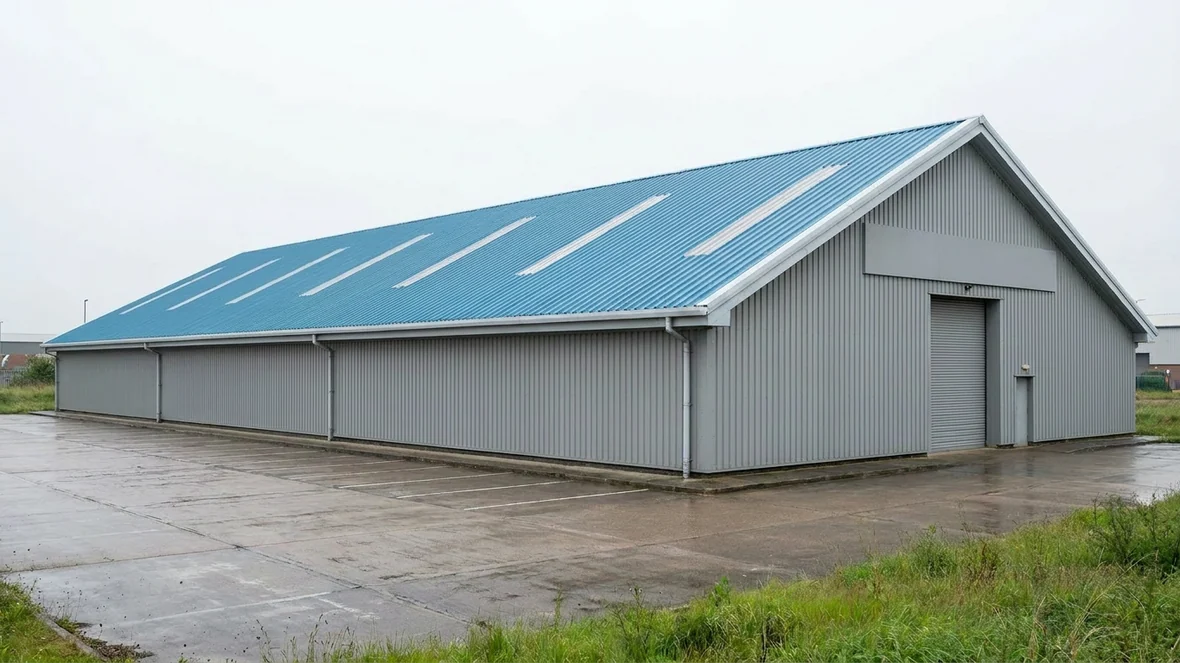
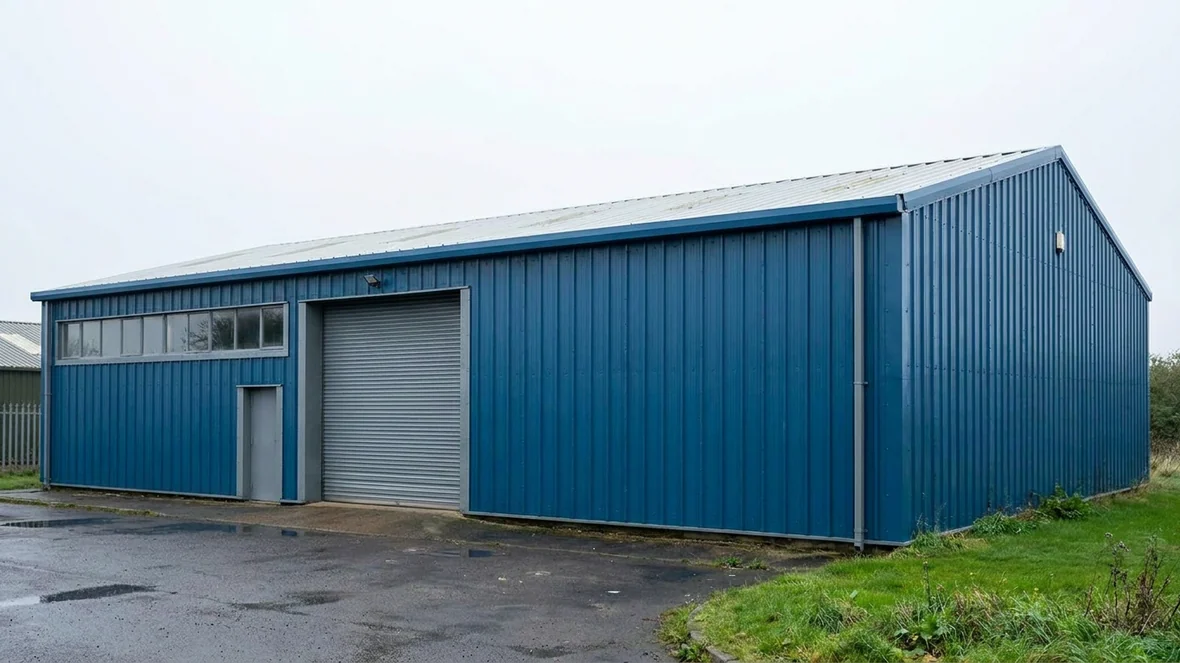
Much of the commercial roof stock in and around Middlesbrough is profiled coated steel from the period when plastisol-finished sheets were the default for factories, warehouses and large sheds. You still see that stock on industrial land beside the Tees, on Riverside Park and on other estate plots serving logistics, light manufacturing and storage. Plant buildings tied to the chemical and steel heritage of Teesside often carry the same panel type on roofs and, in places, on wall cladding.
Not every metal roof is the same age or condition. Some sheds have been re-sheeted. Others still run mid-life panels with sound mid-sheet coating but failing cut edges and laps. Survey notes sheet type, coating condition, edge detail, gutter lines and access. The demand sits with owners and facilities managers of industrial units, workshops, cold stores and distribution buildings that still rely on coated steel as the weather skin.
A Middlesbrough roof with sound sheets and corroding edges is a repair job, not a replacement, and we will say so in writing after the survey.
How untreated cut edges turn into leaks and sheet failure
Left alone, edge corrosion does not stay cosmetic. As the coating debonds, the steel thins. Edges curl, holes open, and fixings lose purchase. Water finds paths through failed laps, perforated eaves and damaged flashings. Insulation can wet out and internal finishes stain.
On a busy Teesside site that can mean production disruption, stock damage and repeated patch repairs that never address the cut face. Full sheet replacement is a large step. In many cases the mid-panel coating is still serviceable, and the urgent work is corrosion repairs at the edges and vulnerable laps, with gutters checked so standing water is not feeding the problem. Delay only widens the strip of sheet that must later be cut out or replaced.
What proper edge treatment involves
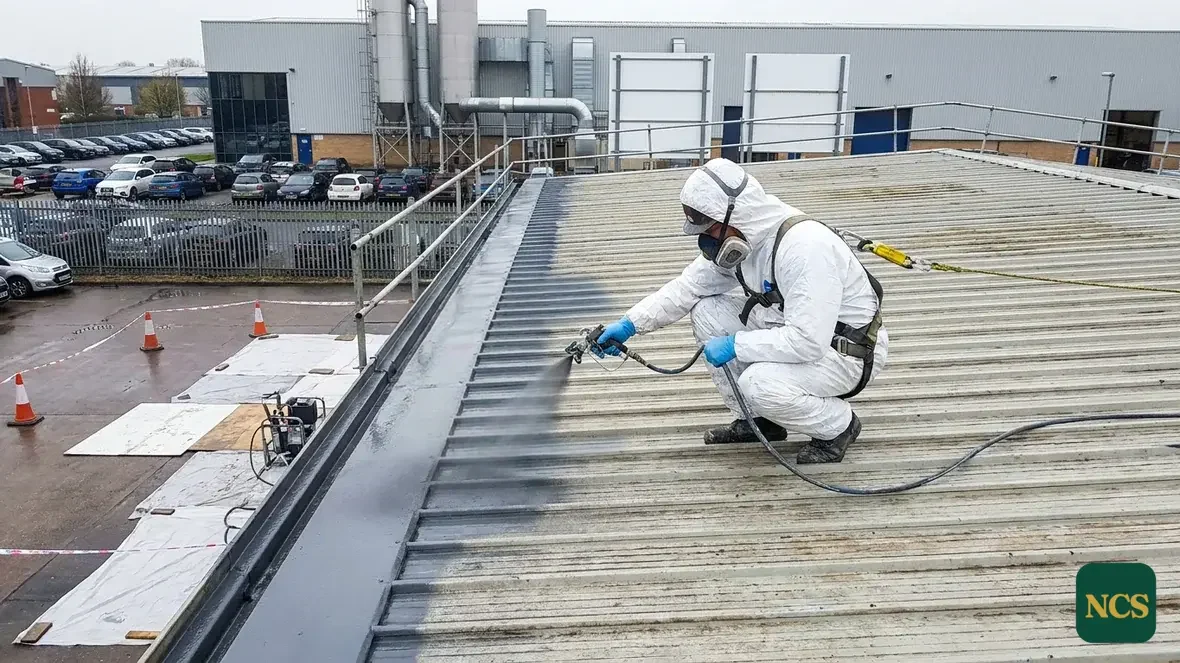
Proper cut edge treatment is a sequence, not a single brush pass. Loose coating and scale are removed. The remaining edge is cleaned to a sound profile. Compatible primers and edge systems seal the cut face and rebuild a protective film that can flex with the sheet. Laps are included where the survey shows they share the same failure path. Where cladding faces show related breakdown, cladding painting may form part of the same discussion, but only after the substrate is sound.
We do not specify a system from a catalogue photo. Sheet brand, remaining coating, rust grade and site exposure all affect what will adhere and last. Commercial painters who only offer a general metal roof paint-down can miss the cut edge entirely. The work has to target the cut line and the underfilm path, not simply recolour the sheet.
- Factory-cut and site-cut edges checked along eaves, barges and exposed laps
- Coating lift, rust grade and remaining film noted bay by bay where condition varies
- Gutter lines and outlets inspected so standing water is not left feeding the edge
- Access, fall protection and operational constraints recorded before any programme
- Specification only after the survey, matched to substrate and exposure on that roof
Our survey-led process
We start with a site survey. Someone who understands coated metal roofs walks the building or views it by agreed safe access, photographs the edges, and records where failure has started and how far it has run. You get a clear account of which roof zones need edge treatment, where sheets are too far gone for treatment alone, and where gutters or flashings are contributing.
Only then do we set out a scope. For many Middlesbrough and Teesside roofs the right answer is targeted cut edge work plus localised repairs, not full strip and re-sheet. Cost questions are answered after that survey, by free quotation against a written scope, not by a remote guess.
Why the survey comes before any specification
Two buildings on the same estate can need different work. One may have early white-salt staging at the eaves only. Another may have advanced underfilm creep, failed stitches and wet insulation. Specifying before survey locks you into a system that may not suit the steel, the remaining plastisol or the coastal-industrial load on that pitch.
Survey first also protects the programme. Access on live industrial sites and riverside plots has to be planned around operations. You avoid buying a full roof painting exercise when the mid-sheet is healthy and the effort should go into edges, laps and associated corrosion repairs.
If you manage coated steel roofs in Middlesbrough or across the wider Teesside industrial belt, the next step is straightforward. Read more about the service on our cut edge corrosion treatment overview, then request a free survey and quote so we can inspect the edges on your building and set out what they actually need.
Recently — July 2026
We plan the work around how your site runs, so the building stays in use while we are on the roof.
Dry summer spells are the window for tackling cut-edge corrosion and tired finishes before the autumn rain sets back in.
Common questions about cut edge corrosion treatment & repair Middlesbrough
What does cut edge corrosion treatment & repair in Middlesbrough involve?
We begin with a close-up survey of the roof’s cut edges to map the extent of paint breakdown and metal loss. Preparation includes mechanical abrasion and removal of all delaminating coating, rust scale and trapped moisture from the lap. We then apply a corrosion-inhibitive primer to the bare metal, followed by a flexible intermediate coat and a UV-stable finish that matches the existing roof colour. On edges with more advanced pitting we build up the profile with a suitable filler before overcoating. The sequence is designed to isolate the steel from oxygen and water and to restore a clean, durable edge that withstands Middlesbrough’s rain-driven exposure.
How can I tell whether my roof needs cut edge corrosion repair rather than a straightforward repaint?
We look for cracking, lifting or peeling at the sheet laps, rust staining washing down the cladding, and any red or orange discolouration along the cut edge. When you can see flaking coating or feel a rough, corroded texture, the edge has already lost its original protection. A simple repaint over failing edges will not stop the corrosion underneath; the rust will push the new coating off within months. If the damage is confined to the edge zone and the sheet itself still sounds solid when tapped, then targeted edge treatment is usually the right course.
How long does cut edge corrosion treatment & repair last before the edge needs recoating?
Life expectancy depends on the severity of the original corrosion, the standard of surface preparation and the ongoing exposure in Middlesbrough’s coastal and industrial atmosphere. When edges are prepared back to clean steel and coated with a proper system, we routinely see them performing well for many years, often long enough that the treatment becomes a whole-life extension rather than a short-term fix. The first sign that maintenance is needed is typically localised breakdown at the lap rather than widespread failure, so periodic inspection allows us to touch in small areas before they develop.
Can cut edge corrosion be permanently stopped or will it return eventually?
No coating system can promise to halt corrosion forever, particularly where edges are persistently wetted and stressed by thermal movement. What a correctly executed cut edge corrosion treatment & repair does is arrest the active rusting and replace the degraded protection with a barrier that dramatically slows the rate of further attack. Over the building’s life, some re-treatment of high-wear areas may be needed, but the frequency is far lower than if the edges were left untreated or given only a cosmetic overcoat.
Cut edge corrosion treatment & repair vs full roof replacement
When we survey a metal-clad building in Middlesbrough, the central question is whether edge coating treatment will yield a safe, long-lasting result or whether the roof has reached a point where replacement is the more reliable decision. Both routes have their place. In our experience, treatment consistently outperforms replacement on value and disruption when the underlying steel retains adequate thickness and the corrosion is largely confined to the lap edges. Replacement becomes the clear winner when the damage is no longer just edge-driven.
Replacement wins when:
- The roof sheets are perforated across a significant proportion of their area, not just within a few millimetres of the cut edge.
- Multiple fastener heads have corroded through, the washers are failing and the roof is losing its restraint against wind uplift.
- Moisture has entered the insulation core, causing delamination or loss of thermal performance that cannot be resolved from the outside.
- The cladding profile is so heavily pitted that it can no longer support a long-term coating bond, and extensive metal replacement is unavoidable.
- The building is undergoing a fundamental change of use that demands a different roof specification or insulation standard that coating alone cannot achieve.
In each of those cases, further coating work becomes a short-term patch that shifts the problem forward rather than solving it. We will always tell a building owner when the expected life gain from treatment does not justify the investment and when a new roof is the only sound engineering answer. For the majority of roofs we assess, however, the cut edges are the primary source of corrosion and the remainder of the sheet is still serviceable; here, systematic edge treatment and full overcoating remain a proven, low-disruption way to secure many additional years of weathertight performance.