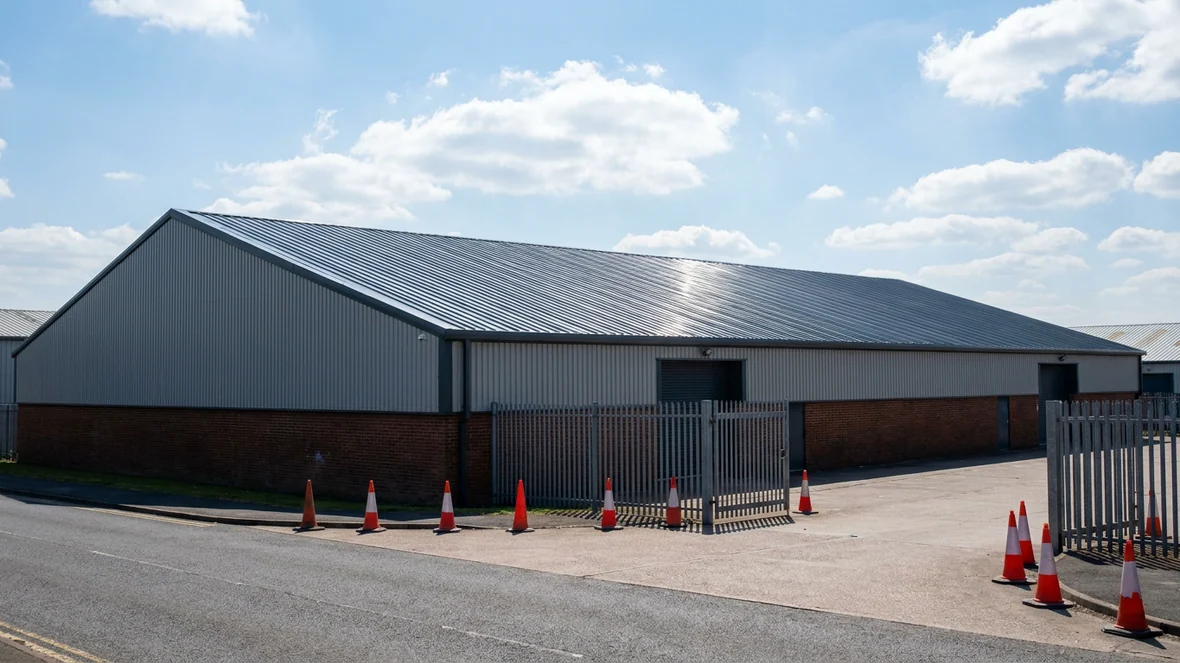
Commercial roof coating in Southend-on-Sea
Salt sets the agenda for commercial roofs along this stretch of the Essex coast. Commercial roof coating in Southend-on-Sea is most often a response to what salt-laden estuary air does to profiled metal sheeting over time: cut-edge corrosion creeping in from the laps, factory finishes chalking and peeling, and rust staining around fixings. A properly specified liquid coating system can stop that decay and extend the working life of a roof that is still sound underneath. The qualifier matters, though. Coating is a refurbishment method, not a cure-all, and the only way to know whether your roof is a genuine candidate is to inspect it properly first. That is the basis we work on for every enquiry, without exception.
The roof stock we tend to see around the estuary
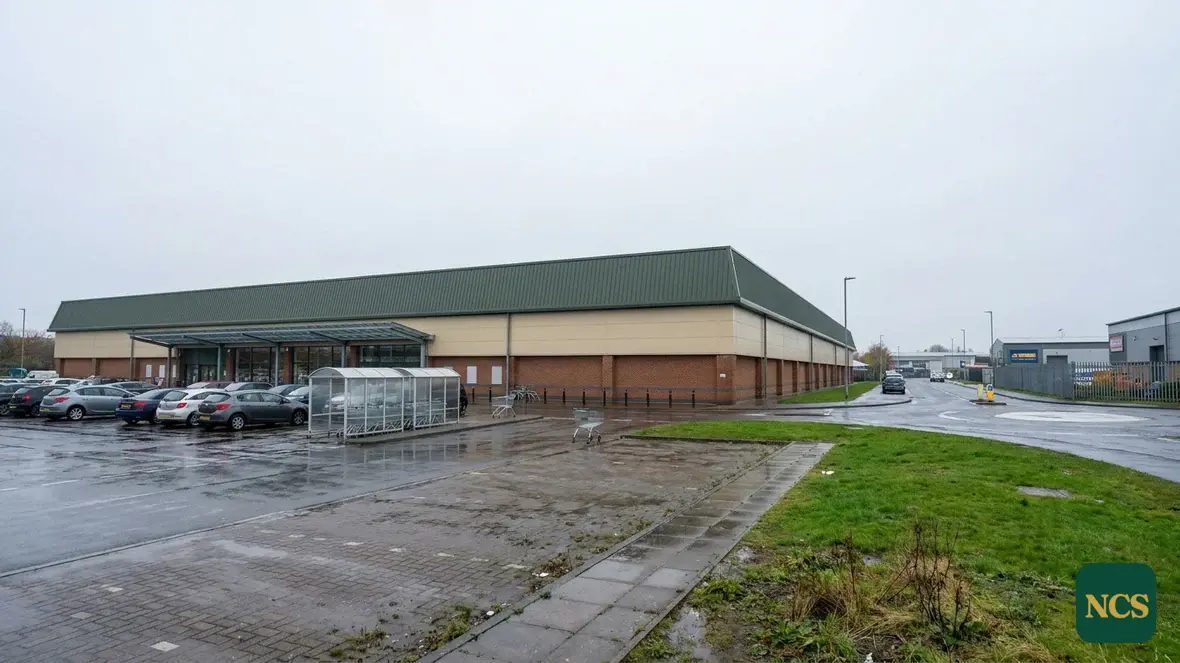
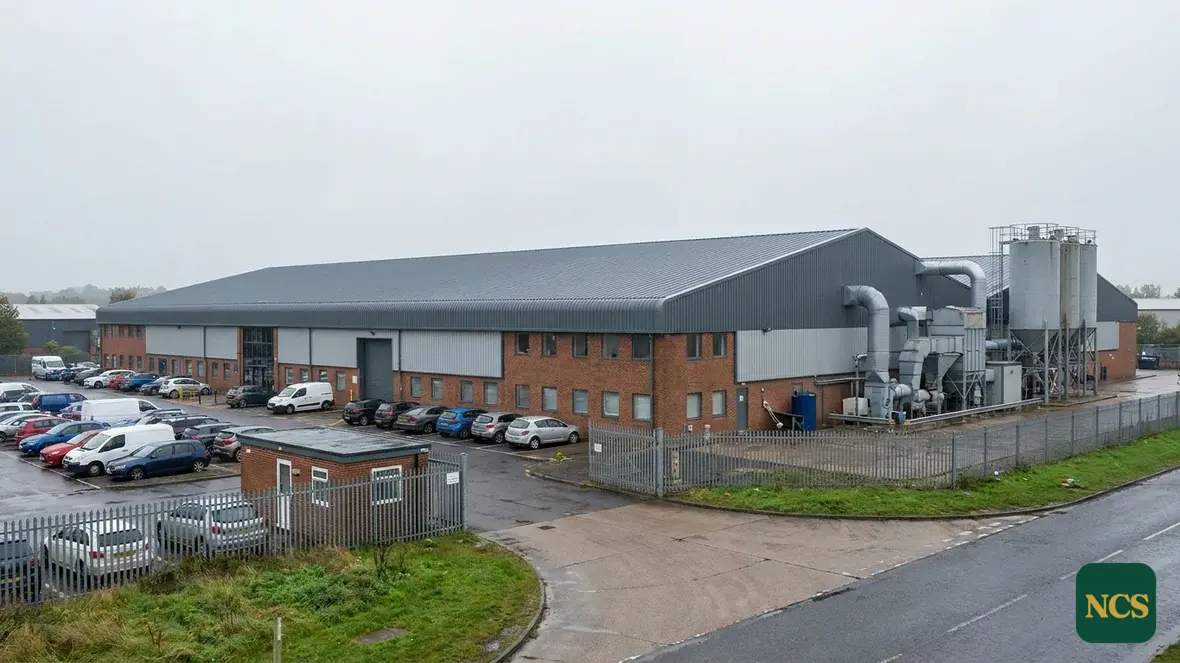
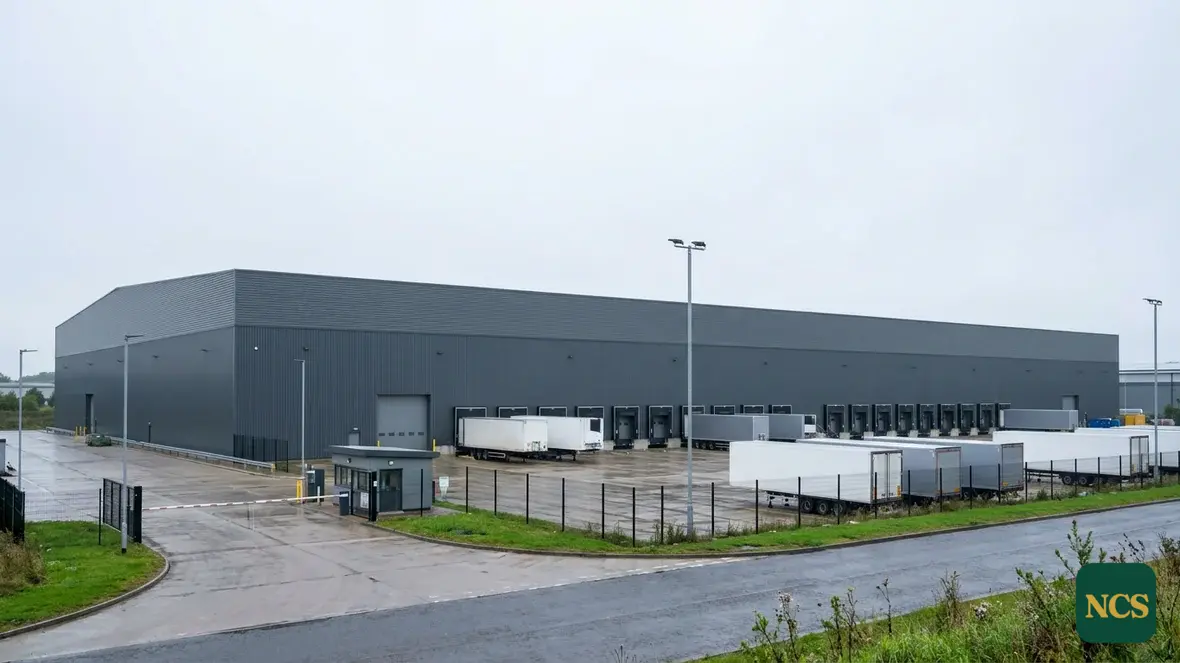
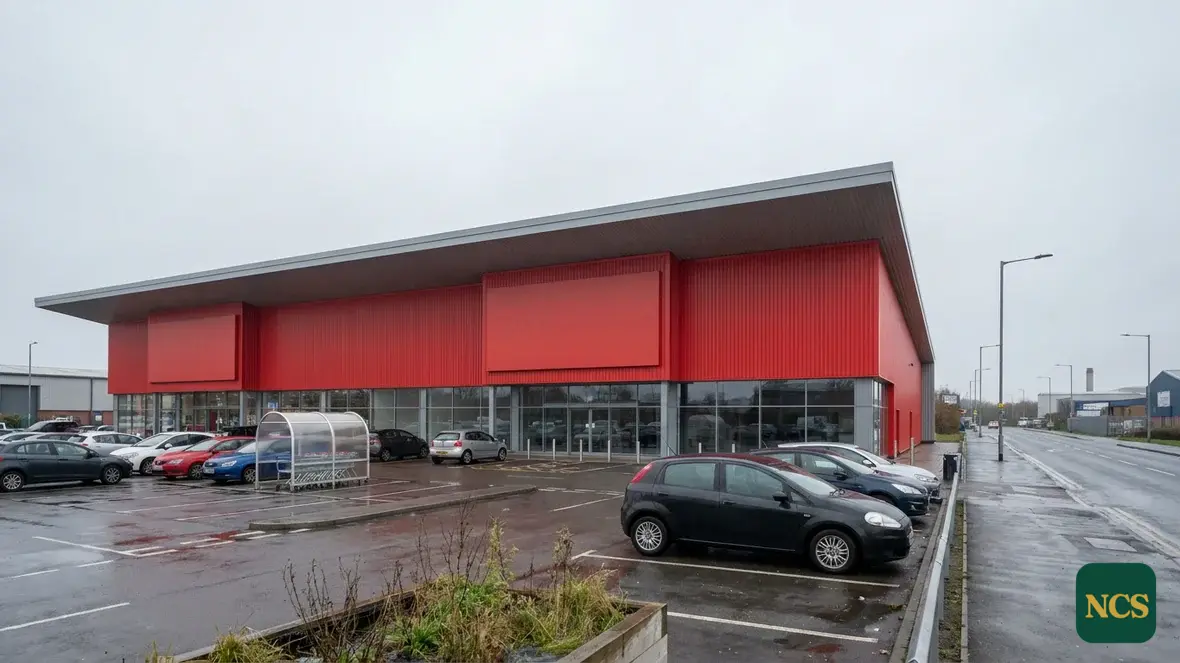
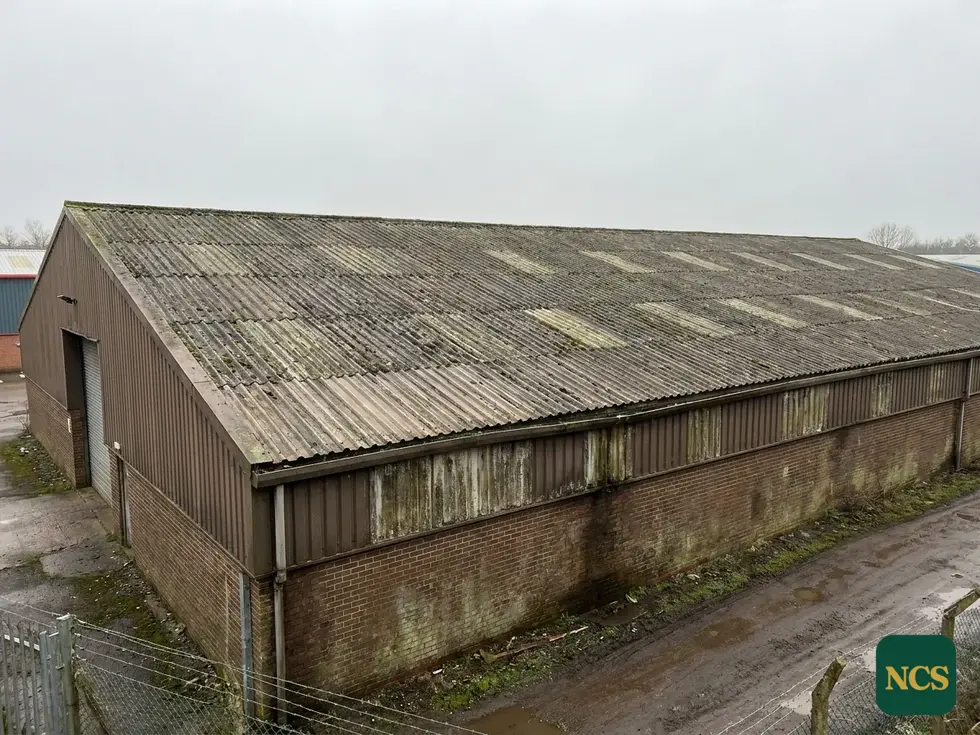
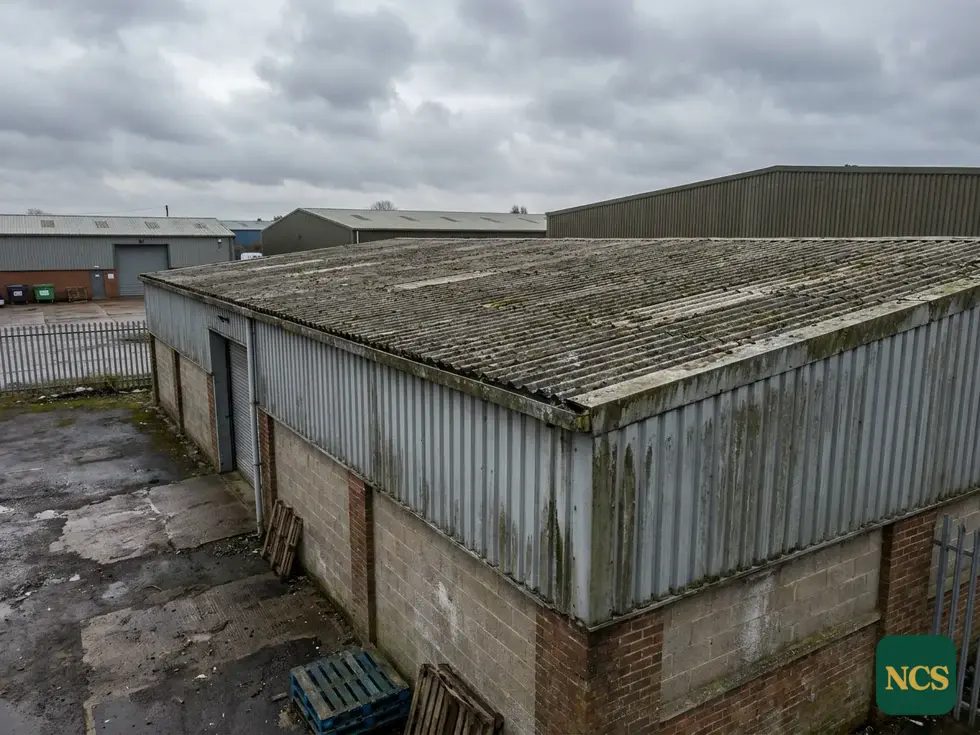
Southend-on-Sea carries a varied commercial mix: retail and leisure premises towards the seafront, trading estates further inland, and workshop and warehouse units of different ages on the edges of town. In broad terms, the roofs above them fall into a few familiar categories. Profiled steel sheeting is common on industrial units and tends to suffer first at the cut edges, where coastal air accelerates corrosion. Older buildings may still carry asbestos cement sheets, which can sometimes be encapsulated rather than disturbed, subject to their condition. Flat roofs over retail and office space, whether felt, asphalt or single-ply, raise different questions about ponding, seam failure and the state of whatever sits beneath the waterproofing layer.
Survey first, specification second
We do not price a commercial roof from a postcode and a satellite image. A surveyor visits the building, accesses the roof safely and records what is actually there, with photographs. The findings determine whether a coating is appropriate at all and, if it is, what preparation and which system suit the substrate. We carry out surveys across Southend-on-Sea and the surrounding Essex area, including Rochford, Rayleigh, Basildon and Chelmsford. A typical survey records:
- The substrate type, its age and its overall condition
- Cut-edge corrosion, fixings and lap condition on metal roofs
- Ponding, seam failure and surface breakdown on flat roofs
- Evidence of moisture below the surface, not just on it
- Any repairs needed before a coating could be applied
When we will tell you not to coat
Some roofs are past the point where a coating makes sense, and pretending otherwise wastes your money. If insulation is saturated, if sheets are perforated by rust rather than merely weathered, if asbestos cement has become too brittle to work over safely, or if a flat roof deck is failing underneath, a coating would only hide the problem for a season or two before it resurfaced. In those cases the honest recommendation is repair or replacement, and we will put that in writing. A coating applied to the wrong roof fails early, and an early failure helps nobody, least of all the contractor whose name is attached to it.
Why a survey-led contractor is the safer choice
Anyone can quote for a coating; the difference lies in what the quote is based on. A survey-led approach means the specification reflects your roof’s real condition: the right preparation, a primer matched to the substrate, proper attention to cut edges and seams, and a realistic account of any repairs needed first. It also means you receive a clear written record of the roof’s condition before work begins, which is useful for maintenance planning and budgeting whether you proceed or not. Two prices for “coating a roof” can describe entirely different jobs, and the survey is what tells them apart. If you manage a commercial building in Southend-on-Sea and the roof is showing its age, arrange a survey and get a straight answer before anyone talks numbers.