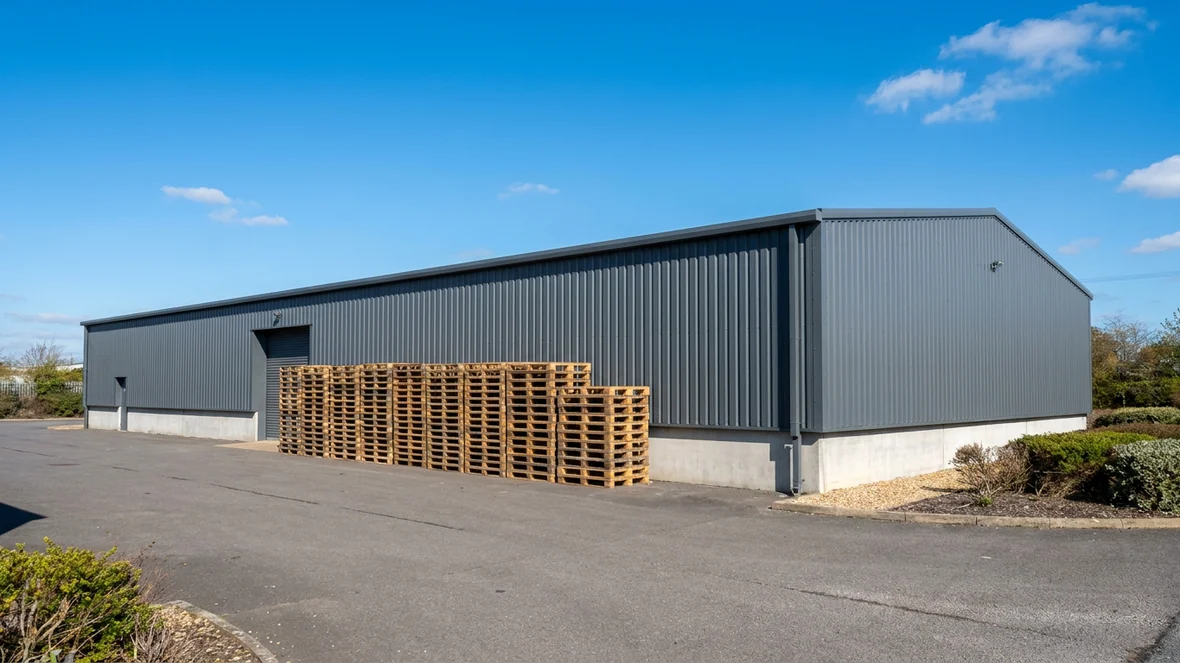
Cladding spraying in Southend-on-Sea
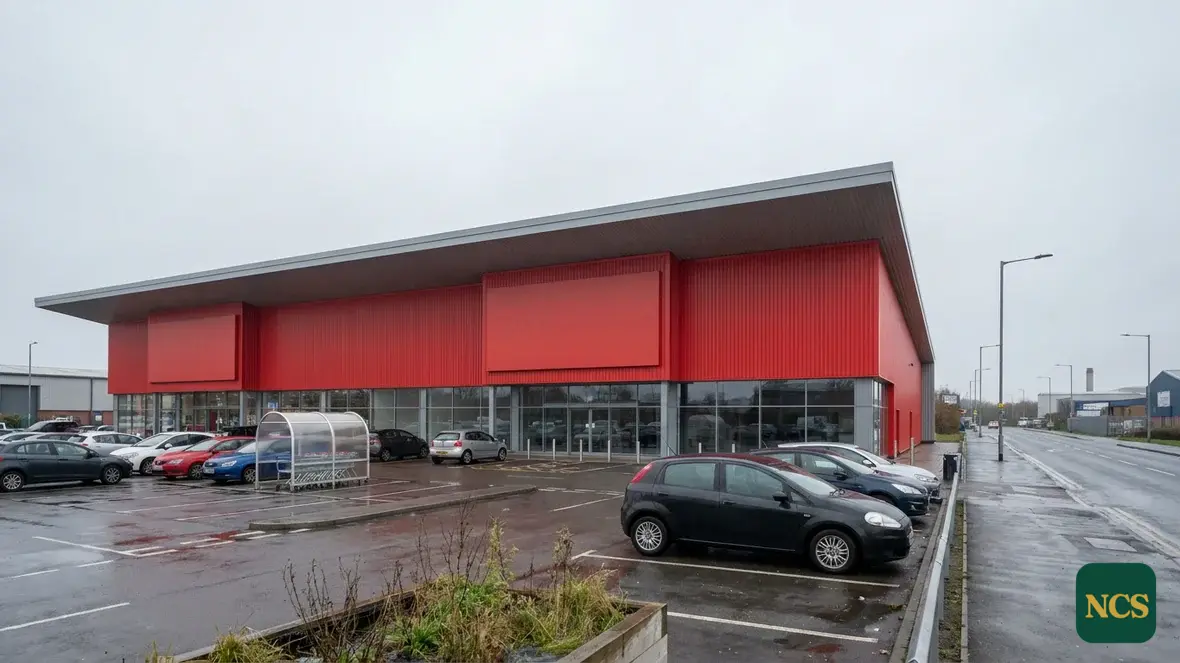
If you manage a commercial building in Southend-on-Sea, the cladding usually fades long before it fails. Cladding spraying restores or changes the colour of profiled steel, composite panels and curtain walling on site, without stripping a single sheet. For most buildings it costs a fraction of recladding and avoids the weeks of disruption that replacement brings to tenants and trading.
National Coating Specialists is a survey-led contractor. We inspect the building first, report on what we find, and only then talk about coatings and prices. That order matters more on the Essex coast than almost anywhere else, because the condition under the surface decides whether spraying is the right call at all.
Salt air is hard on coated steel
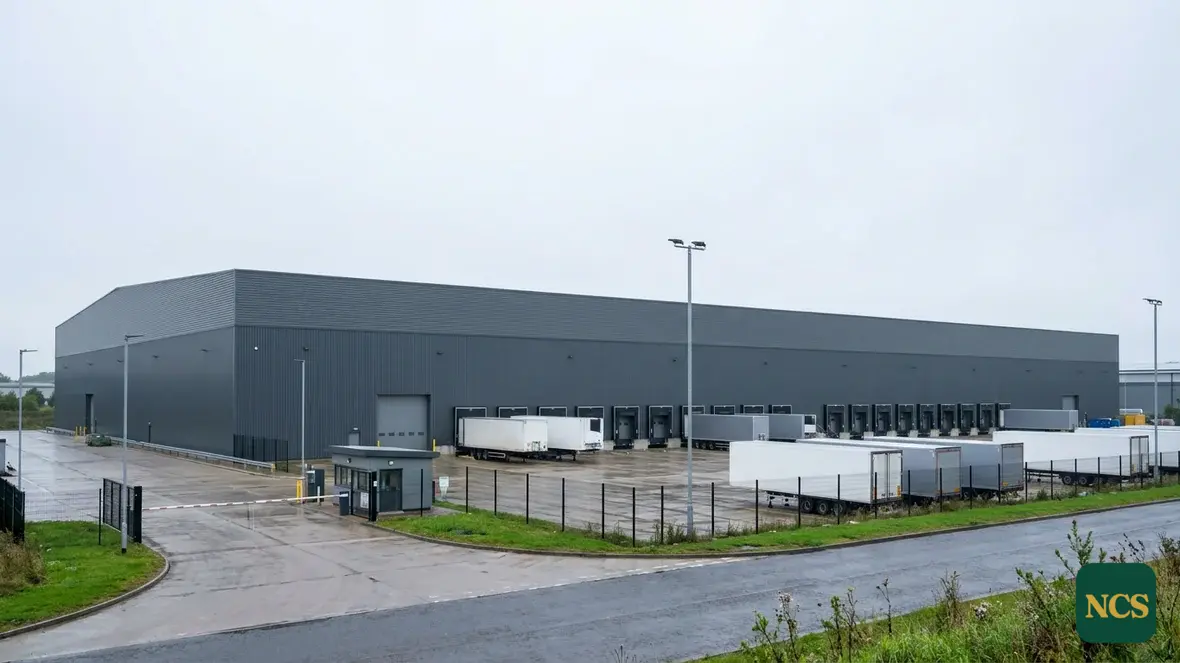
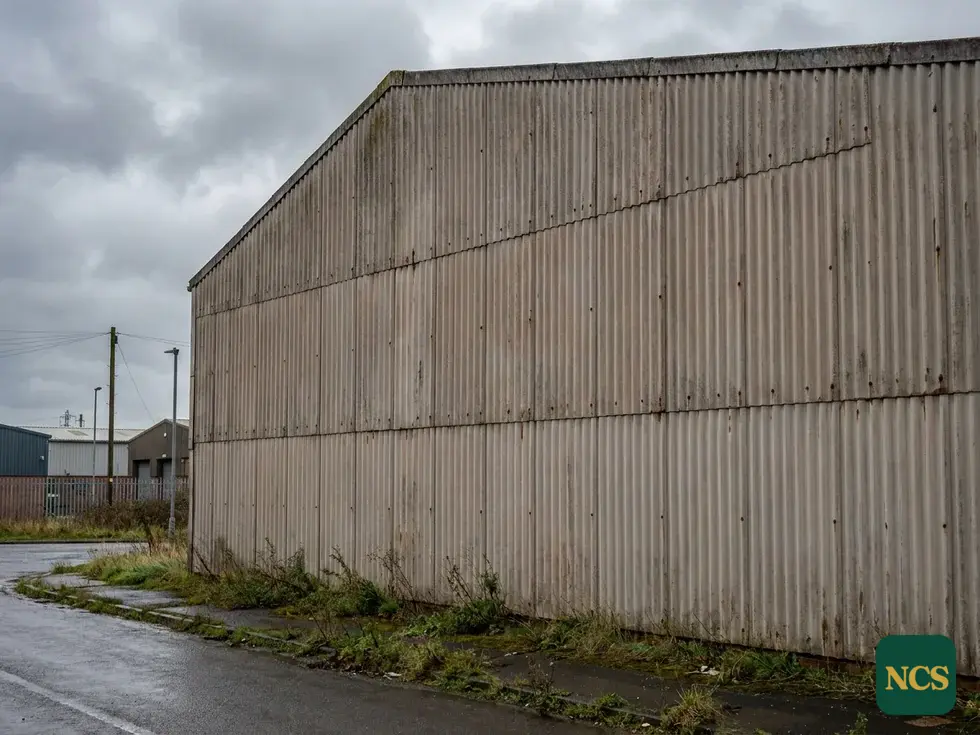
Southend’s commercial stock sits in an estuary environment: retail and leisure buildings near the seafront, trading estates off the arterial roads, and units around the airport business areas. Salt-laden air speeds up the two problems we see most, chalking of the original factory finish and cut edge corrosion at panel ends and laps.
Caught early, both are treatable. The faded finish is cleaned back and primed, corroding cut edges are mechanically prepared and sealed, and the whole elevation is sprayed in the new colour. Caught late, the same defects can mean replacement panels, which is exactly what a proper survey exists to establish before money changes hands.
It is not only wall panels, either. Flashings, gutters, fascias, roller shutters and roof sheets all take the same weathering, and bringing them into the same scope means the building finishes as one rather than as a fresh wall framed by tired trims.
What our survey records before we quote
Every job starts with an inspection of the actual building, not a rate per square metre guessed from photographs. Surveys cover Southend-on-Sea itself along with Rochford, Rayleigh, Basildon and Chelmsford, so most of south Essex is straightforward for us to reach.
- Panel type, profile and the condition of the existing finish
- Cut edge corrosion at sheet ends, laps and around openings
- Fixings, flashings, gutters and sealant joints
- Adhesion of the existing coating to the substrate
- Access requirements and how to work around your operations
The result is a written scope that says what needs preparing, what needs repairing and which coating system suits the substrate, with the reasoning set out plainly so you can compare it against any other quote.
When spraying is the wrong answer
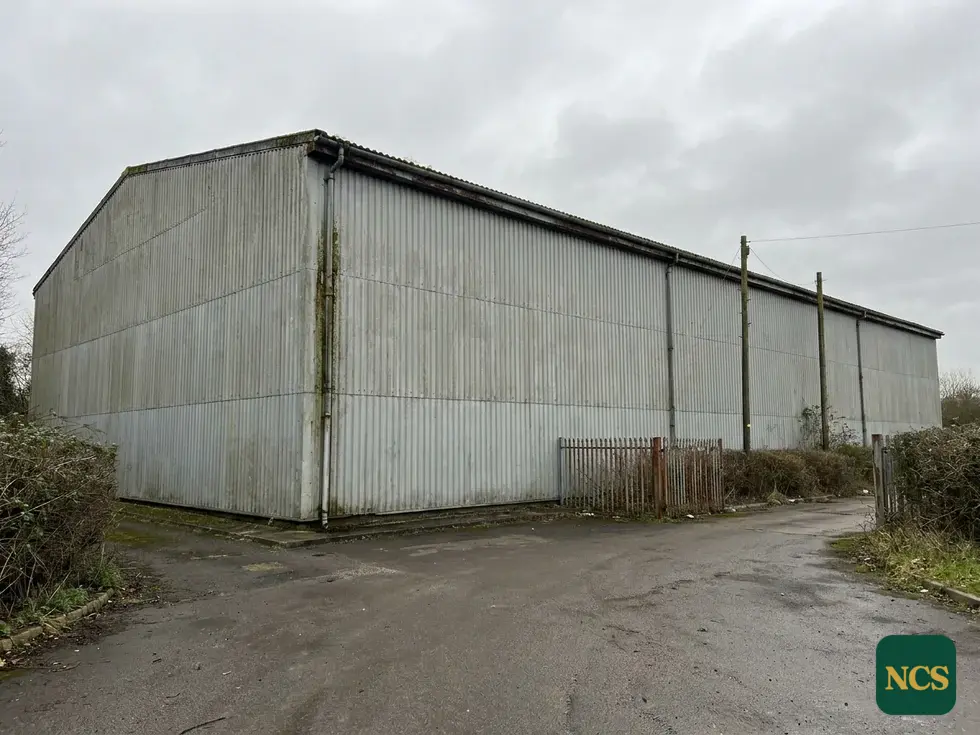
Sometimes it is. Panels that have perforated, composite sheets that are delaminating, insulation that has taken on water, or fixings that have failed across an elevation cannot be rescued with paint. A coating applied over defects like these hides them for a year or two and then fails, taking the budget with it.
If the survey finds problems at that level, we say so, and we will set out whether the answer is targeted panel replacement, repair before coating, or a different approach entirely. We would rather lose a spraying job than coat a building that needs something else, because the alternative is a finish that cannot last and a client with a fair complaint.
The case for a survey-led contractor
A quote based on real condition holds up. There are no mid-job discoveries that move the price, no corrosion glossed over beneath a fresh colour, and no mismatch between the coating system and the metal it has to protect. Preparation is specified elevation by elevation rather than assumed, and the programme is planned around your access, parking and opening hours from the start.
If your building in Southend-on-Sea is looking tired, or a rebrand calls for a colour change across the premises, the sensible first step is the survey. Tell us about the building, and we will inspect it, report honestly and price the work from the facts.