The State of Commercial Walls Across Derbyshire
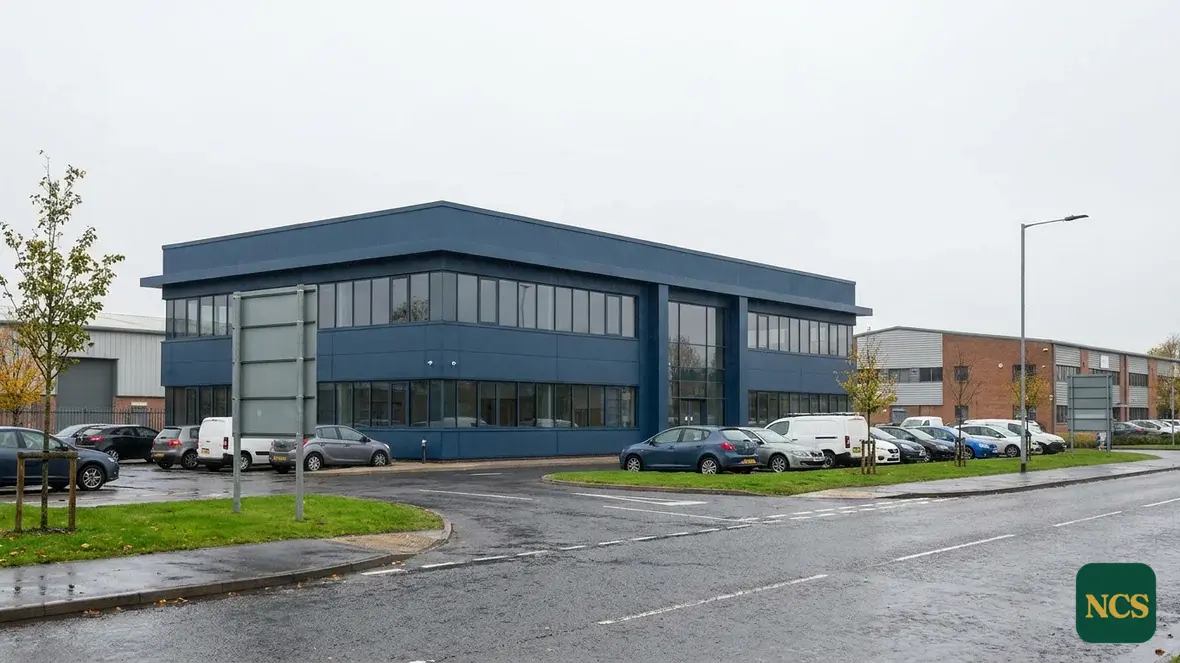
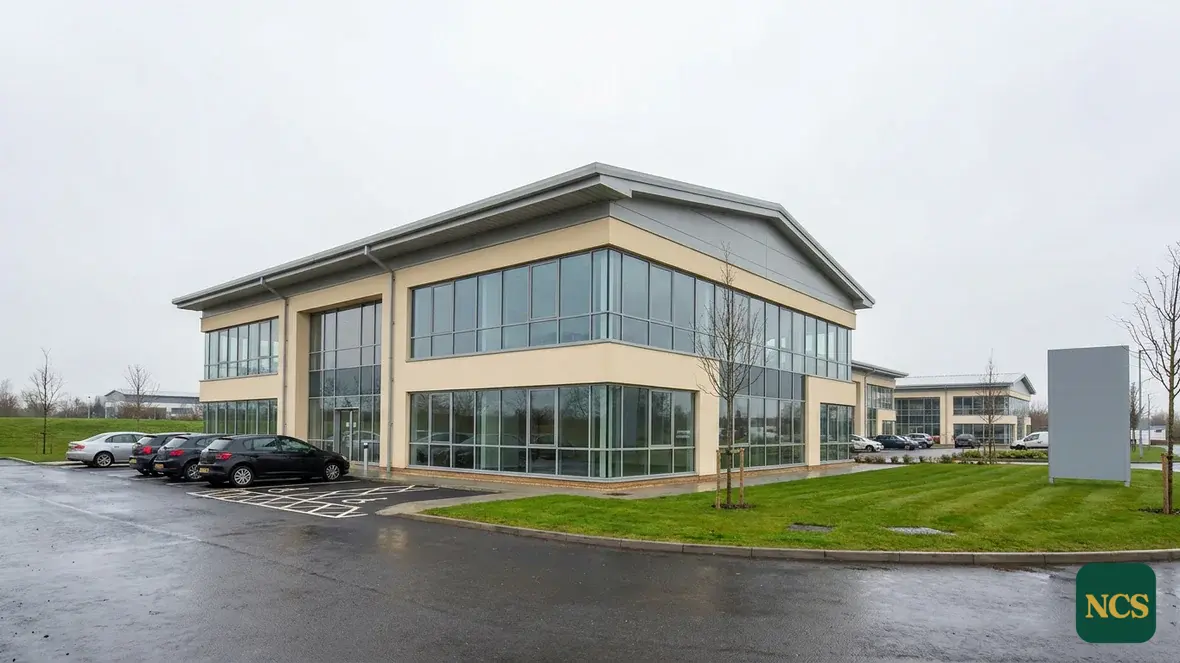
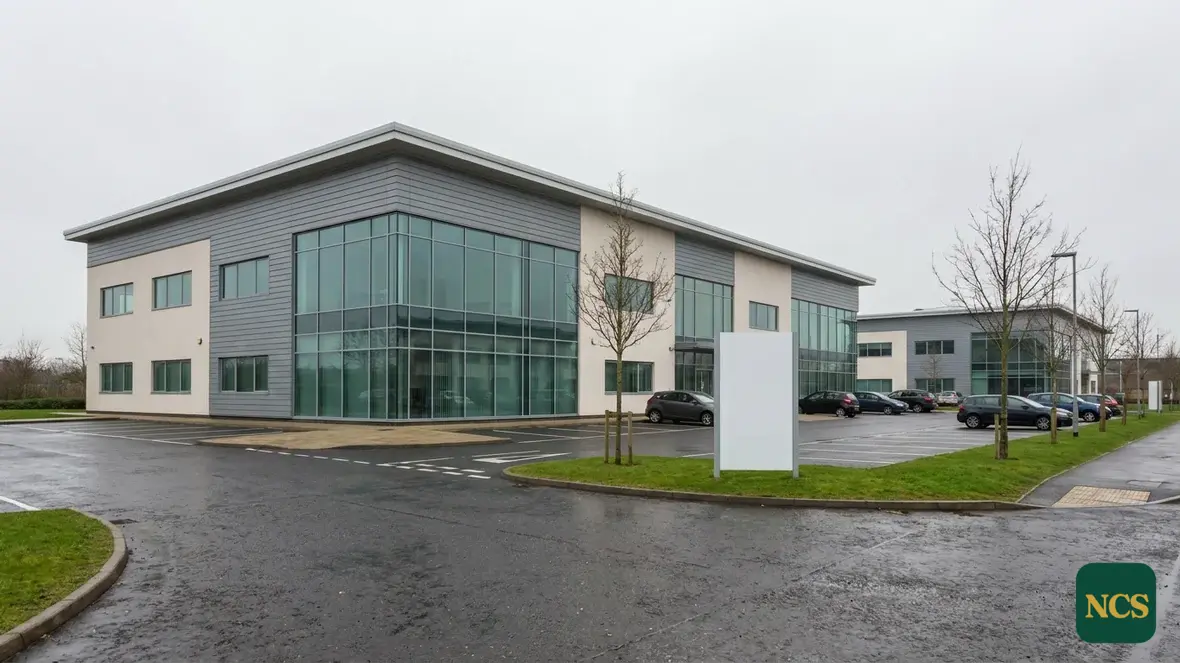
Derbyshire’s commercial buildings show the wear and tear of years exposed to the county’s varied weather. We see it everywhere. Factory walls in the Erewash valley, warehouse blocks along the A38 corridor, aged render cracking because the building moves. Old coatings let damp straight into the brickwork. Out in the Peak District, quarry buildings and agricultural sheds get battered by wind-driven rain off the moorland; their elevations are often in a bad way. Even in Derby’s aerospace and rail engineering hubs, where premises need to look sharp, plenty of facades have gone beyond simple maintenance.
Exterior painting for Derbyshire business premises is only as good as the wall underneath, which is why our surveys look at repairs before colour.
Derbyshire’s Building Stock and Problem Areas
Chesterfield’s industrial estates are a prime example of the problem: 1960s and 70s concrete panel buildings with their original coatings now breaking down. Along the M1 corridor, distribution units with pebbledash or textured finishes just trap dirt and moisture. Derby’s older brick-built workshops and foundries often suffer from crumbling mortar and salt-stained brickwork. Rural stone buildings on the Peak fringe sometimes have modern renders that are just not compatible and are failing at the edges. The common thread is buildings that were put up for function, not for a facade that lasts. They need proper, systematic protection now.
What Survey-Led Wall Coating Involves
We start by figuring out why each wall is failing. That’s it. Our surveyor checks the substrate, how well the old finish is holding on, the moisture content, and any movement in the building. Only then can we say whether we need to strip it right back to the masonry, repair the render, or put a reinforcement mesh on before we coat it. We want a solid surface that’s ready for long-term protection, not just something that looks a bit better for a few months.
- We test the substrate to find any hidden damp or instability.
- We map out every crack and movement pattern in detail.
- We check that the old and new materials will actually get along.
- We assess how much wind, rain, and pollution the building takes.
Repairs That Come Before Coating
Those blown render sections on Derby’s railway-side warehouses often need cutting out and rebuilding with stainless steel reinforcement. Industrial units in Alfreton and Ripley frequently have cracked parapet copings that need replacing before any coating will stick. We fix these failure points first, every time. No coating system in the world will bridge active structural defects.
Our Survey Process Step by Step
When we first visit a site, we’re there to diagnose the problem, not to pitch a solution. We use moisture meters and borescopes to work out if the issues are from penetrating damp, condensation, or rising moisture. We test the substrates across different elevations. Only then do we put together a proper remediation plan. This evidence-based approach stops us from just treating the symptoms, which is a common mistake.
Why Specification Follows Survey
Every building in Derbyshire faces its own unique exposure. A coating that works fine for a sheltered courtyard in Buxton might fail pretty quickly on an exposed Matlock warehouse. Our surveys don’t just tell us what to fix, they tell us which coating chemistry is right for that specific microclimate and substrate. That stops premature failure and makes sure the protection actually lasts.
Learn more about our commercial wall coating services or book a free survey.
Recently — July 2026
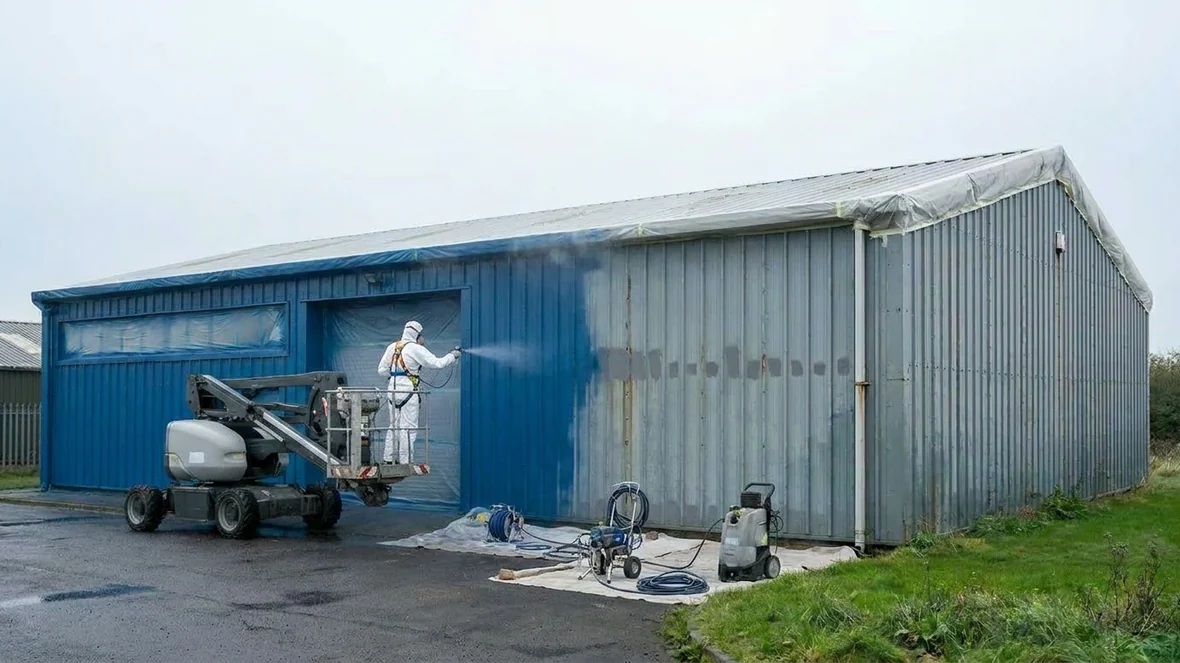
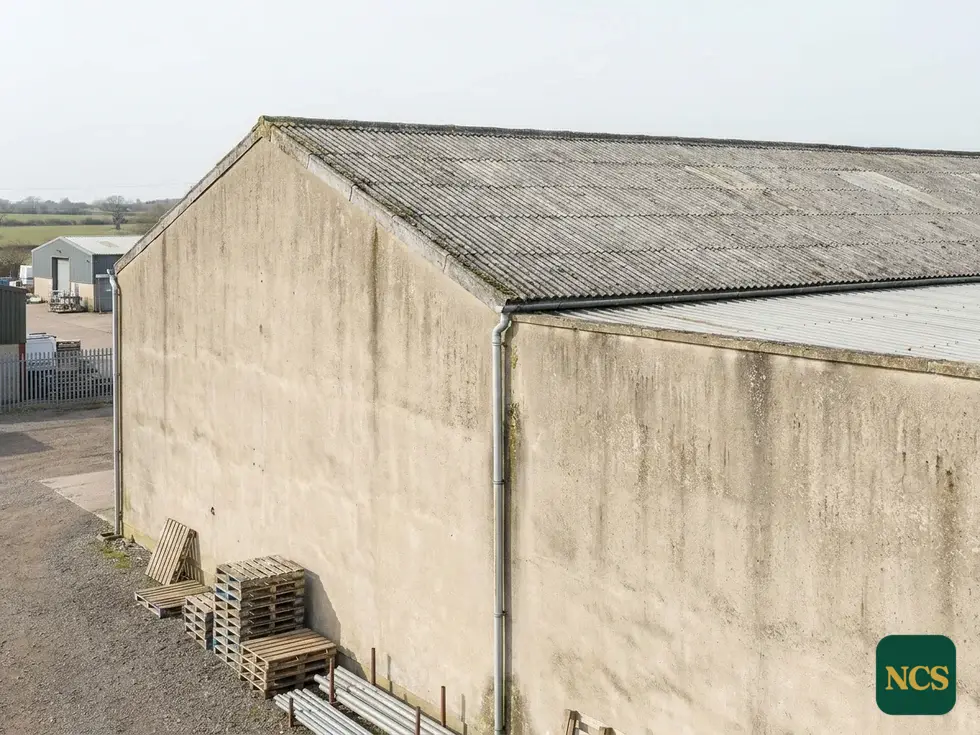
Recent enquiries here have been a mix of metal industrial roofs, profiled cladding and ageing asbestos-cement sheets, all assessed on a free site survey before anything is specified.
With surfaces staying dry for longer, summer lets us prepare and coat a roof in a single planned visit rather than working around showers.