The state of commercial walls in Nailsworth and Stroud
The Stroud valleys present a unique challenge for commercial building exteriors. Centuries of wool mill construction followed by industrial infill have left a legacy of stone, brick and rendered elevations facing the valley microclimate. We’ve seen the damp air that lingers here accelerate wear on traditional render systems. The freeze-thaw cycles of winter exploit any hairline cracks in older coatings. Along the Golden Valley and around Nailsworth, we regularly see commercial premises where the original render has failed at parapet level or around window reveals, letting moisture get right into the substrate.
An exterior repaint of a Nailsworth and Stroud building is a chance to fix the damp, the cracks and the staining in one programme rather than covering them.
Building stock across Nailsworth and Stroud
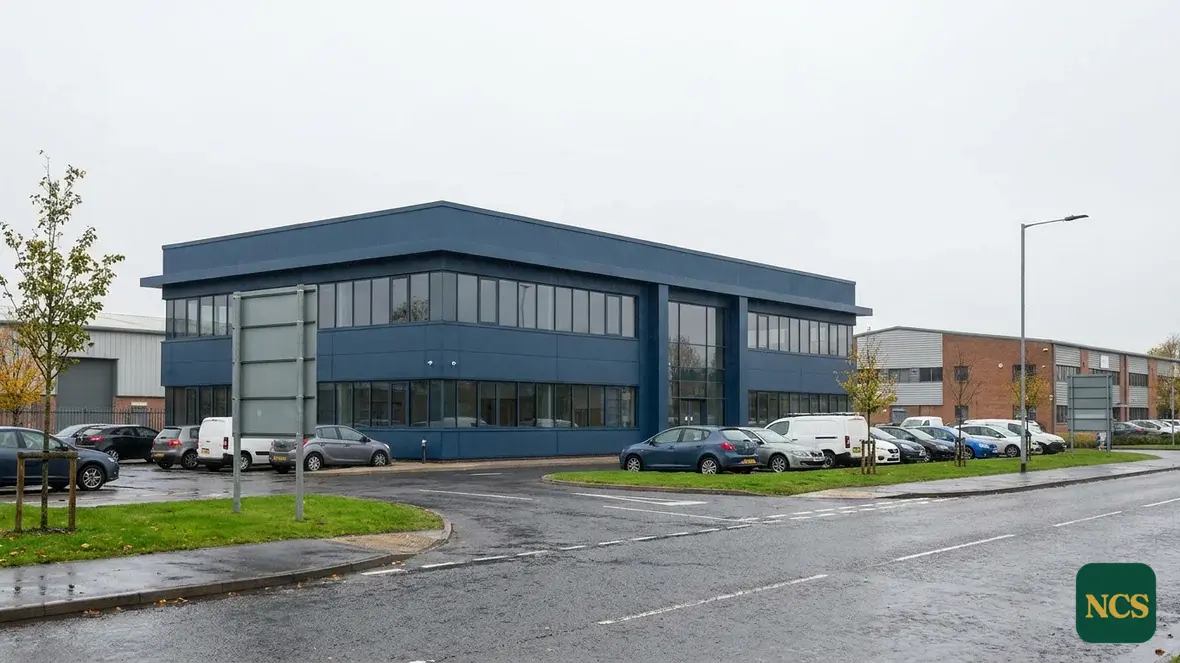
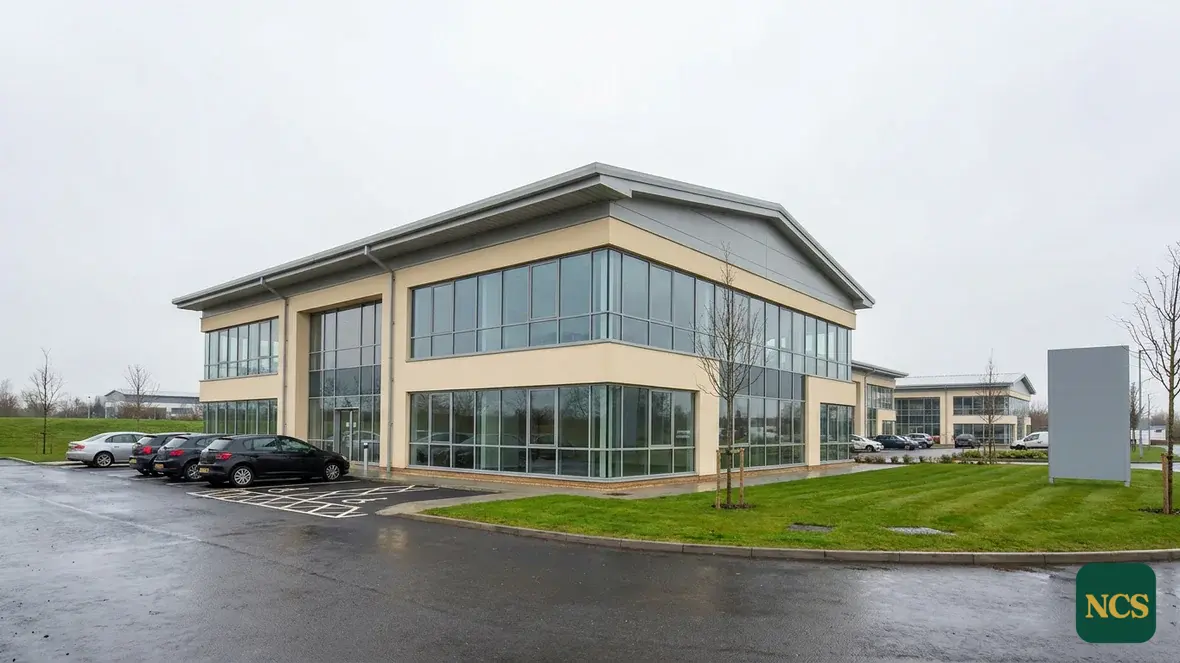
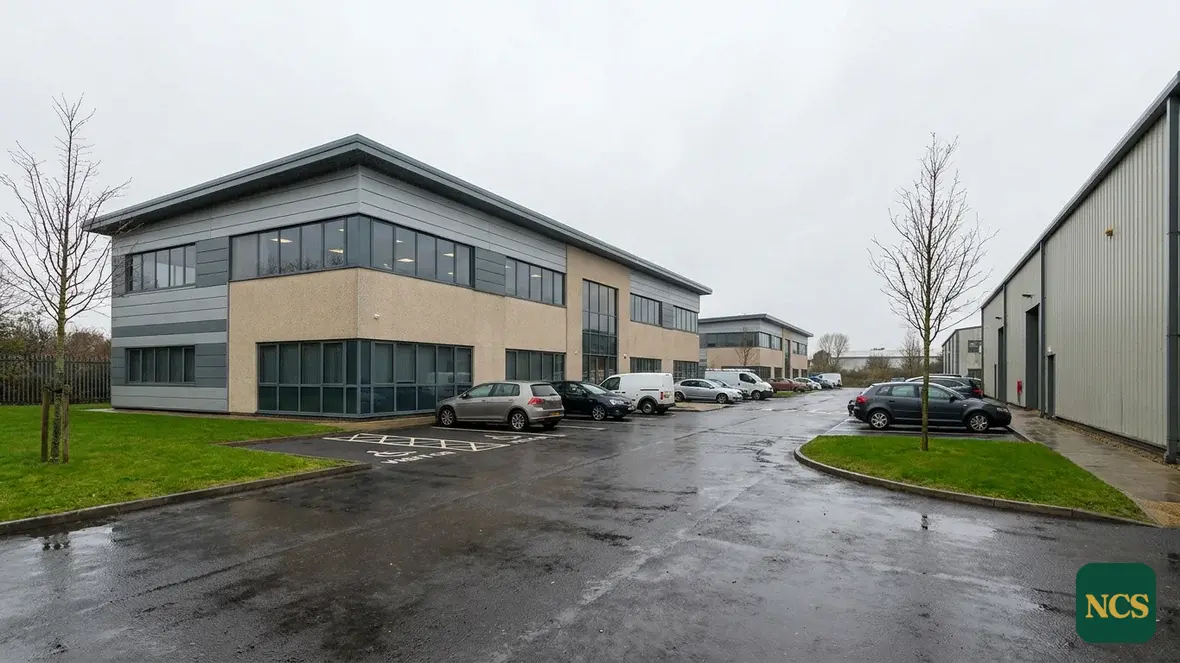
The commercial properties around Nailsworth and Stroud fall into three broad categories. First are the converted mills. We’re talking multi-storey stone buildings along the valleys, now housing offices, workshops and light industry. Second are the trading estates at Stonehouse and Brimscombe, with their mix of 1970s and 1980s industrial units. Third are the smaller commercial premises on Nailsworth High Street and Stroud town centre, often Victorian or Edwardian buildings with later render applications. All three types share one common problem: their exterior finishes are fighting a losing battle against the local conditions.
What survey-led exterior wall coating involves
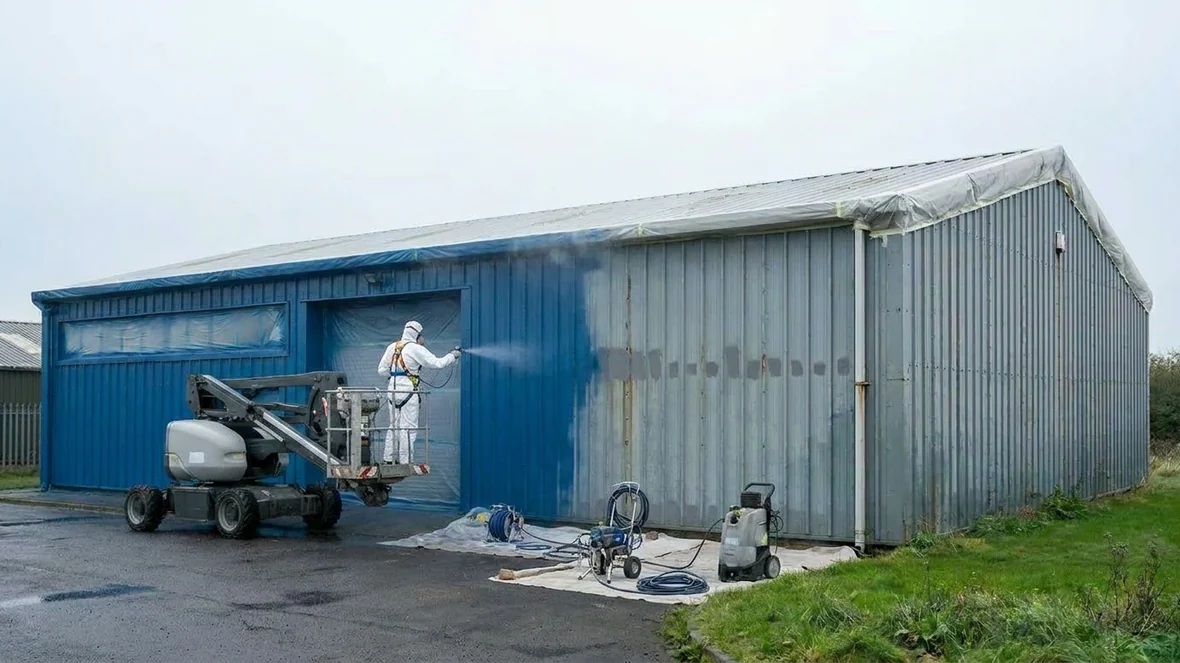
Our approach starts with understanding each building’s unique situation. For a mill conversion in Nailsworth, that might mean assessing how the original lime mortar interacts with later cement renders. On a Stonehouse industrial unit, we’re often dealing with failing textured coatings over blockwork. The survey maps every square metre of elevation, identifying areas needing repair before any coating system can be specified. Only then do we figure out the right solution for that particular building in its specific location. That’s how we work.
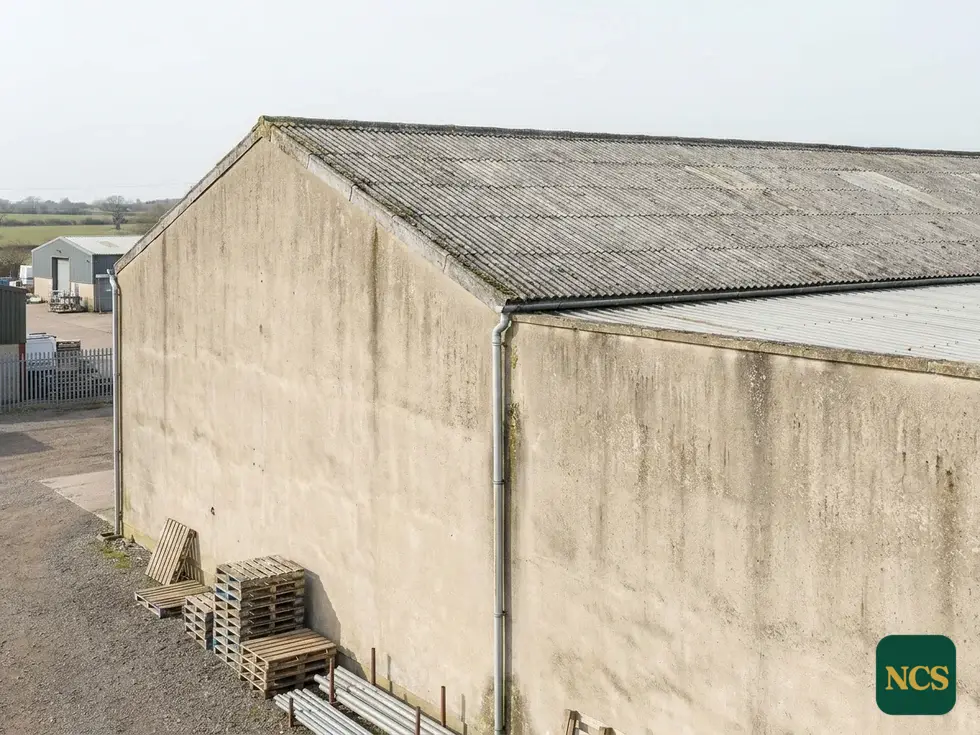
The repairs that come first
In this area, we typically encounter three recurring issues that we have to sort out before coating. Cracked render is common around window openings on older buildings, where movement has fractured the brittle finish. We see blown patches where moisture has got behind the coating, causing it to delaminate from the substrate. Damp ingress frequently appears at ground level on north-facing elevations, where the walls never fully dry out. Each of these needs different remediation before the weatherproof coating system goes on. You can’t just paint over it.
Our survey-led process step by step
- Detailed elevation survey documenting every defect
- Moisture mapping of problem areas
- Substrate testing to determine compatibility
- Repair specification for each type of damage
- System selection based on building orientation and exposure
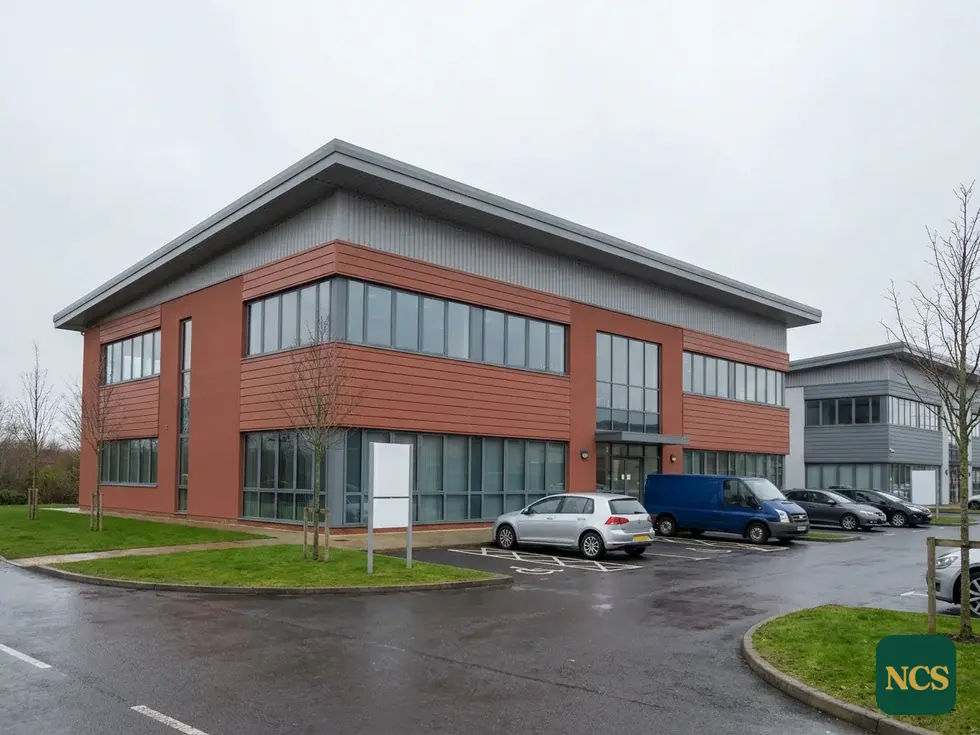
Why the survey comes before specification
The valleys around Nailsworth and Stroud create microclimates that vary dramatically over short distances. A building in the Nailsworth valley bottom faces different conditions to one on the Stroud plateau. Without understanding these factors, along with the building’s construction history and current state, we can’t responsibly recommend a coating system. That’s why we insist on a thorough survey before talking about solutions. Learn more about our commercial wall coating approach or book your free survey.
Recently — July 2026
Through the drier summer months we can programme preparation, coating and curing with far less chance of a weather delay holding the job up.
We coat roofs and cladding that still have life in them, and we say so plainly when one is past saving.