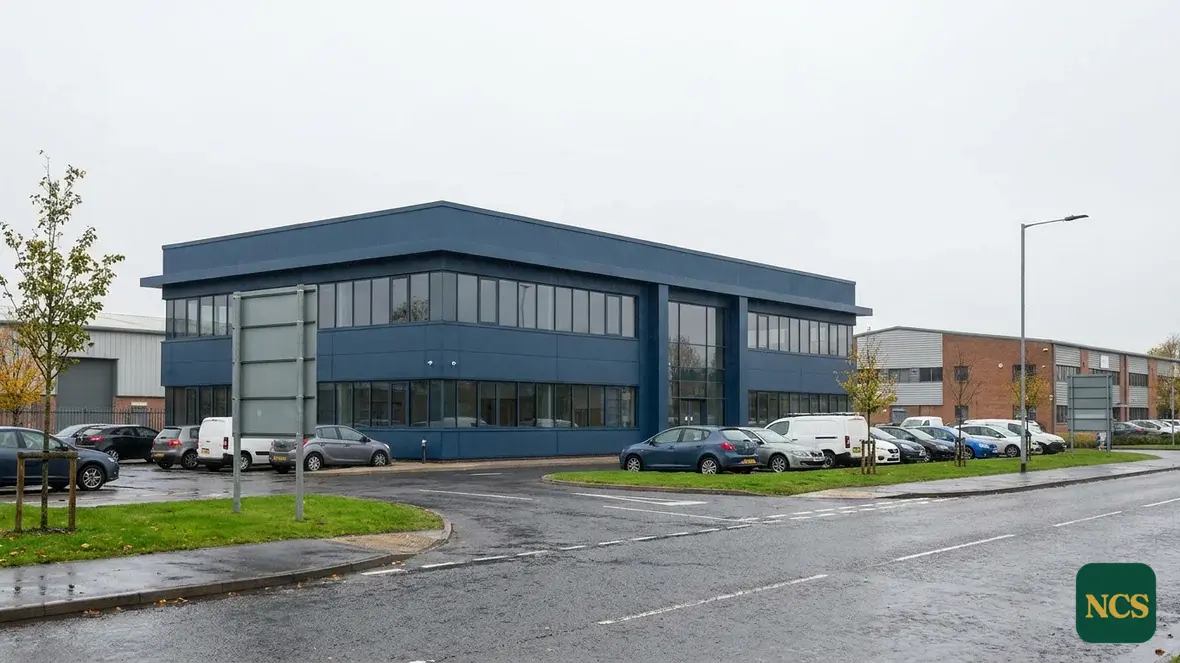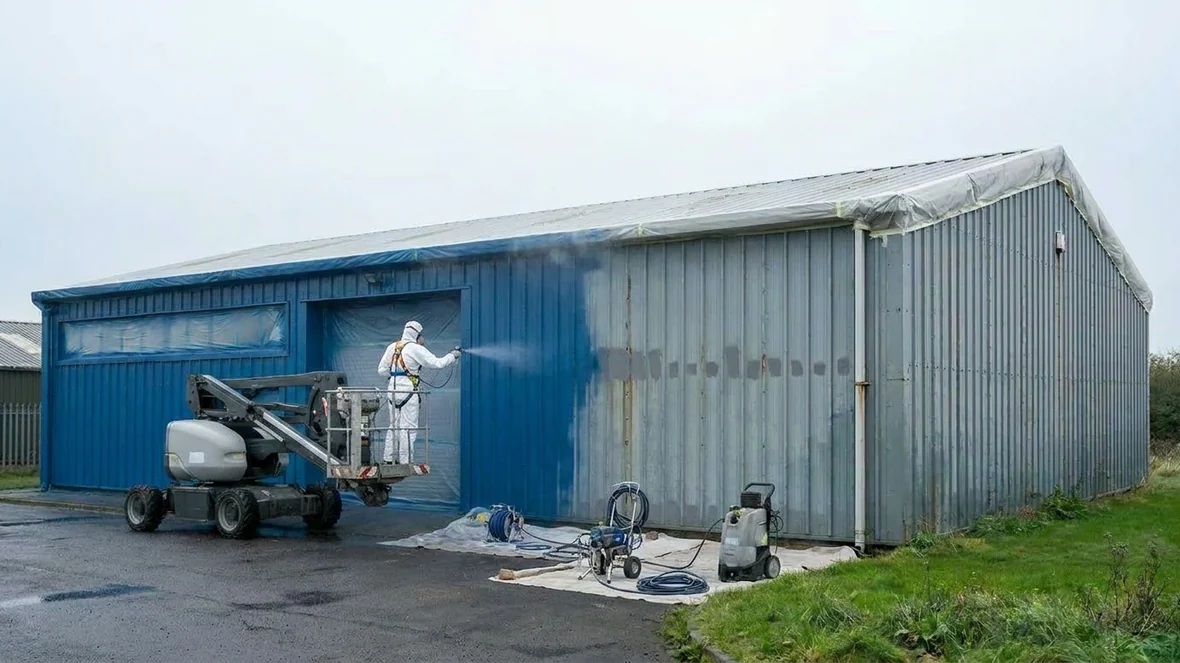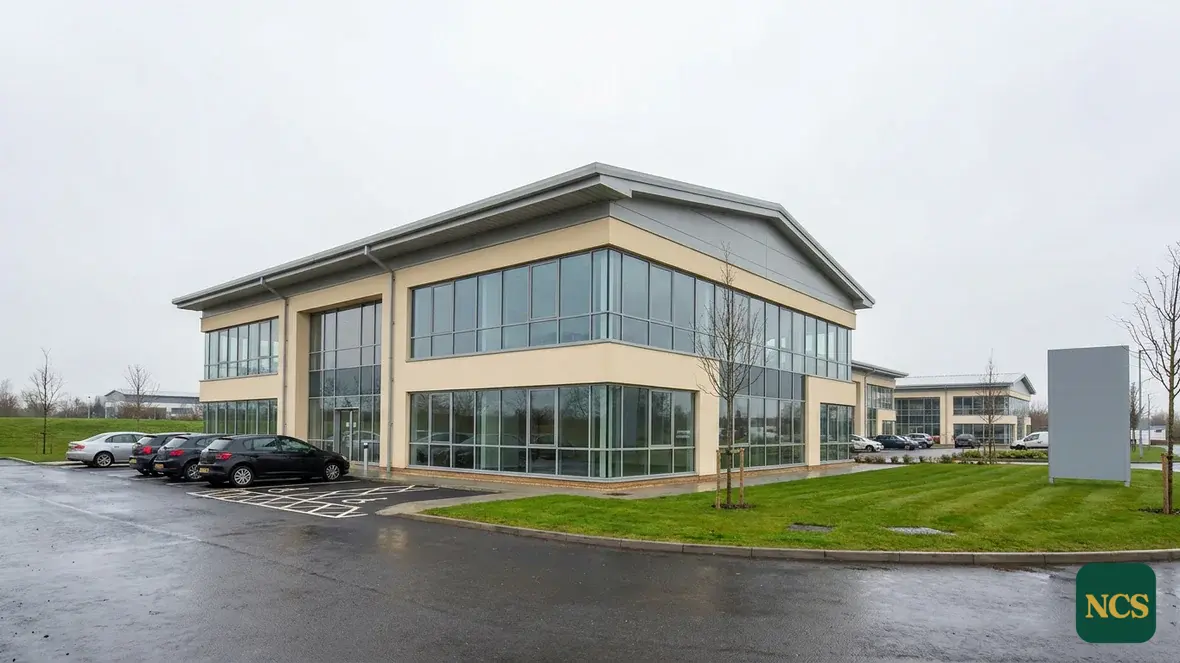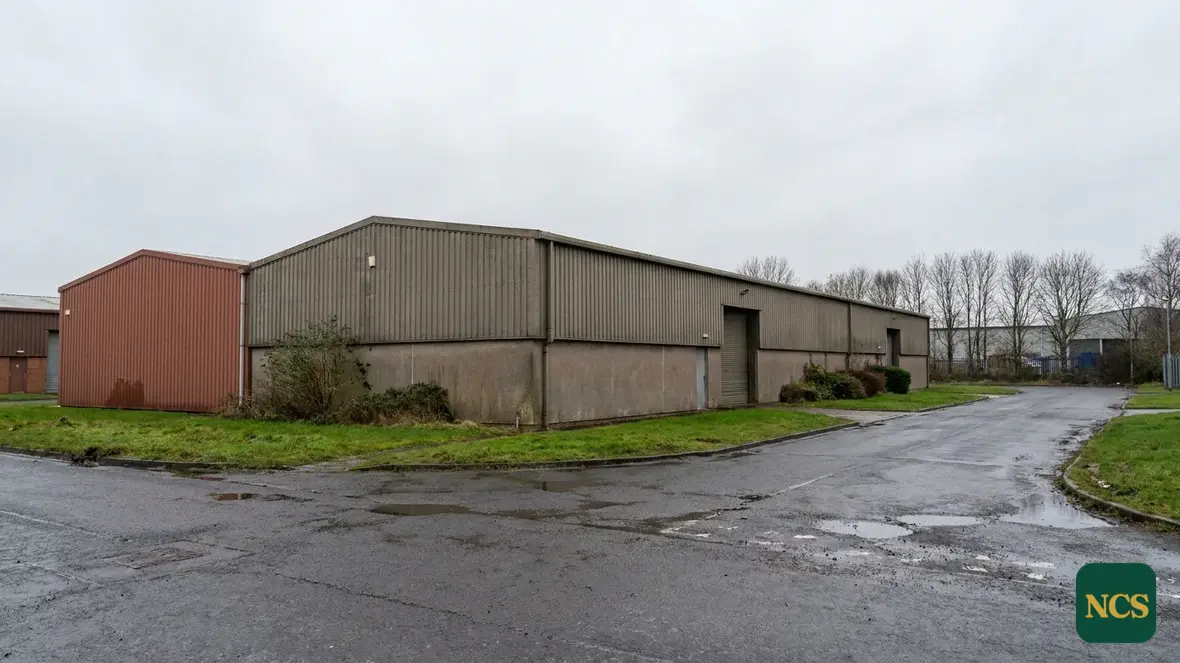
The state of commercial walls across Norfolk
Norfolk’s commercial buildings are constantly battling the elements. Those coastal winds in Great Yarmouth don’t just feel cold, they drive salt spray deep into porous render. Inland, around Thetford, we see those freeze-thaw cycles opening up cracks in older facades. Drive along the A11 corridor and you’ll see plenty of 1970s pebbledash on trading estates, crumbling at the edges, letting water stain the concrete underneath. And down by King’s Lynn harbour, food processing plants bear the scars of decades of steam exposure, their protective coatings long since gone.
Norfolk’s building stock and problem areas
You’ve got everything from modern business parks in Norwich to agricultural storage barns out in Breckland. We regularly see render failing on industrial units around Dereham, especially those south-facing elevations, weathering badly. Along Great Yarmouth’s South Denes Road, the quayside offices for offshore energy firms often show serious salt damage to their external insulation. Even some of the newer builds on Norwich Research Park have had premature coating breakdown because the detailing didn’t account for Norfolk’s particular wind-driven rain.
Exterior painting for Norfolk business premises is only as good as the wall underneath, which is why our surveys look at repairs before colour.
Survey-led exterior wall coating explained
Every coating job we do starts with us getting right up close to the existing walls. Our surveyors map out moisture levels across every elevation, we tap for hollow bits in render, and we pinpoint failed sealant joints around windows. We don’t just slap new coatings over problems. Take Fakenham’s market square alone: we’ve found seven different ways historic commercial facades were failing there, things you’d never spot with just a quick look.
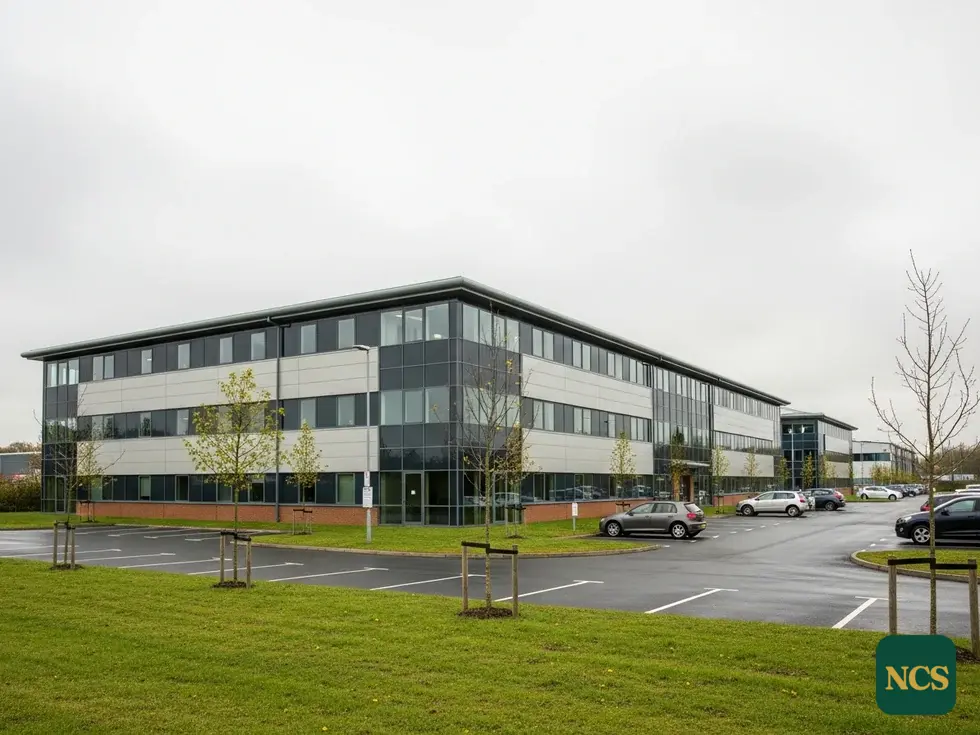
Essential repairs before coating
That survey always turns up things that need fixing first. Around Norfolk, we often find blown render patches that need stripping right back to the solid wall, especially around parapets and coping details. We regularly see cracked masonry movement joints in older shopfronts in Diss that need to be properly opened up and repointed. Damp coming through spalled brickwork is another common one, particularly in Thetford’s converted mill buildings where the original lime mortar has just given up.
Our step-by-step survey process
- We map every elevation, using moisture meters and thermal imaging.
- We assess cracks and movement joints for structural issues.
- We take core samples if we’re not sure about the wall’s integrity.
- We get a detailed photographic record of every defect.
- Then we lay out exactly what repairs are essential, in order of priority.
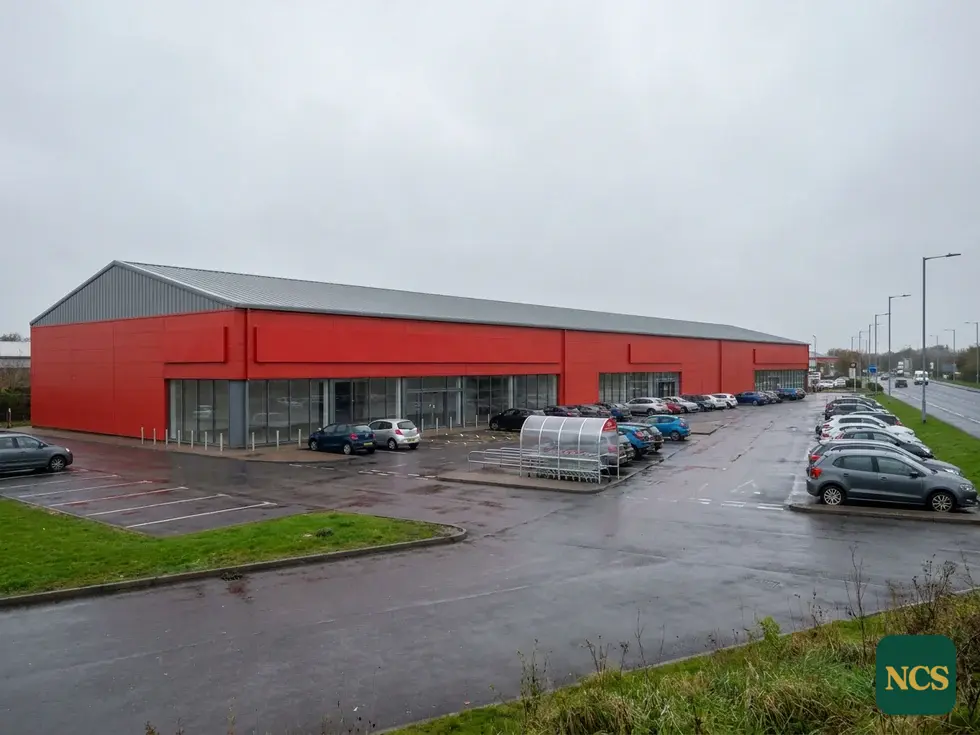
Why specification follows survey
No two buildings in Norfolk are the same. You can’t just take a coating system that worked on a concrete-framed warehouse near the A47 and stick it on a timber-clad farm building near Swaffham. The survey tells us not just what’s broken, but how that building breathes, how it moves, and how it handles its own little bit of Norfolk weather. Only then can we figure out if a flexible silicone render or a more traditional mineral system will actually last the course.
You can see how our diagnostic approach is different on our commercial wall coating overview, or you can kick things off with a free survey.
Recently — July 2026
Dry summer spells are the window for tackling cut-edge corrosion and tired finishes before the autumn rain sets back in.
A survey gives you a written read on the actual condition of the roof or walls and the route we would take, with no obligation to go ahead.