The state of commercial walls across Wiltshire
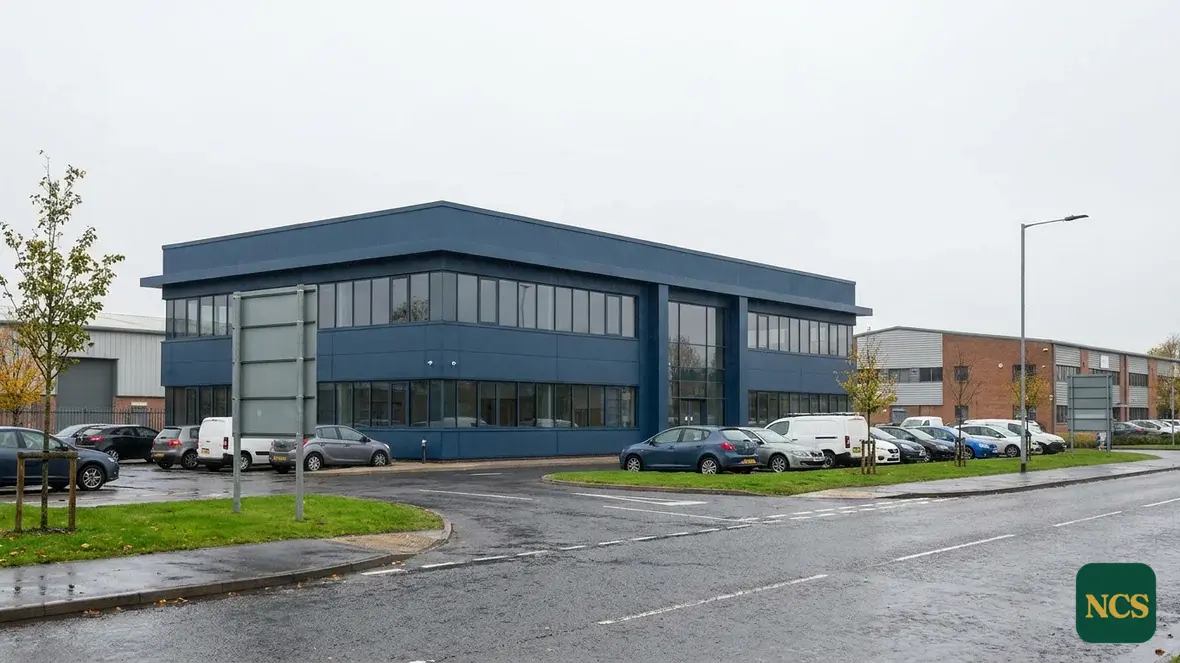
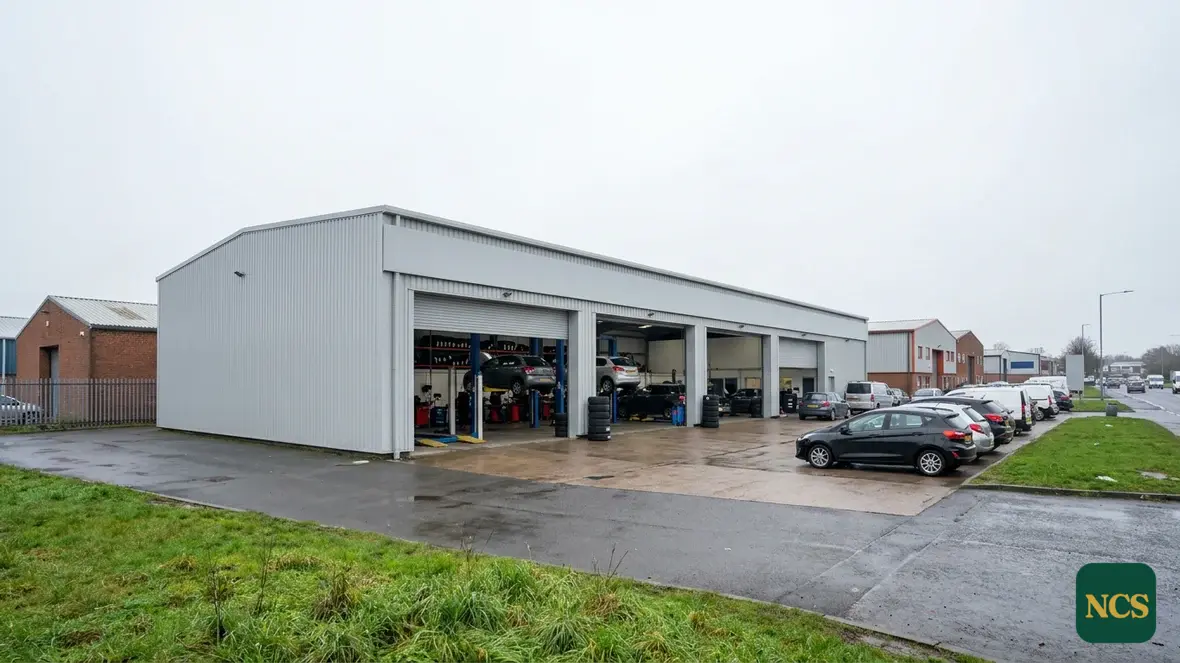
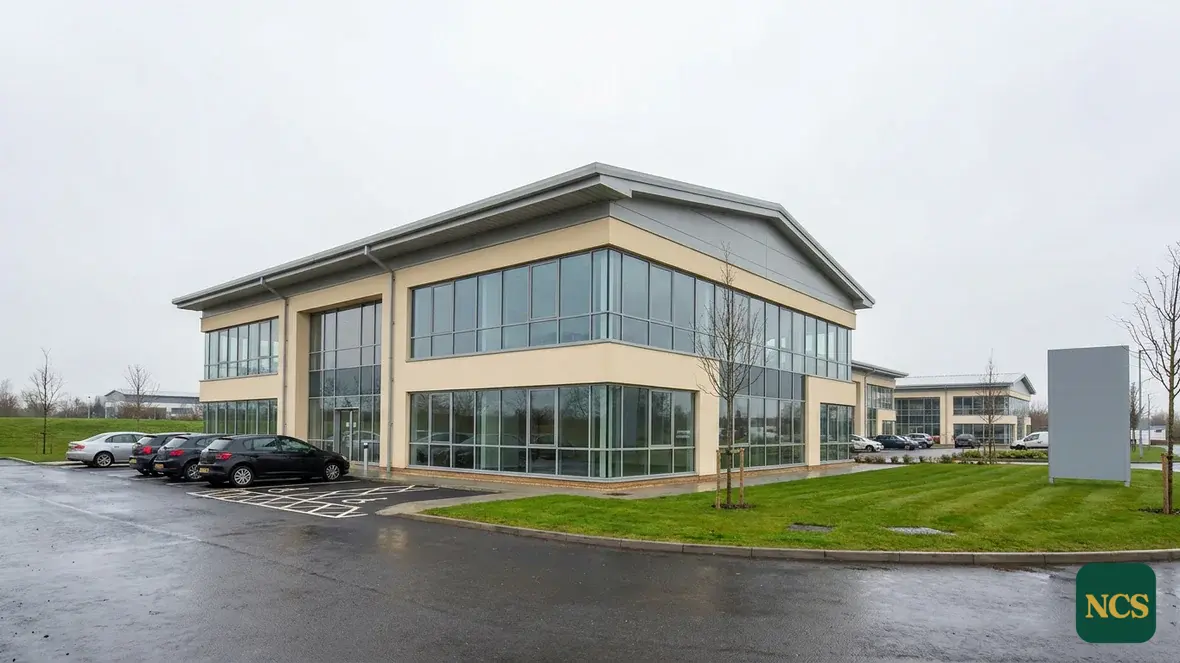
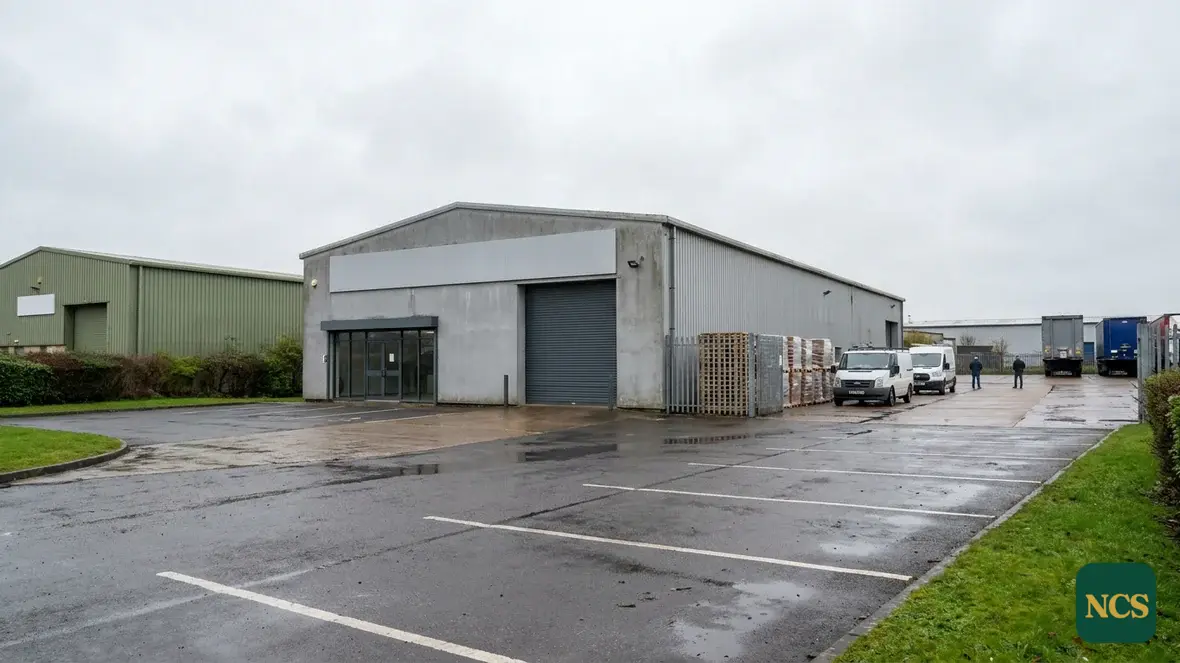
We’ve seen it all on Wiltshire’s commercial buildings. Decades of weathering take their toll. You’ve got everything from motorway spray on distribution hubs to driving rain lashing against rural estates. Take Swindon’s brick and block warehouses: structurally sound, but the render’s crazing and the lower courses are stained. Head south to the older trading estates around Trowbridge and Westbury and you’ll find patch repairs where previous coatings just gave up. And those rural dairy buildings? They’re fighting damp ingress at ground level and UV damage on their old finishes.
Wiltshire’s building stock and problem areas
The M4 corridor’s full of distribution centres and logistics parks. Their high walls need serious protection. Then there’s Swindon’s railway heritage; some of those brick elevations need consolidating before we even think about coating them. Further west, old dairy buildings converted to workshops often have crumbling lime render that needs sorting out. Across the county, we see the same old story on 80s and 90s industrial units: cracked render around loading bay doors, blown patches where a downpipe leaked, and staining from years of exposure. We don’t guess. We survey every building on its own terms. That tells us more than its age or where it sits.
What survey-led wall coating involves
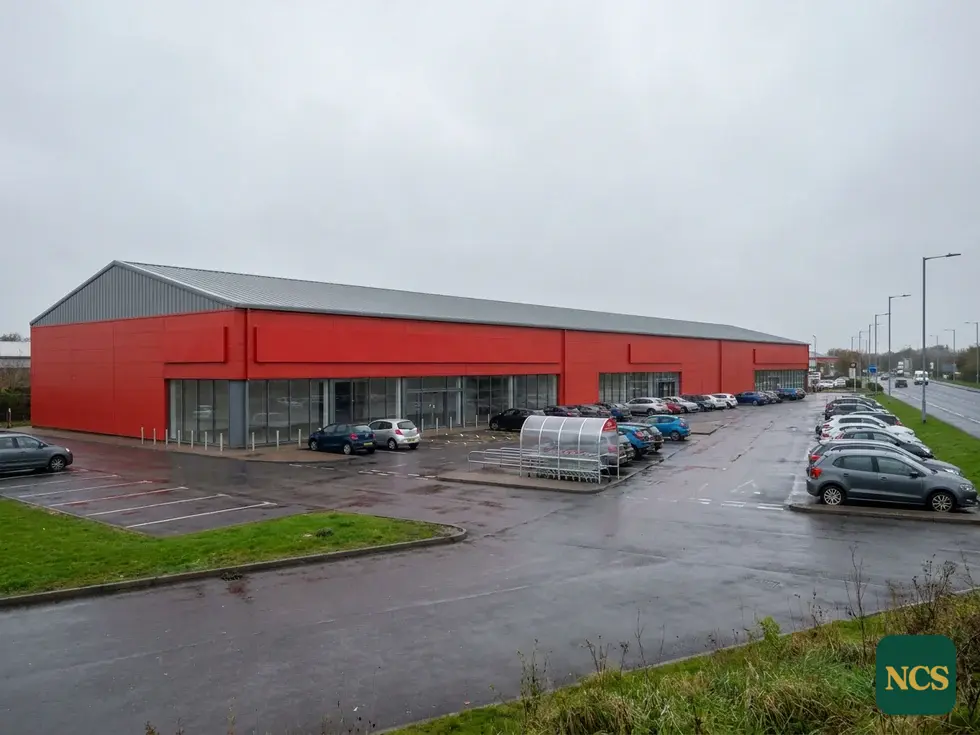
We don’t just slosh paint on. A proper coating job starts with knowing what we’re actually coating. Our surveys map every elevation, testing the render, checking for damp, and looking for any structural movement. Only then can we specify the right prep work and coating system. That might mean raking out cracks, treating damp patches, or applying reinforcing mesh to unstable areas before the base coat even goes on. The final silicone or acrylic finish is just the top layer. The system only works if we get the underneath right.
The repairs that come first
We won’t coat over problems. If render’s cracked, we cut it back to sound edges before we repair it. Blown patches? They’re coming off completely to stop more delamination. Damp ingress points? We trace them back to the source. That’s usually failed flashings or blocked cavities, not just the wall surface itself. We put all this in the survey report with clear recommendations. Some buildings need weeks of drying time after repairs before we can even start coating.
Our survey-led process step by step
- Full elevation survey with damp testing and substrate analysis
- Detailed report specifying necessary repairs and drying times
- Preparation work carried out by our own teams, not subcontractors
- Coating application only after all repairs are signed off
- Final inspection to ensure uniform coverage and edge sealing
Why the survey comes before specification
Every commercial building in Wiltshire has its own story. You could have two 1980s units, one in Swindon and one in Westbury, and they might need totally different approaches. It all depends on the local weather and what’s been done to them in the past. We don’t do one-size-fits-all. The survey gives you certainty. You know exactly what your building needs before you commit to anything. It also stops nasty surprises when hidden problems pop up halfway through the job.
For more on our approach to commercial wall coating, see our main service page. To book your free survey, use our enquiry form.
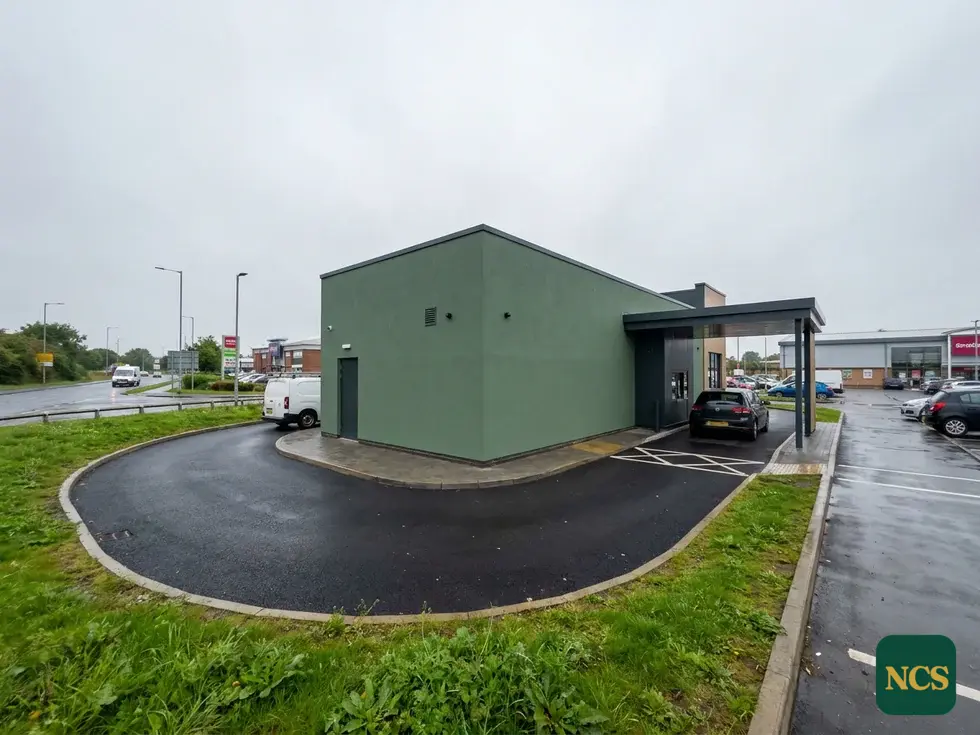
Recent project near Swindon
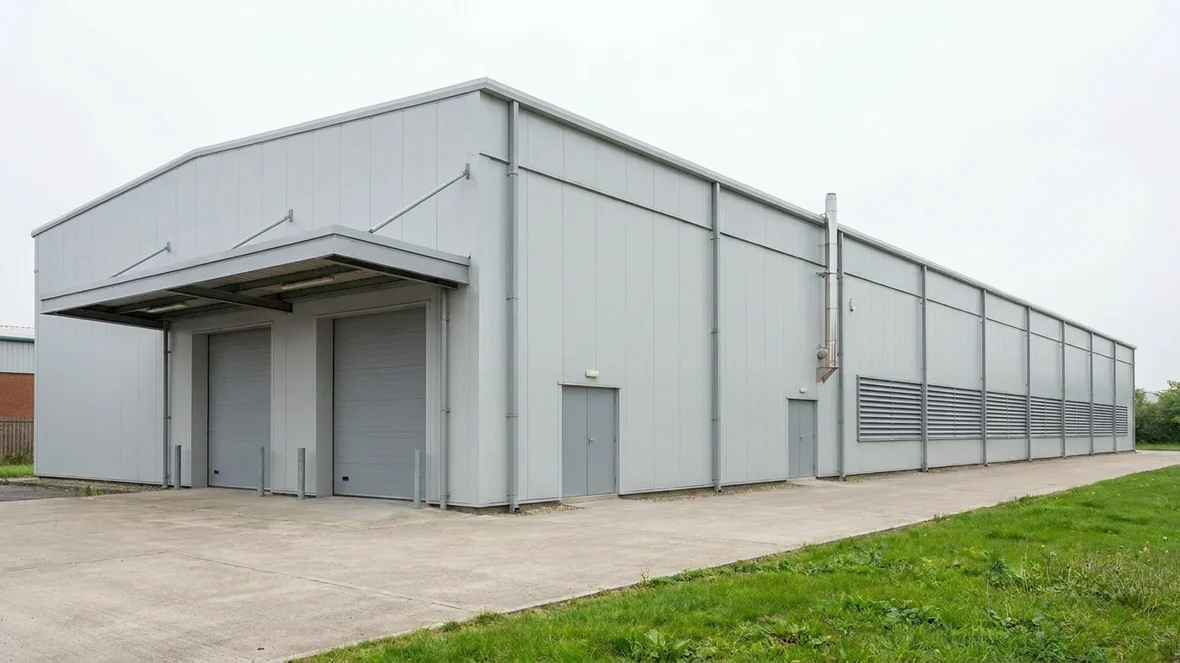
Yellowed composite panels on a live Swindon food plant returned to a clean Goosewing Grey BS 10A05 finish without stopping production. Read the full case study.
Recently — July 2026
Through the drier summer months we can programme preparation, coating and curing with far less chance of a weather delay holding the job up.
A survey gives you a written read on the actual condition of the roof or walls and the route we would take, with no obligation to go ahead.