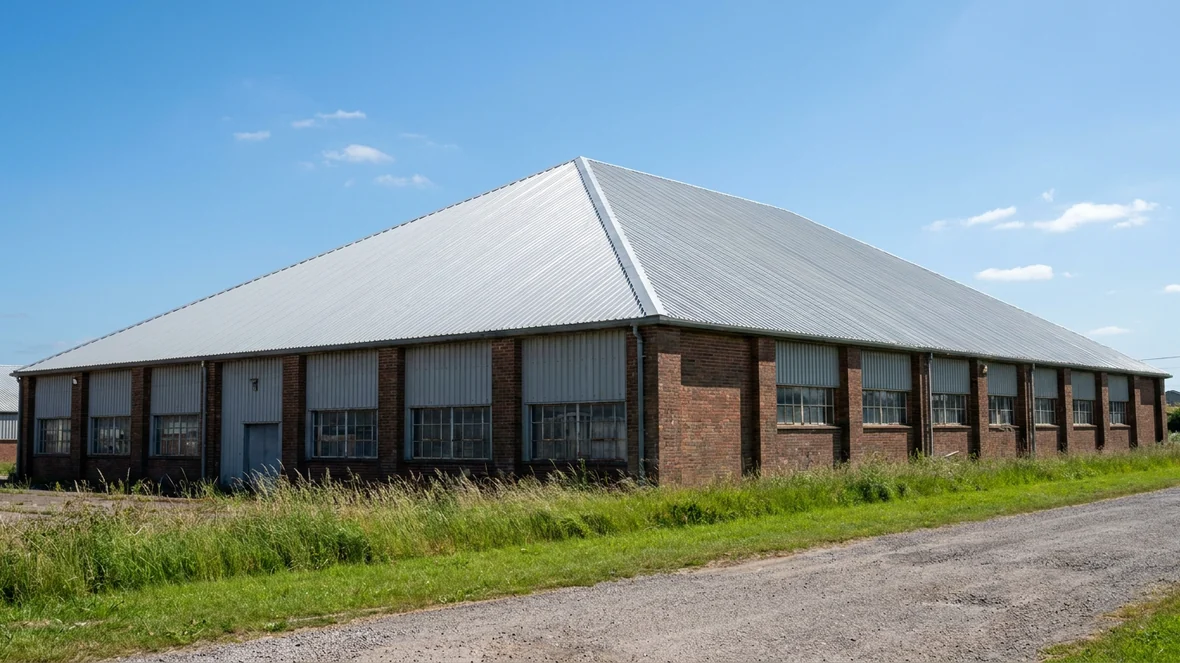
Industrial roof coatings in Westminster: not the usual shed country
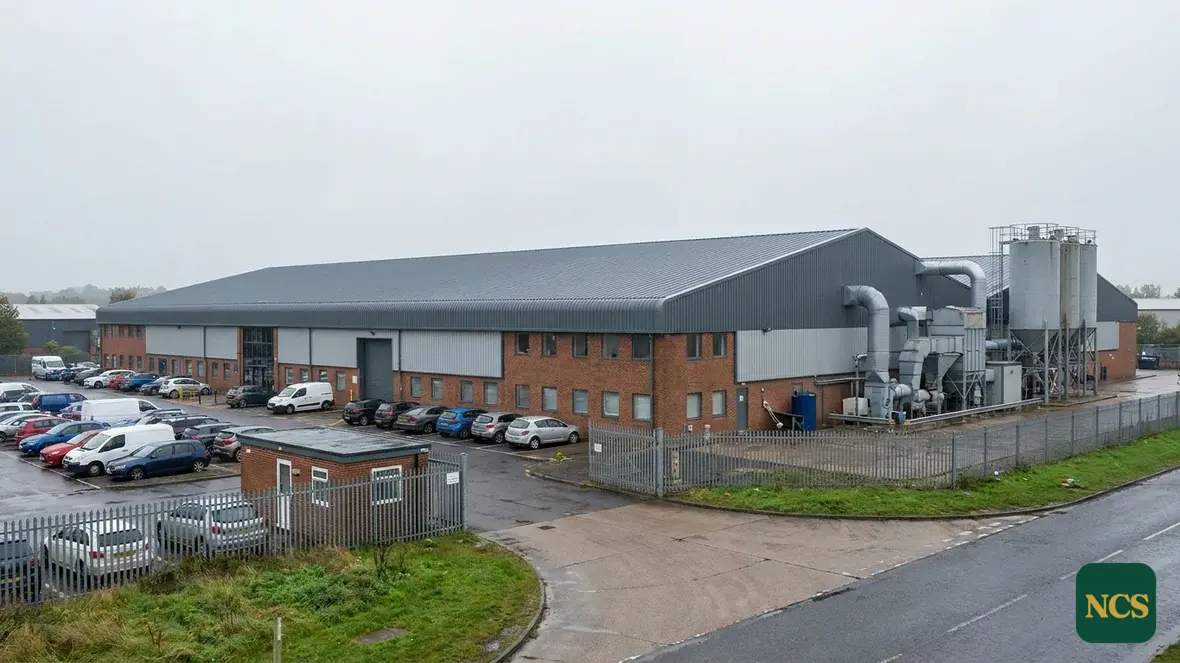
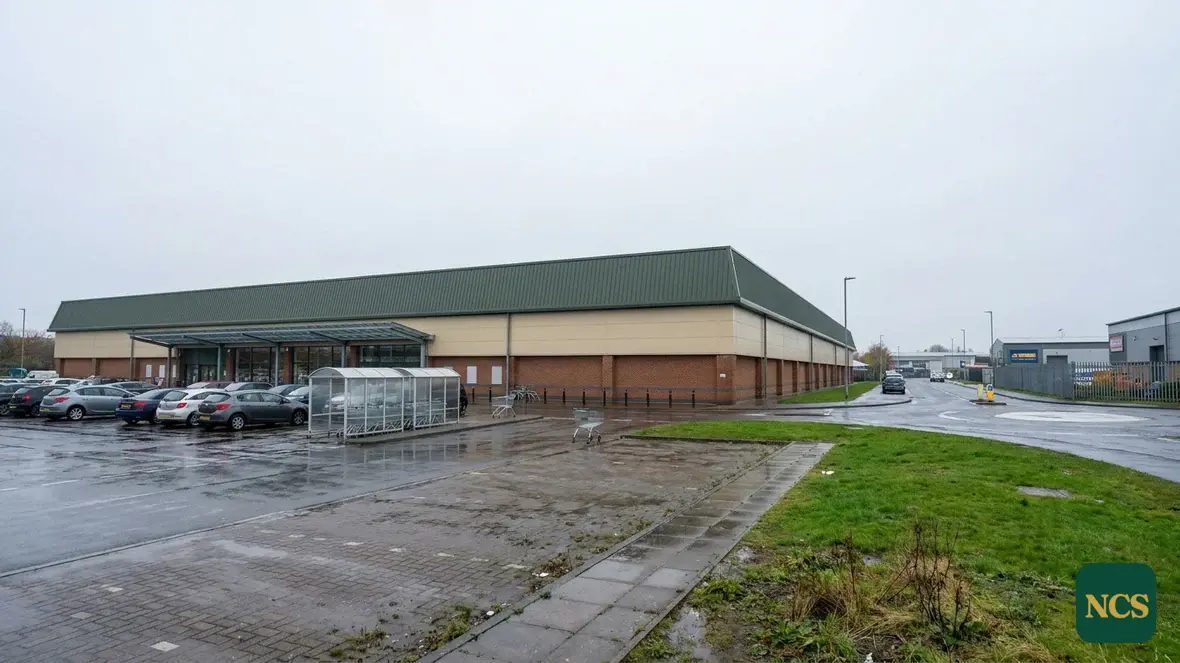
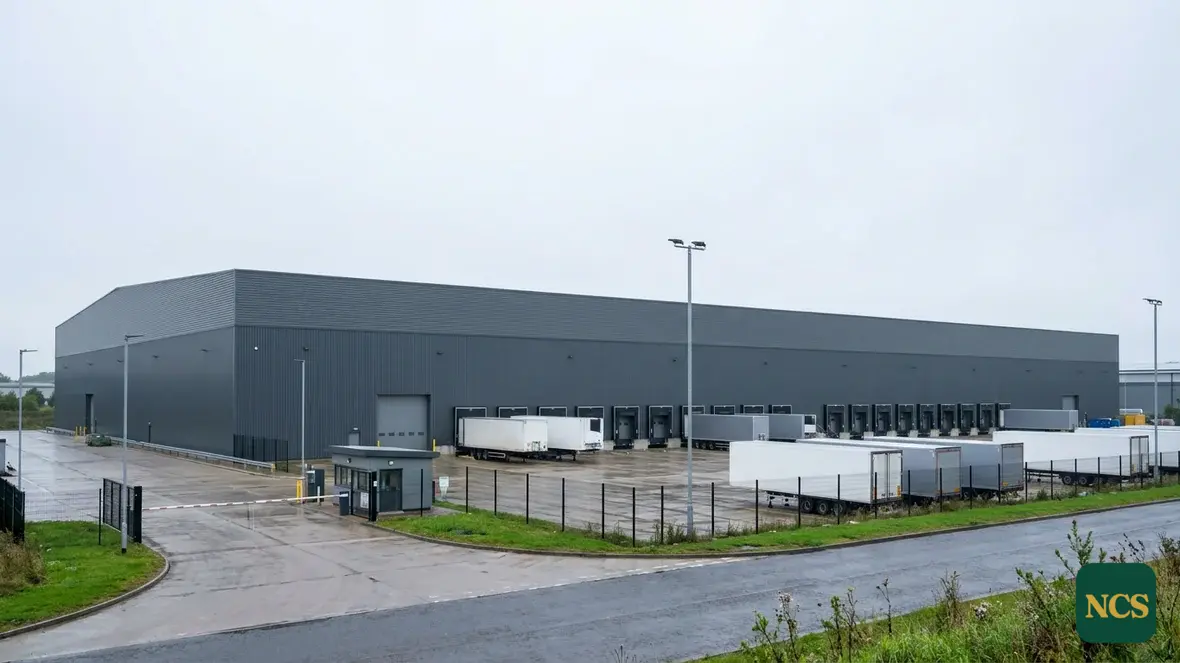
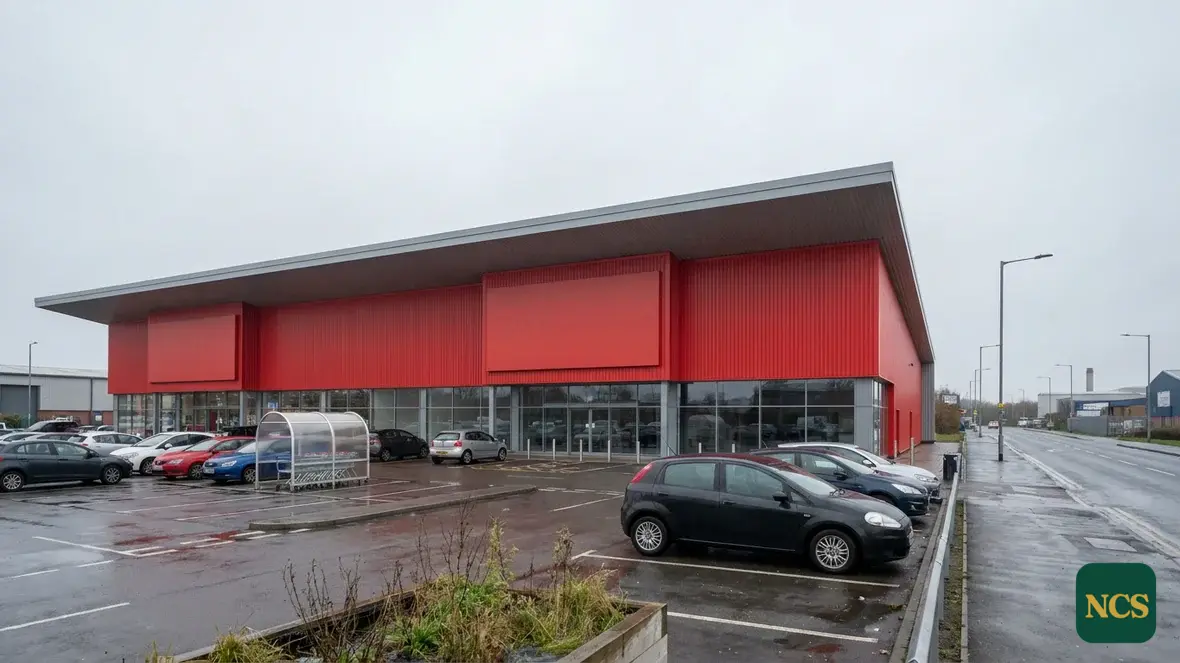
Westminster is not where England keeps its big-box warehouses. Industrial and quasi-industrial roofs here belong to depots, service yards, rail-adjacent buildings, plant enclosures, workshops tucked into mews and back-of-house structures behind commercial frontages. Many still carry profiled metal roofs of exactly the kind found on any trading estate, with exactly the same faults; they are just harder to reach and surrounded by neighbours who notice everything. National Coating Specialists is a survey-led exterior coating contractor based in the South East, so central London is comfortably within working range. We coat structurally sound roofs to extend their life, we price from evidence gathered on the roof itself, and we say plainly when a roof is beyond the point where coating makes sense.
The faults are familiar, even if the setting is not
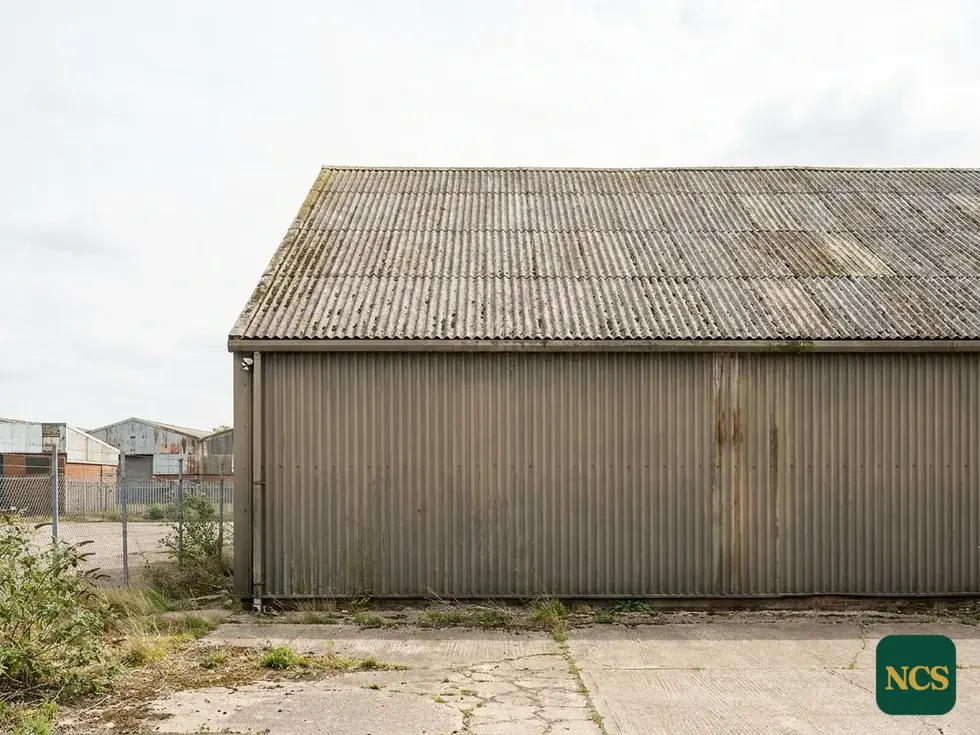
Profiled steel ages the same way here as it does on a Midlands trading estate. Cut-edge corrosion creeps under the factory coating at laps and eaves. Fixings rust and washers split. Sealed laps dry out and let water track along the profile, surfacing indoors metres from the actual entry point. Central London adds its own contribution: heavy traffic film and airborne grime that accelerate surface breakdown and must be properly cleaned off before any coating will adhere. Where buildings carry mixed coverings, metal over one bay and felt or asphalt over another, each substrate gets its own preparation and primer rather than one system stretched across all of them. The remedy is conventional: thorough preparation, treatment of corroded edges and fixings, then a full system applied across the roof. The difficulty is rarely the chemistry. It is the logistics.
Access, hours and neighbours: the real Westminster constraints
On a rural estate the method statement is mostly about weather. Here it is about everything else, and we plan for that before pricing:
- Access equipment and any scaffold or pavement licensing the location demands
- Delivery and waste movements timed around congestion and loading restrictions
- Working hours that respect neighbouring residents and businesses
- Protection for adjacent roofs, plant and glazing in tightly packed surroundings
- Liaison with landlords, managing agents and any rail or utility interface
Because coating work is external and largely free of hot works, occupied buildings usually stay fully operational throughout, which matters in a borough where decanting a building is rarely a realistic option.
When we will tell you not to coat
Coating is a life-extension measure for roofs that still have life to extend. If our survey finds widespread perforation, corrosion working from the underside, saturated insulation or a deck moving on its frame, we will say the honest thing: this roof needs replacement, and money spent coating it would be money lost. The same honesty applies in the other direction. If the reported leaks trace back to a blocked outlet, a failed gutter joint or a cracked rooflight, the right invoice is a small one for targeted repairs, not a large one for a system the roof never needed. Survey findings come to you in writing, with photographs, whichever way they fall.
Starting with a survey
If you manage property in this part of central London with a metal, felt or asphalt roof that is showing its age, the first step is a proper inspection rather than a desktop estimate. Tell us the address, the access situation as you understand it and what the building does, and we will arrange to survey, report and recommend. Sometimes the recommendation is a full coating system; sometimes it is a repair; sometimes it is nothing more than monitoring for another year or two. The report is written so a facilities team can hand it straight to a managing agent or landlord and have the decision argued on evidence rather than instinct.