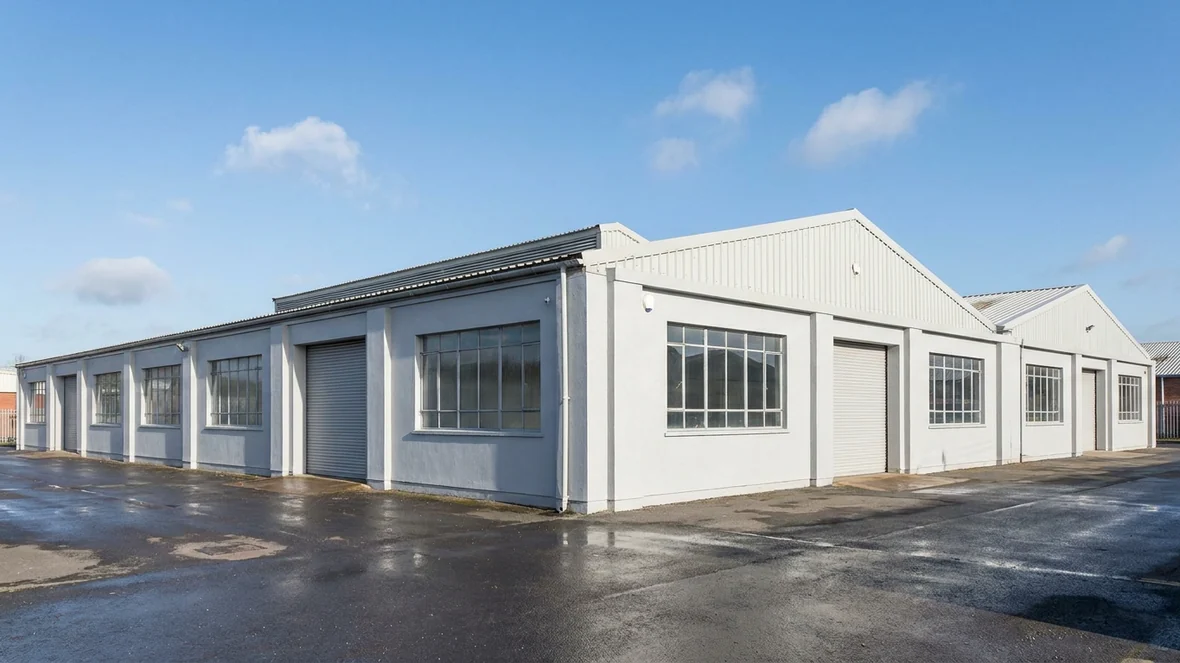
Commercial wall coating in Westminster
Coating a commercial elevation in Westminster is as much a planning and logistics exercise as a trade job. Commercial wall coating in Westminster has to contend with conservation settings, party walls, pavement licensing, neighbouring premises that never close and frontages that are photographed by strangers every day. None of that changes the physics of a wall, but it changes how the work must be organised. Our answer is the same one we give everywhere, applied with more paperwork: survey the building properly, diagnose before specifying, and plan the job around the realities of a dense central London site.
How a survey-led job is run in central London
The survey comes first, and in this part of Greater London it covers more than the wall itself:
- Substrate and condition: render, stucco, brick, stone or previously coated surfaces
- Moisture readings and the staining patterns that betray failed details
- Any conservation or planning sensitivities affecting finish choices
- Access strategy: scaffold, towers, pavement protection and licensing
- Sequencing around tenants, trading hours and neighbouring buildings
Findings and a recommended scope come back in writing before any commitment is asked of you. We work across the neighbouring boroughs on the same basis, so premises in Kensington, Camden, Lambeth and the City of London are handled with the same survey-led discipline.
The building stock this usually means
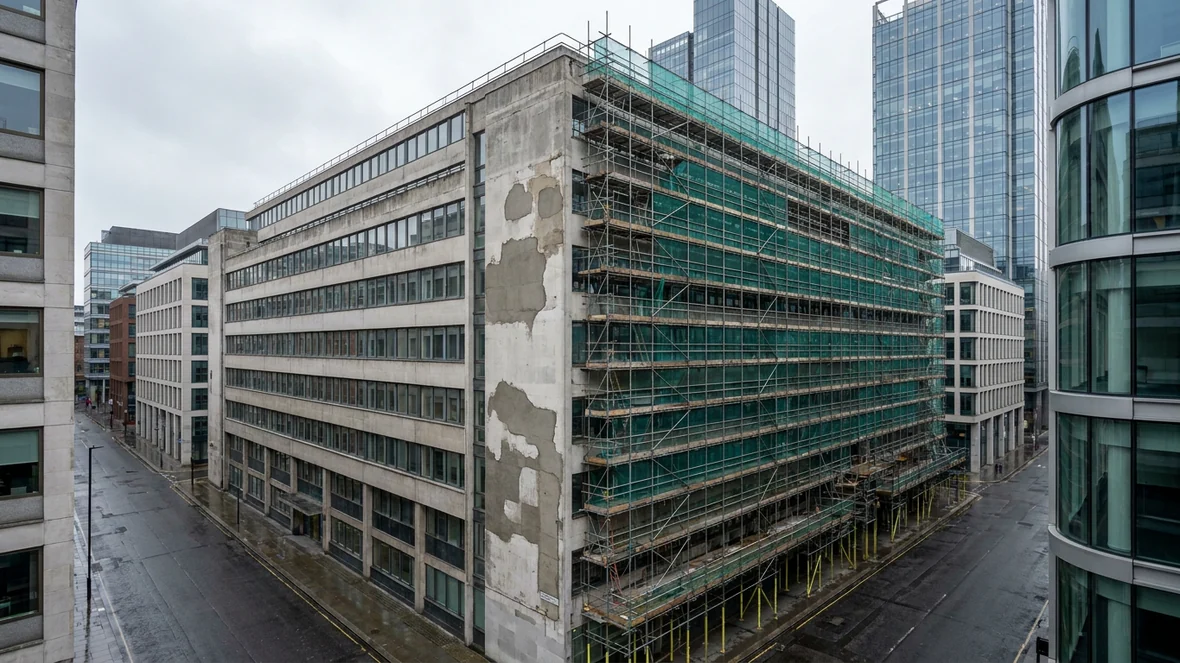
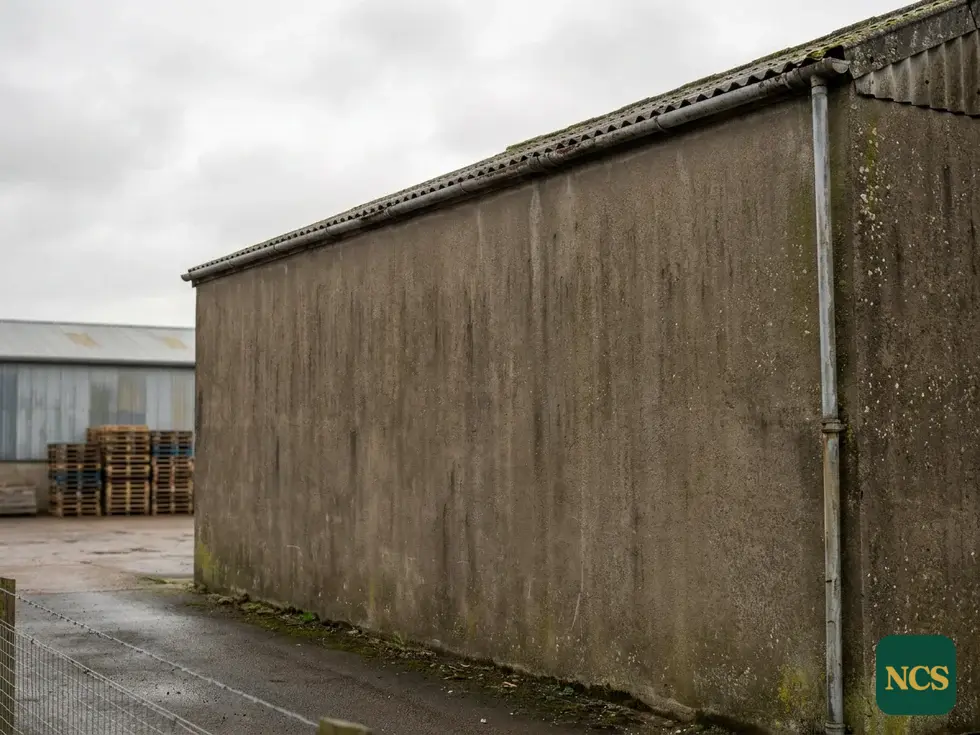
Westminster’s commercial fabric is unusually varied for its size: rendered and stucco-fronted period buildings, brick mansion blocks with commercial ground floors, stone-faced offices and modern infill, much of it streaked by decades of traffic film and weather. Older render and stucco need breathable, compatible systems and honest preparation, because the layers underneath have often been patched many times over many decades. Pollution staining raises its own question: sometimes the right first step is cleaning and reassessment rather than coating at all. We keep these descriptions general on purpose; in this city more than most, every elevation has its own history. Rear elevations off mews and service roads add another layer, often neglected for decades precisely because nobody photographs them. They still move water into the building, and they belong in the same survey as the frontage everyone sees.
What we will not paper over
A coating does not cure rising damp, live structural movement, corroded fixings, failed parapet details or leaks from roofs and rainwater goods. In a dense terrace, water often arrives from a neighbouring building or a shared detail, and coating the visible symptom only moves the argument on by a year. Shared parapets, hidden box gutters and patched flashings are repeat offenders, which is why the survey looks up before it looks at the wall. If our survey points to a fault like that, the report says so and sets out the order in which it should be addressed. We would rather lose a job than coat over a problem we have just documented in writing.
Why survey-led matters more here, not less
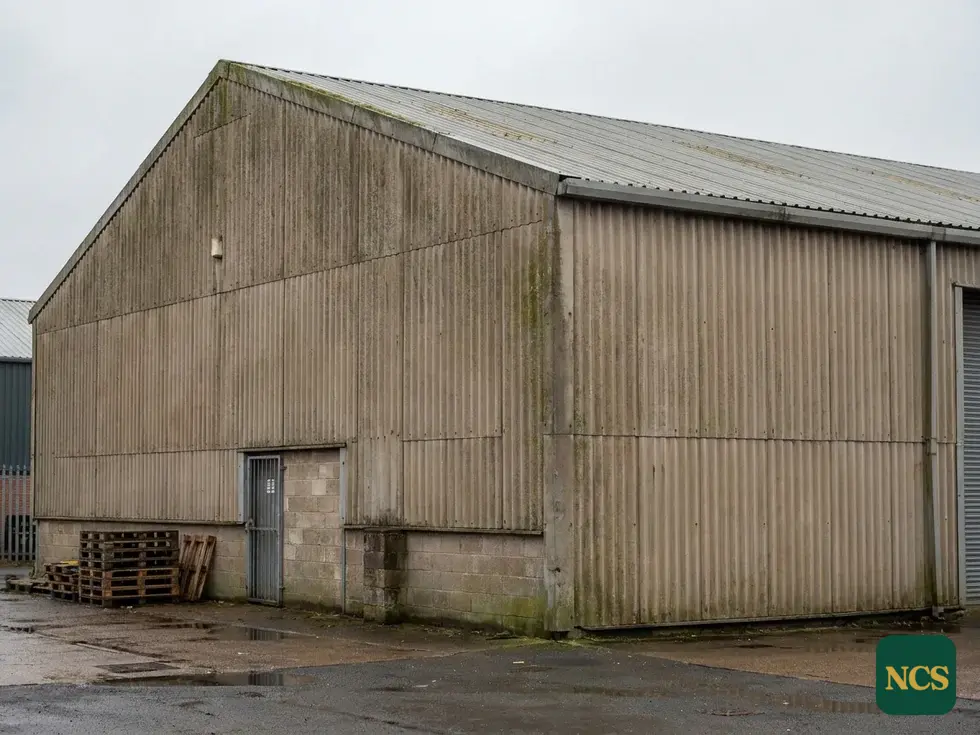
In central London the costs of getting it wrong are multiplied: access is expensive, disruption is expensive, and a failed finish on a prominent frontage is very public. A survey-led contractor puts the diagnosis on paper before pricing, ties the specification to evidence, and gives a freeholder, managing agent or tenant something they can scrutinise and compare against other bids. It also keeps scope honest once access is in place, because the work on site can be checked line by line against the survey rather than renegotiated at height. For a commercial building in Westminster, that paper trail is not bureaucracy. It is what professional procurement of exterior work looks like, and it is the cheapest part of the whole job.