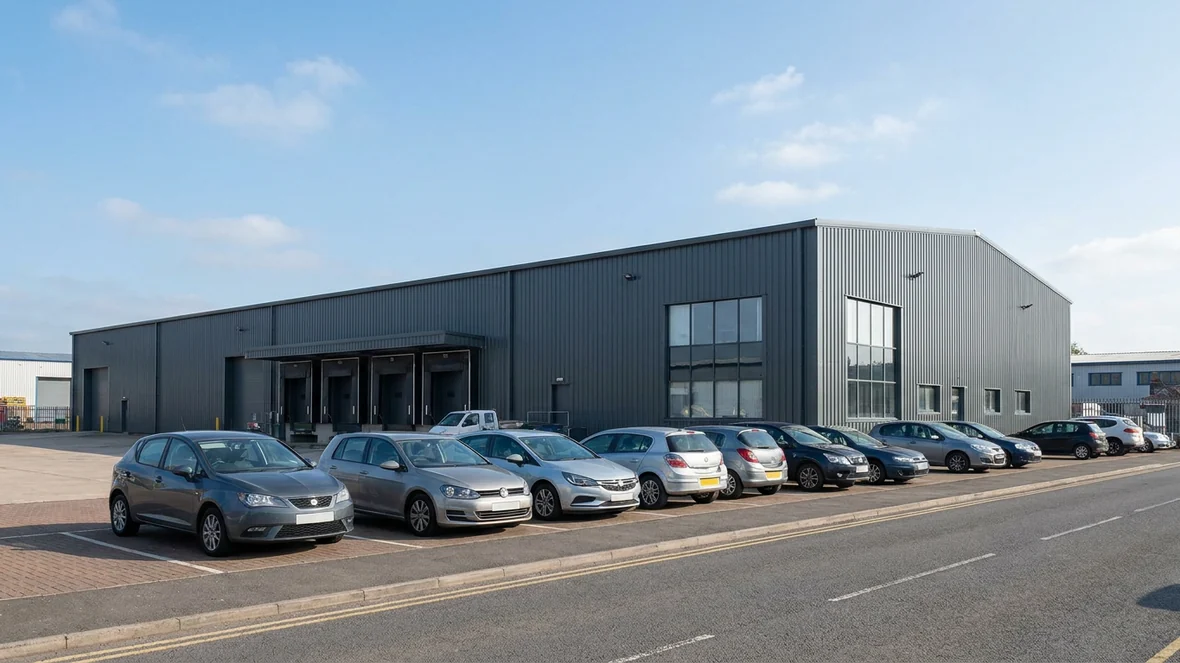
Cladding spraying in Westminster
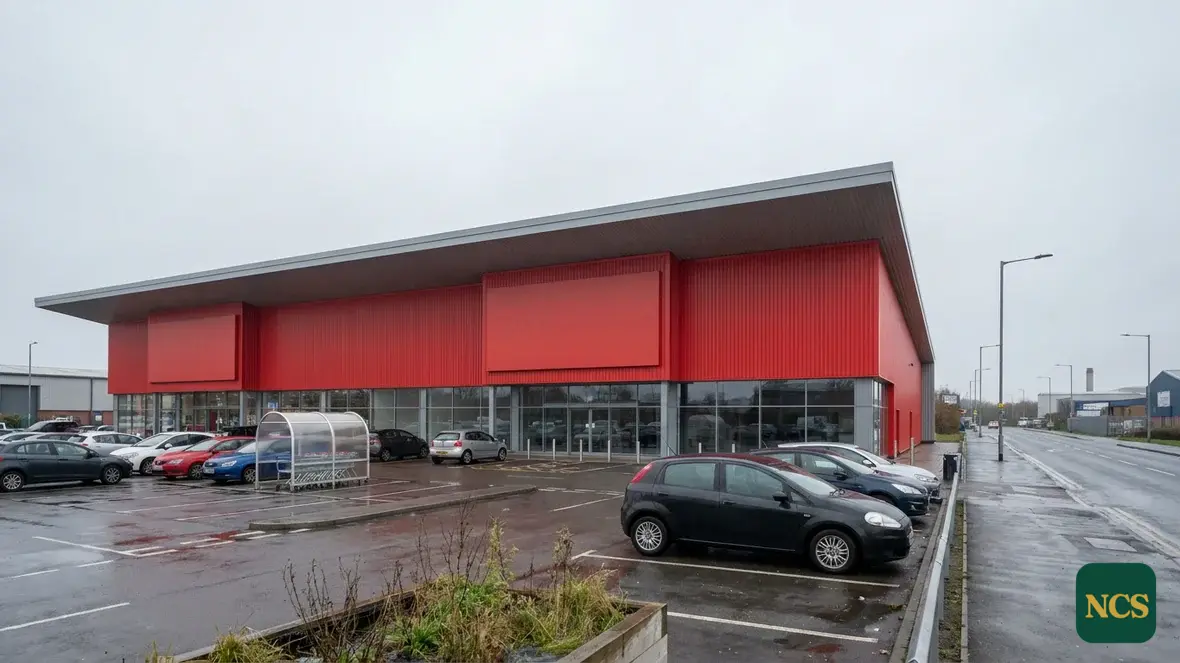
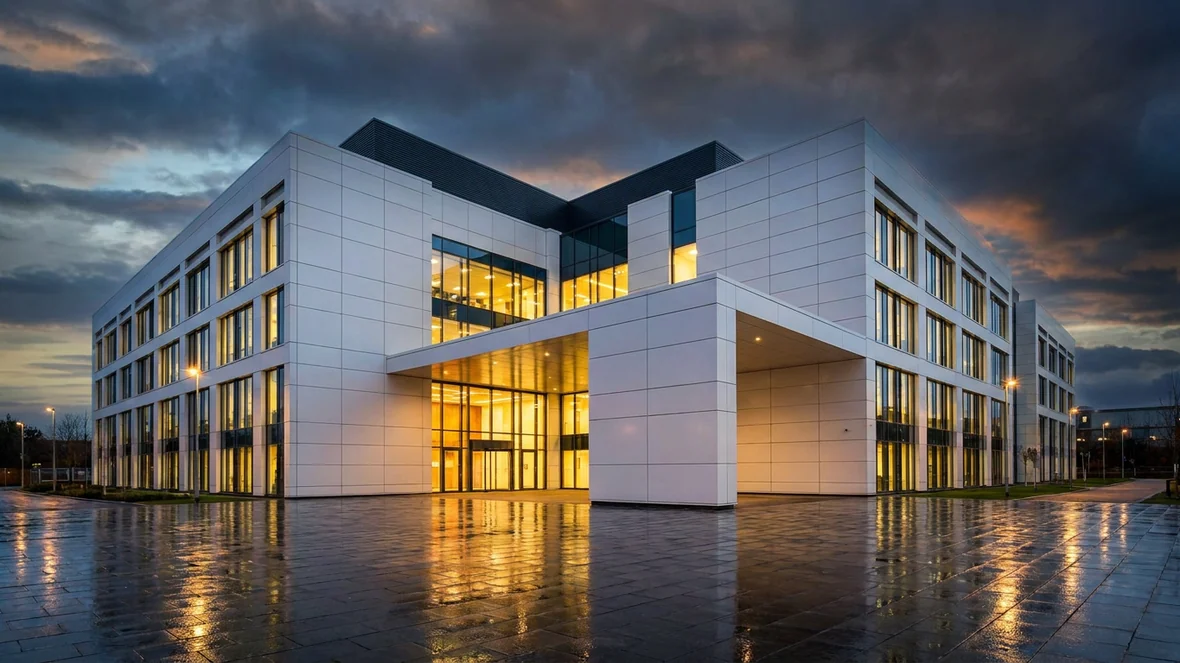
Cladding spraying in Westminster is a different discipline from respraying a shed on an out-of-town estate. Buildings are occupied, pavements are busy, neighbours are close, and the fabric is often high-specification: curtain walling, aluminium panels, rainscreen systems and architectural metalwork rather than profiled steel. The principle stays the same, restore the finish on site instead of replacing the fabric, but the planning, protection and access work around it has to be far more careful.
That is why we do not quote central London buildings unseen. Survey first, specification second, price last, on every project without exception.
The fabric we are usually asked to assess
Across Westminster and the wider Greater London stock, typical candidates include aluminium curtain wall framing and spandrel panels on offices, powder-coated windows and doors that have chalked or faded unevenly, retail fascias and canopies, balcony and walkway metalwork on residential blocks, and composite or rainscreen panels on more recent developments. Powder coat and PVDF finishes rarely fail suddenly. They dull, patch and streak over years, and on a prominent frontage that decline matters commercially long before it matters structurally.
On-site respraying restores those finishes in situ, colour-matched to the original or changed entirely as part of a rebrand. Where panels have been patch-repaired over the years, it also pulls mismatched colours back into one consistent finish across the whole frontage. For landlords and managing agents the appeal is straightforward: the building keeps its tenants in place while the envelope is brought back to standard.
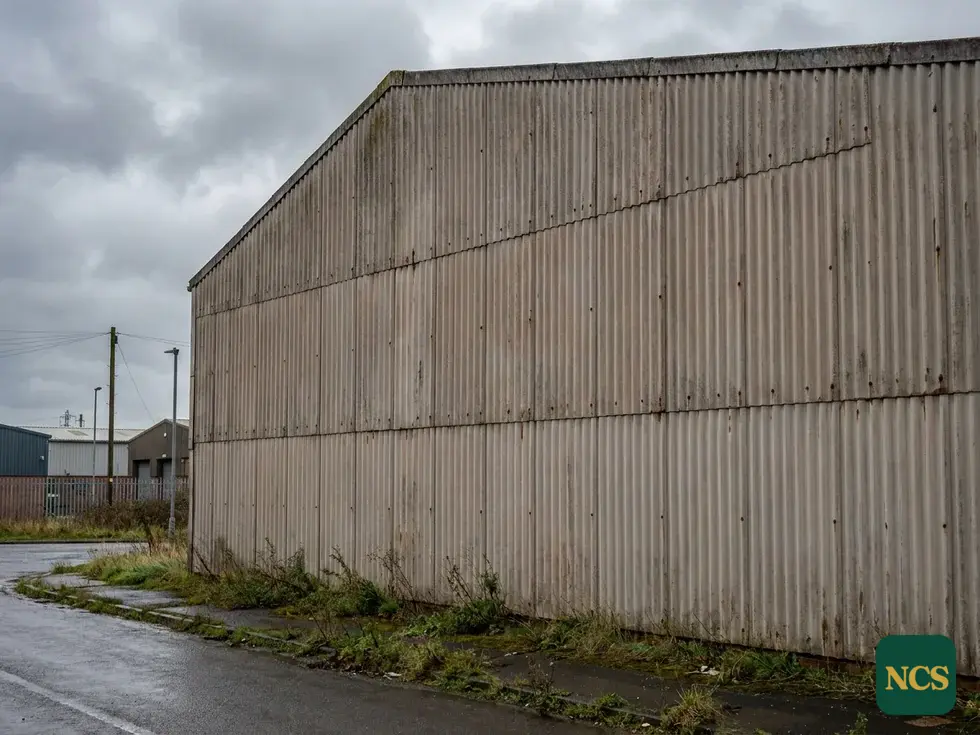
Running a survey-led project on a busy frontage
The survey looks at the coating and the substrate: adhesion, filiform corrosion on aluminium, previous repairs, and the condition of sealants and gaskets. It also settles the logistics that make or break central London work: access method, pedestrian protection, working-hours restrictions, odour and noise constraints for occupied floors, and any consents the building or the street may require. Much of this work happens early, late or overnight, and the method statement is written for the street the building actually stands on rather than for a generic site.
The same teams cover the neighbouring boroughs, so buildings in Kensington, Camden, Lambeth and the City of London are handled with the same survey discipline and the same protection standards. Clean handovers matter on these streets, so protection is checked at the start of every shift and the site is left presentable at the end of it.
When coating is not the answer
There are clear limits, and we set them out before any work is sold. Where panels are delaminating, where corrosion has perforated the metal, where fixings or the support system are suspect, or where an external wall system needs remediation to meet fire-performance requirements, a respray is not a solution and we will not present it as one. Coating is a finishes treatment for sound fabric. If the survey shows the fabric is not sound, the honest output is a report that says so and points you towards the right specialist instead.
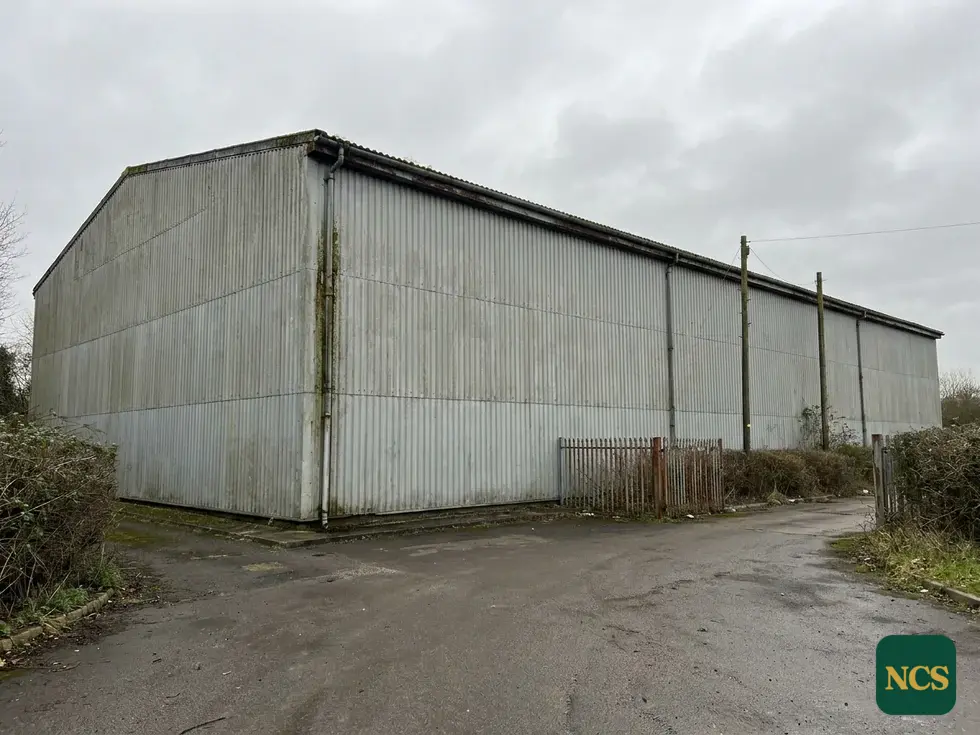
Why survey-led matters more here than anywhere
In central London the cost of arranging access twice is often higher than the cost of the coating itself. A survey-led contractor establishes the full scope, preparation, repairs, masking, treatment and system build-up, before the price is fixed and before the access is booked, so the work is done once and done against a written standard. For a clad or metal-framed building in Westminster that has lost its finish but not its integrity, a survey is the lowest-risk first step you can take, and it is the only one we will start from. It is also the only way to give a building owner an honest programme, because the constraints are known before the start date is promised.