[email protected]Free no-obligation site survey · Commercial, industrial & agricultural · Nationwide coverage across the UK
Skip to content
National Coating Specialists Commercial & Industrial Coatings

Commercial coating service

Render Repairs Before Wall Coating

Render repairs put right cracked, blown and hollow render on commercial, industrial and agricultural buildings, restoring a sound, watertight surface before any protective coating goes on, and our free site survey across England tells you honestly whether to repair, recoat or replace.

Surveyed, photographed, evidencedCoat, repair or replace adviceNationwide coverage
A real surveyor on your roof, not a call centre Coat, repair or replace: honest advice Manufacturer coating systems Free written condition report
Render Repairs Before Wall Coating

Survey first, then specify

Start with the building condition, not a generic price

Cracked, blown, loose or failed render should be assessed before any finish is recommended.

Render repair is often the preparation step that allows an exterior wall coating or damp-focused wall treatment to last properly.

Book your free site survey

Why coat

The benefits explained

Stop Penetrating DampRepairing failed render prevents water ingress, which can cause damp, mould, and damage to the building's structure.
Improve Thermal EfficiencyIntact render contributes to the thermal insulation of your building, and repairing defects can help reduce heat loss.
Prevent Costlier Future ProblemsAddressing render issues promptly prevents minor cracks and damage from developing into more extensive and expensive structural problems.
Enhance Building AppearanceProfessional render repairs restore the clean and smart appearance of your commercial or industrial property's exterior.

What this service is for

  • Cracks, failed render and damaged exterior surfaces
  • Preparation before coating systems
  • Commercial and managed-property focus

Render repair problems this page covers

Cracked renderExterior render cracks that need assessment before any coating system is applied.
Blown or loose areasFailed render that can undermine the finish if it is coated without repair.
Patchy repairsOld repairs and uneven textures that need a cleaner preparation route.
Weather penetrationDamaged elevations where water may be entering through failed render or coating.

Survey checks before specification

  • Crack pattern and movement risk
  • Loose, hollow or failed render areas
  • Moisture, staining and existing coating condition
  • Texture matching and preparation before wall coating
How render repairs are treated before coating

Specification

How render repairs are treated before coating

Render repairs sit before the coating decision. Coating over failed render can trap problems and create a short-lived finish.

The survey should identify what needs removing, repairing, stabilising and priming so the final exterior wall coating has a proper base.

Specification

Coating systems and approach

Polymer-Modified MortarsFor durable repairs on sand and cement render, we use polymer-modified mortars which offer enhanced adhesion and weather resistance.
Through-Colour Render RepairOn modern systems like Monocouche or K-Rend, we use specialist techniques and materials to patch repair and blend the finish for a consistent appearance.
Flexible Crack Injection & FillersTo address cracking caused by minor substrate movement, we use flexible fillers and injection methods designed to accommodate natural building shifts.

Gallery

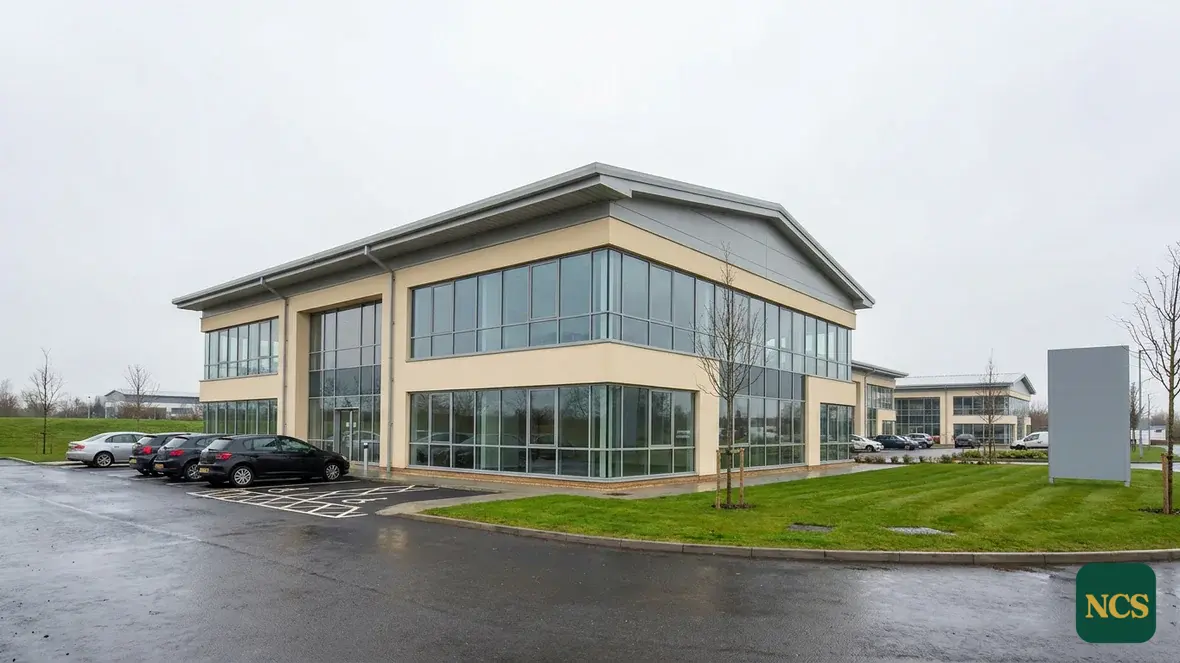
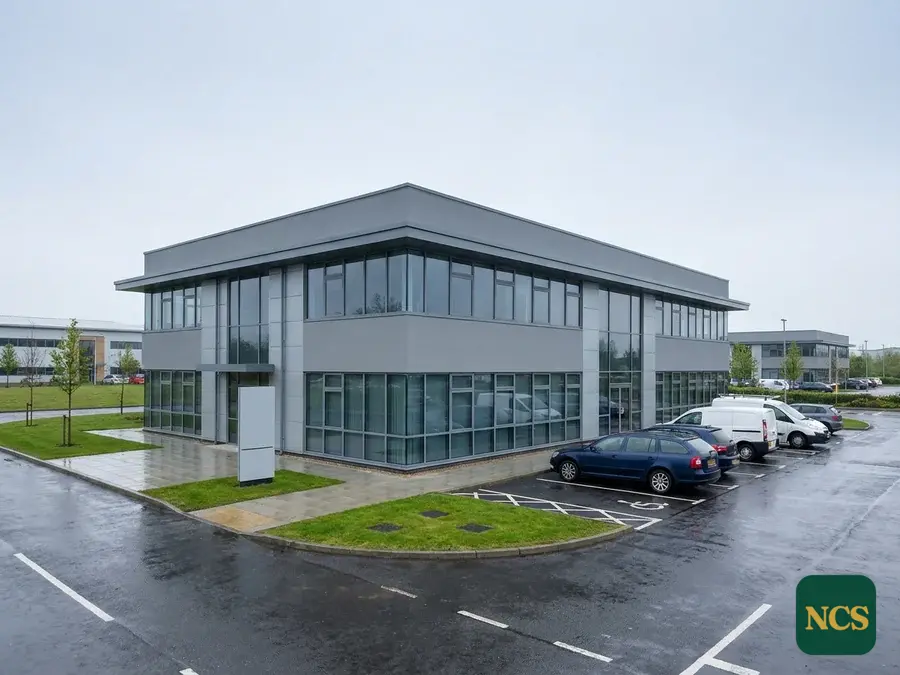
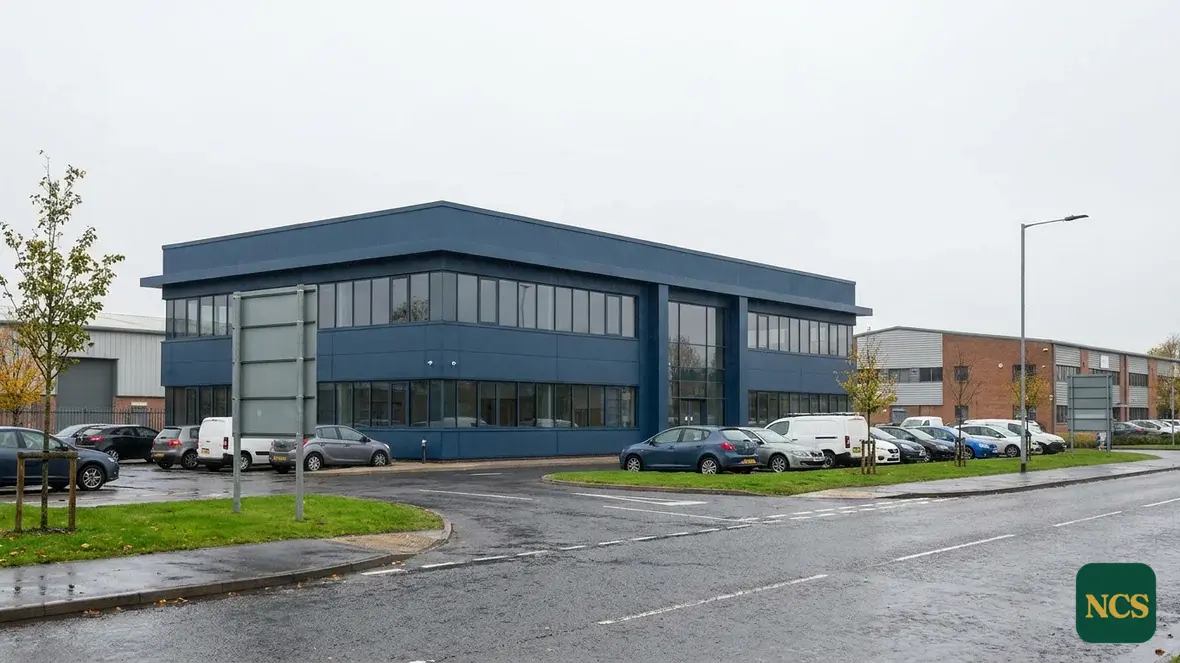
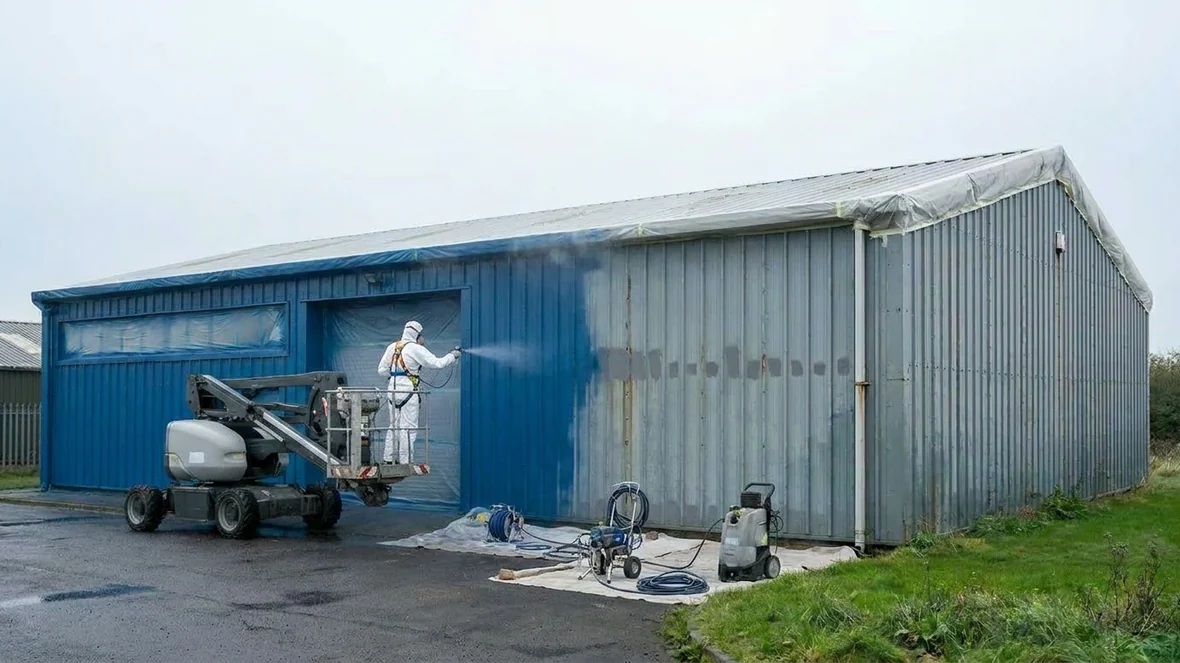
Coating work in detail

How it works

Our survey-led process

1SurveySubstrate, access, exposure, corrosion and repairs are inspected first.
2ReportA written condition report on what the building actually needs.
3SpecifyCoat, repair and replace options separated clearly.
4PlanWorks shaped around safety, weather and site continuity.
5ProtectThe right system applied to extend life and restore the finish.

Accredited, insured & manufacturer-approved

Chas accreditationSafecontractor accreditationPublic Liability accreditationFully Accredited accreditation

Where we work

Sectors and buildings we coat

Survey-led coating, spraying and exterior refurbishment across commercial, industrial and agricultural property in England.

Industrial & warehouse roofsCommercial claddingFactories & production unitsAgricultural buildingsRetail & business unitsManaged estates & facilitiesRender & masonryMetal cladding & cut-edge corrosion

Why choose us

Why choose National Coating Specialists

Survey-Led ApproachOur free site survey identifies the underlying cause of render failure, ensuring we recommend the correct long-term repair solution.
Repair, Don't ReplaceWe provide honest advice on whether a localised repair is sufficient or if a larger area needs replacing, always considering your budget.
Manufacturer SystemsWe use proven repair materials and systems from established manufacturers to ensure compatibility and performance.
The best time of year for render repairs

The best time of year for render repairs

Render and mortar are weather-sensitive materials. Frost can ruin a repair before it has cured, persistent rain stops new render bonding properly, and strong summer sun on a hot wall can dry a patch too quickly and cause shrinkage cracking. Timing the work well is part of getting a repair that lasts.

The milder months are the easiest window, with moderate temperatures and more reliable dry spells, but that does not mean render work stops in winter; sheltered elevations, protective sheeting and the right choice of materials extend the season considerably. What matters is that each repair gets the conditions it needs to cure before it is exposed to frost or driving rain, and before any protective coating is applied over it.

If your render is already cracked, try not to leave it through another winter. Water that enters a crack and freezes will widen it, and a repair that would have been small in autumn can become a much larger area of failed render by spring. An early survey lets the repairs and any coating be sequenced within a sensible weather window rather than squeezed in around it.

Aftercare: keeping repaired render in good condition

Aftercare: keeping repaired render in good condition

Once render has been repaired, and coated where the specification calls for it, the ongoing maintenance is light. Most of it is about controlling water, because almost every render failure we see starts with water getting somewhere it should not be.

  • Keep gutters, downpipes and gulleys clear, and fix leaks and overflows promptly rather than letting them run down the wall
  • Walk around the building after winter and look for new cracks, hollow-sounding patches or staining
  • Cut back climbing plants and shrubs growing against rendered walls
  • Wash down gently if needed, avoiding aggressive close-range pressure jetting that can open up hairline cracks
  • Check that ground levels and paving have not built up against the rendered base of the wall

The single most valuable habit is reporting small defects early. A hairline crack or a small hollow patch is a quick, contained repair, while the same defect left for years can mean cutting back and re-rendering a whole section of wall. If you are unsure whether something needs attention, a few photographs and a short conversation are usually enough for us to tell you.

Common questions

Render Repairs Before Wall Coating FAQs

Do I need to repair render before coating it?

Yes, in almost every case. A protective coating bonds to the surface it is applied to, so any cracked, blown or hollow render underneath will keep failing and pull the new coating with it. Repairing the render first gives the coating sound adhesion and stops water tracking behind the wall. Our survey confirms exactly what needs repairing before we coat.

How much do render repairs cost in the UK?

There is no fixed price, and we will not invent one. Cost depends on the extent and depth of damage, the render system, site access and working at height, and whether the wall is also being coated. A few hairline cracks costs far less than widespread blown render across a large unit. We provide a clear, itemised quotation after a free site survey.

What is the long-term solution for cracked render?

It depends on the cause. Cracks from substrate movement need flexible repair materials and sometimes reinforcing mesh, not just filling, or they return. Cracks from water ingress need the moisture path addressed first. Where render is widely failed, replacement can be the honest answer rather than repair. Our survey identifies the cause so the fix lasts, and a breathable coating then helps protect the finished surface.

Do you provide a free survey?

Yes. A survey-first process helps identify the right coating, repair or spraying route before any quotation is issued.

Do you work on live commercial sites?

Yes. The site is built around commercial, industrial and agricultural premises where access, safety, programme and business continuity matter.

Can coatings avoid full replacement?

Sometimes. Coatings can be a strong refurbishment route where the substrate is suitable, but the survey decides whether repair, coating or replacement is appropriate.

Do you publish fixed prices?

No. Access, substrate condition, preparation, repairs and specification change the cost too much for responsible fixed-price claims without a survey.

Get a free, no-obligation site survey

A real surveyor inspects the building, photographs the condition and quotes only what it needs. Send the details and we will come back with a clear, practical route forward.

Book your free site survey

What does your building need?

Pick the surface, then the problem. We will point you to the right service.