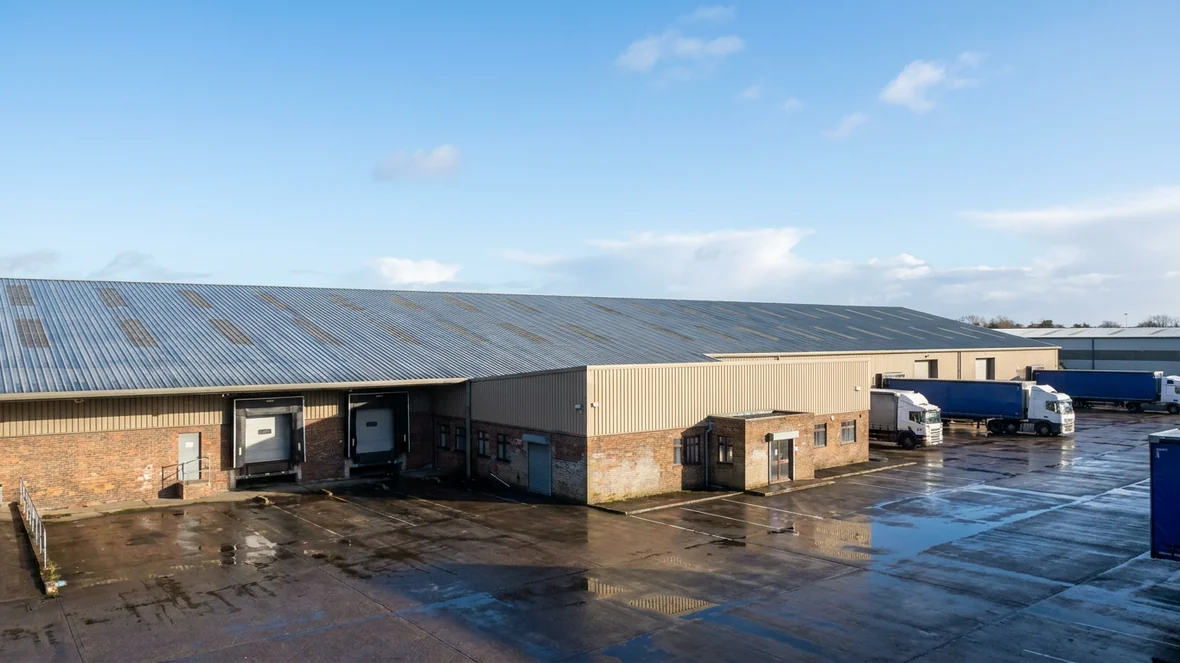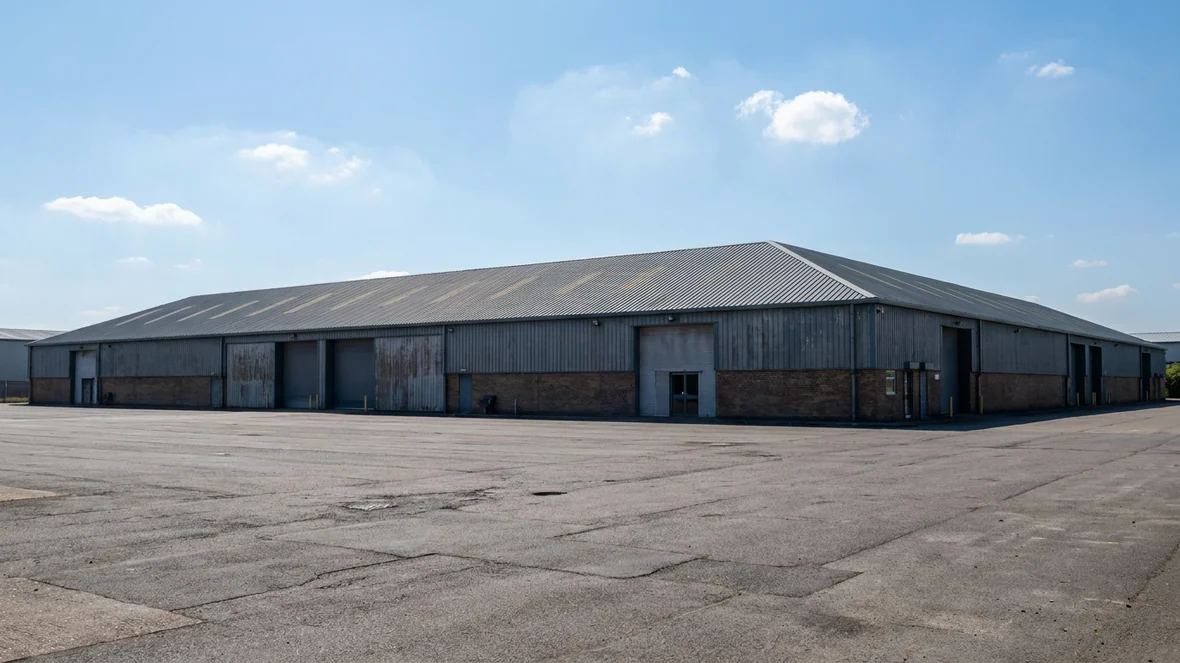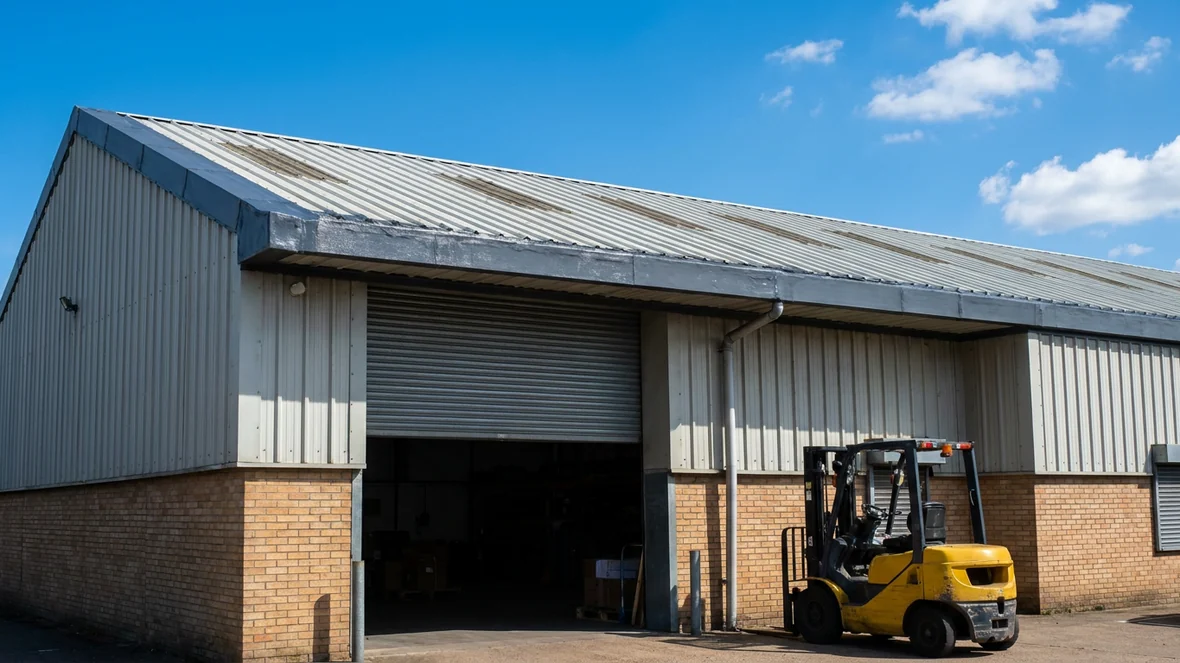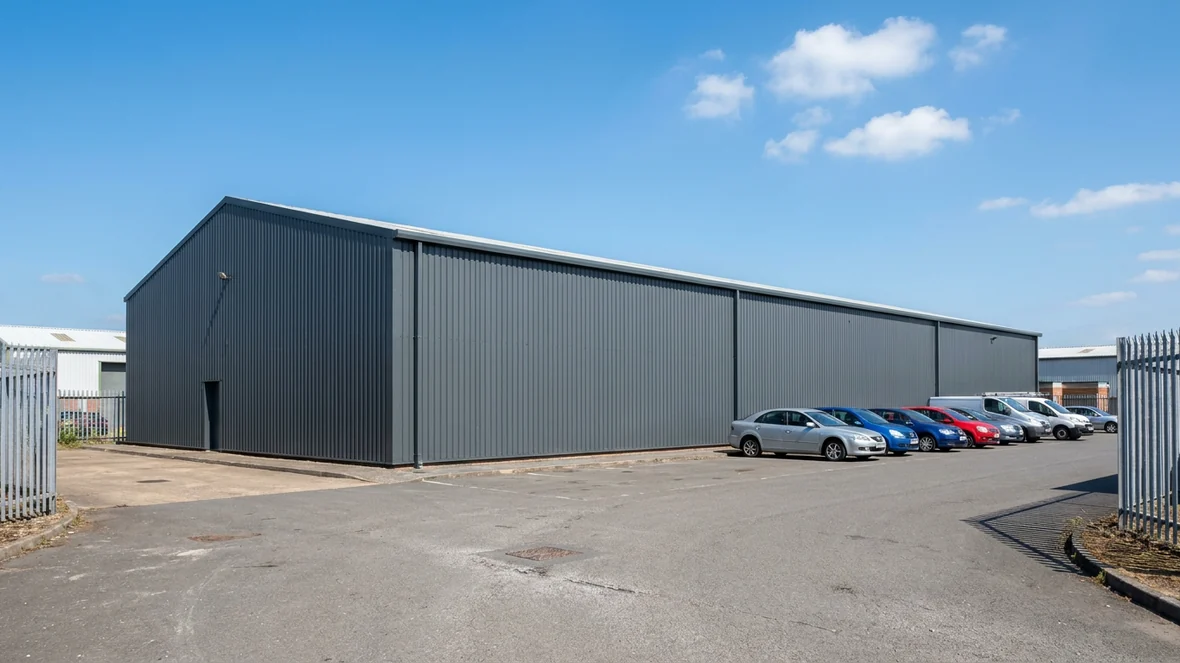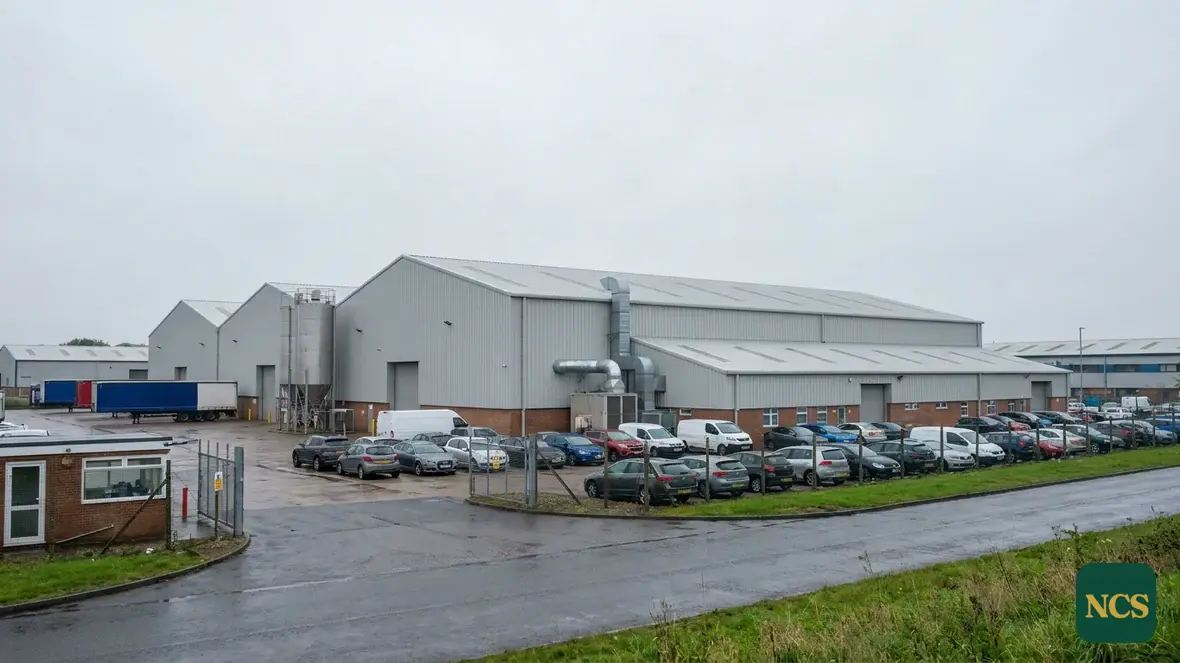








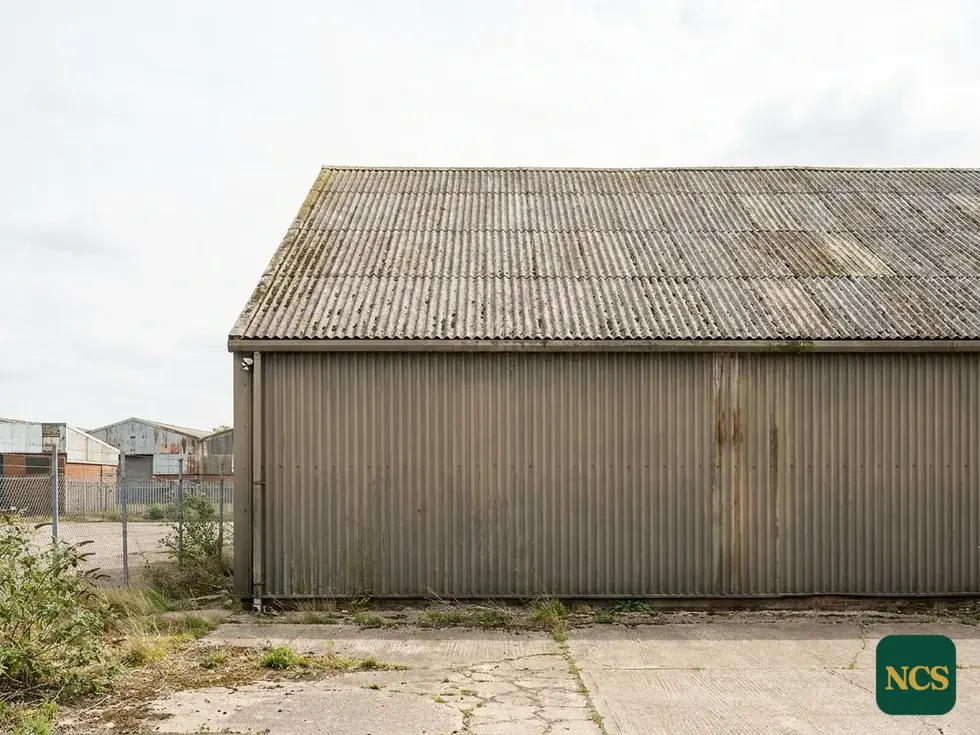
The Black Country built things, and much of it still does. Around Wolverhampton that history is visible in the industrial stock: engineering works, fabrication shops and component suppliers sitting alongside the 1980s and 1990s warehouse units that fill the estates between Bilston, Wednesfield and the city fringe. Most share one feature, a large profiled metal roof that has been quietly deteriorating for twenty or thirty years.
Roof coating for Black Country industrial buildings
National Coating Specialists is a survey-led exterior coating contractor, based in the South East and working across England, including the West Midlands. On industrial buildings our work centres on profiled metal roofs: treating corrosion, sealing laps and fixings, replacing defective fasteners and applying a full coating system that puts the roof back into watertight service for considerably less than the cost of replacement. For a Wolverhampton facilities or estates team, the appeal is straightforward: the building keeps working, the budget stays sensible and the roof stops being the item that gets deferred every year.
The cut-edge problem on 1980s and 1990s sheds
Steel roof sheets from this era were coated on the coil, then cut to length. Every cut exposed bare steel, and decades of Midlands weather have had time to work on it. The result is cut-edge corrosion: rust tracking along sheet overlaps and eaves, often visible as a brown line from the ground. On its own it looks cosmetic. In practice it is the front line of the roof’s decline, because once the corrosion undercuts the remaining coating and reaches the fixings, laps begin to leak and sheet ends start to delaminate. Treated early, with the edges prepared, primed and sealed before the coating goes on, the process stops. That window is the whole argument for acting now rather than in five years.
Manufacturing does not stop for maintenance
Plenty of buildings around Wolverhampton run shifts, and some run around the clock. Roof coating suits that reality better than almost any other roofing intervention. The work is external, so production continues underneath. Nothing is stripped off, so there is no exposed deck and no weather risk hanging over the programme. We agree working zones, access plant positions and delivery windows with your team in advance, and phase the roof so that yards, loading doors and fire exits stay clear throughout. For most sites, the operation below barely notices the work above.
Coat, repair or replace: an honest answer
A coating is not always the right call, and we would rather lose a job than coat a roof that is past saving. If the survey finds sheets perforated by rust, saturated insulation, structural movement or a deck at the end of its life, we will tell you the building needs a re-roof and put that in writing. Equally, some roofs only need targeted repairs and gutter works rather than a full coating, and we will say that too. The recommendation follows the evidence, not the other way round.
What the survey gives you
Everything starts with a close-quarters inspection of the roof, not an estimate from a satellite image. The surveyor records the condition of the sheets and the remaining finish, maps the extent of edge corrosion, checks fixings, rooflights, flashings and gutters, and looks for evidence of water getting in. You receive a written report with photographs, a clear verdict on whether the roof is a sound candidate for coating, and a specification describing exactly what work is proposed. It is the kind of document an estates team can put in front of a board or a landlord without translation. If you manage an industrial building in Wolverhampton or anywhere in the Black Country, the survey is the place to start.