Cladding spraying in Wolverhampton
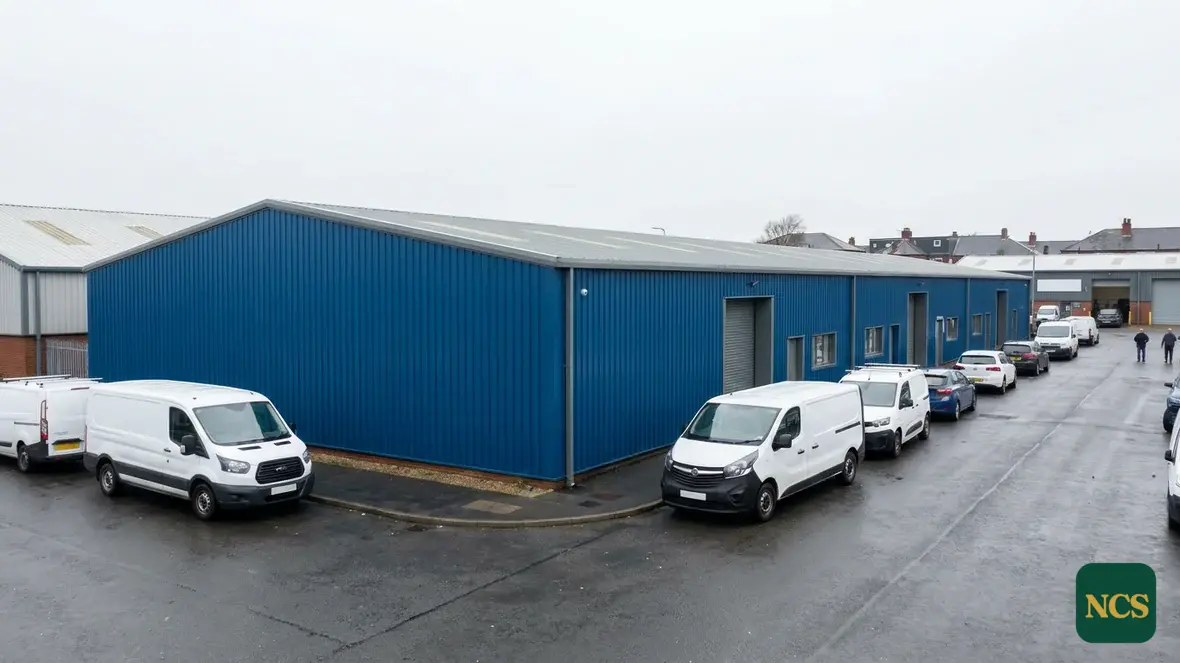
The Black Country built its name on metal, and we see plenty of it still wrapping commercial buildings across Wolverhampton. Cladding spraying takes those profiled steel and composite panel elevations, many of them decades old and badly faded, and resprays them on site with a specialist coating system. The building keeps its cladding, your business keeps trading, and the elevation gets its colour and protection back without a single panel going to landfill.
We work survey-led. Before we specify or price anything, we inspect the building, we test the existing finish and we record the condition of the substrate. What we find decides what we propose. If a panel needs replacing rather than coating, you’ll hear it from us at survey stage, not discover it on the final invoice.
Cladding painting around Wolverhampton starts at the cut edges. Treat the corrosion first and the finish lasts; paint over it and it comes back through.
Industrial stock, industrial wear
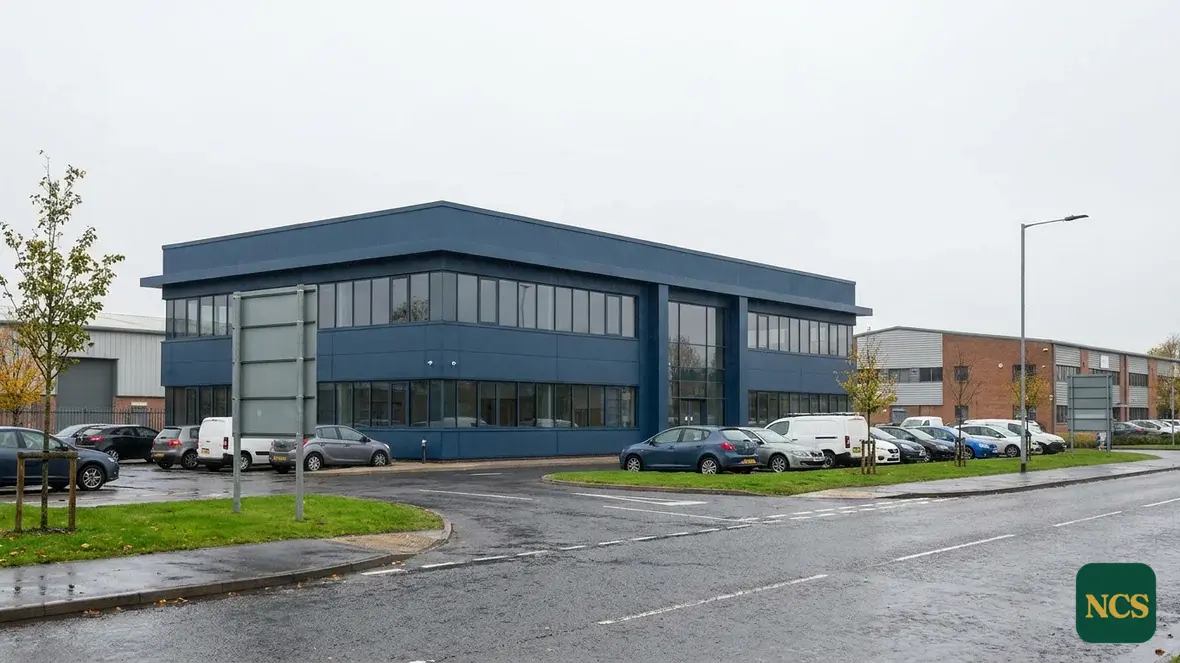
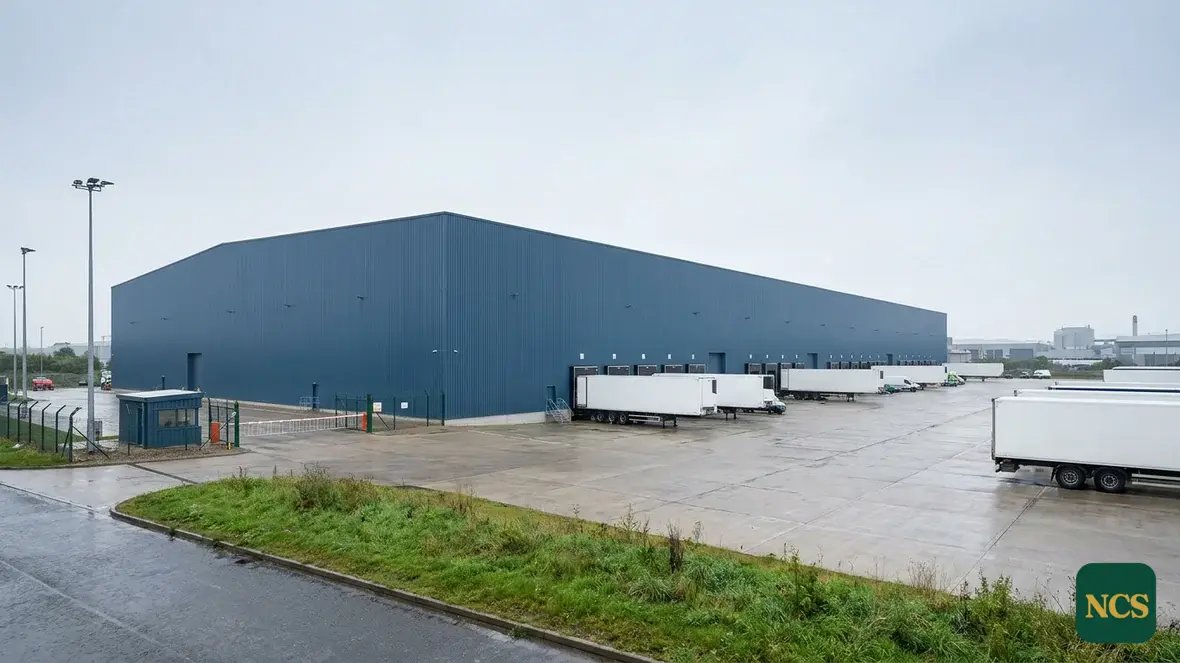
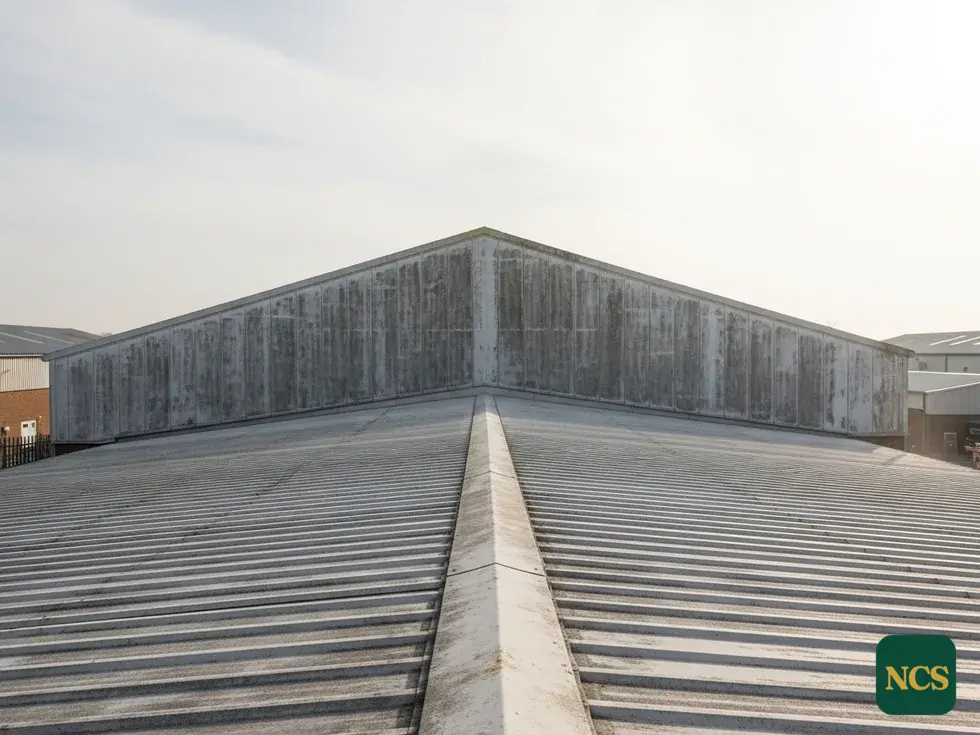
The estates around the city and across the wider West Midlands carry a familiar mix. We see manufacturing units and warehouses in plastisol-coated steel, newer distribution sheds in composite panel, and trade parks, showrooms and offices with metal fascias, curtain walling and rainscreen details. Years of weather and, on the older stock, years of industrial atmosphere leave the same signature everywhere: chalky, faded sheets, streaked elevations, and cut-edge corrosion creeping in at laps, sheet ends and around door and window openings.
Caught at the right stage, all of that is treatable. The respray then puts a new engineered finish over sound, prepared metal rather than a cosmetic coat over a developing problem. Roofs, gutters, flashings and personnel doors can be brought into the same specification where their condition justifies it. This usually makes better use of the access than treating the walls alone.
What happens before anyone lifts a spray gun
The survey drives everything. We test how well the existing coating is bonded. We identify any areas that must be repaired or treated rather than simply overcoated. Then we work out the practical plan: access equipment, masking, protection of stock and vehicles, and how to phase the work around an operating site. Where a site runs around the clock, the phasing is agreed with the people who run it, not imposed on them.
- Adhesion and condition testing of the existing coating
- Corrosion mapping, with cut edges checked panel by panel
- A written specification for preparation, repairs and the coating system
- Phased programming around deliveries, shifts and site traffic
- Sign-off inspection against the specification, not against a glance
That same approach travels well. We survey and deliver buildings in Dudley, Walsall, Birmingham and Telford under exactly the same process as those inside Wolverhampton itself.
When a respray is the wrong recommendation
Not every clad building should be coated. We would rather lose a job than spray over a problem. Sheets corroded through, composite panels with faces parting from their cores, fixings that have failed, or edge corrosion so advanced that the metal has gone: these need repair or replacement, not paint. The same is true where a building must meet thermal or fire-performance requirements that only recladding can deliver. If the survey points that way, the report will say so plainly and explain why.
The case for a survey-led contractor
A coating system is only as good as the surface it is applied to, and the surface is only as good as the survey that assessed it. Choosing a survey-led contractor means the scope of preparation, repair and treatment is fixed before the price is. The quotation then reflects your building rather than an average one. It also means there is a written specification to inspect the finished work against. For clad buildings across Wolverhampton and the West Midlands, that discipline is the difference between a finish that lasts and one that simply photographs well on handover day.
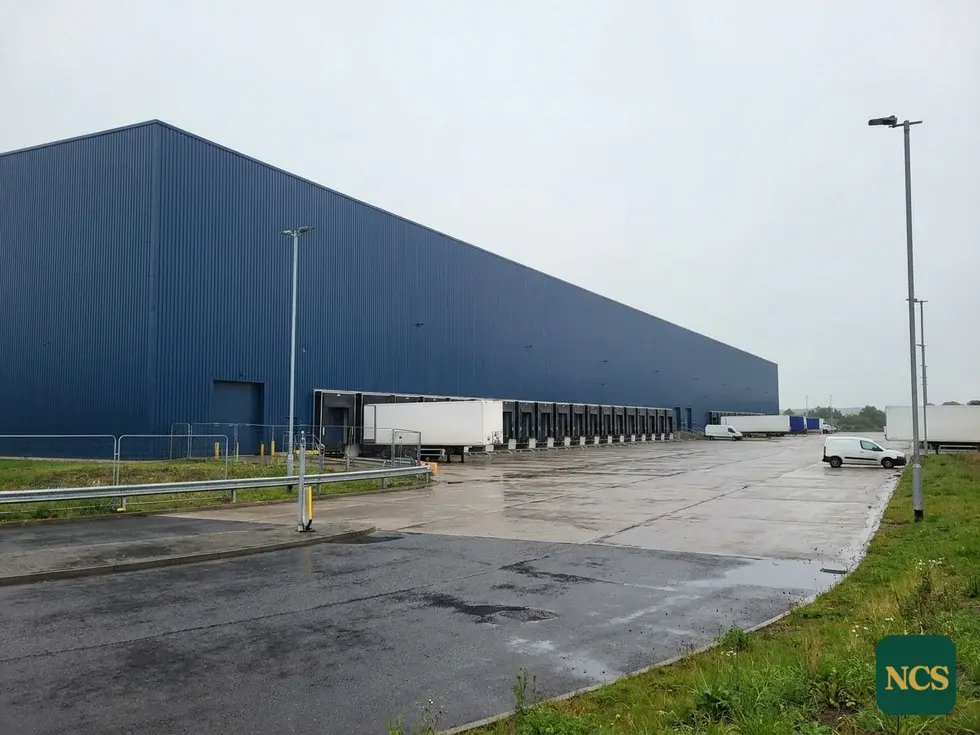
What a cladding spraying survey in Wolverhampton looks at
National Coating Specialists carries out cladding spraying work in Wolverhampton and the surrounding area. Every building is assessed on its own condition first. The survey weighs up the points that decide whether coating, repair or replacement is the right route:
- Clear explanation of commercial and industrial building types served in Wolverhampton (warehouses, factories, business parks).
- Step‑by‑step description of the spraying process, preparation and safety measures.
- Localised proof such as case studies or example projects in or near Wolverhampton (even if anonymised, not fabricated).
- Detail on colour ranges and how spraying supports rebranding or image refresh for Wolverhampton businesses.
- Strong local trust signals such as accreditations, insurance, health & safety compliance (only if genuinely held).
Related survey-led services
Commercial Roof CoatingSurvey-led commercial roof coating for commercial and industrial buildings across England.
Cut Edge Corrosion TreatmentSurvey-led cut edge corrosion treatment for commercial and industrial buildings across England.
For a survey-led assessment of your building in Wolverhampton, request a free site survey.