Commercial wall coating in Wolverhampton
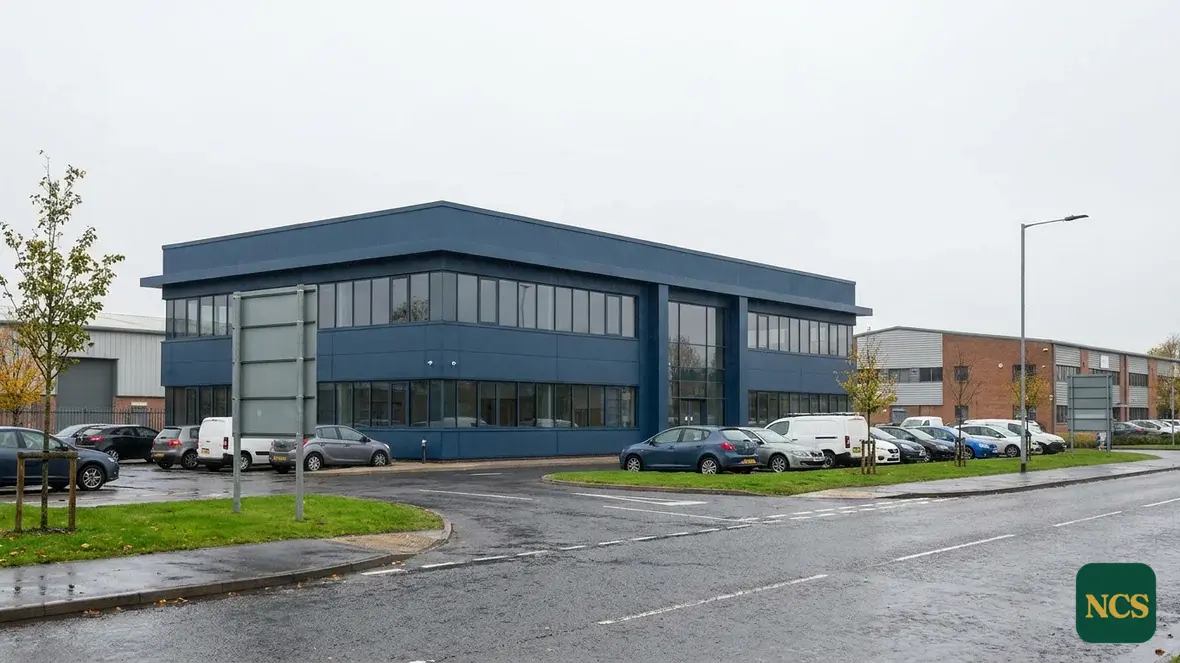
Plenty of commercial buildings in Wolverhampton have been working hard for a hundred years or more, and their walls show it. Commercial wall coating in Wolverhampton is often less about decoration than about stopping decline: brickwork eroding face by face, render cracking and letting water behind it, and frontages that make a business look more tired than it is. The Black Country built things to last, but no wall lasts without maintenance, and a coating is only worth the money if it is specified for the wall actually in front of it.
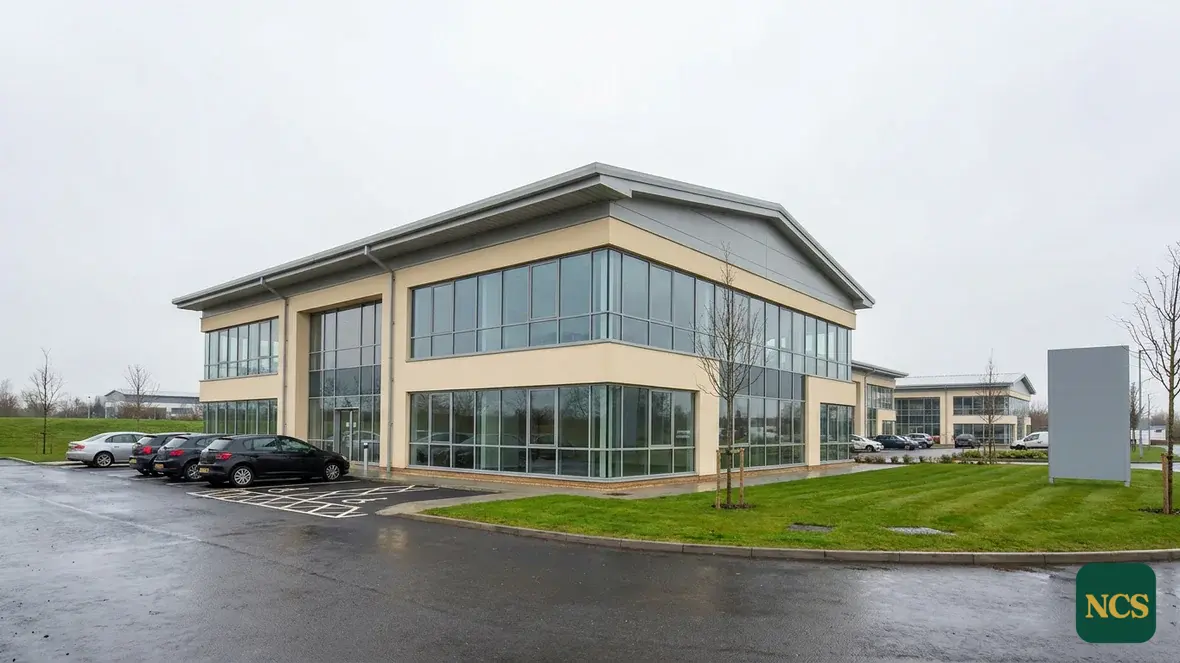
There is a straightforward commercial point in all this too. A trading-estate unit, a showroom or an office block is judged from the car park, and an elevation that is visibly failing undermines whatever happens inside it. Protecting the fabric and presenting the business are the same job, done once and done properly.
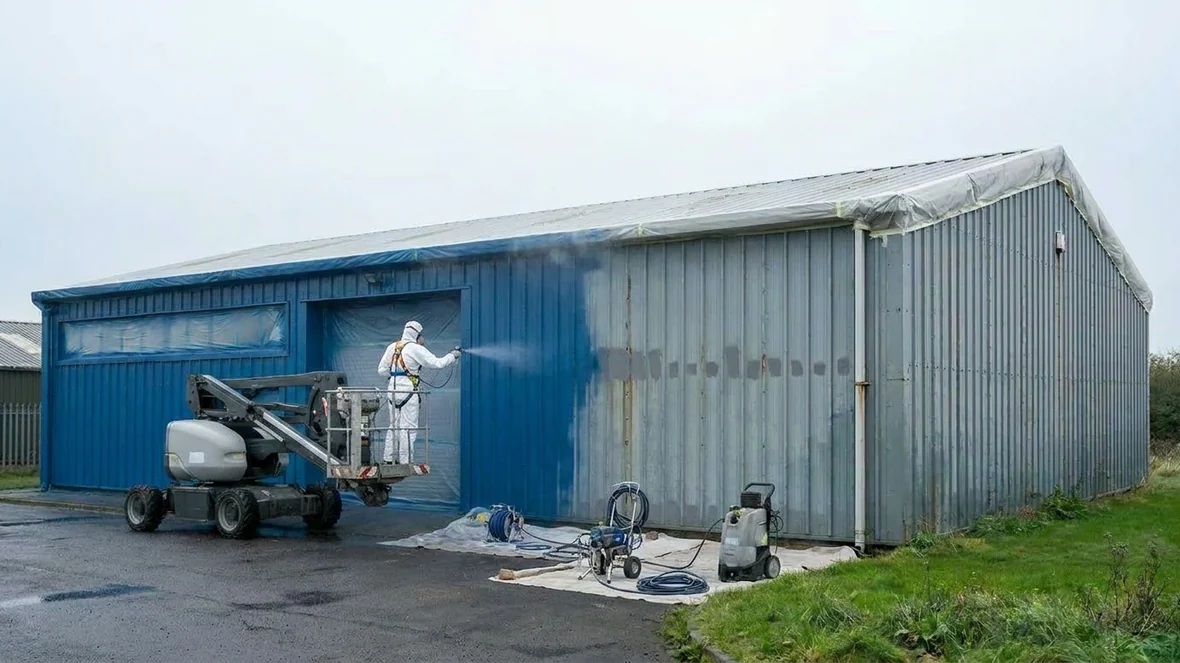
Our commercial painting work around Wolverhampton is exterior only, and it always begins with the substrate: render, masonry and concrete are put right before the coating.
Survey first, specification second
Our process starts with a site survey, not a sales visit. We identify the substrate, take moisture readings, examine cracking, pointing and previous coatings, and look at the details that quietly cause most wall problems: copings, sills, gutters and downpipes. The findings come back in writing with a recommendation you can question. Sometimes that recommendation includes repair work before any coating is applied. Occasionally it is to spend the budget on something other than coating altogether. That same approach travels across the West Midlands, so buildings in Dudley, Walsall, Birmingham and Telford get the identical survey-led treatment as premises in Wolverhampton itself.
The stock this area tends to present
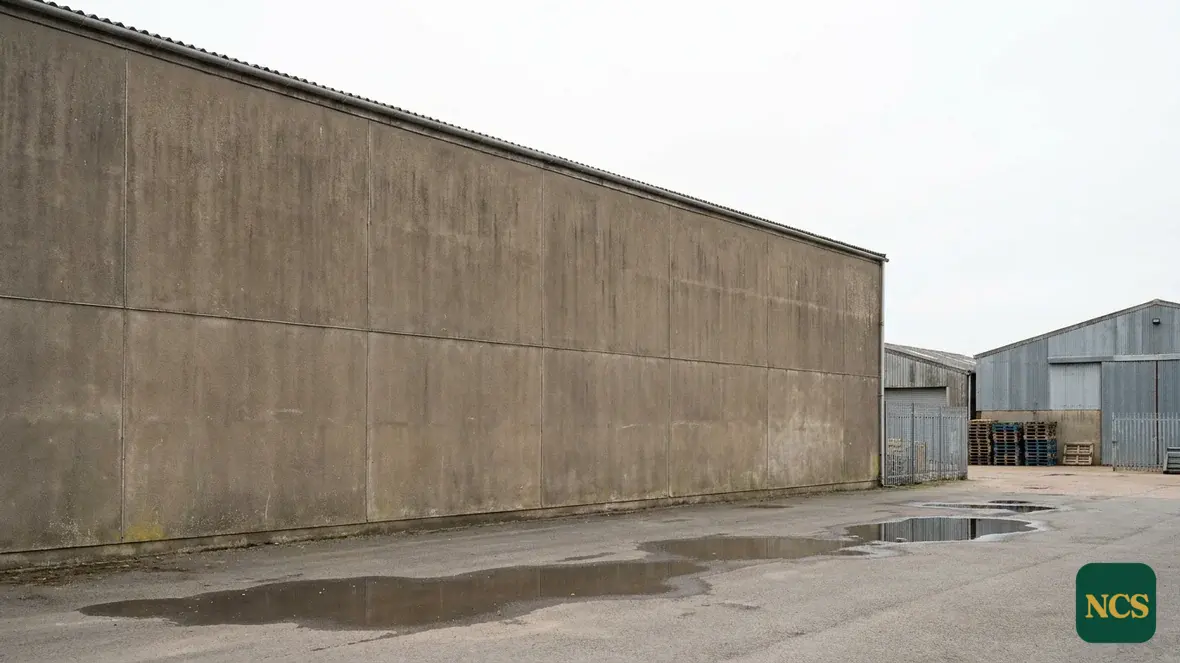
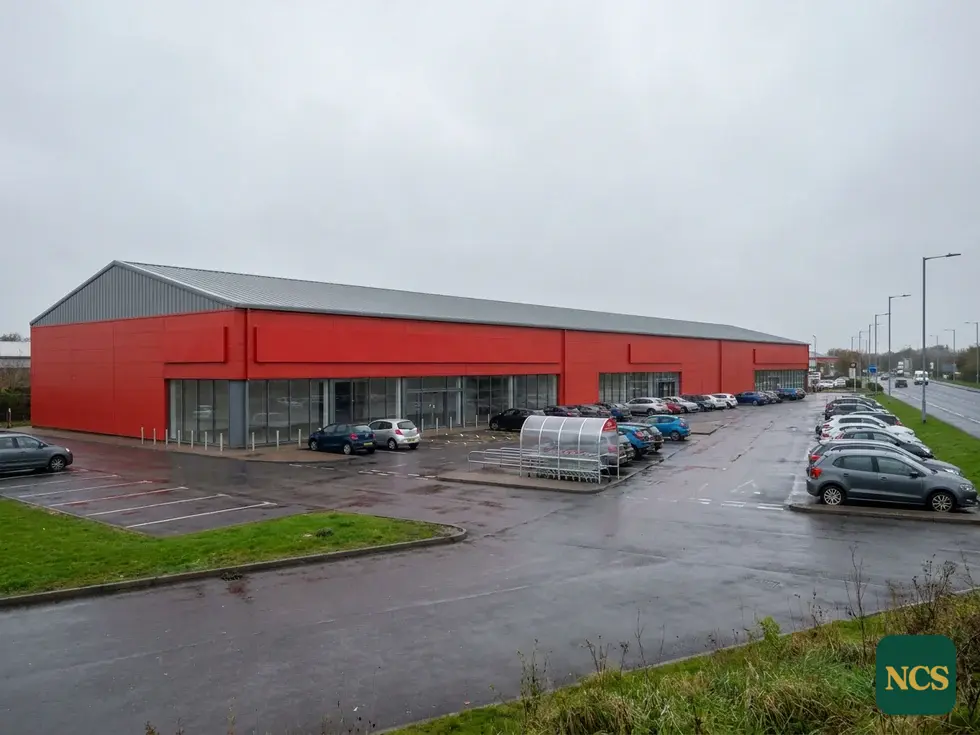
The commercial mix around the city is broad: Victorian red brick on the older trading streets, inter-war and post-war blocks, rendered conversions, and industrial units of every age out on the estates. Brick of that era is often softer than it looks and needs a breathable approach. Smooth render and modern masonry behave differently again, and a previously painted elevation brings its own questions about what sits under the existing finish and how well it is adhered. None of that can be answered from a pavement glance, which is precisely why we will not quote from one. Exposure varies street by street as well: a flank wall facing open ground takes far more weather than a sheltered courtyard elevation, and the specification should reflect that. The wall gets inspected, then it gets a specification, in that order every time.
What a coating will not fix
We are direct about the limits of the trade. A wall coating is the wrong answer where the real problem is one of these:
- Rising damp or a failed damp-proof course
- Structural movement or cracking that is still live
- Cavity wall tie failure or saturated cavity insulation
- Leaking roofs, gutters or downpipes soaking the wall from above
- Pointing so far gone that water is entering through the joints
Coat over any of those and the fault continues out of sight, usually taking the new coating with it. If a survey finds them, we say so and explain the right order of works, even when that delays our own part of the job.
The case for a survey-led contractor
A survey-led contractor gives you three things a price-per-square-metre outfit cannot: a diagnosis you can read, a specification tied to that diagnosis, and a paper trail that makes the work accountable. For commercial property, a failed coating means scaffold costs twice and disruption twice. That discipline pays for itself many times over. It also changes the conversation from “what does it cost” to “what does this wall need”, which is the conversation that actually protects the building. If your premises in Wolverhampton or the wider West Midlands have an elevation you are unsure about, the survey is where every sensible answer starts.