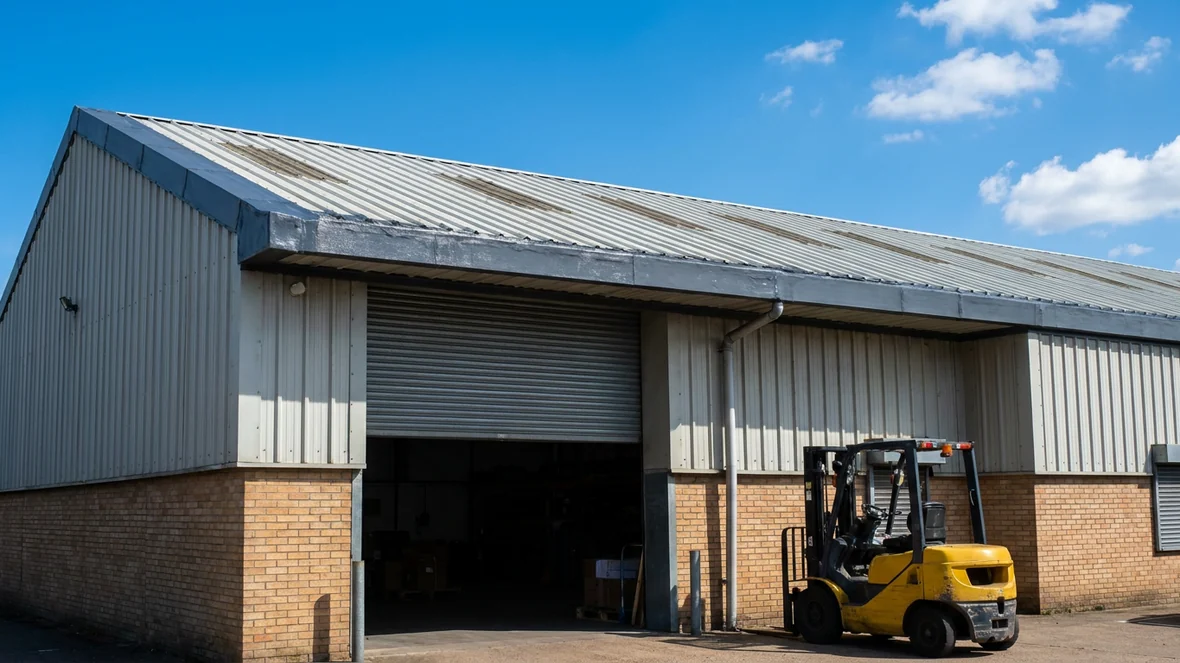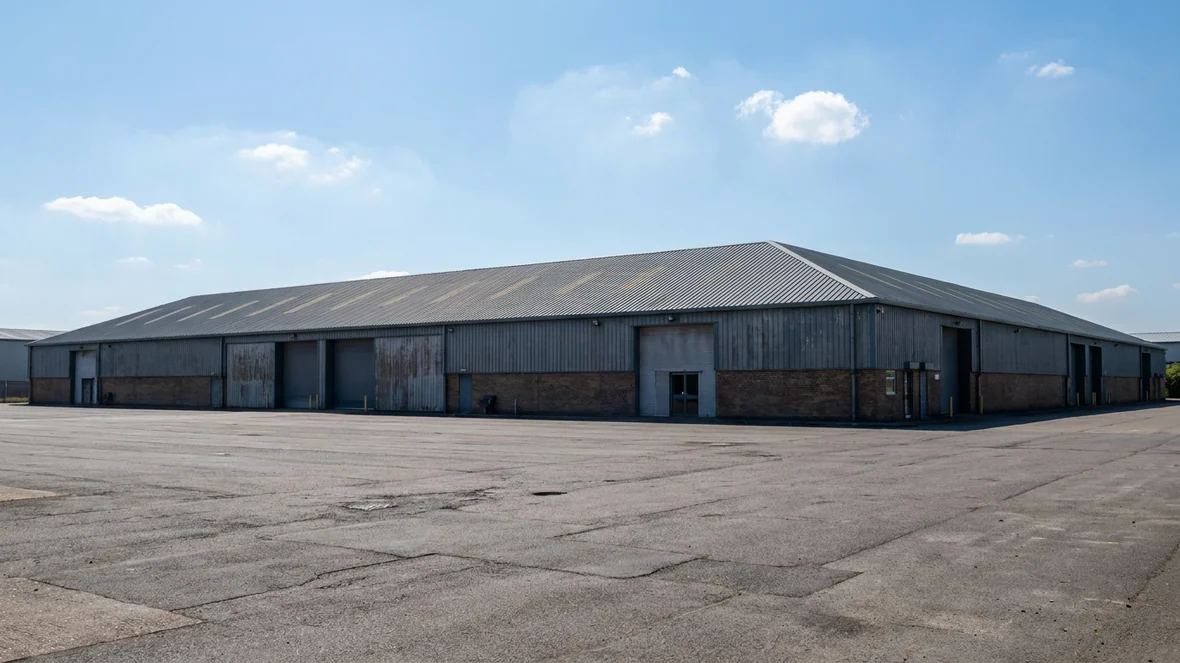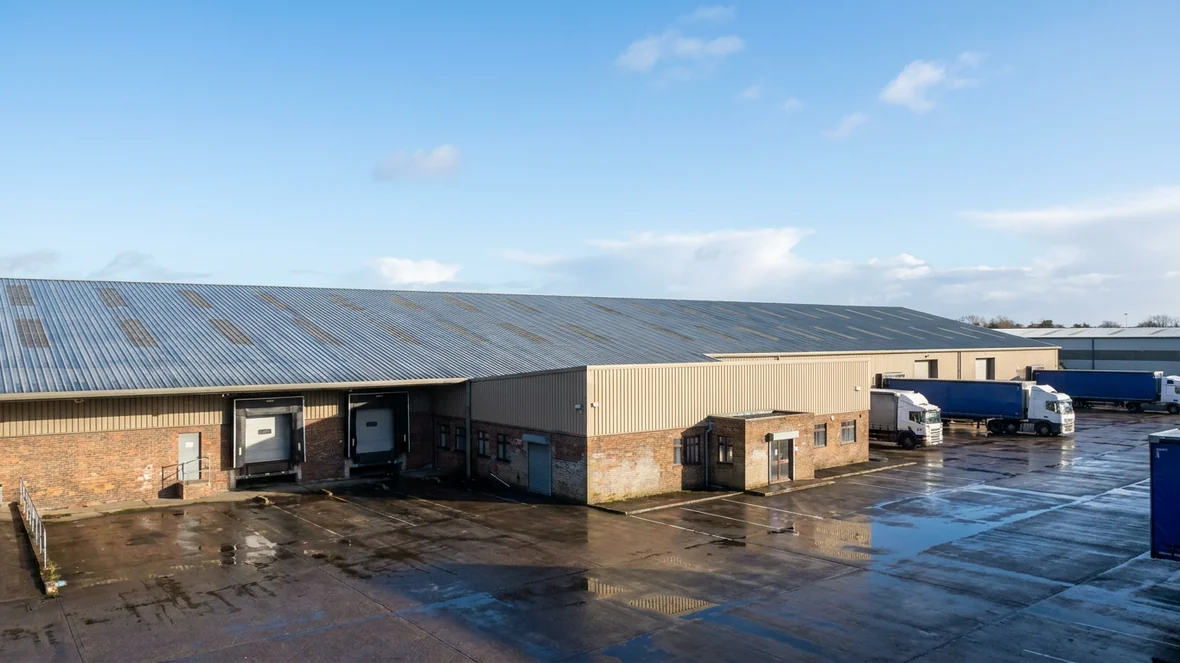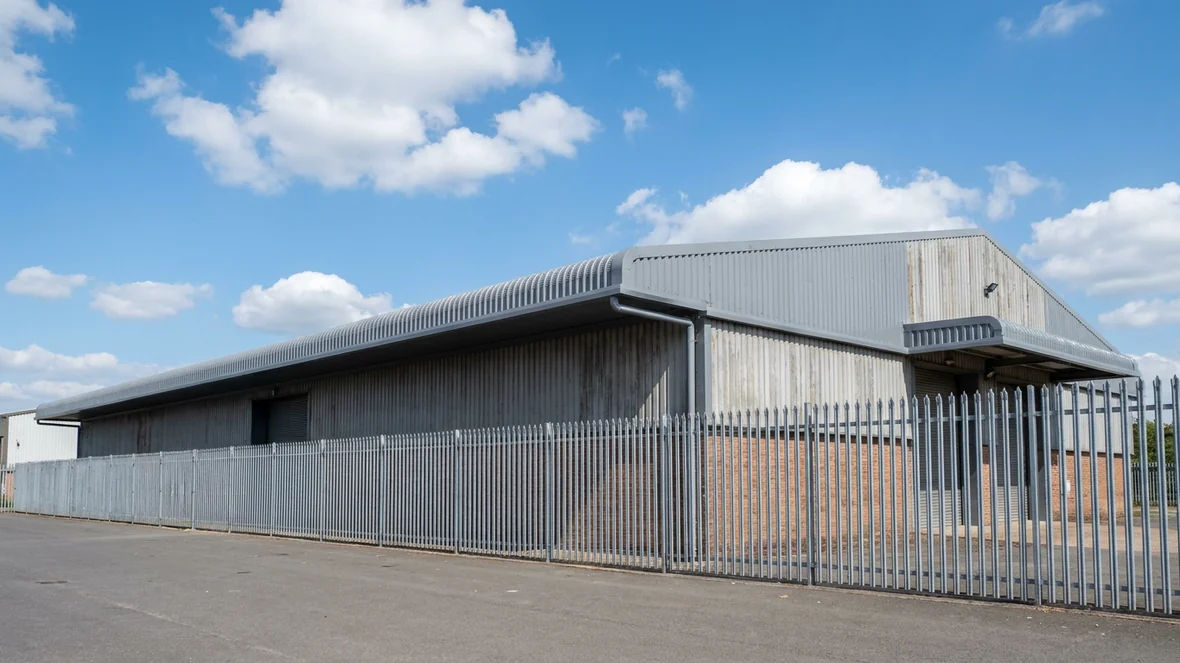










On a profiled metal roof, the sheet ends fail first. That is not a design flaw unique to any one building; it is how plastisol-coated steel behaves once its cut edges have spent years in standing water. Across Nottingham’s trading estates and the distribution units strung along the M1 corridor, the same pattern repeats: sound-looking roofs with a line of rust forming quietly at the gutters and laps. Cut edge corrosion treatment exists precisely for this stage, before the rust becomes a hole.
Caught at inspection, not after the leak
The best outcomes come from owners and facilities managers who put eyes on the roof once or twice a year. A gutter clean that turns up rust flakes, a drone pass that shows discoloured sheet ends, or a walkover that finds coating lifting at the laps: each of these catches the problem while it is still a treatment job rather than a replacement job.
Early warnings worth acting on:
- Rust-coloured staining washing into gutters from the sheet ends
- A visible dark or orange band along the eaves edge
- Coating bubbling or peeling back from the lap lines
- Damp tracking along the internal lining at sheet end positions
Why the edges, and why it spreads
Coated steel sheet is protected on its faces but not on the edge left by the cutting blade. Those edges end up at the laps and gutter lines, the parts of the roof that stay wet longest. Bare steel rusts, the rust expands and lifts the coating beside it, and moisture then travels under the coating and into the laps where it cannot dry. The damage moves inward from every cut edge at once, which is why it tends to appear across the whole roof in the same season rather than in one isolated spot.
The treat-early arithmetic
Treatment at the right stage is methodical rather than dramatic: corroded edges are prepared back to sound metal, primed with corrosion-inhibiting products, and the laps and edges are sealed with a flexible coating designed to move with the sheet. The result is the failure point of the roof dealt with for a fraction of what replacement costs, with no interruption to the building below.
Wait too long and the sums invert. Perforated sheet ends mean water in the building, damaged stock or fittings, and a strip-and-resheet project with all the access work and disruption that entails. On many roofs, the difference between those two outcomes is nothing more than a couple of winters.
When we will tell you not to treat
Honesty matters more here than anywhere else in this trade. If the survey finds sheet ends already perforated, lap corrosion advanced across large areas, or steel thinned to the point of weakness, edge treatment will not hold and we will not quote for it. You will get a written report with photographs saying so, along with the realistic options: partial resheeting, full replacement or over-roofing. A coating contractor who never says no to a coating is not giving you advice. We would rather lose the job than coat a roof that is past it.
One survey, the full picture
Because cut edge corrosion rarely travels alone, our survey covers the whole roof, not just the edges. If the factory finish across the sheets is chalking and losing colour, combining edge treatment with a full roof coating in a single mobilisation usually beats doing the same work in two stages years apart, and the survey will set out both routes with the evidence behind each. We are a South-East based contractor working across England, and Nottingham is comfortably within our patch. Send the address and we will take it from there.